
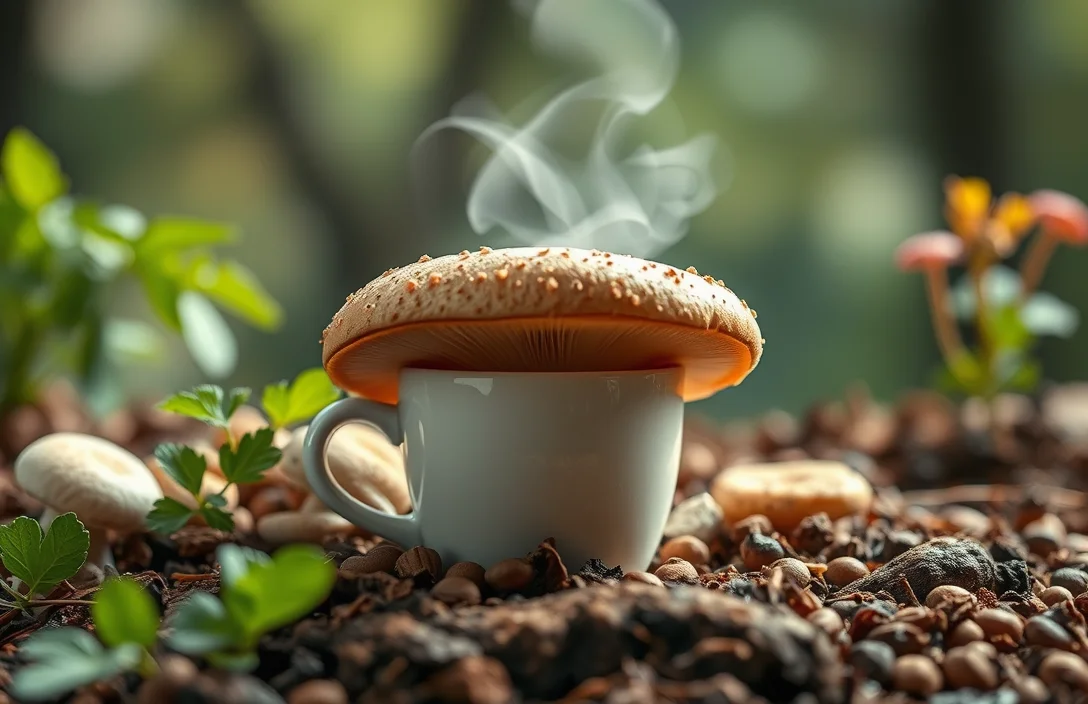
Approximately 25% of Americans have tried mushroom coffee, intrigued by its purported health benefits. This rising trend raises important questions about safety and efficacy, making it crucial to examine whether these beverages are genuinely beneficial or potentially harmful.
Research indicates that mushroom coffees may provide antioxidants and immune support, but allergies and interactions with medications are concerns. Understanding these factors is essential for informed consumption.
Health Benefits of Mushroom Coffee
Mushroom coffee offers enhanced health benefits compared to traditional coffee. Rich in antioxidants and nutrients, it can improve overall well-being. Adaptogenic properties found in mushrooms help the body manage stress while boosting the immune system. Including this beverage in your routine may lead to better focus, energy, and mood stabilization.
- Reishi mushrooms support relaxation and sleep quality.
- Chaga mushrooms provide powerful antioxidant support.
- Lion’s Mane aids cognitive function and memory.
- Cordyceps enhance physical performance and stamina.
Replacing standard coffee with mushroom-infused alternatives can result in fewer jitters. Many people report experiencing smoother energy levels throughout the day. Combining these beneficial fungi with coffee may reduce acidity, making it gentler on the stomach.
Consuming mushroom coffee regularly can also lead to improved gut health. Some mushrooms promote digestion and help maintain a balanced microbiome. As you explore this trend, remember to choose high-quality blends for maximum benefits.
Understanding Potential Side Effects
Consuming mushroom coffee can lead to various side effects, especially for those sensitive to mushrooms. Common reactions include digestive issues, such as upset stomach or bloating. Allergic responses may occur in individuals with a history of mushroom allergies, resulting in rashes or difficulty breathing. Always monitor your body’s response after trying it for the first time.
Individuals taking certain medications should exercise caution. Mushroom coffee might interact with blood thinners or medications that affect the immune system. Consulting a healthcare professional before adding it to your routine is wise, particularly if you are on prescription drugs.
Pregnant or breastfeeding women must also be careful. Limited research exists on the safety of specific mushrooms during pregnancy, leading health experts to recommend avoiding them. The potential risks may outweigh the benefits, so seeking professional advice is essential.
Long-term usage of mushroom coffee hasn’t been extensively studied. While many enjoy its health benefits, ongoing consumption may lead to unknown effects. Staying informed about your health and how your body reacts is crucial to ensure safety.
Common Mushroom Types Used
Lion’s mane, chaga, reishi, cordyceps, and turkey tail are the species most commonly blended into mushroom coffees; each brings a different active profile. Lion’s mane supports cognitive focus, chaga provides antioxidants, reishi is used for relaxation and immune modulation, cordyceps is marketed for energy, and turkey tail supplies prebiotic polysaccharides. Safety varies by species and dose.
Consult your clinician about interactions and personal risks before regular consumption; some species affect immune response and blood clotting, while others can alter blood sugar. If you search ‘are mushroom coffees safe’, disclose medications, pregnancy, breastfeeding, or organ transplant history. Prefer brands that publish third-party lab reports for purity and potency, follow manufacturer dosing, and stop use if you experience allergic or digestive reactions.
Caffeine Content Comparison with Regular Coffee
Filtered mushroom blends typically contain 30 to 50 mg of caffeine per 8-ounce cup, substantially less than regular drip coffee. Check product labels because some blends add coffee extract or matcha, raising caffeine to 60 to 80 mg. If you need lower intake, choose pure functional-mushroom powders without coffee or use half a serving to moderate dose.
Espresso-style mushroom products often use concentrated coffee extract and can deliver 40 to 80 mg per serving, comparable to a weak espresso shot. Ask brands for exact milligrams and serving size so you can judge stimulant exposure and whether mushroom blends affect your usual caffeine limit, which matters when evaluating are mushroom coffees safe.
Simple comparison shows typical caffeine ranges:
| Beverage | Caffeine (per 8 oz) | Notes |
| Mushroom coffee (blend) | 30–80 mg | Varies by added coffee extract, matcha, or serving |
| Regular drip coffee | 95–165 mg | Depends on bean, roast, and brew strength |
| Espresso (single shot) | 60–75 mg | Concentrated; adjust servings for total dose |
Allergies and Sensitivities Considerations
Mushroom coffees may pose risks for individuals with certain allergies or sensitivities. Understanding potential reactions is crucial for safe consumption. Allergic reactions can range from mild to severe, making it essential to identify any allergens present in the mushroom varieties used.
- Identify mushroom types used. Different mushrooms, such as reishi or lion’s mane, have distinct properties. Some individuals may be sensitive to specific species, leading to allergic reactions.
- Check for cross-contamination. Ensure that the mushroom coffee is processed in a facility free from common allergens like nuts or gluten. Cross-contamination can trigger allergic responses in sensitive individuals.
- Consult with a healthcare provider. Speak with a medical professional before trying mushroom coffee, especially if you have known mushroom allergies or sensitivities. They can provide personalized advice based on your health history.
- Start with small amounts. Gradually introduce mushroom coffee into your diet to monitor for any adverse reactions. This cautious approach allows you to assess your tolerance before consuming larger quantities.
- Read product labels thoroughly. Look for any additional ingredients that may cause sensitivities. Understanding what you’re consuming is vital for ensuring safety.
Interactions with Medications Overview
Mushroom coffee can interact with several common medications, potentially affecting their effectiveness or increasing side effects. Understanding these interactions is crucial for ensuring safety when consuming this beverage. Here are some considerations to keep in mind:
- Blood thinners may be affected. Medicinal mushrooms like reishi have anticoagulant properties, which could enhance the effects of blood-thinning medications such as warfarin. Consult your healthcare provider if you are on such medications.
- Immunosuppressants are another concern. Certain mushrooms may boost the immune system, counteracting the effects of medications meant to suppress immune responses. Discuss your mushroom coffee consumption with your doctor if you take immunosuppressive drugs.
- Antidiabetic medications might interact as well. Some mushrooms can lower blood sugar levels, which could lead to hypoglycemia if combined with diabetes medications. Monitor your blood sugar levels closely if you consume mushroom coffee.
- Stimulants could amplify effects. If your mushroom coffee contains caffeine or other stimulants, it may intensify the effects of stimulant medications, potentially leading to increased heart rates or anxiety. Be cautious if you’re on such prescriptions.
- Antidepressants may interact variably. Certain mushrooms have mood-enhancing properties that could interact with antidepressant medications, affecting their efficacy. Consultation with a healthcare professional is advisable.
Quality and Sourcing Factors
Insist on third-party lab testing results and certificates of analysis (COAs) before buying. Look for tests that report active compound levels, heavy metals, pesticides, and mycotoxins by batch. Confirm species and extract method (fruiting body vs mycelium) on the label, and prefer brands that publish lot numbers, manufacturing date, and expiry to ensure traceability and reproducible potency.
Compare batch numbers and COAs online before purchase to validate test authenticity and avoid counterfeit products; contact manufacturers for missing reports. Search COAs to answer are mushroom coffees safe for you and reject items without GMP manufacturing, clear sourcing statements, or third-party verification.
Quick Summary
- Mushroom coffees are generally considered safe for most adults when made from non-psychoactive medicinal mushrooms (e.g., reishi, lion’s mane, chaga) and consumed at recommended doses.
- Many products are blends of mushroom extracts and regular coffee or decaf, so caffeine content varies—check labels if you’re sensitive to caffeine.
- Quality and sourcing matter: choose brands with standardized extracts and third‑party testing to reduce risk of contaminants (heavy metals, mycotoxins) and inconsistent potency.
- Possible side effects include digestive upset, allergic reactions, and changes in energy or sleep; higher doses can increase risk of adverse effects.
- Mushroom supplements can interact with medications (especially blood thinners, immunosuppressants) and may not be appropriate for pregnant or breastfeeding people or the immunocompromised—consult your clinician.
- Long-term safety data are limited; use caution, follow product dosing, and discuss regular use with a healthcare provider if you have chronic conditions or take prescription drugs.
Frequently Asked Questions
Are mushroom coffees safe to drink?
Yes, mushroom coffees are generally considered safe for most people. They are made from medicinal mushrooms that have been used for centuries in traditional medicine and are typically blended with coffee to enhance flavor and health benefits.
What types of mushrooms are commonly used in mushroom coffee?
Common types of mushrooms used in mushroom coffee include Lion’s Mane, Chaga, Reishi, and Cordyceps. Each of these mushrooms offers unique health benefits, such as improved cognitive function, immune support, and increased energy levels.
Can mushroom coffee cause any side effects?
While mushroom coffee is safe for most, some individuals may experience mild side effects such as digestive upset or allergic reactions. It’s important to start with a small amount and monitor your body’s response.
Is mushroom coffee suitable for everyone?
Mushroom coffee is generally safe for most adults, but pregnant or breastfeeding women and those with specific allergies or medical conditions should consult a healthcare professional before trying it. Always consider personal health factors when introducing new foods or beverages.
How does mushroom coffee compare to regular coffee?
Mushroom coffee typically contains less caffeine than regular coffee, which can be beneficial for those sensitive to caffeine. Additionally, the added mushrooms may provide health benefits that regular coffee does not, such as enhanced focus and immune support.

- How to Fix a Portafilter: Size, Locking Mechanism, and Troubleshooting Guide - October 22, 2026
- 35 Coffee Machine Parts and Functions: Complete Guide With Names and Uses - October 22, 2026
- 25 Espresso Machine Parts Names and Their Functions Explained - October 22, 2026