
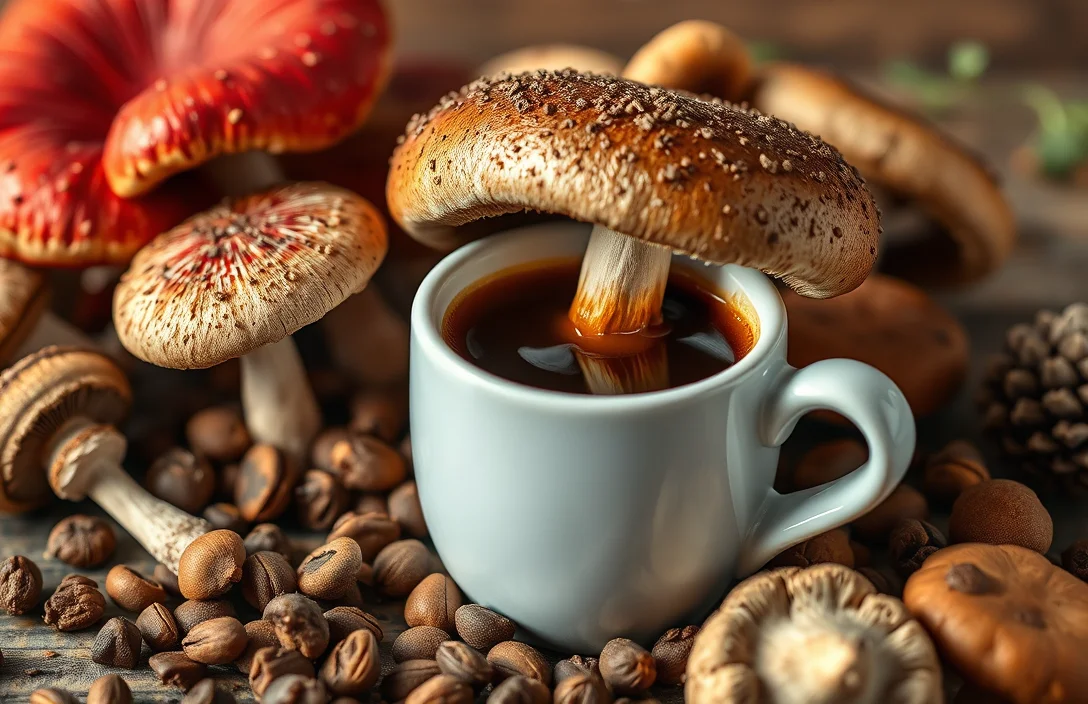
Mushroom coffee contains antioxidants and can lower inflammation, potentially making it healthier than regular coffee. With the rise of wellness trends, many wonder if these fungi-infused brews genuinely offer health benefits or are just another fad in the beverage industry.
Research indicates that mushroom coffees may enhance focus and energy, while providing immune support and stress reduction. Understanding their benefits can help you decide if they fit into your diet.
Nutritional Benefits of Mushroom Varieties
Medicinal mushrooms, commonly used in coffee, offer various essential nutrients. Varieties like reishi, chaga, and lion’s mane each provide unique health benefits. For instance, reishi is known for its immune-boosting properties, while chaga is rich in antioxidants. Lion’s mane supports cognitive function, making these mushrooms valuable additions to your morning cup.
Chaga mushrooms contain high levels of beta-glucans, which help regulate blood sugar and cholesterol levels. Rich in vitamins and minerals, this variety can positively impact overall health. Incorporating chaga into coffee can not only enhance flavor but also increase its nutritional profile.
Reishi mushrooms are packed with triterpenoids, compounds known for their anti-inflammatory and stress-reducing effects. Regular consumption can lead to improved wellness and resilience against stress. Including reishi in coffee offers a calming effect that many find beneficial during busy mornings.
Lion’s mane mushrooms are celebrated for promoting nerve growth factor (NGF) production, which aids in brain health and memory enhancement. Adding lion’s mane to your coffee can support mental clarity and focus throughout the day. This makes it a popular choice for those seeking cognitive benefits.
Comparison of Caffeine Content
Mushroom coffee contains less caffeine than regular coffee, often because manufacturers replace part of the grounds with mushroom powder or use lower-caffeine beans. Typical drip coffee (8 oz) delivers ~95 mg caffeine; many mushroom blends range from 30–70 mg per 8 oz or per serving. Check the product label for milligrams per serving to match your tolerance and desired alertness.
Brands vary: check mg per serving, preparation method, and whether mushroom content is powdered extract or whole mycelium. Instant blends often list caffeine explicitly and can be below 50 mg; brewed hybrid blends depend on grind ratio and brew strength. If you want an evidence-based answer to are mushroom coffees actually good for you, prefer labeled caffeine amounts and test one serving to assess effects.
Popular Mushroom Types for Coffee
Use reishi, lion’s mane, chaga, cordyceps and turkey tail depending on your goal: each mushroom brings distinct, research-backed effects. If asking ‘are mushroom coffees actually good for you’, match the dominant mushroom to your need—sleep and immunity (reishi), cognition (lion’s mane), antioxidant support (chaga), energy (cordyceps), or gut-immune balance (turkey tail). Check extract types and dosages.
- Reishi: promotes sleep and immune regulation; choose 1,000–3,000 mg daily of standardized extract for consistent effects.
- Lion’s Mane: supports cognition and nerve growth factor activity; aim for 500–2,000 mg daily of fruiting-body extract for brain support.
- Chaga: high antioxidant potency; use extracts standardized for ORAC or polyphenol content to target oxidative stress reduction.
- Cordyceps: increases cellular energy and endurance; 1,000–3,000 mg of extract can support exercise performance and chronic fatigue.
- Turkey Tail: rich in immune-modulating polysaccharides; prefer polysaccharide- or beta-glucan–standardized extracts for gut and immune benefits.
Effects on Mental Health and Focus
Clinical studies show improved alertness and mental clarity from lion’s mane combined with low-to-moderate caffeine. Replace one daily regular coffee with a mushroom blend providing 500–1000 mg lion’s mane extract (standardized to polysaccharides) and moderate caffeine to reduce jitter. Track focus using timed tasks and a simple mood scale for two weeks to determine individual benefit and tolerability.
- Practical step: begin with single serving in the morning containing lion’s mane (500–1000 mg) and low caffeine; record cognitive performance, anxiety levels, and sleep quality for 14 days. Avoid use if pregnant, breastfeeding, or taking anticoagulants; consult your physician for interactions before regular use. If you ask are mushroom coffees actually good for you, a simple 14-day personal trial gives clear evidence.
Antioxidant Properties of Mushrooms
Mushroom extracts provide potent antioxidants, notably ergothioneine and polyphenols, which lower oxidative stress and protect cellular membranes. Regular intake of fruiting-body-based blends can reduce markers of oxidative damage, support immune resilience, and complement dietary antioxidants. For measurable benefit, choose products standardized for compound content and use consistently over weeks rather than expecting immediate effects.
- Clinical studies addressing are mushroom coffees actually good for you show modest reductions in oxidative markers when fruiting-body extracts are standardized and dosed consistently.
- Choose fruiting-body over mycelium-only formulas since fruiting bodies concentrate antioxidant compounds and deliver higher active compound levels per serving.
- Aim for manufacturer’s recommended servings and pair with vitamin C–rich foods to support antioxidant recycling and improve cellular uptake.
Potential Side Effects to Consider
Start low and monitor for reactions: begin with half a serving, track gastrointestinal upset, headaches, blood pressure changes, and sleep disruption; avoid use with anticoagulants, immunosuppressants, or diabetes medications without medical approval; stop immediately for rash, swelling, or breathing difficulty; consult your clinician if pregnant, breastfeeding, immunocompromised, or taking regular prescriptions to check for interactions.
Quick Summary
- Mushroom coffee typically blends medicinal mushroom extracts (lion’s mane, reishi, chaga, cordyceps) with regular or reduced caffeine coffee or serves as a coffee substitute.
- Preliminary evidence and traditional use suggest possible benefits: lion’s mane for cognition and nerve support, reishi/chaga for immune-modulation and anti-inflammatory effects, cordyceps for energy/endurance — but strong human data are limited.
- Many people report fewer jitters and a smoother energy profile when mushroom blends replace part of their regular coffee, though caffeine content varies by product.
- Product quality, species used, extraction method (hot-water, alcohol, dual-extract) and dosage significantly affect potency and the presence of active compounds.
- There are potential risks and interactions: allergic reactions, effects on immune function (caution with autoimmune conditions), possible interactions with blood thinners and other drugs, and unclear safety in pregnancy/breastfeeding.
- Mushroom coffee is not a miracle cure—best used as one component of a healthy lifestyle; consult a healthcare professional and choose reputable brands that provide transparent sourcing and testing.
Frequently Asked Questions
What is mushroom coffee and how does it differ from regular coffee?
Mushroom coffee is typically regular coffee blended with powdered extracts or mycelium of medicinal mushrooms like lion’s mane, reishi, or cordyceps. It often contains less caffeine than a full-strength cup and is marketed for added adaptogenic or functional benefits rather than replacing coffee entirely.
Are mushroom coffees actually good for you?
Mushroom coffees can offer benefits depending on the mushroom species and dose—people report reduced jitters, improved focus, or mild immune support—but effects vary and are not guaranteed. They are not a miracle cure and should be seen as a supplement to, not a replacement for, a healthy diet and lifestyle.
What does the scientific evidence say about their health benefits?
Some small studies and preliminary research suggest specific mushrooms may support cognitive function (lion’s mane), immune modulation (reishi), or athletic performance (cordyceps), but high-quality human trials are limited. More rigorous research is needed to confirm benefits and optimal dosing for most claims.
Are there any side effects or people who should avoid them?
Side effects are usually mild (stomach upset, allergic reactions) but interactions with medications—especially blood thinners or immunosuppressants—are possible, and safety in pregnancy or breastfeeding is not well-studied. If you have a chronic condition or take prescription drugs, check with your healthcare provider before trying mushroom coffee.
How do I choose and use mushroom coffee safely?
Look for products that list the mushroom species and use fruiting-body extracts, third-party lab testing for purity, and clear caffeine content. Start with a small serving to assess tolerance, avoid replacing prescribed treatments, and choose reputable brands over cheap, unverified powders.

- How to Fix a Portafilter: Size, Locking Mechanism, and Troubleshooting Guide - October 22, 2026
- 35 Coffee Machine Parts and Functions: Complete Guide With Names and Uses - October 22, 2026
- 25 Espresso Machine Parts Names and Their Functions Explained - October 22, 2026