
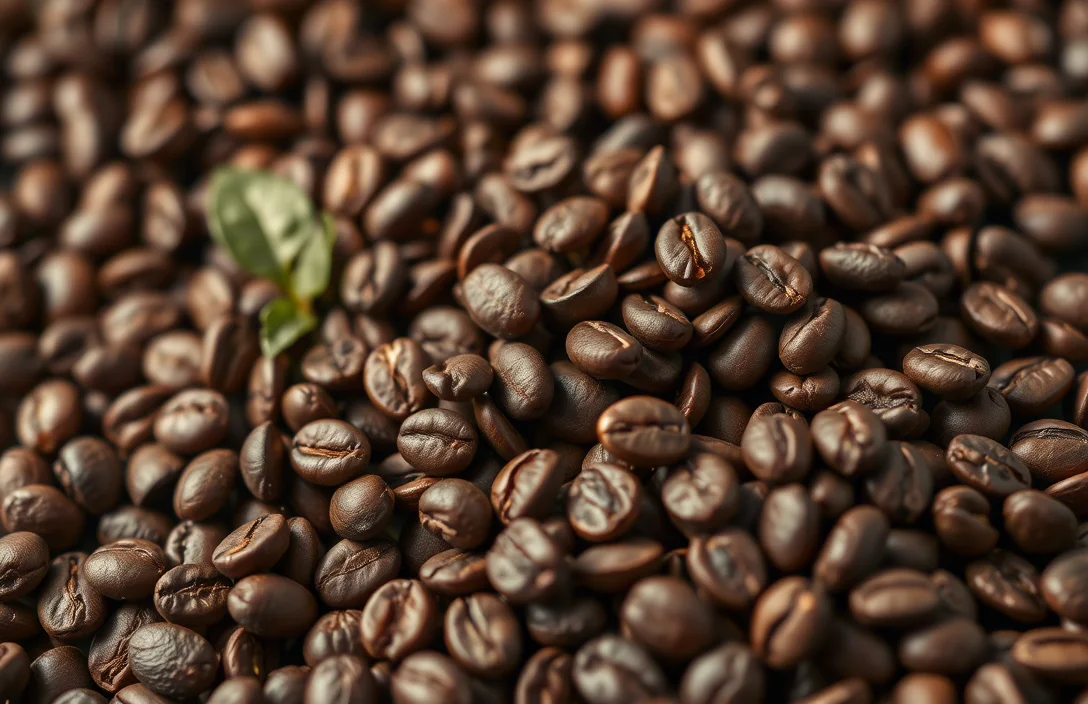
When it comes to crafting the perfect cup of coffee, the debate between fresh and old beans is settled: fresh coffee beans are definitively better.
Whether you are a casual coffee drinker or a dedicated home barista, understanding how roast dates, storage methods, and grinding techniques affect your brew can completely transform your daily cup. This comprehensive guide breaks down everything you need to know about coffee freshness, backed by expert insights and actionable advice.
1. The Impact of Freshness on Your Coffee’s Flavor Profile
Roast-date information matters immediately. Beans taste brightest within days of being roasted because volatile aromatics and carbon dioxide (CO2) peak right then. As CO2 escapes and oxidation alters the bean’s natural oils, flavor clarity, acidity, and single-origin notes begin to weaken.
- The Peak Window: Flavor peaks between 4 to 14 days post-roast, when aromatics and crema potential are at their absolute highest. Brew during this window for maximum single-origin clarity.
- The Decline: Expect a noticeable drop in floral and citrus notes after just one week of storage, followed by significant flatness after several weeks.
- The Aging Effect: Older beans develop muted acidity and rancid oil notes. Tastings overwhelmingly favor beans consumed within their peak freshness window.
2. Shelf Life and How Beans Age
Fresh coffee beans typically last around two weeks to one month after roasting before quality diminishes significantly.
- The Culprits of Aging: Exposure to oxygen, humidity, and light accelerates staling.
- Flavor Shift: Fresh beans offer rich, complex profiles, while older beans taste dull, flat, and less aromatic.
- Staleness: After 3 to 4 weeks, the natural oils in the beans oxidize, leading to rancidity and a stale cup.
Pro Tip: Always check the roast date on the bag. Avoid packages that only list a vague “best by” date. Look for coffee roasted within the last 7 to 14 days.
3. Best Storage Methods for Optimal Freshness
Proper storage is your best defense against oxidation. Follow these rules to lock in flavor:
- Use Airtight Containers: Store your beans in an opaque, sealable canister.
- Control the Environment: Keep your canister in a cool, dark cabinet away from heat, direct sunlight, and humidity.
- Buy Small Quantities: Purchase whole beans in small amounts (250g / 8–12oz) that you can use within 1 to 2 weeks.
- Avoid the Fridge/Freezer: Frequent temperature changes and moisture exposure can ruin your beans.
4. Grinding Techniques: Fresh-Ground vs. Old-Ground
Grinding accelerates staling within minutes by exponentially increasing the surface area exposed to oxygen.
| Feature | Fresh-Ground Coffee | Old-Ground Coffee |
| Aroma | Bright, floral, volatile | Muted, oxidized, flat |
| Acidity | Crisp, lively | Dull, diminished |
| Body | Clean, balanced | Thin or uneven |
| Extraction | Predictable with consistent grind | Uneven; stale oils affect solubility |
- Actionable Advice: Always buy whole beans and grind them immediately before brewing (ideally within 15 minutes) using a quality burr grinder for consistent extraction.
5. Brewing Methods That Enhance Freshness
To truly highlight the vibrant notes of freshly roasted beans, choose brew methods that capture delicate aromatics:
- Pour-Over or AeroPress: These methods lock in bright, volatile aromas.
- Water Temperature & Ratios: Use water at 92–96°C, maintain a 1:15 to 1:17 coffee-to-water ratio, and incorporate a 30–45 second bloom.
- Adjustment for Fresh Beans: For beans roasted within the last week, widen your grind size one step coarser and pour gently to account for high CO2 release.
Frequently Asked Questions
Are fresh coffee beans really better than old ones?
Yes. Fresh beans retain their complex natural flavors and aromatic oils. Over time, oxidation robs the beans of these compounds, resulting in a dull, flat taste.
How can I tell if my coffee beans are fresh?
Fresh beans feature a strong, vibrant aroma and a slightly glossy appearance due to surface oils. If your beans smell paper-like, stale, or lack aroma entirely, they are past their prime.
What is the best way to store coffee beans?
Store whole beans in an airtight, opaque container located in a cool, dark pantry. Avoid heat, light, and moisture at all costs.
Can old coffee beans still be used?
While old beans lose their complex tasting notes and can taste bitter, they don’t necessarily have to go to waste. You can repurpose them for cold brew or baking recipes, where delicate flavor nuances are less critical.

- How to Fix a Portafilter: Size, Locking Mechanism, and Troubleshooting Guide - October 22, 2026
- 35 Coffee Machine Parts and Functions: Complete Guide With Names and Uses - October 22, 2026
- 25 Espresso Machine Parts Names and Their Functions Explained - October 22, 2026