
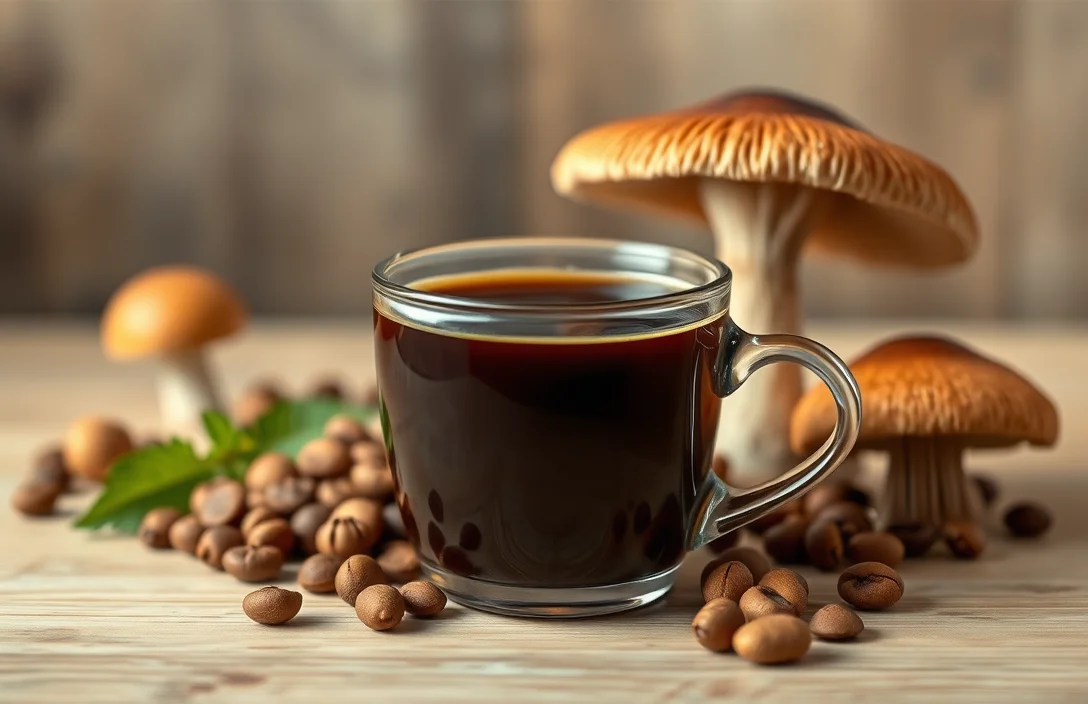
Stand in any health food store today and you will face an entire shelf of mushroom coffee options. The labels all look confident. The claims all sound impressive. But most buyers walk out with a product that does not match what they actually needed, simply because they never knew the right questions to ask.
Are all mushroom coffees the same? Not even close. The species inside the bag, the way compounds are extracted, the caffeine level, where the mushrooms were grown, and how the brand tests its products all create enormous differences between what looks like a similar category of product.
Two bags sitting side by side on the same shelf, both labeled mushroom coffee, can produce completely different results in your body.
This guide explains every factor that separates an effective mushroom coffee from a disappointing one. Read it once and you will know exactly what to look for, what questions to ask, and how to find the right blend for your specific goal.
Types of Mushrooms Used in Blends

The species inside your bag determines everything about what that product does. Different mushrooms work on completely different systems in your body. One blend sharpens focus. Another one calms your nervous system. A third one builds your immune defenses over time. Knowing which mushroom does what is the most important knowledge you can carry into any purchasing decision in this category.
Lion’s Mane for Cognitive Clarity
Lion’s Mane is the most studied mushroom for brain health. It triggers the production of nerve growth factor, a protein your brain uses to maintain and repair neurons. People who use it consistently over four to twelve weeks commonly report sharper memory, clearer thinking, and better sustained focus during mentally demanding work. Its flavor is mild and gently sweet, which makes it one of the easiest mushrooms to enjoy in a daily coffee blend without any strong adjustment period.
Cordyceps for Energy and Performance
Cordyceps improves how efficiently your cells convert oxygen into usable energy. For anyone who exercises regularly, this means better endurance and less fatigue during physical effort. For everyday use, it means more stable energy across the day without the hard crash that follows a standard caffeine spike. People who exercise consistently tend to notice the effect of Cordyceps more quickly than those who are sedentary, but both groups report steadier energy levels compared to regular coffee alone.
Reishi for Stress and Sleep
Reishi is a true adaptogen. Rather than knocking out your stress response or artificially stimulating it, Reishi helps your body regulate itself back to a calm baseline after periods of pressure. It works through pathways that calm nervous system overactivation. Most consistent users begin noticing deeper sleep and lower perceived daily stress somewhere between two and four weeks of regular use. The flavor is the most assertive of the four main species, with a bitter and herbal quality that takes some getting used to.
Chaga for Antioxidant Defense
Chaga grows on birch trees across cold northern forests and carries one of the highest antioxidant concentrations found in any natural food. Inside a mushroom coffee blend, its primary job is protecting your cells from oxidative damage and reducing chronic low grade inflammation. Beyond its functional role, Chaga also happens to taste good. It brings a smooth, slightly rich quality to a blend with background notes of chocolate and vanilla that make it genuinely pleasant to drink even for people who are completely new to functional mushroom products.
Health Benefits
The health benefits inside a mushroom coffee are only as good as the formulation behind them. Some blends are built with a clear goal. Others are built with a marketing goal. The difference between those two things is enormous when the product actually lands in your body. Matching a blend’s specific formulation to your personal health goal is what turns mushroom coffee from an interesting trend into something that actually changes how you feel.
Immune Support Through Beta Glucans
Beta glucans are the specific compounds that drive the immune benefits in mushroom coffee. They are polysaccharides found in high concentrations in Turkey Tail and Maitake mushrooms.
For genuine immune support, the blend you choose needs to be standardized for beta glucan content, not just list mushroom species on the label without specifying concentration. Aim for one to three grams of combined mushroom extract daily. Most people notice fewer minor illnesses and faster recovery from physical stress after four to six weeks of consistent use.
- Look for blends that state beta glucan percentage on the label, as this confirms the product contains measurable active immune compounds rather than trace amounts of mushroom powder with no functional concentration.
Cognitive Support Through Nerve Growth Factors
Lion’s Mane is the primary driver of cognitive benefits in mushroom coffee. It stimulates nerve growth factor and brain derived neurotrophic factor, two proteins that keep neurons healthy and support the brain’s ability to form and retain connections.
Research trials typically use between 500 and 1000 milligrams per day to produce measurable cognitive improvements. The results are gradual rather than immediate. Most people notice clearer thinking and better recall somewhere between four and twelve weeks of daily use, not after the first cup.
Stress Regulation Through Adaptogenic Activity
Adaptogenic blends support your body’s ability to recover from stress rather than simply numbing your awareness of it. Reishi is the core ingredient for this purpose and works best when taken consistently at around one gram per day. The most practical way to assess whether a specific blend is working for you is to track your sleep quality and your perceived stress level across a two to four week window. Small consistent improvements in both measures indicate the blend is working with your individual physiology.
Comparison of Flavor Profiles
Flavor matters more than most people admit when choosing a mushroom coffee. A product you find genuinely unpleasant will get abandoned before it has time to work. A product you actually enjoy becomes a daily habit. Getting the flavor right for your palate is not a secondary consideration. It is directly connected to whether you will use the product consistently enough to experience any of the benefits it promises on the label.
Earthy and Bitter Notes from Reishi
Reishi produces the strongest and most immediately noticeable flavor in any mushroom coffee blend it appears in. The taste is deeply bitter and herbal, often compared to a concentrated medicinal tea rather than a conventional beverage. Paired with a bold dark roast, this bitterness can work well because the two share a similar intensity. Paired with a lighter, more delicate coffee base, it can feel overwhelming. First time mushroom coffee drinkers should approach Reishi dominant blends with the expectation of an adjustment period before the flavor becomes something they genuinely want to drink.
Smooth and Mild Notes from Lion’s Mane and Chaga
Lion’s Mane and Chaga are the most beginner friendly mushrooms in terms of taste. Lion’s Mane adds a subtle sweetness that blends almost invisibly into most coffee bases. Chaga contributes a smooth body with faint chocolate and vanilla undertones that most people find genuinely enjoyable from the first cup. Blends centered on these two species are consistently the most popular starting point for people new to mushroom coffee because they require the least adjustment from a standard coffee drinking experience. The transition feels natural rather than forced.
How Brewing Method Shapes the Cup
Brewing technique changes the taste of a mushroom coffee more than most people expect. French press keeps all the oils and solids in contact with the brew, which brings out the deepest and richest expression of mushroom flavor, particularly for Reishi and Chaga based blends. Pour over produces a noticeably cleaner and brighter result that lets the more delicate sweetness of Lion’s Mane come through clearly. Cold brewing for twelve to sixteen hours softens bitterness and earthy tones considerably, making it the most practical option for anyone who finds hot brewed Reishi blends too intense to enjoy regularly.
Variations in Caffeine Content
Caffeine content across mushroom coffee products varies far more than most buyers realize before their first purchase. Some blends deliver a caffeine level close to a standard espresso. Others contain so little caffeine that they function more like an herbal supplement that happens to taste like coffee. Understanding where a product sits on that spectrum before you buy it prevents a lot of disappointment and wasted spending on something that either overstimulates you or does nothing noticeable at all.
How the Coffee Base Sets the Caffeine Level
The type of coffee used as the base of a mushroom blend is the biggest single driver of caffeine content. Arabica beans produce a smoother, more nuanced flavor and deliver lower caffeine. Robusta beans are stronger in taste and contain nearly double the caffeine of Arabica per gram. Some mushroom coffee products skip caffeinated coffee entirely and use chicory root or other plant bases, producing a completely caffeine free product that still delivers the functional mushroom compounds. The ingredient list tells you exactly which category a product falls into.
How Roast Level Changes Caffeine
Roast level creates real but modest caffeine differences between blends that use the same base bean. Lighter roasts hold onto slightly more caffeine because the roasting process breaks caffeine down gradually with heat over time. Dark roasts therefore deliver a small amount less caffeine per gram than light roasts from the same origin and variety. This difference is considerably smaller than the gap between Arabica and Robusta, but it is a useful detail when you are comparing two blends that both use the same base bean and you want the lower caffeine option.
How Adaptogenic Mushrooms Change the Caffeine Experience
Two blends with identical caffeine measurements can feel noticeably different to drink because of the mushrooms present in the formula. Reishi has a well documented calming effect on the nervous system that reduces the sharp edge of caffeine stimulation. This is why mushroom coffee consistently feels smoother and more sustainable to most people compared to a standard coffee with the same caffeine content. The adaptogenic mushrooms are not reducing the caffeine but they are changing how your body responds to it, which produces a genuinely different physical experience rather than a placebo effect.
Differences in Brand Quality

Brand quality in mushroom coffee spans an enormous range, and the price tag is one of the least reliable indicators of where any particular product falls on that range. Some of the most heavily marketed products on the market contain minimal active compounds and no credible third party verification. Some smaller and more modestly priced brands produce genuinely excellent formulations with full testing transparency. The only way to tell the difference is to know what to look for and where to look for it.
Reading Certificates of Analysis
A Certificate of Analysis is a lab document that shows what is actually inside a product batch. It covers mushroom species verification, beta glucan concentration, heavy metal content, pesticide residue levels, and microbial safety counts. This document is the most reliable quality signal available in the mushroom coffee market. Brands that publish batch specific Certificates of Analysis openly on their website without requiring you to ask for them are demonstrating real confidence in their product. Brands that make this documentation hard to find or unavailable entirely are communicating something important about their priorities.
Understanding Extraction Methods
Extraction method determines how much of the mushroom’s active compounds actually make it into your cup. Dual extraction uses both hot water and alcohol to pull the full range of beneficial compounds out of the mushroom material. Hot water captures the polysaccharides including beta glucans that drive immune effects. Alcohol captures the triterpenes that produce adaptogenic and stress regulating effects. A product that uses only hot water extraction is leaving a significant portion of the mushroom’s active compounds behind. This distinction is rarely highlighted by brands using inferior methods, which makes it one of the most important things to check independently.
Sourcing Transparency and Supply Chain
Where mushrooms are grown and on what substrate directly affects the concentration of active compounds in the final product. Mushrooms cultivated on natural wood in conditions that match their native growing environment consistently produce higher beta glucan concentrations than those grown on grain substrates in commercial indoor facilities. Brands that disclose specific sourcing details including country of origin, cultivation substrate, and growing conditions are demonstrating genuine transparency. Generic phrases like premium sourced or carefully selected mushrooms without any supporting specifics are marketing language that substitutes for meaningful information.
Organic vs Non Organic Mushroom Coffees
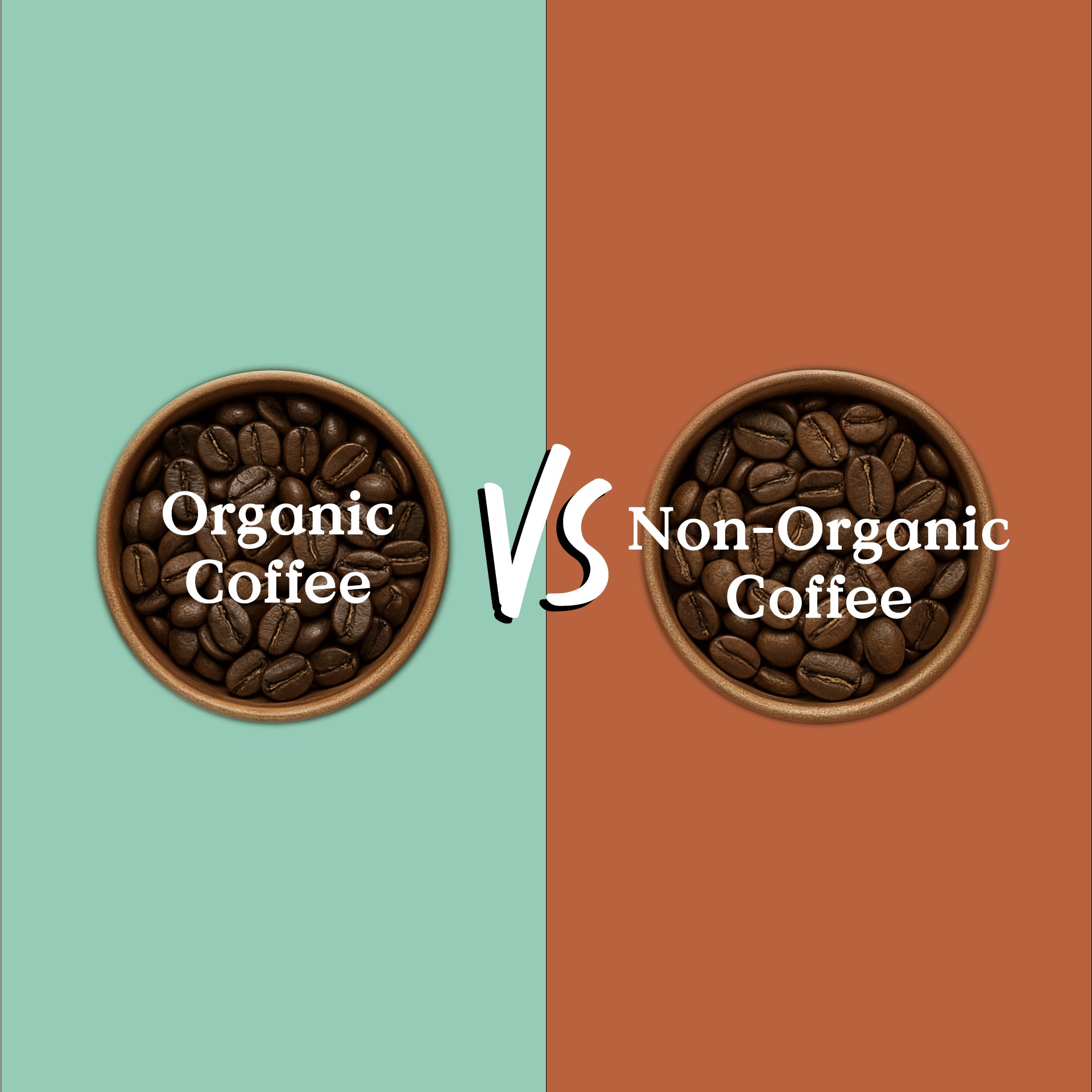
The organic question deserves more careful thought in mushroom coffee than it does in most food categories. Mushrooms are exceptionally efficient at absorbing compounds from whatever they grow in or on. This biological characteristic means that cultivation practices have a more direct and measurable effect on what ends up in your cup than they do with most other ingredients. Whether you ultimately choose organic or non organic, understanding what each choice actually guarantees helps you make a decision based on real information rather than assumption or label design.
What Organic Certification Actually Means
USDA organic certification on a mushroom coffee confirms that the mushrooms were grown without synthetic pesticides or chemical fertilizers and that the supply chain meets regulated organic handling standards from cultivation through to final packaging. This certification requires annual third party audits, which makes it a more reliable quality signal than self applied claims about being natural or clean. One important limitation is that organic certification does not verify beta glucan concentration or extract potency. It tells you what the product avoids rather than confirming how much of the active compounds it actually contains.
When Non Organic Can Still Be the Right Choice
A non organic mushroom coffee with comprehensive third party lab testing documentation is demonstrably safer and more verifiably potent than a certified organic product that publishes no testing results at all. Organic certification confirms what cultivation standards were used. Independent lab testing confirms what the finished product actually contains. Both signals together represent the strongest possible quality assurance. When budget forces a choice between the two, a non organic product with publicly available batch specific testing documentation provides more actionable safety information than an organic label alone without supporting lab data.
How to Compare Value Across Both Categories
Comparing the value of organic and non organic mushroom coffees by price per serving almost always leads to a poor decision. A more useful comparison is cost per gram of verified beta glucan content. This calculation tells you what you are actually paying for the active immune compound rather than the packaging, the branding, or the certification cost. A premium organic product with low verified beta glucan concentration delivers less functional value than a mid priced non organic product with higher independently confirmed active compound levels, regardless of which label looks more appealing on the shelf.
Frequently Asked Questions
Are all mushroom coffees the same?
No. The differences between products go well beyond branding. Species selection, extraction method, beta glucan concentration, caffeine base, sourcing practices, and third party testing standards all vary dramatically from one product to the next. Two bags with similar labels can produce completely different outcomes. Always check the species list, the extraction method, and whether the brand publishes a Certificate of Analysis before buying.
Which mushroom works best for focus?
Lion’s Mane has the strongest research support for cognitive function. It stimulates nerve growth factor production which supports neuron health and mental clarity over time. Look for blends containing 500 to 1000 milligrams of Lion’s Mane extract with a stated standardization for active compounds. Results build gradually over four to twelve weeks of daily use rather than appearing after a single serving.
How much caffeine is in mushroom coffee?
It varies widely depending on the base used. Chicory based blends contain near zero caffeine. Robusta based blends can match or exceed a standard espresso. Arabica based blends sit in the moderate range. Adaptogenic mushrooms like Reishi change how caffeine feels in your body by softening the stimulant effect, even when the measured caffeine content is similar to regular coffee.
What is dual extraction and does it matter?
Dual extraction matters significantly. It uses both hot water and alcohol to capture the full range of active mushroom compounds. Hot water extraction captures beta glucans for immune support. Alcohol extraction captures triterpenes for adaptogenic effects. Products using only hot water cannot deliver the full benefit range their label describes. This is one of the most important details to confirm before purchasing any mushroom coffee.
Is organic mushroom coffee worth paying more for?
Organic certification is meaningful because mushrooms absorb compounds from their substrate so readily. It confirms cleaner cultivation practices and reduces pesticide exposure risk. However, it does not confirm potency or beta glucan content. A non organic product with rigorous batch specific third party testing can be a better choice than an organic product with no published lab data. Ideally look for both certification and independent testing documentation together.
How do I know if a brand is trustworthy?
Trustworthy brands publish batch specific Certificates of Analysis openly on their website. They name mushroom species by scientific name, state the extraction method clearly, disclose sourcing details including growing substrate and country of origin, and offer responsive customer support. Brands that lead with celebrity endorsements, dramatic transformation claims, and vague ingredient descriptions rather than transparent technical documentation are consistently the least reliable options in this market.
Can mushroom coffee fully replace regular coffee?
Many people make the switch successfully, particularly with Arabica based blends that include Cordyceps for sustained energy support. The transition tends to feel smoother than switching to decaf because adaptogenic mushrooms help regulate energy more evenly across the day. If caffeine sensitivity or anxiety is a concern, starting with a lower caffeine or caffeine free mushroom base is a practical first step before committing to a full daily replacement of your regular coffee routine.

- How to Fix a Portafilter: Size, Locking Mechanism, and Troubleshooting Guide - October 22, 2026
- 35 Coffee Machine Parts and Functions: Complete Guide With Names and Uses - October 22, 2026
- 25 Espresso Machine Parts Names and Their Functions Explained - October 22, 2026