
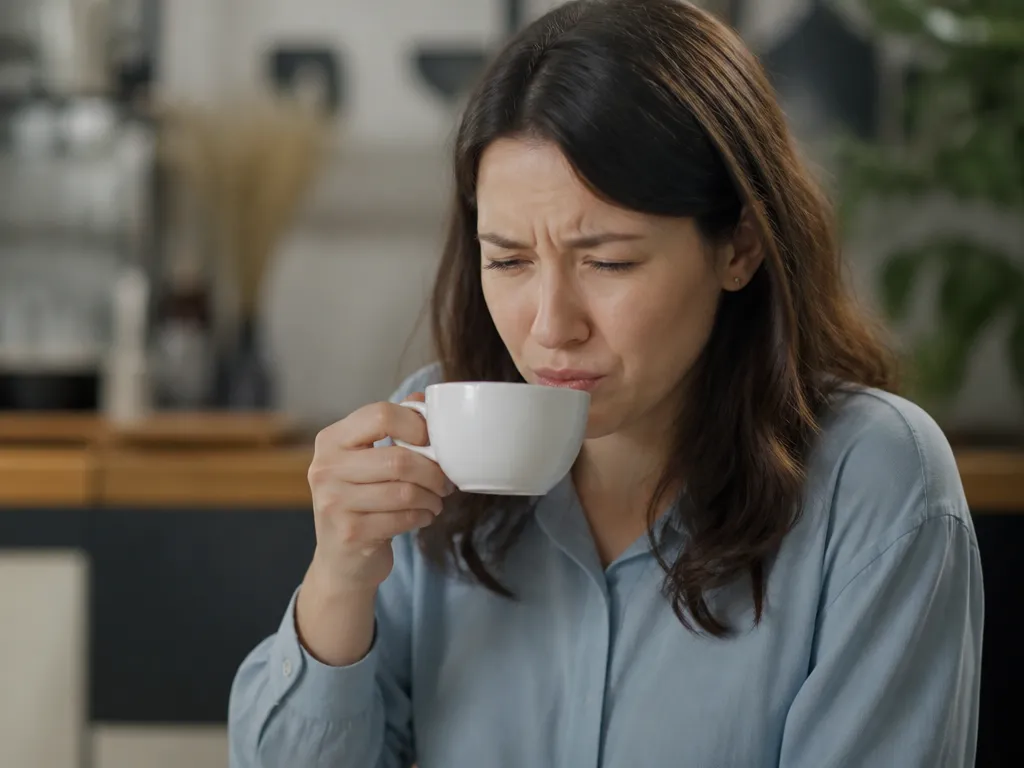
Bitter coffee usually comes from an extraction imbalance. Water pulls too many harsh compounds when the grind is too fine, the brew runs too long, or the water is too hot. Coffee can also taste bitter when it is under-extracted: without enough sweetness to balance its acidity, a sharp, thin cup may seem bitter as it cools.
The fastest fix is to change one variable at a time, starting with grind size and brew time.
Key Takeaways
- Over-extraction is the most common cause. Water that is too hot, contact time that is too long, or a grind that is too fine can pull more bitter compounds.
- Sour coffee can seem bitter later. Under-extracted coffee often tastes sharp at first, then more bitter as it cools.
- Roast level affects bitterness. Darker roasts usually have stronger bitter or smoky flavors.
- Grind size controls extraction. A finer grind and longer contact time increase the risk of bitterness.
- Water affects the cup. Mineral balance, taste, and temperature all influence extraction.
- Tune one variable at a time. Adjust grind and brew time first, then revisit water and temperature.
Why Does Coffee Taste Bitter After Brewing?
Coffee can taste more bitter after brewing because harsh flavors become easier to notice as the cup cools. If coffee remains in contact with grounds, as it does in a French press, extraction also continues until you separate the grounds from the liquid. In a drip machine, most extraction happens as water flows through the grounds, but the coffee can still taste less balanced after sitting for several minutes.
Bitterness can also signal a missing flavor balance. An under-extracted brew may lack enough sweetness to soften its acidity, while an over-extracted brew may contain too many dry, harsh compounds. Both can register as bitter, even though the brewing problems are opposite.
Over-Extraction: Too Hot, Too Long, Too Fine
Over-extraction usually comes from water that is too hot, contact time that is too long, a grind that is too fine, or a combination of those factors. A fine grind gives water more surface area to work on and can slow the flow, allowing more harsh compounds into the cup.
Heat, time, and grind size work together. If you grind finer to get more flavor, you may need a shorter brew. If you extend brew time to make the coffee stronger, you may need a coarser grind. Changing one setting without accounting for the others can push the brew further into over-extraction.
A useful test is to brew the same beans while changing only the grind size or brew time. A finer grind and longer contact time generally move the cup toward bitterness. A coarser grind and shorter contact time move it toward a brighter, lighter flavor. The goal is to stop in the range where sweetness and acidity remain balanced.
Common causes of over-extraction include:
- A very fine grind, especially for pour-over and immersion methods
- Long contact time from steeping too long or slow draining
- Water that is hotter than your usual brewing temperature
- Reusing the same grounds or running a brew cycle multiple times
Under-Extraction: Sour Notes That Turn Bitter
Under-extraction occurs when water does not pull enough flavor and sweetness from the grounds. The coffee may taste sharp, sour, or thin at first. As it cools, its acidity can seem more pronounced, and the lack of sweetness may make the cup read as bitter.
“Bitter” is sometimes an imprecise description for this problem. A coffee caught between sour and bitter often has an unpleasant edge because its acids are not balanced by enough sweetness. Uneven extraction can create the same impression, with some grounds contributing sour flavors and others contributing harsher ones.
Look for these signs of under-extraction:
- The coffee has little sweetness, even if its flavor feels intense.
- It tastes sharp or tangy before it tastes bitter.
- A slightly longer brew or finer grind makes it taste better rather than harsher.
If bitter coffee also tastes thin or sour, extract a little more instead of less. Make the change gradually. A small increase in contact time or a slightly finer grind may add sweetness, while a large adjustment can overshoot into over-extraction.
How Beans and Roast Level Affect Bitterness
Bean origin, freshness, processing, and roast level all affect bitterness, even when the brewing technique is consistent. Roast level is the clearest general factor. Darker roasts usually taste more bitter because deeper roasting produces stronger roast flavors that can come across as bitter, smoky, or dry.
Freshness matters too. Coffee that is too old often tastes flat or harsh, and drinkers frequently describe that harshness as bitterness. Fresh beans can taste intense or sharp, but when they are properly extracted, they usually show clearer sweetness and less dryness.
Processing and roast development also shape the balance. Medium roasts often make sweetness and fruit-like flavors easier to notice. Lighter roasts can be more acidic, and an under-extracted light roast may taste sharp enough to be mistaken for bitterness as it cools.
Use these clues when deciding what to change:
- If bitterness appeared after you changed beans, check the roast level and freshness before blaming your grinder.
- If bitterness appears with every bean, focus on grind size, temperature, brew time, and water.
- If the coffee tastes smoky or dry even after careful brewing, the roast itself may be the main source of the bitterness.
Grind Size and Brew Ratio for Balanced Flavor
Grind size is the quickest brewing variable to adjust. A grind that is too fine slows the flow or increases contact time, raising the risk of over-extraction and bitterness. A grind that is too coarse extracts less and can produce the sour edge associated with under-extraction.
Brew ratio affects perceived bitterness by changing both concentration and balance. A stronger brew made with more coffee and less water can taste bitter even when extraction is correct because every flavor becomes more concentrated. A weaker brew can also seem bitter if its sweetness fades and the harsher notes remain.
Consistency makes troubleshooting possible. Without measuring, a slightly finer grind, longer pour, or larger dose can change the cup from one brew to the next. Measuring your ratio and timing your workflow helps you distinguish a genuinely bitter coffee from one that simply changed because the process drifted.
Use these as starting points, then adjust to taste:
- Pour-over: Start slightly coarser than you might expect if the coffee drains slowly, since extended contact can increase extraction.
- Espresso: Bitterness often points to a grind that is too fine or a shot that runs too long. Channeling and inconsistent puck preparation can also create uneven flavors.
- French press: A grind that is too fine or leaving the coffee in contact with the grounds too long can increase bitterness.
Treat grind size and brew ratio as a pair. If you grind finer for more body, you may need a shorter brew or a ratio that gives the cup more room to balance. Keeping the ratio constant while adjusting only the grind makes each result easier to interpret.
Water Quality and Brew Temperature Impacts
Water carries the compounds that create coffee’s flavor, so its chemistry affects both extraction and taste. Very soft, flat, heavily chlorinated, or otherwise unpleasant-tasting water can make coffee taste dull or amplify harsh notes.
Temperature is another major variable. Hotter water extracts more quickly and can pull more bitter compounds, particularly when the grind is fine or contact time is long. Cooler water can leave the coffee under-extracted, producing a sharp cup that may seem more bitter as it cools.
You do not need lab-grade water to improve your coffee. You need water that tastes clean and behaves consistently. A kettle that varies substantially in temperature, a different filter, or a new water source can change the extraction even when the beans and grind stay the same.
Two practical rules work well in typical US kitchens:
- Use a consistent brewing temperature for each method.
- Use water that tastes clean to you. If your tap water tastes off, the coffee will usually taste worse.
To test water, keep the beans, grind, dose, and brew time the same while changing only the water source or filtration. If the bitterness changes, the water was part of the problem.
How to Fix Bitter Coffee in Your Brew
Start by deciding whether the cup is dry and harsh or thin and sour. The right fix for over-extraction is the opposite of the right fix for under-extraction.
Use this decision flow:
- Bitter, dry, and harsh with no sour edge: You are probably over-extracting.
- Bitter after sour or thin flavors, with little sweetness: You are probably under-extracting.
- Bitter in only one brewing method: Adjust that method’s grind, flow, or contact time first.
Make the smallest change you can manage.
A practical tuning
- For over-extraction: Make the grind coarser by a small step or shorten the brew time.
- For under-extraction: Make the grind slightly finer or extend the brew time.
- When temperature is suspect: Lower it a little and keep it consistent.
- When bitterness remains despite technique changes: Try a different water source or better filtration.
- When the beans are old or very dark: Adjust your expectations and tune carefully instead of trying to force more sweetness from the brew.
If a pour-over tastes bitter, do not change every setting at once. Coarsen the grind slightly and aim for faster flow without creating channeling. If the bitterness remains, shorten the brew time a little. If the coffee then tastes sour, you went too far and need slightly more extraction through a finer grind or longer brew.
For quick, measurable progress, track two things: dose and time, or dose and flow. Dose anchors the brew ratio, while time gives you an extraction reference. Once those stay consistent, changes to grind, water, and temperature become much easier to evaluate.
FAQ
Why does my coffee taste bitter even when I follow the recipe?
A recipe cannot account for grind drift, changing water temperature, or contact time that is longer than expected. If your grind is finer than before, extraction rises. If a pour-over drains more slowly or coffee sits longer before you drink it, bitterness can become more noticeable as the cup cools.
Does dark roast coffee taste more bitter than light roast?
Dark roast often tastes more bitter because its roast flavors are stronger and may come across as bitter or smoky, even when extraction is correct. Light roasts can taste sharp when under-extracted, so whether you call the flavor sour or bitter depends on the roast and the brewing problem.
How long should coffee steep before it gets bitter?
Steeping too long pushes most methods toward over-extraction, and bitterness generally rises as contact time increases. The exact time depends on grind size and dose, but if the coffee tastes harsh, reduce contact time before trying to grind finer.
What is the quickest fix for bitter coffee at home?
Change one variable. If the coffee tastes harsh and dry, grind a little coarser or shorten the brew time. If it tastes sour or thin before becoming bitter, grind a little finer or extend the brew time slightly. Make one adjustment per attempt so you can tell what corrected the problem.
Can water temperature or water quality make coffee taste bitter?
Yes. Hotter water can increase extraction and push the cup toward bitterness, especially with a fine grind or long contact time. Poor-tasting water, including heavily chlorinated water, can also amplify harsh flavors and make bitterness seem stronger.

- Unlocking the Venti: Discover the Perfect Shot Count for Your Drink - October 13, 2026
- Unpacking the Buzz: Caffeine Levels in Café Bustelo Espresso - October 13, 2026
- How to Fix Bitter Coffee: 10 Expert Ways to Improve the Taste - October 4, 2026