
Your pour over coffee is likely bitter due to over-extraction from too fine a grind, excessive brew time, or high water temperature.
If you've ever experienced the disheartening taste of a bitter pour over coffee, you're not alone. Many coffee enthusiasts, from beginners to seasoned home baristas, encounter this common challenge. As someone who has spent years perfecting the craft of pour over brewing, I understand the frustration that comes with a perfectly executed pour yielding an unexpectedly harsh cup. This comprehensive guide aims to demystify why your pour over coffee is bitter and equip you with the knowledge and practical tips to consistently brew a deliciously balanced cup. We'll delve into the science behind bitterness and explore every variable that could be turning your beloved pour over coffee into a less-than-pleasant experience.
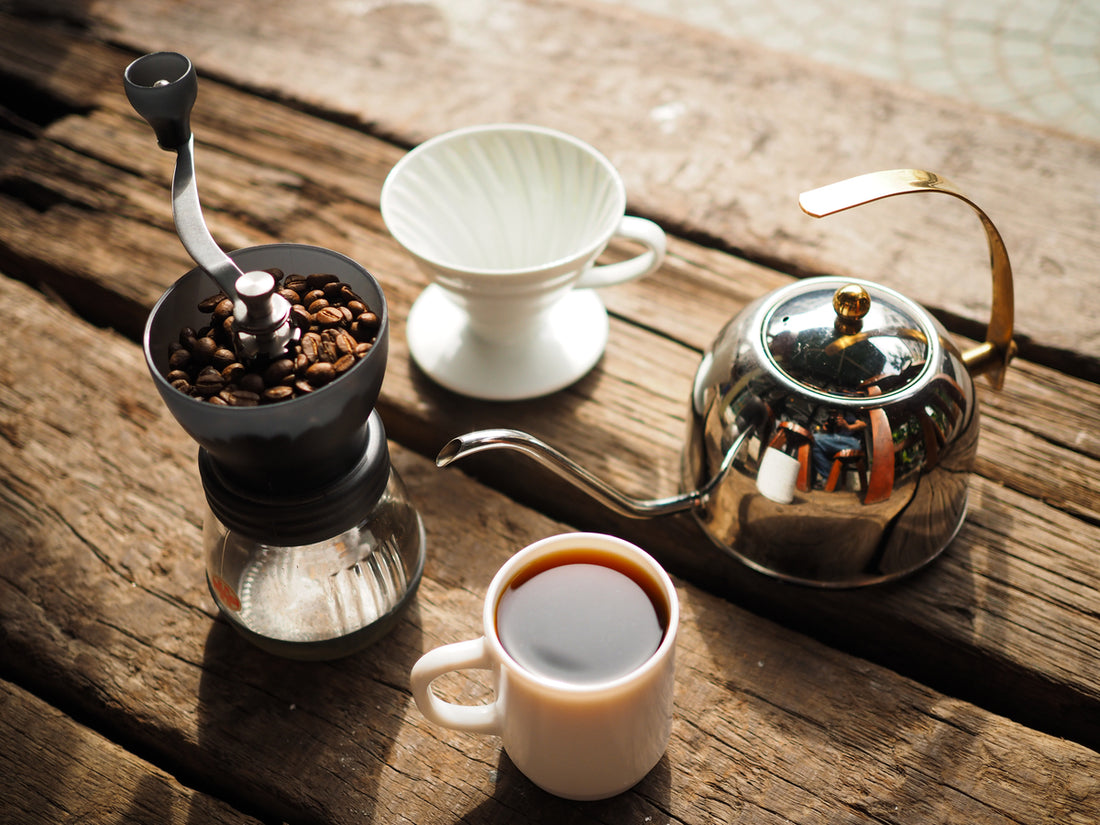
Understanding Bitterness in Coffee
Bitterness is one of the five basic tastes, and while a slight bitterness can add complexity to coffee, an overwhelming, unpleasant bitterness often signals an issue with the brewing process. When your pour over coffee is bitter, it typically indicates over-extraction, meaning too many undesirable compounds have been pulled from the coffee grounds. These compounds include chlorogenic acid lactones and phenolic compounds, which are extracted later in the brewing cycle.
The Science of Bitterness
Coffee extraction is a sequential process. First, acids and fruity notes are extracted, followed by sugars and balanced flavors, and finally, bitter compounds. If the water spends too much time with the coffee, or if the conditions are too aggressive, you end up extracting more of these bitter compounds than desired. This is why understanding the extraction curve is crucial to preventing a bitter pour over.
Common Causes of Bitter Pour Over Coffee
Pinpointing why your pour over coffee is bitter often involves a process of elimination. The primary culprits usually revolve around the grind size, water temperature, brew time, and pouring technique. Each of these elements plays a significant role in how efficiently the flavors are extracted from your coffee grounds. By systematically addressing these factors, you can dramatically improve the taste of your pour over.
:max_bytes(150000):strip_icc()/__opt__aboutcom__coeus__resources__content_migration__serious_eats__seriouseats.com__images__2014__06__20140619-pourover-wetting-26fe692b24a7437fb429947e008e4407.jpg)
The Grind: A Crucial First Step
The size of your coffee grounds is perhaps the most critical factor influencing extraction and, consequently, whether your pour over coffee is bitter. It dictates the surface area exposed to water and how quickly water flows through the coffee bed. Getting this wrong is a very common reason why your pour over coffee is bitter.
Too Fine a Grind
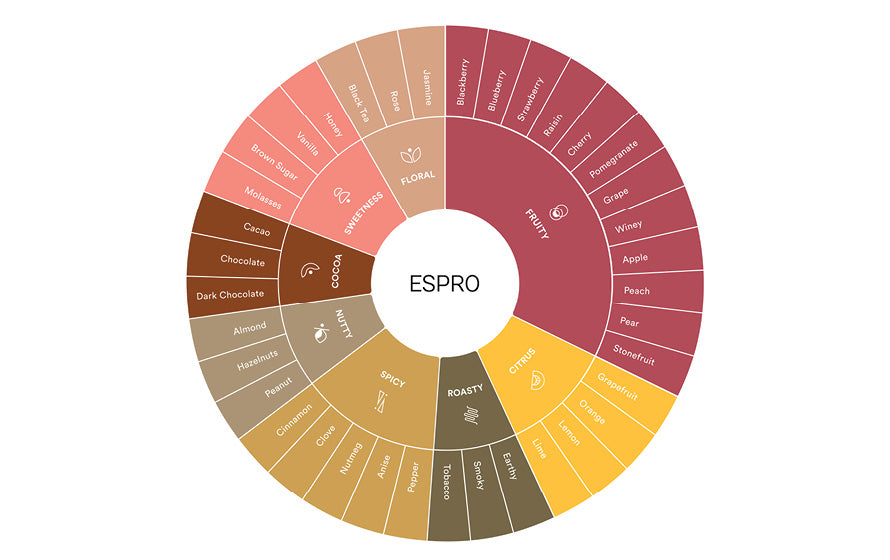
When your coffee grounds are too fine, they offer an excessively large surface area for water to interact with, leading to rapid over-extraction. This quick extraction pulls out a disproportionate amount of bitter compounds, resulting in a harsh and astringent taste. Think of it like trying to get too much flavor out of tea leaves by steeping them for too long; the result is an intensely bitter brew. From my personal experience, a common mistake for beginners is using an espresso grind for pour over, which almost guarantees a bitter cup.
Inconsistent Grind
An inconsistent grind, often produced by blade grinders, creates a mix of very fine particles (fines) and coarser chunks. The fines will over-extract almost instantly, contributing significantly to bitterness, while the coarser particles might under-extract, leaving your coffee tasting both bitter and weak. For a consistently delicious pour over, a high-quality burr grinder that produces uniform particles is indispensable. This uniformity ensures even extraction and helps prevent your pour over coffee from becoming bitter.
Water Temperature: Striking the Right Balance
Water temperature significantly impacts the rate and efficiency of extraction. Using water that is too hot or too cold can lead to an unbalanced and often bitter pour over coffee. The ideal temperature range is critical for optimal flavor development.
Over-extraction with Hot Water
Water that is too hot (above 205°F or 96°C) can accelerate the extraction process, stripping desirable flavors too quickly and pulling out bitter compounds prematurely. This can make your pour over coffee taste burnt or unpleasantly bitter. It's akin to cooking food on too high a heat; you might burn the outside before the inside is properly done. I've often seen people rush the water from the kettle directly to the brewer, bypassing the brief cooling period, which invariably leads to a bitter brew.
Under-extraction with Cool Water
Conversely, water that is too cool (below 195°F or 90°C) results in under-extraction, where not enough flavor is dissolved from the grounds. While this usually leads to a sour or weak taste, it can sometimes present as a flat, uninspired bitterness if the extraction is severely unbalanced. For a properly extracted pour over coffee, aim for water between 195°F and 205°F (90-96°C). Using a kettle with temperature control is a game-changer for consistency.

Brew Time and Technique: Mastering the Pour
The total time water is in contact with the coffee grounds, alongside your pouring method, are crucial determinants of flavor. Errors in either can explain why your pour over coffee is bitter. Every pour-over enthusiast learns that patience and precision are key.
Prolonged Contact Time
If your brew time is too long, the water continues to extract compounds from the coffee grounds well past the point of optimal flavor. This extended contact inevitably leads to the dissolution of more bitter compounds, making your pour over coffee taste harsh and astringent. Factors like a very fine grind or a clogged filter can contribute to an overly long brew time. For most pour over brewers, an ideal brew time typically falls between 2:30 and 4:00 minutes.
Poor Pouring Technique
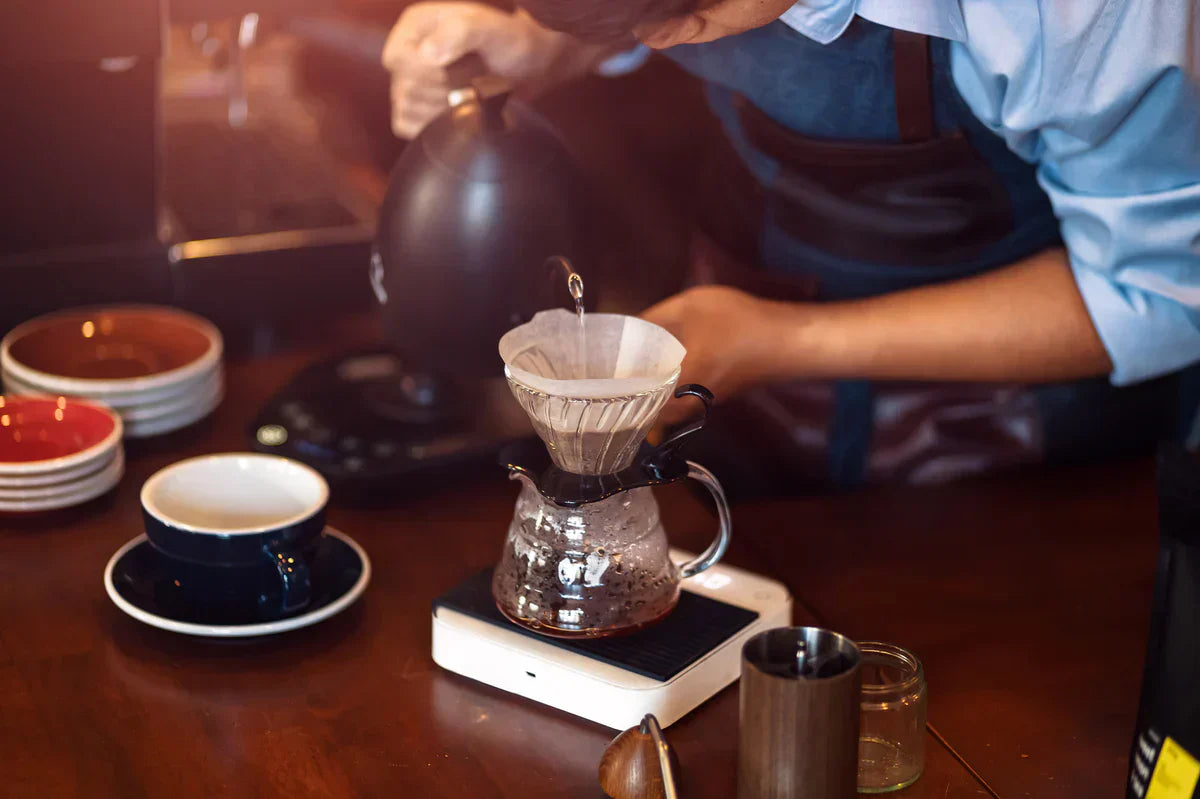
An inconsistent or overly aggressive pour can disrupt the coffee bed, creating channels or uneven saturation. This leads to both under-extracted and over-extracted areas within the same brew, resulting in a complex bitterness. A slow, steady, spiral pour ensures even saturation and extraction, preventing localized over-extraction that makes your pour over coffee bitter. I've learned that pouring too fast can kick up fines and lead to an uneven bed, causing channeling and a bitter taste.
Turbulence and Fines Migration
Excessive turbulence caused by a high, forceful pour can agitate the coffee bed too much, causing fine particles to migrate to the bottom of the filter. These "fines" then clog the filter, increasing contact time and leading to over-extraction and bitterness. A gentle, controlled pour minimizes this effect, helping to ensure your pour over coffee maintains its intended flavor profile.
:max_bytes(150000):strip_icc()/Web_1500-SEA-kalita-wave-pour-shot-jesse-raub-01-d4e2aa9b3a574c44abca52742a2874a4.jpg)
Water Quality: An Unsung Hero
The quality of your water is often overlooked, yet it plays a significant role in the taste of your coffee. Just as a chef wouldn't use poor-quality ingredients, a barista shouldn't overlook the foundation of their brew. Inferior water can be a subtle but significant reason why your pour over coffee is bitter.
Mineral Content and pH
Water with too much hardness (high mineral content) or an imbalanced pH can interfere with the extraction process. Hard water may hinder proper extraction, while water that is too alkaline can over-extract bitter components. Conversely, overly soft water might lead to an overly acidic or flat taste. The ideal water for coffee brewing has a balanced mineral content and a neutral pH.
Filtered vs. Tap Water
Using filtered water, especially through a charcoal filter, can remove chlorine, sediment, and other impurities that can impart off-flavors or contribute to bitterness. Tap water, depending on your location, can contain a variety of dissolved solids and chemicals that negatively impact your pour over coffee. In my early days, I always wondered why my coffee tasted different at home compared to my favorite cafe, and often it came down to inconsistent water quality.

Coffee Bean Quality and Roast Level
Even with perfect technique, the quality and characteristics of your coffee beans themselves can make your pour over coffee bitter. Not all beans are created equal, and their journey from farm to cup significantly impacts their flavor.
Over-roasted Beans
Dark-roasted coffees, especially those roasted beyond a certain point, contain more bitter compounds and can have a distinct "roasty" or charcoal flavor. While some prefer this profile, it can easily translate into an unpleasantly bitter pour over if not brewed carefully. Lighter and medium roasts tend to highlight more nuanced flavors and are generally less prone to tasting bitter.
Stale Coffee Beans
Coffee beans are at their peak flavor within a few weeks of roasting. As beans age, they lose their aromatic oils and develop a flatter, sometimes stale or bitter taste. Using freshly roasted beans ensures a vibrant and flavorful cup, minimizing the risk of a bitter pour over. Always check the roast date on your coffee bag.
Low-Quality Beans
Beans that are of lower quality, or have defects, can inherently carry bitter, rubbery, or unpleasant notes regardless of how perfectly they are brewed. Investing in high-quality, specialty-grade coffee beans is one of the most impactful steps you can take to prevent a bitter pour over coffee and ensure a delicious brew.
:max_bytes(150000):strip_icc()/GettyImages-1924002437--ArtRachen01-853e905a013b442183aa45989059adcf.jpg)
Equipment Cleanliness: Often Overlooked
It might seem minor, but the cleanliness of your brewing equipment can subtly yet significantly affect the taste of your pour over coffee. Residue buildup is a common, silent culprit.
Residue Buildup
Over time, coffee oils and mineral deposits can accumulate in your pour over dripper, server, and kettle. These residues can become rancid and impart off-flavors, including an unpleasant bitterness, to subsequent brews. Regular cleaning with appropriate coffee equipment cleaner is essential. A simple rinse isn't enough; periodically deep cleaning all components that come into contact with coffee will ensure your pour over coffee tastes clean and vibrant.
Troubleshooting Your Bitter Pour Over Coffee
When your pour over coffee is bitter, it's an opportunity to learn and refine your craft. Don't be discouraged; instead, approach it like a detective solving a delicious mystery.
A Step-by-Step Approach
To troubleshoot, isolate one variable at a time.
- Adjust Grind Size: If your coffee is bitter, try making your grind slightly coarser. This will reduce the surface area and slow down extraction.
- Check Water Temperature: Use a thermometer to ensure your water is within the ideal 195-205°F (90-96°C) range. A temperature-controlled kettle is highly recommended.
- Monitor Brew Time: Aim for a total brew time between 2:30 and 4:00 minutes. If your coffee is bitter and the brew time is longer, your grind might be too fine.
- Refine Pouring Technique: Practice a slow, steady, circular pour to ensure even saturation. Avoid aggressive pours that disturb the coffee bed.
- Evaluate Water Source: Consider using filtered water or a specific mineral water blend designed for coffee.
- Inspect Coffee Beans: Ensure your beans are freshly roasted (within 2-4 weeks) and high quality. Consider a lighter roast.
- Clean Your Equipment: Thoroughly clean your dripper, server, and other equipment to remove any old coffee oils or residues.
By making small, incremental changes and tasting the results, you'll quickly identify the root cause of why your pour over coffee is bitter.
My Personal Journey: Learning from Mistakes
When I first started my pour-over journey, I consistently battled with bitter coffee. I vividly remember countless mornings where my eagerly anticipated cup would deliver a sharp, acrid punch instead of the nuanced flavors I craved. My biggest mistake was assuming a "medium" grind from my inexpensive blade grinder was sufficient, and not paying attention to my water temperature. It took weeks of frustration, experimenting with different grind settings, investing in a good burr grinder, and finally getting a thermometer for my kettle to unlock the secret. The moment I tasted a balanced, sweet pour over, I realized the immense impact of these seemingly small details. That experience taught me the importance of precision and patience, and that every bitter pour over is a learning opportunity.
Frequently Asked Questions of why is my pour over coffee bitter
Can filter paper affect the bitterness of my pour over?
Yes, the type and quality of your filter paper can have a subtle impact. Some bleached papers might impart a papery taste if not rinsed thoroughly, and certain filter materials might affect flow rate, leading to extended contact time and bitterness.
How do I know if my coffee is over-extracted versus under-extracted?
Over-extracted coffee tastes bitter, astringent, hollow, or roasty, sometimes feeling dry in the mouth. Under-extracted coffee, on the other hand, typically tastes sour, weak, watery, or salty.
Is it normal for pour over coffee to have some bitterness?
A slight, pleasant bitterness can add complexity and depth to pour over coffee, especially with darker roasts. However, an overwhelming or harsh bitterness indicates an issue with brewing, suggesting over-extraction.
Can old coffee cause bitterness in pour over?
Yes, old or stale coffee beans can contribute to bitterness. As coffee ages, it loses desirable volatile compounds and can develop a flat, sometimes bitter, or cardboard-like taste.
Should I pre-wet my pour over filter?
Absolutely, always pre-wet your pour over filter with hot water. This step helps rinse away any papery taste from the filter and also preheats your brewing device, maintaining a stable temperature for extraction and preventing a bitter pour over.
Conclusion
Understanding why your pour over coffee is bitter is the first step towards brewing consistently delicious cups. By meticulously addressing factors such as grind size, water temperature, brew time, pouring technique, water quality, and bean selection, you can transform your bitter brews into balanced, flavorful experiences. Remember, every cup is an opportunity for refinement and growth in your coffee journey. Embrace the process, experiment with these variables, and you'll soon be enjoying pour over coffee that is vibrant, complex, and wonderfully free of unwanted bitterness. We encourage you to try these adjustments at home and taste the difference for yourself. Share your insights in the comments below or explore our other guides for more coffee brewing tips!

- Unlocking the Venti: Discover the Perfect Shot Count for Your Drink - October 13, 2026
- Unpacking the Buzz: Caffeine Levels in Café Bustelo Espresso - October 13, 2026
- How to Fix Bitter Coffee: 10 Expert Ways to Improve the Taste - October 4, 2026