
Making coffee at home significantly reduces daily expenses by leveraging bulk purchasing and avoiding premium cafe markups.
The aroma of freshly brewed coffee is a delightful start to the day for many, but the ritual of purchasing that daily cup from a cafe can silently erode one’s financial stability over time. While the occasional latte is a treat, a consistent habit can amount to hundreds, if not thousands, of dollars annually. As someone who has navigated the complexities of personal finance and the simple pleasure of a good cup of joe, I can attest that mastering how to save money making coffee at home is not just about fiscal prudence; it's about embracing a more intentional and rewarding lifestyle. This comprehensive guide will equip you with the knowledge and practical strategies to transform your morning routine, offering both substantial savings and a superior coffee experience.
Understanding the True Cost of Your Daily Coffee Habit
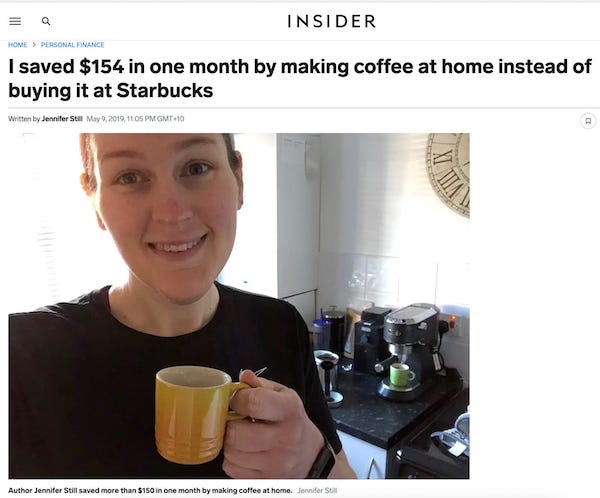
It’s easy to overlook the cumulative impact of small daily expenses, and coffee is a prime example. For years, I found myself instinctively reaching for that $5 latte on my commute, not truly calculating the long-term drain on my budget. When I finally sat down to crunch the numbers, the revelation was stark: a seemingly innocuous daily habit was costing me upwards of $1,825 per year. This figure doesn't even account for the occasional pastry or impulse purchase made while waiting in line. The true cost extends beyond the sticker price, encompassing factors like travel time, gas, and the psychological effect of frequent small transactions that prevent a holistic view of spending. By understanding this often-underestimated expenditure, one can begin to appreciate the immense potential for saving money making coffee at home.
How much can I realistically save by making coffee at home?
Individuals can save hundreds to over a thousand dollars annually by shifting from daily cafe purchases to home brewing, depending on their drink choice and frequency.
Essential Equipment for Budget-Friendly Home Brewing
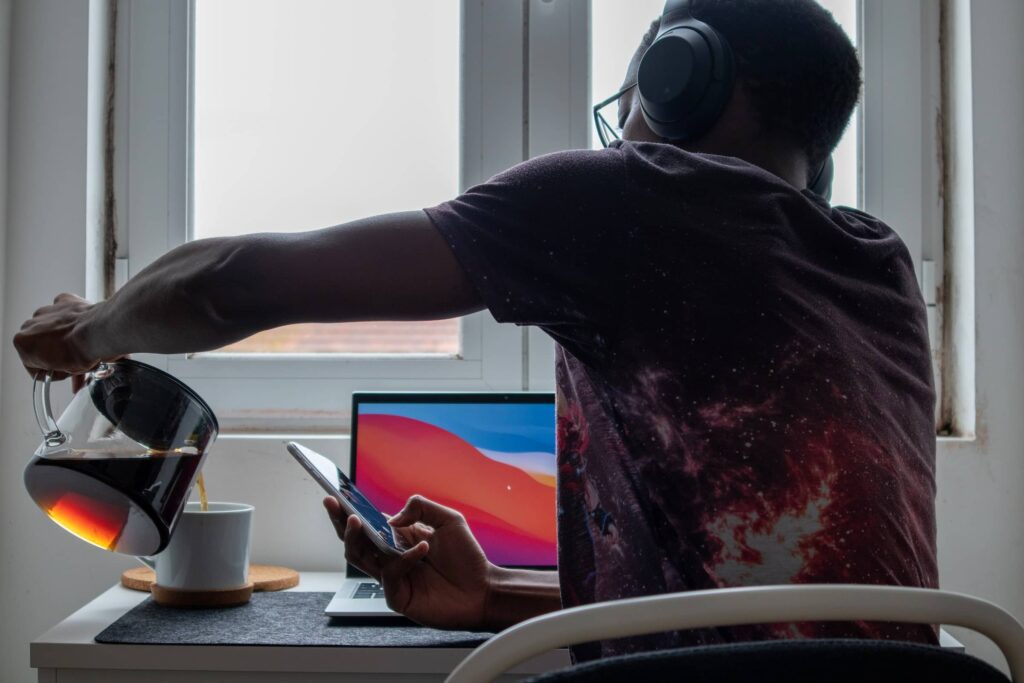
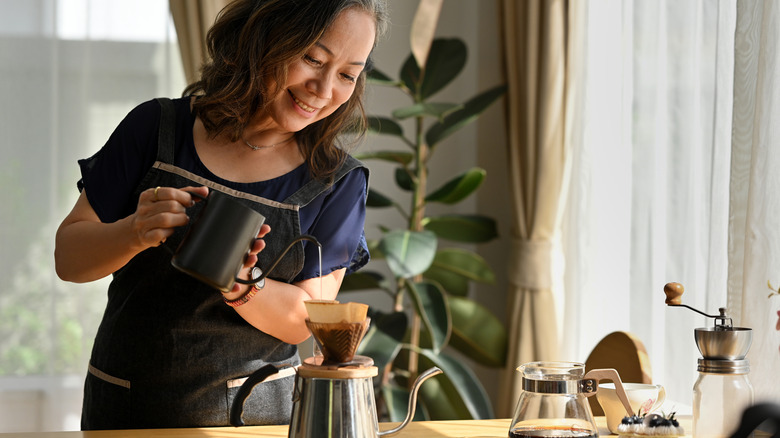
Embarking on the journey of saving money making coffee at home doesn't necessitate a costly investment in high-end machinery. My own experience has shown that durable, efficient, and affordable equipment can deliver exceptional results. The key is to prioritize functionality and longevity over transient trends. For instance, a reliable French press or a simple pour-over cone can be purchased for under $30 and, when paired with quality beans, can produce coffee that rivals or even surpasses many cafe offerings. A burr grinder, while an initial investment, is crucial for consistency and flavor, ensuring you extract the most from your beans and avoid waste. Reusable filters are another small but significant step, eliminating the recurring cost of paper filters and contributing to environmental sustainability. The upfront cost of these essentials quickly pays for itself, typically within weeks or months, demonstrating that saving money making coffee at home is an accessible goal for everyone.
Do I need expensive equipment to make good coffee at home?
No, quality home coffee can be made with affordable equipment like a French press or pour-over, focusing on fresh beans and proper technique over high-end machines.
Sourcing and Storing Coffee Beans Economically
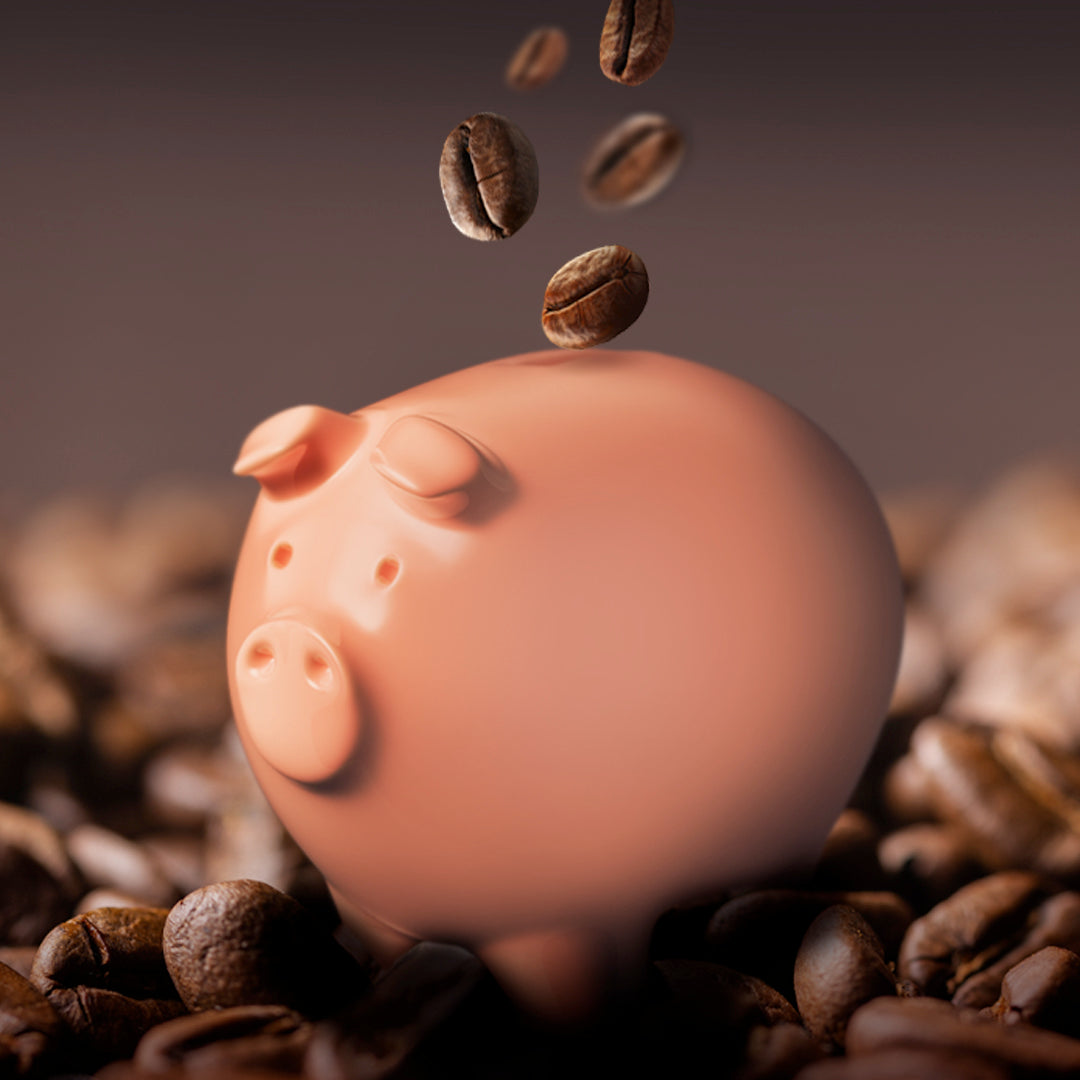
The foundation of excellent and cost-effective home coffee lies in how you source and store your beans. Over my years of brewing, I've discovered that buying coffee in bulk is one of the most impactful strategies for saving money making coffee at home. Warehouse clubs, online retailers specializing in coffee, or even local roasters often offer significant discounts when you purchase larger quantities. Subscribing to a coffee delivery service can also sometimes provide savings, especially if they offer loyalty discounts. When comparing options, always calculate the price per ounce to determine the best value.
Crucially, opting for whole beans over pre-ground coffee not only ensures superior freshness and flavor but also reduces waste. Pre-ground coffee stales rapidly, leading to a diminished taste that might tempt you back to the cafe. Once purchased, proper storage is paramount. An airtight container, kept in a cool, dark pantry, is ideal. While some advocate freezing coffee, for daily use, it's generally best to keep it at room temperature to avoid moisture damage and flavor degradation. This diligent approach to sourcing and storage is fundamental to maximizing your savings and enjoyment.

Mastering Brewing Techniques for Optimal Flavor and Savings
Once you have your equipment and beans, the next step in saving money making coffee at home involves refining your brewing technique. A delicious cup of coffee made at home is less about magic and more about precision and understanding a few key variables. My own journey involved a fair bit of experimentation, but I quickly learned that attention to detail significantly elevates the final product.
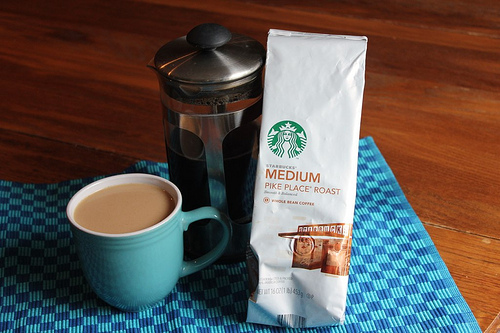
First, water quality makes a noticeable difference; filtered water can enhance flavor and prevent mineral buildup in your equipment. Second, grind size is critical and depends on your brewing method—coarse for French press, medium for drip, fine for espresso. An inconsistent grind can lead to over or under-extraction, resulting in bitter or weak coffee. Third, the coffee-to-water ratio is paramount; a common starting point is 1:15 or 1:16 (one part coffee to 15 or 16 parts water), but adjust to your taste. Finally, brewing temperature is vital; ideally, water should be between 195°F and 205°F for optimal extraction. By paying attention to these elements, you'll consistently brew a satisfying cup that negates any desire to purchase coffee elsewhere, further solidifying your commitment to saving money making coffee at home.
What's the most cost-effective brewing method for beginners?
A French press or pour-over are excellent cost-effective methods for beginners, requiring minimal equipment and offering great control over the brewing process for delicious results.
Elevating Your Home Coffee Experience Without Breaking the Bank
One common misconception is that saving money making coffee at home means sacrificing the enjoyment of specialty drinks. This couldn't be further from the truth. With a little creativity and a few simple additions, you can replicate many cafe favorites for a fraction of the price. I've personally experimented with various ways to elevate my morning brew, turning a basic cup into a delightful treat.
Consider DIY creamers and flavorings: a splash of homemade vanilla syrup, a dash of cinnamon, or a spoonful of cocoa powder can transform your coffee without the added cost of store-bought specialty syrups. Making cold brew concentrate at home is surprisingly simple and much more economical than buying bottled versions. If you enjoy lattes or cappuccinos, a simple manual milk frother or even a whisk can create delightful foam. Furthermore, investing in a beautiful reusable mug or a stylish travel tumbler can enhance the ritual, making your homemade coffee feel just as special, if not more so, than one purchased from a cafe. These small touches contribute significantly to the overall experience of saving money making coffee at home while still indulging your preferences.

The Long-Term Financial and Lifestyle Benefits
The decision to start saving money making coffee at home extends far beyond immediate financial gains. While the hundreds or thousands of dollars saved annually are undeniably appealing, the shift also cultivates broader financial discipline and reduces impulse spending. This conscious choice to prepare your own coffee often translates into a more mindful approach to other daily expenses.
From a lifestyle perspective, making coffee at home offers numerous advantages. It's an environmentally friendlier option, significantly reducing the waste associated with disposable cups and lids. You also gain greater control over the ingredients, allowing for healthier choices free from excessive sugars or artificial additives. For me, the ritual of grinding beans, brewing, and savoring my homemade coffee has become a calming and grounding start to my day, fostering a sense of accomplishment and peace that a rushed cafe visit rarely provides. This holistic approach to saving money making coffee at home truly transforms a simple habit into a powerful tool for personal well-being and financial empowerment.
Frequently Asked Questions About Saving Money on Home Coffee
Is buying pre-ground coffee cheaper than whole beans?
While pre-ground coffee often has a lower upfront cost, whole beans offer better flavor and can prevent waste due to staleness, making them more cost-effective in the long run.
How much money can I save in a year by making coffee at home?
Depending on your current cafe habit, you could save anywhere from $500 to over $2,000 annually by consistently brewing coffee at home instead of buying it out.
What is the single best investment for saving money on home coffee?
A quality burr grinder is arguably the best investment, as it allows you to buy cheaper whole beans and ensures a consistent, fresh grind for superior flavor, reducing the need for expensive cafe trips.
Can I still enjoy specialty coffee drinks while saving money at home?
Absolutely. By learning basic techniques for steaming milk, making simple syrups, and using quality beans, you can recreate many specialty cafe drinks for a fraction of the cost.
How do I prevent my homemade coffee from tasting bland or bitter?
To avoid bland or bitter coffee, focus on using fresh, quality whole beans, grinding them just before brewing, using filtered water, and maintaining the correct coffee-to-water ratio and brewing temperature.
Is it more environmentally friendly to make coffee at home?
Yes, making coffee at home significantly reduces waste from disposable cups and lids, and allows for conscious sourcing of beans, making it a more environmentally sustainable option.
Conclusion
Embracing the habit of saving money making coffee at home is a highly effective strategy for boosting your personal finances while simultaneously enhancing your daily routine. By making informed choices about equipment, intelligently sourcing and storing your beans, and mastering fundamental brewing techniques, you can enjoy exceptional coffee every day without the premium price tag. The financial savings are substantial, but the added benefits of personal satisfaction, environmental consciousness, and greater control over your consumption make this a truly rewarding endeavor. We encourage you to implement these practical tips and begin your journey towards a more budget-friendly and delicious coffee experience. Share your own success stories and brewing hacks in the comments below!

- Unlocking the Venti: Discover the Perfect Shot Count for Your Drink - October 13, 2026
- Unpacking the Buzz: Caffeine Levels in Café Bustelo Espresso - October 13, 2026
- How to Fix Bitter Coffee: 10 Expert Ways to Improve the Taste - October 4, 2026