
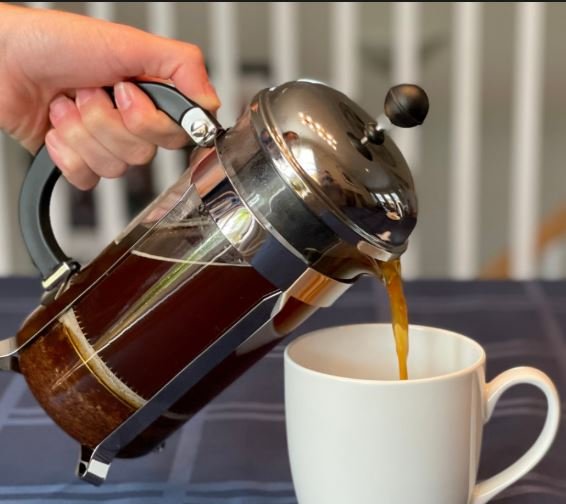
Welcome to my ultimate guide on the French press! If you are anything like me, your morning does not truly begin until that first, robust sip of coffee hits your soul. Who practically runs on caffeine, I have tested countless brewing methods, but I always come back to this classic tool. So, what is a French coffee press exactly? It is a beautifully simple, manual immersion brewer that extracts deep, rich flavors you simply cannot get from a standard drip machine. Forget paper filters that strip away natural oils; this device lets the grounds steep freely. In this comprehensive guide, I will share my personal secrets to brewing the perfect cup every single beautiful, crisp morning.
| Feature | Specification |
| Brew Time | 4 to 5 minutes |
| Grind Size Required | Very Coarse |
| Flavor Profile | Rich, bold, and heavy-bodied |
| Filter Type | Reusable stainless steel mesh |
| Skill Level | Beginner friendly |
The Basic Anatomy Of A French Press
Understanding your brewer is the first step to mastering it. A French press basically consists of a cylindrical beaker, usually made of glass or stainless steel, and a plunger mechanism. This plunger features a specialized metal mesh filter screen attached to a sturdy rod. When I push this plunger down slowly, it separates the steeped coffee grounds from the liquid gold above, guaranteeing an absolutely incredible, full-bodied extraction every time.
Why Glass Beakers Remain So Unbelievably Popular
I personally love glass beakers because they let me watch the brewing magic happen. Seeing the coffee bloom and steep is incredibly satisfying to witness. However, glass is notoriously fragile. If you are clumsy before your caffeine kicks in, consider buying a durable, shatterproof stainless steel model for your kitchen.
How Does Immersion Coffee Brewing Actually Work
The secret behind this amazing device is immersion brewing. Unlike pour-over methods where water constantly flows through the grounds, a French press lets the coffee sit and bathe in hot water. I find this prolonged contact time pulls out heavy body and distinct flavor notes. Because there is no paper filter to absorb the natural bean oils, the resulting cup is incredibly dense, highly aromatic, and deeply satisfying for drinkers.
Nailing The Perfect Coarse Coffee Grind Size
If you want an amazing cup, your grind size is absolutely everything. For this method, you need a coarse grind that looks somewhat like rough sea salt. When I first started out, I used fine grounds and ended up with a muddy, over-extracted mess. A coarse grind ensures the water extracts flavors evenly while preventing tiny particles from slipping right through the metal mesh screen into your favorite mug.
Why I Always Recommend Using Burr Grinders
I cannot stress this enough: throw away your cheap blade grinder. Blade grinders chop beans unevenly, leaving you with a mix of dust and large chunks. A quality burr grinder crushes the beans uniformly. This consistency is my ultimate secret for achieving a perfectly balanced, grit-free extraction every single time.
The Crucial Role Of Water Temperature For Brewing
Water temperature dramatically impacts how your coffee tastes. Boiling water will actually scorch the beans, leaving you with a harshly bitter drink. I always aim for water right around two hundred degrees Fahrenheit. If you do not have a fancy gooseneck kettle with a built-in thermometer, simply boil your water and let it sit off the heat for about one minute before pouring it over your fresh coffee grounds.
Why Dark Roasts Need Slightly Cooler Water Temperatures
Through my daily testing, I have discovered that dark roasts extract much faster than light roasts. If I am brewing a dark, oily French roast, I intentionally let my water cool down just a bit more. This simple trick effectively prevents those overly harsh, unpleasantly ashy flavors from ruining my cup.
Selecting The Absolute Best Beans For This Brewer
Because this immersion method preserves all the natural oils, I love experimenting with different single-origin coffees. Medium and dark roasts tend to shine exceptionally well here, offering decadent notes of chocolate, caramel, and toasted nuts. However, as an avid coffee drinker, I encourage you to buy whole beans from local roasters. Freshness is strictly non-negotiable if you want to experience the rich, vibrant flavors this tool can successfully deliver.
Understanding Light Roast Coffee In A French Press
While dark roasts are traditional, light roasts offer a wild, fruity experience. I often brew Ethiopian beans this way to highlight their subtle blueberry notes. Because light roasts are denser, I sometimes extend my steep time by one extra minute to ensure I extract all those bright, complex floral characteristics.
My Step By Step Morning French Press Routine
Consistency is the real secret to great coffee. First, I warm up my glass beaker with hot water to maintain the brewing temperature. After dumping that water, I add my coarse grounds. Next, I pour just enough hot water to saturate the coffee, letting it bloom for thirty seconds. Finally, I fill the beaker, set my timer for exactly four minutes, gently press down, and pour the coffee immediately.
The Importance Of The Thirty Second Coffee Bloom
You might wonder why I pause during pouring. That thirty-second bloom phase is crucial for letting trapped carbon dioxide escape from fresh beans. If I skip this step, the gas repels the water, leading to a horribly weak, under-extracted cup. Always let your fresh coffee grounds breathe and expand first.
Mastering The Perfect Coffee To Water Ratio
Finding the golden ratio is essential for SEO professionals who need strong caffeine hits. I always recommend a one to fifteen ratio to beginners. That means using thirty grams of coarse coffee for four hundred fifty grams of water. If I want a bolder punch to jumpstart my morning keyword research, I will adjust my scale to a one to twelve ratio. Always use a digital scale for perfect accuracy!
Why Using Volume Measurements Can Ruin Your Brew
I never use measuring scoops anymore. Different coffee roasts have drastically different densities. A scoop of light roast weighs significantly more than a scoop of dark roast. By weighing my ingredients in grams, I completely remove the guesswork and replicate my favorite delicious recipes with absolute precision every single morning.
Keeping Your Equipment Spotless For Better Flavor
Nothing ruins a great bag of beans faster than a dirty, oil-stained coffee maker. The stainless steel mesh filter traps rancid coffee oils over time, which will undoubtedly make your future brews taste terribly bitter. Immediately after pouring my morning cup, I thoroughly rinse the beaker and disassemble the plunger mechanism. I scrub everything with warm water and mild dish soap to ensure my next batch tastes perfectly fresh today.
How To Remove Stubborn Mineral Buildup And Stains
If I notice hard water stains clouding my beautiful glass carafe, I have a simple, natural trick. I soak the beaker and mesh parts in a mixture of warm water and white vinegar for twenty minutes. This effortlessly dissolves stubborn mineral deposits, leaving my beloved brewing equipment sparkling like new.
Troubleshooting Common French Press Brewing Mistakes
Even experienced baristas mess up occasionally. If your coffee tastes overwhelmingly sour, you likely under-extracted the beans. I fix this by using slightly hotter water or extending my steep time. Conversely, if my cup tastes ashy and dry, I know I over-extracted it. I solve this bitter problem by either grinding the beans slightly coarser or reducing the total time the coffee sits bathing in the extremely hot water today.
What To Do If The Plunger Gets Stuck
Sometimes, I push down and face immense resistance. When this happens, I never force it, because the hot glass could shatter dangerously. Instead, I pull the plunger up just an inch, give the slurry a gentle stir, and try pressing down slowly again. This simple adjustment fixes the clog immediately.
Exploring Alternative Uses For Your French Press Maker
This tool is incredibly versatile beyond just making standard hot coffee. As a creative remote worker, I actually use mine to brew loose leaf teas. The metal mesh perfectly strains chamomile or peppermint leaves. Furthermore, I have discovered it makes an absolutely stellar milk frother. By rapidly pumping warm milk up and down through the fine screen, I can create cafe-quality foam for my afternoon lattes in mere seconds today.
Brewing Delicious Cold Brew With Your Immersion Device
During sweltering summer afternoons, I rely heavily on cold brew. I simply mix extra-coarse grounds with filtered cold water directly inside the carafe. After letting it sit covered in my refrigerator for sixteen hours, I press the plunger down. The resulting concentrate is unbelievably smooth, sweet, and highly refreshing today.
Frequently Asked Questions About French Presses
I have gathered the top queries right here to clear up any confusion. Let us dive into these common concerns so you can start brewing with total confidence today.
How much coffee do I use for a French press?
I recommend starting with a 1:15 ratio, meaning one gram of coffee for every fifteen grams of water.
What is the best grind size to use?
You must always use a coarse grind to prevent smaller particles from slipping through the metal mesh filter.
How long should I let the coffee steep?
I find that four minutes is the perfect sweet spot for extracting rich flavor without pulling bitter notes.
Can I make cold brew in this device?
Yes! You can combine coarse grounds and cold water, then let it sit in the fridge overnight before plunging.
Why does my coffee taste slightly gritty today?
Gritty coffee usually means your grind size was too fine or you pushed the plunger down way too fast.

- Are Pod Coffee Machines Healthy? The Unfiltered Truth About Your Daily Cup - September 27, 2026
- Does Gatorade Have Caffeine? Here’s What’s in Each Type - September 26, 2026
- Does Powerade Have Caffeine, or Is That a Myth? - September 26, 2026