
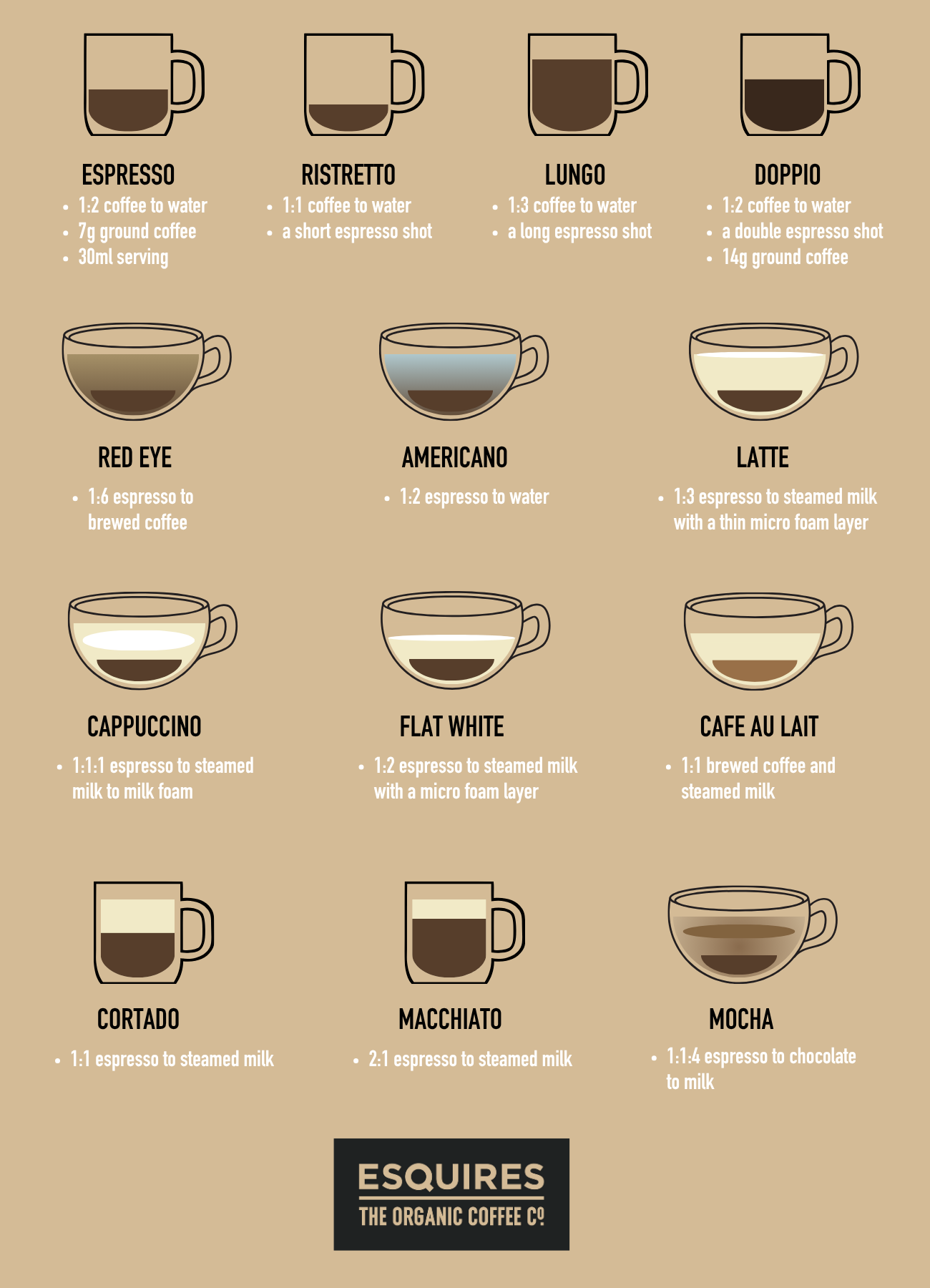
A great V60 coffee ratio for beginners is 1:15, using 1 gram of coffee for every 15 grams (or milliliters) of water.
Embarking on the journey of pour-over coffee brewing, particularly with the iconic Hario V60, can feel both exciting and slightly daunting. Many aspiring home baristas find themselves grappling with the fundamental question of how much coffee to water, a decision that profoundly impacts the final cup. This article aims to demystify the ideal V60 coffee ratio for beginners, drawing upon years of experience in specialty coffee to provide a clear, actionable guide that will elevate your brewing confidence and consistency right from your very first pour. We’ll delve into why this specific V60 coffee ratio works so well as a starting point and how it lays the foundation for delicious, repeatable results.

Understanding the Fundamentals of V60 Coffee Ratio
At its core, the V60 coffee ratio refers to the proportion of coffee grounds to water used in brewing. This simple relationship is arguably the most critical variable in achieving a balanced and flavorful cup. For beginners, understanding this concept is paramount because it offers a foundational control point in an otherwise complex brewing process. A correct V60 coffee ratio ensures you extract the right amount of soluble compounds from your coffee, leading to a taste profile that is neither weak and sour nor bitter and over-extracted. My personal journey with the V60 began with countless experiments, and I quickly learned that even slight deviations in this ratio could drastically alter the cup. It's truly the bedrock of consistent brewing.
The industry standard, and my recommended starting V60 coffee ratio for beginners, is often cited between 1:15 and 1:18. This means for every 1 gram of coffee, you'll use between 15 and 18 grams of water. For simplicity and excellent results, I always guide new brewers towards a 1:15 ratio. This translates directly to a robust, satisfying cup without being overwhelming, providing a clear benchmark. This specific V60 coffee ratio serves as an ideal stepping stone, allowing you to build confidence before exploring more nuanced adjustments. It’s about creating a delicious experience right away.
Why 1:15 is the Recommended V60 Coffee Ratio for Beginners
Choosing the right V60 coffee ratio for beginners is about finding a balance between flavor, body, and ease of execution. The 1:15 ratio, which means 1 gram of coffee to 15 grams of water, is widely recommended for several compelling reasons. First, it tends to produce a coffee that is rich in flavor and possesses a satisfying body, appealing to a broad range of palates. This robust extraction helps beginners avoid the common pitfall of thin, watery coffee. It provides a more forgiving window for other variables like grind size and pour technique, making it easier to achieve a good result even with slight inconsistencies.
From my own experience training new baristas and home brewers, I’ve observed that a 1:15 V60 coffee ratio builds confidence quickly. When you taste a great cup with minimal effort, you're more likely to continue experimenting and refining your craft. This ratio strikes a sweet spot where the coffee's inherent characteristics—whether fruity, nutty, or chocolatey—are pleasantly expressed without being overshadowed by under-extraction or over-extraction. It truly acts as a training wheel, allowing you to focus on developing your pouring skills and understanding the bloom, while still consistently producing an enjoyable cup.

Calculating Your V60 Coffee Ratio: Practical Steps
Calculating the V60 coffee ratio is a straightforward process once you understand the basic formula. The key is to decide on your desired yield—how much brewed coffee you want to end up with. For instance, if you're aiming for a standard single serving of roughly 300 ml (or grams, as water and coffee are measured almost interchangeably by weight in specialty coffee), you would use that as your target water weight. This makes scaling your brew for different cup sizes incredibly simple.
Let’s break it down using our recommended 1:15 V60 coffee ratio for beginners:
- Determine your desired brewed coffee volume: Let's say you want to brew 300 grams of coffee.
- Divide your desired water weight by the ratio's water component: So, 300 grams (water) / 15 (from 1:15 ratio) = 20 grams of coffee.
- This means for a 300-gram yield, you’ll need 20 grams of coffee grounds.
Conversely, if you start with a specific amount of coffee:
- Start with your coffee weight: Let's say you have 20 grams of coffee.
- Multiply your coffee weight by the ratio's water component: So, 20 grams (coffee) * 15 (from 1:15 ratio) = 300 grams of water.
- This means 20 grams of coffee will produce approximately 300 grams of brewed coffee.
Using a digital kitchen scale is absolutely essential for accurate measurements. Eyeballing coffee or water quantities will lead to inconsistent results, undermining the very purpose of establishing a precise V60 coffee ratio. Trust me, investing in a good scale was one of the best decisions I made for my home brewing setup.
Essential Equipment for Accurate Ratio Brewing
To consistently achieve the optimal V60 coffee ratio for beginners, having the right tools is non-negotiable. Precision in measurement is key to unlocking the full potential of your coffee beans and ensuring repeatable deliciousness. Without these fundamental pieces of equipment, even the best beans and most skilled technique can fall short due to inconsistent measurements.
Here’s a breakdown of the essential equipment I rely on and recommend:
- Digital Scale with Timer: This is the single most important piece of equipment for accurate V60 brewing. It allows you to precisely measure your coffee grounds and, crucially, your water. Many models also include a built-in timer, which is vital for monitoring your bloom and total brew time. I’ve seen countless times how inconsistent weighing throws off the entire V60 coffee ratio.
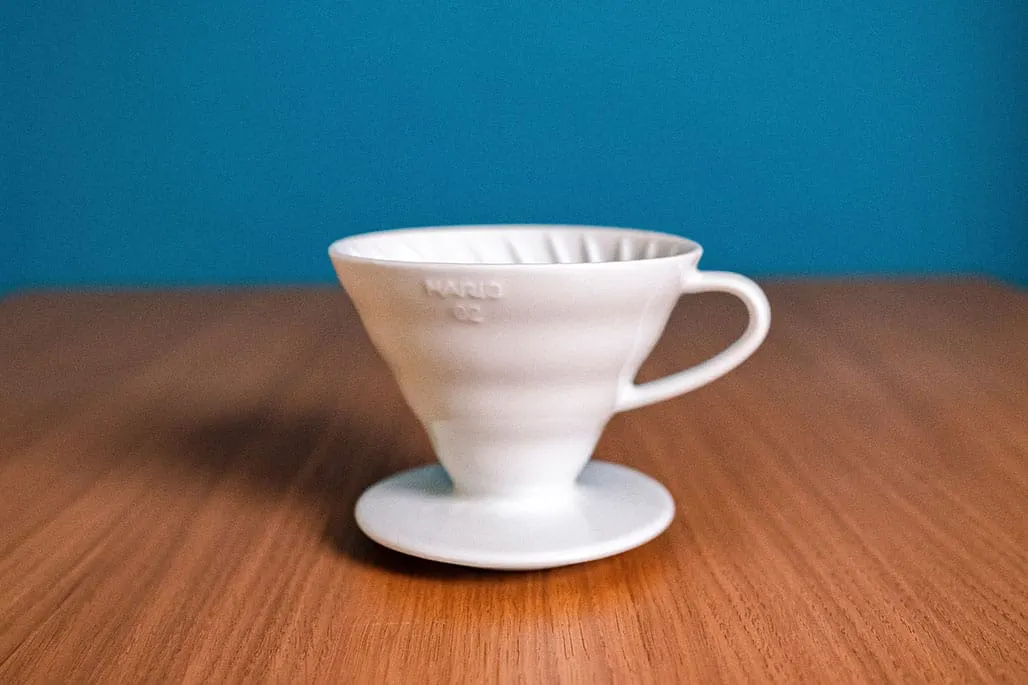
- V60 Dripper and Server: Of course, you’ll need the V60 dripper itself (ceramic, plastic, or glass) and a server or mug to brew into.
- Gooseneck Kettle: While not strictly for ratio, a gooseneck kettle provides precise control over your water flow, which is critical for consistent extraction and making the most of your V60 coffee ratio.
- Coffee Grinder: A burr grinder (not a blade grinder) is crucial for a consistent grind size. Grind consistency directly impacts extraction and how well your chosen V60 coffee ratio performs. You’ll want a medium-fine grind for V60.
Remember, the goal is to eliminate as many variables as possible so you can accurately assess and adjust your V60 coffee ratio and other brewing parameters. These tools provide the necessary precision for that.

Adjusting Your V60 Coffee Ratio for Personal Preference
While a 1:15 V60 coffee ratio for beginners provides an excellent starting point, taste is subjective, and you might find that you prefer a slightly different strength or intensity. This is where the real fun of home brewing begins: experimentation. Once you've consistently brewed with the 1:15 ratio and understand the baseline taste, you can begin to make small, iterative adjustments to tailor your coffee to your personal preference. Think of it as fine-tuning your masterpiece.
Here’s how you can adjust your V60 coffee ratio to suit your palate:
- For a Stronger, More Intense Cup: If your coffee tastes a bit too weak or thin, consider moving towards a slightly tighter V60 coffee ratio, such as 1:14 or even 1:13. This means using a little more coffee for the same amount of water, or less water for the same amount of coffee. For example, for 300g of water, instead of 20g of coffee (1:15), you might try 21.4g for a 1:14 ratio. This increased concentration will yield a bolder flavor.
- For a Lighter, More Delicate Cup: If you find your coffee too intense, bitter, or heavy, you might prefer a slightly wider V60 coffee ratio, such as 1:16 or 1:17. This involves using less coffee for the same amount of water, or more water for the same amount of coffee. For instance, 300g of water with 18.75g of coffee would be a 1:16 ratio. This will result in a lighter body and potentially brighter, more nuanced flavors, assuming proper extraction.
Remember to change only one variable at a time. If you adjust your V60 coffee ratio, keep your grind size, water temperature, and pour technique consistent. This allows you to isolate the effect of the ratio change and truly understand how it impacts your cup. Documenting your brews—coffee type, ratio, grind, and taste notes—is an invaluable habit I picked up early in my career, helping me refine my own preferences.
The Role of Grind Size and Water Temperature
While the V60 coffee ratio is a critical factor, it doesn't operate in isolation. Two other crucial variables, grind size and water temperature, significantly interact with your chosen ratio to influence the final taste. Understanding their interplay is essential for any beginner aiming for consistent and delicious V60 brews.
- Grind Size: For the V60, a medium-fine grind is generally recommended, resembling table salt or sand.
- Too fine a grind will increase contact time with water, leading to over-extraction, bitterness, and potentially clogging the filter. Even with a perfect V60 coffee ratio, a fine grind can make the coffee taste harsh.
- Too coarse a grind will reduce contact time, leading to under-extraction, sourness, and a watery taste. In this scenario, your carefully measured V60 coffee ratio won't be able to pull enough flavor from the beans.
- Adjusting grind size is often the first troubleshooting step when your coffee isn't tasting right, even before altering your V60 coffee ratio.
- Water Temperature: The ideal water temperature for V60 brewing typically falls between 195°F and 205°F (90°C and 96°C).
- Water that is too hot can lead to over-extraction, scalding the coffee and producing bitter, burnt flavors.
- Water that is too cold will result in under-extraction, leaving your coffee tasting weak, sour, and underdeveloped, regardless of your precise V60 coffee ratio.
- I always recommend bringing water to a boil and then letting it sit for 30-60 seconds, which usually brings it into the ideal range.
My personal experience has taught me that mastering the relationship between these three elements—V60 coffee ratio, grind size, and water temperature—is what truly unlocks exceptional pour-over coffee. They are a triad of influence, and slight adjustments to any one of them will necessitate awareness of the others.
Troubleshooting Common V60 Brewing Issues
Even with the best intentions and a carefully chosen V60 coffee ratio for beginners, you might encounter issues that lead to less-than-ideal results. Don't be discouraged; this is a natural part of the learning process! Many of these common problems can be easily diagnosed and corrected with a few simple adjustments. My own journey through countless V60 brews involved many "aha!" moments after troubleshooting.
Here are some common issues and how to address them:
- Coffee Tastes Sour or Under-extracted:
- Problem: This often indicates that not enough soluble compounds were extracted from the coffee grounds.
- Solution:
- Try a finer grind size.
- Increase your water temperature slightly (ensure it’s within the ideal range).
- Consider a tighter V60 coffee ratio (e.g., 1:14 instead of 1:15) to increase concentration.
- Ensure your pour technique allows for even saturation of the grounds.
- Coffee Tastes Bitter or Over-extracted:
- Problem: This suggests too many soluble compounds were extracted, often the unpleasant ones.
- Solution:
- Try a coarser grind size.
- Decrease your water temperature slightly.
- Consider a wider V60 coffee ratio (e.g., 1:16 instead of 1:15) to reduce concentration.
- Shorten your total brew time if it's running excessively long.
- Brew Time is Too Long (Water Drains Slowly):
- Problem: Often caused by a grind that’s too fine, which chokes the filter.
- Solution:
- Coarsen your grind size.
- Ensure you're not using too much coffee for your V60 coffee ratio, creating an overly thick bed.
- Check for fine particles (fines) that might be clogging the filter; a good burr grinder helps minimize these.
- Brew Time is Too Short (Water Drains Too Quickly):
- Problem: Usually indicates a grind that’s too coarse, allowing water to rush through without proper extraction.
- Solution:
- Finer your grind size.
- Ensure your V60 coffee ratio is appropriate; too little coffee can also lead to quick drainage.
Remember, the goal is balance. Each adjustment to your grind, temperature, or V60 coffee ratio should be small and deliberate, allowing you to observe its effect on the final cup. Keep a brewing journal to track your changes and findings.
Frequently Asked Questions of V60 coffee ratio for beginners
What is the most common V60 coffee ratio?
The most common V60 coffee ratio, especially for beginners, is generally between 1:15 and 1:18. A 1:15 ratio, meaning 1 gram of coffee to 15 grams of water, is an excellent and widely recommended starting point for its balanced flavor and body.
How much coffee for 300ml V60?
For 300ml of brewed coffee using a 1:15 V60 coffee ratio, you would need 20 grams of coffee (300ml water / 15 = 20g coffee). This provides a rich and satisfying single serving.
Can I use a different ratio for a stronger V60?
Yes, you can use a tighter ratio like 1:14 or 1:13 for a stronger V60. This involves using more coffee for the same amount of water, which increases the concentration and intensity of your brew.
Does the coffee bean type affect the ideal V60 ratio?
While 1:15 is a great starting V60 coffee ratio for beginners, some coffee bean types, particularly very light roasts, might benefit from a slightly wider ratio (e.g., 1:16) to enhance clarity, while darker roasts might shine with a slightly tighter ratio. Experimentation is key after mastering the baseline.
How does grind size relate to the V60 coffee ratio?
Grind size and the V60 coffee ratio are intrinsically linked to extraction. A finer grind will extract more quickly, potentially leading to over-extraction if your ratio is too tight, while a coarser grind might under-extract, even with a perfect ratio. Adjusting grind size is often necessary to complement your chosen V60 coffee ratio.
Conclusion
Mastering the V60 coffee ratio for beginners is truly the cornerstone of brewing exceptional pour-over coffee at home. By starting with the recommended 1:15 ratio, you establish a solid foundation that ensures a consistently delicious and well-balanced cup. This guide has aimed to equip you with the knowledge not only to understand this crucial ratio but also to calculate it accurately, utilize the right equipment, and confidently troubleshoot any brewing issues you might encounter. Remember, coffee brewing is a journey of continuous learning and personal discovery. Don't be afraid to experiment with slight adjustments once you've perfected your baseline V60 coffee ratio, allowing your palate to guide you towards your perfect cup. We encourage you to start brewing with this foundational V60 coffee ratio today, experiment with the nuanced tips provided, and share your experiences in the comments below. Happy brewing!

- Unlocking the Venti: Discover the Perfect Shot Count for Your Drink - October 13, 2026
- Unpacking the Buzz: Caffeine Levels in Café Bustelo Espresso - October 13, 2026
- How to Fix Bitter Coffee: 10 Expert Ways to Improve the Taste - October 4, 2026