
The best grind size for Chemex brewing is a medium-coarse consistency, similar to coarse sea salt or rough sand.
Mastering the art of pour-over coffee, particularly with a Chemex, hinges on several critical factors, none more impactful than achieving the best grind size for Chemex brewing. For those who appreciate the clean, nuanced flavors a Chemex delivers, understanding and precisely calibrating your coffee grind is not just a preference—it is the foundation of an exceptional cup. As someone who has spent years meticulously experimenting with various brewing parameters, I can attest that pinpointing the ideal grind size transforms a good cup into an extraordinary one, revealing the true potential of your coffee beans. This guide will delve deep into the science and artistry behind finding that perfect Chemex grind, ensuring every brew is a testament to your craft and passion.

Understanding the Chemex Brewing Method
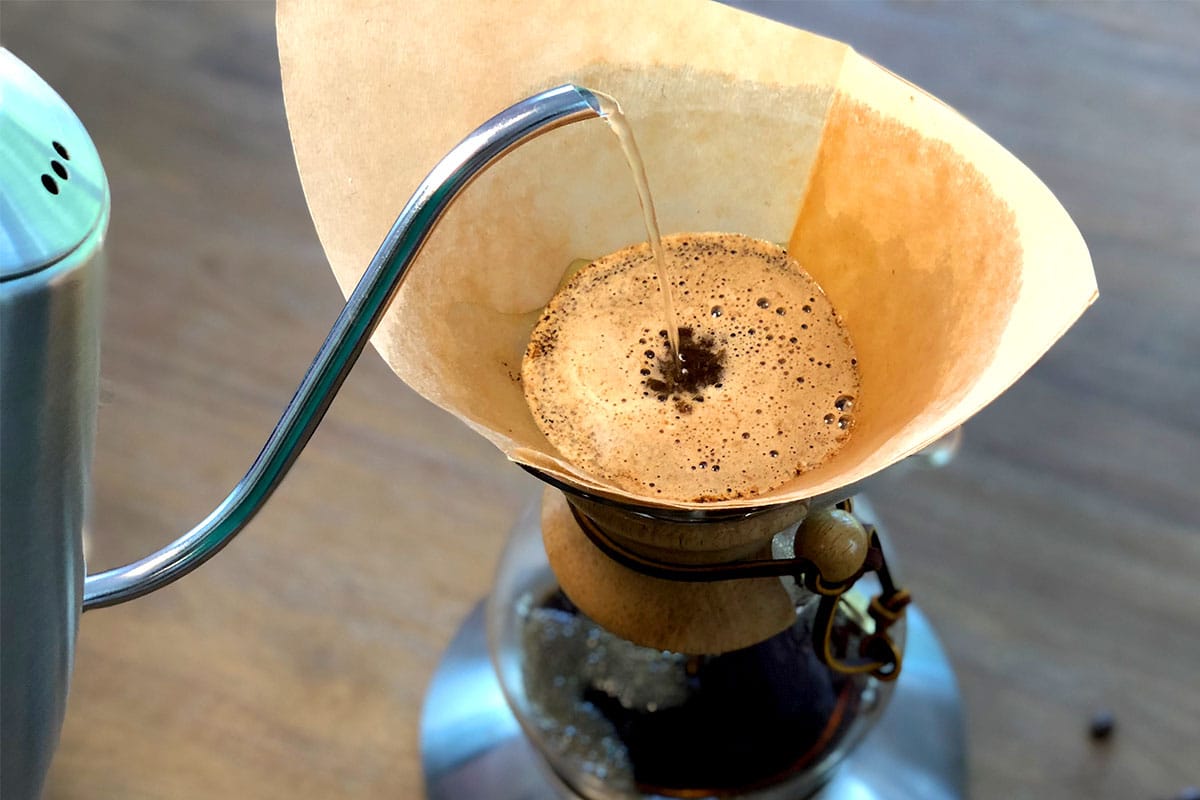
The Chemex, with its iconic hourglass shape and distinctive bonded paper filters, is celebrated for producing an incredibly clean, sediment-free cup of coffee. Unlike other pour-over methods, the Chemex filter is significantly thicker, designed to trap more fine particles and oils, resulting in a brighter, sweeter, and less bitter beverage. This unique filtration system demands a specific approach to coffee preparation, and paramount among these considerations is the best grind size for Chemex brewing. The filter’s thickness means water flows slower, necessitating a coarser grind to prevent over-extraction and a sluggish brew.

The Gold Standard: Medium-Coarse Grind
For the Chemex, the consensus among baristas and coffee enthusiasts alike points to a medium-coarse grind as the best grind size for Chemex brewing. This consistency resembles coarse sea salt or rugged sand, distinctly coarser than what you would use for a drip coffee maker, but finer than a French press grind. This particular grind size allows for optimal water flow through the dense filter, facilitating an even extraction of flavors, aromas, and body from your coffee grounds without bitterness or excessive acidity. Achieving this specific grind is key to unlocking the Chemex's full potential, balancing contact time with filtration efficiency for a balanced and delightful cup.

Why Grind Size Matters: Extraction Dynamics
The interaction between coffee grounds and hot water is a delicate balance, heavily influenced by grind size. When the grind is too fine, the surface area exposed to water dramatically increases, leading to over-extraction. This results in a bitter, astringent, and often muddy cup, where desirable flavors are lost to harshness. Conversely, a grind that is too coarse offers insufficient surface area, causing under-extraction. This typically produces a sour, weak, and thin-bodied coffee, lacking depth and character. The pursuit of the best grind size for Chemex brewing is essentially the pursuit of balanced extraction, ensuring that the water has enough time to dissolve the right amount of soluble compounds from the coffee without stripping away too much or too little. It’s about coaxing out the sweetness, acidity, and body in perfect harmony.

Tools of the Trade: Grinders for Chemex
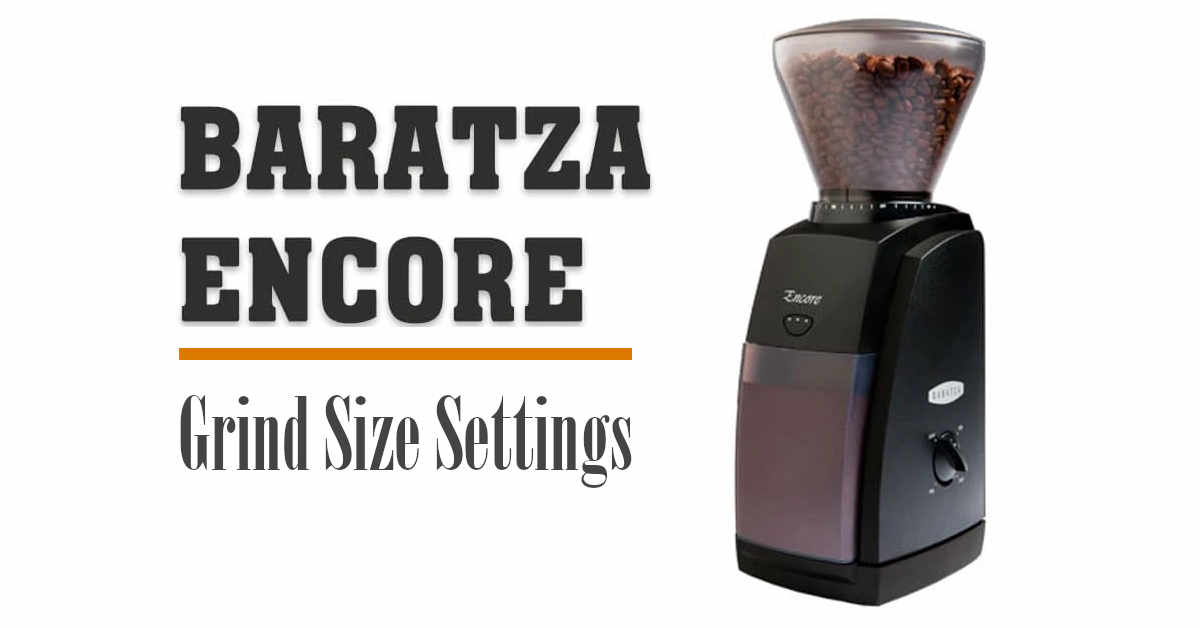
Achieving the best grind size for Chemex brewing consistently requires the right equipment. A high-quality burr grinder is indispensable. Unlike blade grinders, which merely chop coffee beans into inconsistent fragments, burr grinders mill them to a uniform size. This consistency is crucial because an even grind ensures that all coffee particles extract at roughly the same rate, preventing the simultaneous occurrence of under-extracted coarse particles and over-extracted fine particles. Investing in a reliable burr grinder, whether manual or electric, is perhaps the most significant step you can take towards consistently brewing exceptional Chemex coffee. From my own journey, I quickly learned that even the finest beans couldn't overcome the limitations of a poor grinder when aiming for that perfect medium-coarse consistency.
Troubleshooting Your Chemex Brew: Adjusting Grind Size
Even with the right grinder, finding the absolute best grind size for Chemex brewing often involves a bit of trial and error. Pay close attention to your brew time and the taste of your coffee. If your Chemex brew time extends beyond 4.5 to 5 minutes and the coffee tastes excessively bitter or astringent, your grind is likely too fine. Conversely, if your brew finishes too quickly, under 3 minutes, and the coffee tastes sour, weak, or watery, your grind is too coarse. Adjust your grinder in small increments, one notch at a time, and taste the difference.
- What if my Chemex tastes sour? If your Chemex brew is sour, it typically indicates under-extraction, meaning your grind is likely too coarse. Try making your grind slightly finer to increase the contact time between water and coffee.
Learning to read these signals and making precise adjustments is a hallmark of an experienced brewer. My initial attempts with the Chemex often swung wildly between sour and bitter, but with each small grind adjustment, the balance began to emerge, leading me closer to the ideal Chemex grind size.

Beyond Grind Size: Other Factors for Chemex Excellence
While identifying the best grind size for Chemex brewing is foundational, it’s one piece of a larger puzzle. Other critical factors include the quality of your water, its temperature, your coffee-to-water ratio, the bloom phase, and your pouring technique. Optimal water temperature, typically between 195°F and 205°F (90.5°C to 96°C), ensures efficient extraction without scorching the grounds. A precise coffee-to-water ratio, often around 1:15 to 1:17 (e.g., 30g coffee to 450ml water), provides a balanced strength. The bloom, an initial pour that saturates the grounds and allows them to degas, is crucial for even extraction. Finally, a consistent and gentle pour technique helps maintain an even bed of coffee and consistent water flow. Each of these elements works in concert with the best grind size for Chemex brewing to craft a truly remarkable cup.

Personal Journey to the Perfect Chemex
I recall one particular morning, early in my coffee journey, where I was determined to unlock the true potential of my Chemex. I had just acquired a new burr grinder and was convinced I knew the best grind size for Chemex brewing. My first few attempts resulted in brews that were either shockingly bitter or unpleasantly sour. I felt a pang of frustration, questioning if I would ever achieve that coveted clean, sweet cup.
It was through patient, systematic adjustments—making the grind slightly coarser, then a touch finer, while keeping all other variables constant—that I began to understand the profound impact of grind size. One day, after countless brews, the flavor clicked. The coffee tasted vibrant, clean, and perfectly balanced, with a beautiful sweetness and crisp acidity. It was like hearing a symphony finally played in tune. This "aha!" moment solidified my belief that the journey to the best grind size for Chemex brewing isn't about following a rigid rule, but about engaging with your equipment and beans through careful observation and sensory feedback. It’s a process of continuous learning and refinement that makes every successful brew feel like a personal triumph.
Frequently Asked Questions
How does grind size affect brew time in Chemex?
A finer grind increases the resistance to water flow, slowing down the brew time and potentially leading to over-extraction. Conversely, a coarser grind allows water to pass through more quickly, reducing brew time and risking under-extraction.
Can I use pre-ground coffee for Chemex?
While you can, pre-ground coffee is often too fine for Chemex brewing and loses freshness rapidly. For the best grind size for Chemex brewing and optimal flavor, it is highly recommended to grind whole beans just before brewing.
What are the signs of a too-fine grind in Chemex?
A too-fine grind typically results in a slow brew time (over 5 minutes), a clogged filter, and a cup that tastes bitter, astringent, or overly strong.
Is a medium grind the same as a medium-coarse grind for Chemex?
No, a medium grind is generally finer than a medium-coarse grind. For Chemex, a medium-coarse grind is preferred to accommodate the thick filter and longer contact time without causing over-extraction.
Does the type of coffee bean influence the best grind size for Chemex brewing?
Yes, denser or lighter roasted beans might require slight adjustments to the grind size. Denser beans or lighter roasts sometimes benefit from a slightly finer grind within the medium-coarse range to aid extraction.
Conclusion
The pursuit of the best grind size for Chemex brewing is a fundamental step toward mastering pour-over coffee. It’s a journey that marries scientific principles of extraction with the art of sensory evaluation. By understanding the role of grind size, investing in a quality burr grinder, and patiently making small adjustments based on your brew’s flavor and timing, you can consistently achieve the clean, bright, and nuanced cups that the Chemex is renowned for. Embrace the experimentation, learn from each brew, and soon you'll be consistently crafting truly exceptional coffee. We encourage you to start experimenting with your grind settings today and discover the profound impact it has on your daily coffee ritual. For more tips and in-depth guides on optimizing your coffee experience, explore our other resources!

- Unlocking the Venti: Discover the Perfect Shot Count for Your Drink - October 13, 2026
- Unpacking the Buzz: Caffeine Levels in Café Bustelo Espresso - October 13, 2026
- How to Fix Bitter Coffee: 10 Expert Ways to Improve the Taste - October 4, 2026