
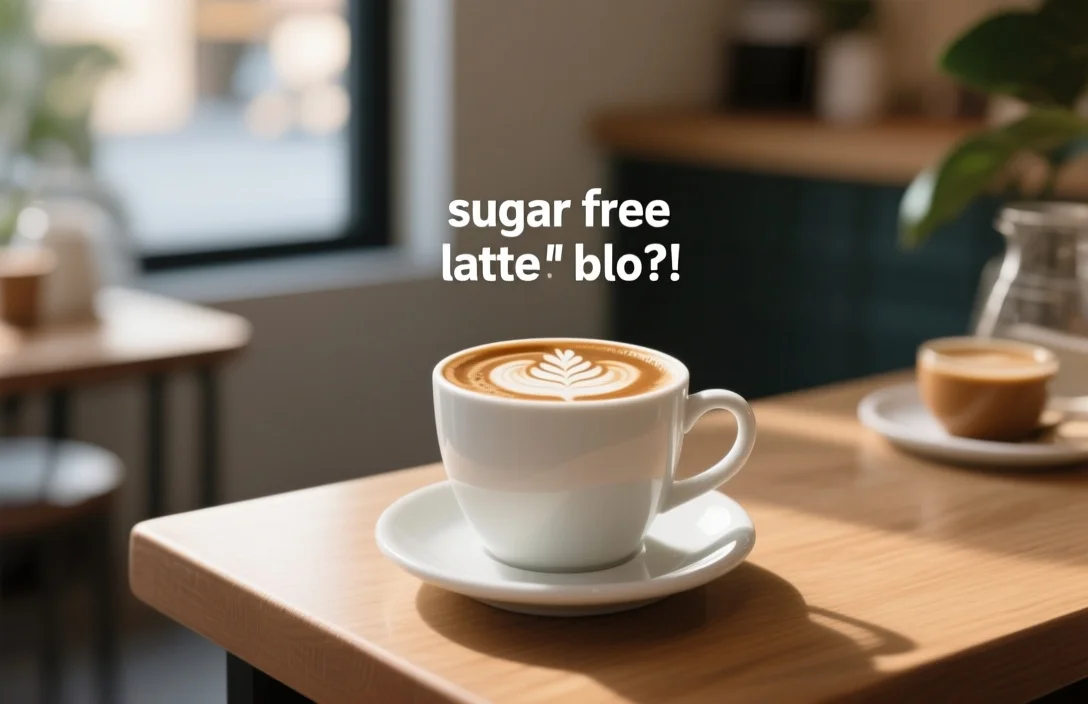
A sugar free latte is espresso mixed with unsweetened milk or a milk alternative and no added caloric syrups or sweeteners. This guide tells you how to order one, what to ask your barista, how to make one at home, and which sugar-free options matter for taste, calories, and health.
What a sugar free latte actually means
Ordering a sugar free latte at a café should yield espresso plus milk without pumps of flavored syrup, sugar, or sweetened condensed milk. Many people call a drink “sugar free” when they mean “no added sugar” rather than “zero calories”; clarify whether your request includes sugar-free syrup or a non-nutritive sweetener.
Barista practice varies by chain and independent shop. Some cafés keep sugar-free flavored syrups on hand, while others add pre-flavored mixes to milk or use sweetened concentrates; saying “omit syrup” avoids ambiguity.
Choosing a milk alternative does not automatically make the drink sugar free. Unsweetened oat, almond, soy, and coconut milks are common sugar-free options, but a menu label like “vanilla oat milk” can hide added sugars; confirm the “unsweetened” option before you order.
Why people pick a sugar free latte now
Cutting added sugar from beverages contributes directly to lowering daily added-sugar intake. Public health data lists sweetened beverages among the largest contributors to added sugars in U.S. diets. Harvard Health notes that, on average, U.S. adults take in 17 teaspoons of added sugar per day.
Health agencies link high added-sugar consumption to weight gain, obesity, type 2 diabetes, and heart disease. The Centers for Disease Control and Prevention states, “Consuming too much added sugar can contribute to health problems such as weight gain and obesity, type 2 diabetes, and heart disease.” Those exact words underline why reducing sugary drinks is a common motivation.
Practical motives also matter. Expect fewer empty calories when you skip pumps of syrup or a spoonful of sugar. Flavor and habit influence choices as well; some people prioritize sweetness and use sugar-free syrups or non-nutritive sweeteners, while others shift taste preferences over weeks by trimming added sugar gradually.
How to order a sugar free latte at a café
Start the interaction with a short, explicit request. Say, “Tall latte with unsweetened oat milk and no syrup,” or “Grande latte, no pumps, unsweetened dairy.”
Ask targeted questions if the menu is unclear. Query whether the “vanilla” or “hazelnut” option uses a sugar-free syrup or a pre-sweetened concentrate in the milk. Confirm whether whipped cream, caramel drizzle, or pre-made mixes contain sugar.
After comparing the usual options side by side, this ordering script minimizes surprises: state size, milk choice, and explicitly decline all pumps and toppings that could include added sugars. A final check – “Is there anything added to the milk?” – catches hidden sweeteners.
Table: Common café choices compared
| Name | Price / Key Spec | Best For |
|---|---|---|
| Unsweetened latte (no syrup) | Standard menu price; no added sugars | People wanting a straight espresso + milk with lower sugar |
| Latte with sugar-free syrup | Usually +$0.50-$0.75 per pump at chains; zero-calorie syrups available | Sweet taste without sugar; good for habitual sweeteners |
| Latte with non-nutritive sweetener added | No added-calorie sugar; sweetener packets or pumps | People who want controllable sweetness; can adjust strength |
| Latte with unsweetened milk alternative | Price varies; labeled “unsweetened” on menu | Lactose-intolerant or plant-based diet preferences |
| “Skinny” or reduced-calorie latte | Menu-dependent formulation; might still include artificial sweeteners | Customers watching calories but check for hidden sweeteners |
How to make a sugar free latte at home
- Pull one or two shots of espresso (or make strong coffee) into a heatproof cup.
- Heat your chosen milk or unsweetened milk alternative to about 150°F if you have a thermometer, or until it steams and small bubbles form.
- Froth the heated milk with a steam wand, hand frother, or jar-and-shake method until silky microfoam develops.
- Pour the steamed milk over the espresso using a spoon to hold back foam, then spoon foam on top.
- Sweeten to taste with a sugar-free syrup, a small amount of a non-nutritive sweetener, or leave unsweetened.
Optional finishing steps can personalize the drink. Sprinkle unsweetened cocoa powder or cinnamon on top for aroma without sugar. Store-bought sugar-free syrups differ in concentration; add them sparingly at first and taste.
Sweetener and milk choices explained (trade-offs and taste)
Criteria for recommendations: rank by ease of availability, effect on flavor, and health considerations. After comparing the main options side by side, the best practical choices depend on whether you want zero calories, natural origin, or minimal aftertaste.
Stevia and monk fruit are plant-derived non-nutritive sweeteners. They provide sweetness without sugar calories, and many brands offer concentrated liquid or powdered forms designed for coffee. Taste varies across brands; some tasters perceive a lingering sweet or herbal aftertaste.
Erythritol and other sugar alcohols provide a bulk-like sweetness closer to sugar and usually cause less aftertaste. Some people notice gastrointestinal effects with sugar alcohols; if you encounter symptoms, reduce or avoid them. Commercial sugar-free syrups often use combinations of sweeteners and additives to mimic sugar-sweetened syrups.
Milk choices shape texture and calories. Dairy milk adds natural sugar (lactose) but also protein and fat that change mouthfeel. Unsweetened almond milk is low in calories and mild in flavor. Unsweetened oat milk gives creamier texture that many prefer for lattes, though some oat milks on menus are labeled “vanilla” or “sweetened” – ask for “unsweetened.”
Taste-guided advice follows these points: start with unsweetened oat or dairy if you prioritize creaminess; choose stevia or monk fruit for zero-calorie sweetening with minimal GI effects; select erythritol blends if you want a sugar-like mouthfeel.
Health considerations and public-health context
Policy-level guidance underscores why people cut added sugar from drinks. U.S. health data note that sweetened beverages account for a large share of added sugar intake; Harvard Health lists sweetened beverages among the top sources and quantifies population averages. Harvard Health reports that, on average, U.S. adults consume 17 teaspoons of added sugar per day.
Official guidance from the Centers for Disease Control and Prevention includes an explicit statement: “No amount of added sugars or non-nutritive sweeteners is recommended or considered part of a healthy or nutritious diet.” That direct phrasing informs choices for people who plan diets around minimizing both added sugars and artificial sweeteners.
Practical interpretation depends on personal goals. For people managing blood sugar or trying to reduce caloric intake, removing pumps of syrup substantially lowers the drink’s impact. For individuals aiming to avoid both added sugar and non-nutritive sweeteners, flavor pivot strategies – using spices, switching to stronger espresso, or retraining the palate – can make a sugar-free latte more satisfying.
Hidden sugars and common ordering mistakes to avoid
Menus can be misleading when a drink name implies “plain” but includes sweetened components. Pre-flavored milks, seasonal concentrates, and bottled ready-to-drink beverages often contain added sugars. Harvard Health lists common sources of added sugar such as sweetened beverages, ready-to-eat cereals, and desserts; treat pre-sweetened milk or bottled coffee the same way.
Asking the right questions prevents surprises. Request “unsweetened milk” rather than assuming a labeled milk alternative is unsweetened. Clarify whether a seasonal “pumpkin” or “vanilla” option uses a sugar-free syrup or a sugar-based concentrate. Avoid automatic whipped cream or sauces unless the barista confirms they are sugar-free.
Packaging and nutrition labels remain the best check when buying bottled or packaged lattes. Look for “added sugars” on the label and prefer products with zero grams of added sugars if your goal is to be sugar free.
Taste strategies to make sugar free lattes enjoyable
Start with small changes if you love sweetness. Reduce syrup pumps gradually; a one-pump reduction per week can retrain sweetness preference without a sudden drop in satisfaction. Roast and extraction techniques for espresso also influence perceived sweetness; darker roasts can taste less sweet and more bitter, while medium roasts preserve natural sweetness.
Try natural flavor enhancers instead of sweeteners. Cinnamon, nutmeg, vanilla extract (a few drops), or orange peel add aromatic complexity that the brain uses as a sweetness proxy. Choosing a creamier milk – unsweetened oat or 2% dairy – improves mouthfeel and can make the drink feel more indulgent even without added sugar.
Make a tasting plan when switching sweeteners and milks. Record one variable at a time – keep milk constant while changing sweeteners or vice versa. After comparing a few options, you’ll identify the combinations that deliver the best balance of texture and flavor for your palate.
Budget, convenience, and where sugar-free lattes fit into daily life
Buying a specialty sugar-free latte at a chain café often costs the same as a regular latte plus any surcharge for milk alternatives or added sugar-free syrup pumps. Making a latte at home costs less per drink once you own a grinder, espresso machine or AeroPress, and a milk frother. Consider convenience trade-offs: a coffee shop saves time and produces consistent texture, while home preparation gives complete control over sweeteners and milk.
Meal timing and daily added sugar totals matter for nutrition goals. Policies and data emphasize reducing added sugars across meals and snacks, not just beverages. Plan whether a sugar-free latte is replacing a sugar-sweetened option, or whether it becomes an additional beverage in your intake. This practical framing determines whether the swap meaningfully reduces daily added sugars.
FAQ
Is a sugar free latte the same as a “no-sugar” latte?
A sugar free latte typically means no added caloric sugar like sucrose or simple syrup, but practices vary. Ask whether the café uses sugar-free syrup or a non-nutritive sweetener if you want absolutely no sweetening agents; confirm that milk is “unsweetened” to avoid hidden sugars.
Are sugar-free syrups truly zero calories?
Many commercial sugar-free syrups use non-nutritive sweeteners and are labeled zero-calorie or very low-calorie. Check the nutrition facts label or ask staff at your café about the syrup brand. Remember the public-health phrasing that “No amount of added sugars or non-nutritive sweeteners is recommended or considered part of a healthy or nutritious diet” for broader dietary planning.
Which milk alternative tastes best in a sugar-free latte?
Taste preference varies, but unsweetened oat milk is often chosen for creaminess and foaming behavior in lattes. Unsweetened almond milk tends to be thinner. Try small-sized drinks first to test texture and froth quality before committing to a regular choice.
Are non-nutritive sweeteners safe for everyday use?
Safety assessments depend on the sweetener and individual health status. Public health messaging includes cautionary language about non-nutritive sweeteners and does not recommend a specific amount as part of a healthy diet. People with medical concerns should consult their healthcare provider for personalized advice.
Will switching to a sugar free latte help me lose weight?
Reducing caloric sweeteners in beverages can lower daily calorie intake, which may help with weight management when combined with broader dietary and activity changes. Measure impact by tracking total daily calories and food choices, not just one drink swap.
How can I tell if my latte has added sugar when buying bottled coffee?
Read the nutrition facts and ingredient list. Look for “added sugars” in the nutrition panel or sugar sources in the ingredient list such as cane sugar, high-fructose corn syrup, or sweetened milk. Choose products labeled “no added sugar” or “unsweetened” if your goal is to avoid added sugar.
A short practical verdict and next ste
Switching to a sugar free latte is a practical way to reduce added-sugar intake that still preserves a familiar ritual. Start by ordering “no syrup, unsweetened milk” at your local café this week and taste the difference; if you miss sweetness, experiment with a single non-nutritive sweetener or a dash of cinnamon to find a satisfying, lower-sugar routine.

- Espresso Tastes Watery? 10 Common Causes and How to Fix It - October 23, 2026
- 10 Common Coffee Equipment Cleaning Mistakes and How to Avoid Them - October 23, 2026
- 17 Common Coffee Grinder Problems and How to Fix Them - October 23, 2026