
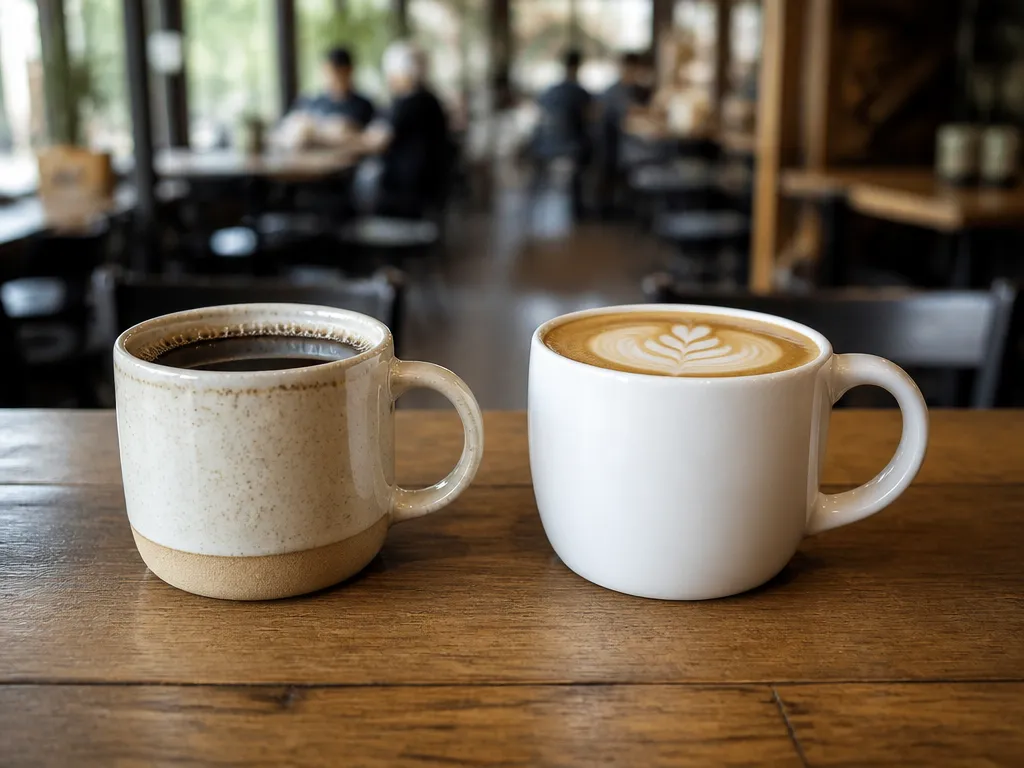
Specialty coffee costs more, but the difference is measurable. Specialty coffee typically scores 80+ points on a 100-point cupping scale, while regular, or commodity, coffee scores below 80. Specialty also tends to offer fresher roasting, more traceable sourcing, and clearer flavor. Regular coffee wins on price, availability, and predictable results.
If you buy coffee for origin character, freshness, or ethical sourcing, specialty is usually worth considering. If you want an inexpensive, familiar cup with little preparation, regular coffee is the more practical choice.
Key Takeaways
- Specialty coffee starts at 80+ points on a 100-point cupping scale.
- Defects affect grading: specialty examples can limit full defects to ≤5 per 300g sample.
- Roasting differs: specialty is often roasted in small batches to emphasize origin character.
- Price reflects labor and quality: specialty commonly costs $3-$6+/lb, compared with regular coffee at around ~$1.80/lb.
- Freshness matters more: specialty is often roasted to order and tastes best within 2-4 weeks.
- The choice is a tradeoff: specialty offers complexity and traceability; regular coffee offers convenience and consistency.
What Separates Specialty Coffee From Regular Coffee?
Specialty coffee is a defined quality category, not a general compliment. It typically scores 80+ points on a 100-point cupping scale, while regular or commodity coffee scores below 80.
Regular coffee is produced for dependable supply, low cost, and broad availability. It is commonly machine-sorted with more tolerance for defects, and it often uses blends with limited origin information. The result is usually a familiar, consistent flavor that is less connected to a particular farm or region.
Specialty coffee follows a different goal: preserve the character of a specific coffee through sourcing, processing, roasting, and brewing. A good specialty coffee may taste fruity, floral, nutty, or otherwise distinct from generic “coffee flavor.”
The word “specialty” can still be used loosely on packaging. A measurable specialty classification generally connects to cupping results, tighter quality grading, and defect limits rather than to attractive tasting notes alone.
Four Details to Check on the Bag
Check the origin, roast date, processing method, and grading information before buying. Specialty coffee is more likely to identify a specific farm, region, or lot and to show a roast date rather than only a distant “best by” date.
Defect control is another major difference. Specialty coffee typically involves more careful sorting and fewer defects, while regular coffee allows more variation to keep production efficient and affordable.
Flavor follows those production choices. Specialty coffee is more likely to have distinct acidity, sweetness, aroma, and aftertaste, with notes described as fruity, floral, or nutty. Regular coffee is more likely to taste simpler, bitter, earthy, smoky, or broadly “roasty,” depending on the blend and roast level.
Roasting strategy and price also tend to move together. Specialty roasters commonly use smaller batches and roast profiles designed to show origin character. Regular coffee is often roasted darker for uniformity, consistency, and longer shelf stability.
How to Choose and Brew Each Type
Buy specialty coffee when you want complexity, sweetness, or a cup that clearly reflects a region. Look for a roast date, named origin, and processing description such as washed or natural. Whole beans usually preserve more freshness, especially when you grind them just before brewing.
Regular coffee makes more sense when you need a fast, predictable cup with minimal effort. It is a practical choice for daily volume, large groups, and drinkers who prefer familiar flavor over origin nuance. A “better regular” coffee can still improve your cup, especially if it is fresh and not roasted excessively dark.
Specialty coffee rewards more precise brewing. One common specialty-style setup uses water at 194-205°F and a 1:16 coffee-to-water ratio. Grind size, water temperature, and ratio can determine whether the coffee tastes clear and sweet or flat and harsh.
Switching from grocery-store coffee to a specialty single-origin may require small adjustments. Beans can taste weak when they are under-extracted, particularly with water that is too cool, a grind that is too coarse, or too little coffee. They can taste harsh when the grind is too fine, the water is too hot, or the beans are already roasted too dark for the brew method.
Espresso is even less forgiving. Specialty espresso often requires dialing in the grind and extraction time because a shot that runs too fast can taste sour or thin, while one that runs too slowly can turn bitter. One example recipe set lists espresso (ristretto) around 1.8-2.2 with particle distribution targets in the 280-320 μm range.
Why Specialty Coffee Costs More
Specialty coffee’s most noticeable benefit is flavor clarity. Careful sourcing, processing, sorting, and roasting can preserve characteristics that disappear in lower-grade or darker-roasted coffee. Instead of only bitterness, smoke, or general roast flavor, you may taste citrus, flowers, nuts, fruit, or chocolate.
Traceability is another advantage. Specialty coffee is more likely to identify a farm, cooperative, region, or specific lot. Regular coffee may provide only a broad country label or no meaningful origin information at all.
Specialty grading also uses tighter quality controls. One green coffee grading example allows defect count ≤5 full defects per 300g sample, along with consistency checks and a water activity threshold such as <0.60 aw.
The higher price can also reflect quality-based premiums. Commodity coffee pricing is more closely tied to market prices and high-volume supply, while specialty prices can include premiums for quality, traceability, and lot performance. That does not guarantee perfect farmer compensation, but the pricing structure gives buyers more room to reward higher-quality production.
Variety adds practical value for curious drinkers. Specialty sellers often offer single-origin or lot-specific coffees, so you can move from one region or processing style to another instead of buying the same blend year-round.
Where to Buy Specialty and Regular Coffee
Specialty coffee is widely available in the United States through local and online roasters, cafés that publish roast dates, and subscription services that ship within a freshness window. A simple starting point is a whole-bean bag from a roaster that clearly lists the roast date and origin.
A grinder helps you preserve and adjust the coffee, but pre-ground specialty coffee can still work if you accept some loss of freshness. Regular coffee is easier to find in supermarkets, big-box stores, restaurants, and other supply chains built around low cost and consistent output.
| Option | Key Spec/Price | Best For |
|---|---|---|
| Specialty (80+ cupping lots) | Often $3-$6+/lb | You want origin flavors and freshness cues such as a roast date and processing details. |
| Specialty single-origin | Often $15-$30 per pound | You want a distinctly regional cup, such as a coffee described as tasting like Yirgacheffe. |
| Regular/commodity blends | Often ~$1.80/lb | You want predictable taste and low cost. |
| “Decent regular” grocery bags | Varies widely | You want convenience and are willing to improve results through brewing adjustments. |
A useful compromise is to keep regular coffee for daily volume and specialty coffee for weekends, slower mornings, or any time you want more flavor variety.
The Practical Buying Rule
Roast level matters when choosing coffee: specialty coffee is often light to medium roasted to preserve origin character, while regular coffee is often roasted darker to mask variation and produce a uniform profile.
Specialty Coffee vs Regular Coffee in Everyday Use
The difference also depends on what you value while drinking. Specialty drinkers often pay attention to aroma, acidity, sweetness, and aftertaste balance. Regular coffee drinkers may care more about strength, comfort, speed, and repeatability.
A specialty coffee that tastes less forceful is not necessarily weaker. It may be under-extracted because the water is too cool, the grind is too coarse, or the ratio is off. Conversely, a coffee that tastes bitter may be over-extracted or too dark for the brewing method.
Regular coffee is often the easier choice when serving a group because it tends to produce more consistent results across batches. Specialty coffee can vary between harvests and lots, which makes it interesting for enthusiasts but frustrating for anyone who wants the exact same cup every day.
FAQ
1) Is specialty coffee worth the higher price in the United States?
Specialty coffee is usually $3-$6+/lb, while regular coffee is often around ~$1.80/lb. Specialty can be worth the extra cost if you care about origin flavor, roast-date freshness, and tighter quality control. If you want a dependable daily cup and need to minimize cost, regular coffee is usually the better value.
2) How can I tell if a coffee is truly specialty or just labeled that way?
Look for measurable and practical signals. The bag should provide a roast date, a specific origin such as a region or farm, and a processing method such as washed or natural. Those details are more common with specialty coffee than with commodity blends.
3) Does specialty coffee taste better, or is it mostly marketing?
Specialty coffee is more likely to taste clearer and more nuanced because it is graded, sorted with fewer defects, and roasted to preserve origin character. Regular coffee is more likely to be roasted for uniformity and may taste simpler, bitter, earthy, or smoky. The difference is most noticeable when the specialty coffee is fresh and brewed well.
4) What’s the biggest brewing mistake people make when switching to specialty coffee?
Using the same settings used for commodity coffee and expecting the same result. Specialty coffee often benefits from adjustments to grind size, ratio, and water temperature. Those changes can correct flavors that seem sour, watery, weak, or overly bitter.
5) What’s a good alternative if I want better taste but not specialty pricing?
Choose a mid-priced coffee that lists a roast date and origin, even if it does not claim to be specialty. A smaller bag of a regular blend that is not overly dark can also improve flavor. Consistent grinding and fresh brewing will help you get more from the beans without paying specialty single-origin prices every time.

- Unlocking the Venti: Discover the Perfect Shot Count for Your Drink - October 13, 2026
- Unpacking the Buzz: Caffeine Levels in Café Bustelo Espresso - October 13, 2026
- How to Fix Bitter Coffee: 10 Expert Ways to Improve the Taste - October 4, 2026