
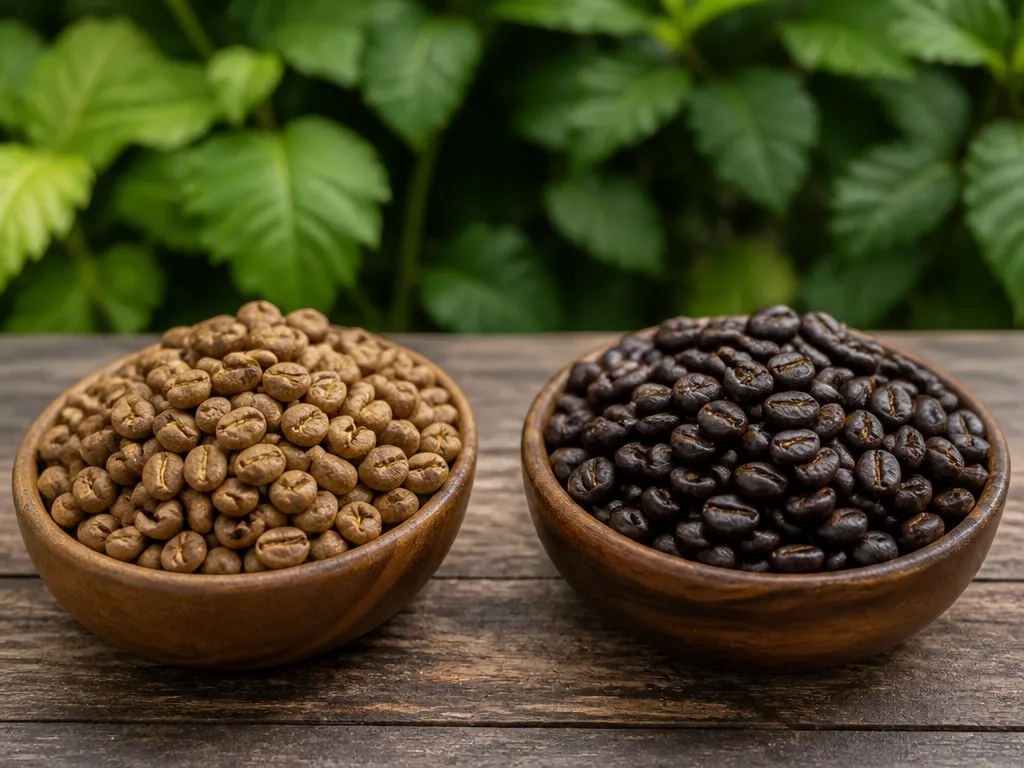
Light roast and dark roast start with the same coffee beans, but roasting them to different levels creates noticeably different cups. Light roast tastes brighter and more acidic, preserves more origin character, and often brings out fruity or floral notes. Dark roast tastes heavier and more chocolatey, with stronger toast, smoke, or bitterness.
Choose light roast for clarity, sweetness, and distinctive origin flavors. Choose dark roast for body, boldness, and a more classic coffee taste. If you are deciding between them for a specific brewing method, light roast usually suits pour-over, while dark roast is the easier starting point for espresso.
- Light roast is brighter. It preserves more origin flavors and often tastes more acidic and complex.
- Dark roast is heavier. It develops more roast flavor and usually feels lower in acidity.
- Caffeine is tricky. Dark roast can be slightly lower in caffeine by bean weight, but the difference is smaller than most people expect.
- Extraction changes the cup. Grind size, water temperature, and brew time can affect bitterness and sweetness more than roast level alone.
- Both work for espresso. Dark roast tastes simpler and bolder; light roast can taste clearer but needs more careful dialing in.
- Freshness matters most. Choose the roast you prefer, then buy it fresh and store it airtight.
Light vs Dark Roast Flavor Differences You Can Taste
You can notice the difference with a simple side-by-side tasting. Brew a light roast and a dark roast from the same brand and, ideally, the same origin. The light roast will often keep more “top notes,” such as berries, citrus, and florals. The dark roast will bring out more “base notes,” such as chocolate, caramelized sugar, and roasted nuts. If the coffees come from different origins, treat the comparison as a useful clue rather than a perfect test.
A light roast pour-over that tastes sharp or tangy may be showing its higher perceived acidity, or it may be under-extracted. A dark roast that tastes rounder and less bright is showing more roast character, which can mute some of the bean’s original flavors.
Light roast can be harder to dial in if you are sensitive to sourness. Under-extracted light roast may taste thin and sharp. Dark roast can cover some defects and extraction mistakes, but a heavily roasted coffee may taste flat, ashy, or overly bitter.
How Roasting Changes Caffeine and Extraction
Roasting changes caffeine in a couple of ways, but brewing usually has a bigger effect on the final cup. Coffee loses some mass during roasting, so a darker roast can have less caffeine per gram by weight even when the caffeine content per bean is broadly similar. In practice, caffeine per cup depends more on how much coffee you brew and how strong your recipe is.
Roast level also changes how the beans respond to grinding and brewing. Light roast beans are denser and can extract differently from dark roast beans. Use the same recipe for both, and the light roast may taste under-extracted – sour and thin – or over-extracted – dry and harsh – depending on your settings.
If you switch from dark roast espresso to light roast espresso without changing anything, you will often need a finer grind or longer contact time to reduce sourness. With pour-over, a slightly higher water temperature or longer contact time may help if the light roast tastes sharp.
If you want more caffeine from a single cup, increase the dose or use a stronger recipe rather than choosing a darker roast. Dark roast can taste more intense at the same dose, but that intensity does not automatically mean more caffeine.
Light Roast vs Dark Roast Acidity and Body
Acidity does not automatically mean unpleasant sourness. In a well-brewed light roast, it can taste like citrus-like brightness, lively tang, or fruit balanced by sweetness. Dark roast reduces that brightness, which often makes the coffee taste rounder, even when it has fewer distinct origin flavors.
Body describes both mouthfeel and flavor weight. Dark roast often feels thicker and leaves a heavier, longer aftertaste because its roast flavors are so prominent. Light roast may feel lighter or more textured, especially when brewed carefully and extracted evenly.
Use this rule when choosing:
- Pick light roast for a bright, crisp, lively cup.
- Pick dark roast for a smooth, heavy, comforting cup.
If you dislike bitterness or dry flavors, a very dark roast can push you toward smoky or ashy notes. If you dislike sour or tangy flavors, light roast may feel aggressive unless you adjust the brew to extract it properly.
Which Roast Works Best for Espresso or Pour-Over?
Your espresso results depend partly on how easily you can adjust your setup. If you can change grind size and dose, light roast espresso is very workable and can taste clean and distinctive. If you want a forgiving option, dark roast is easier because its strong roast flavors can cover a wider range of extraction mistakes.
For pour-over, roast level affects how much clarity and origin character appear in the cup. Dark roast also works in pour-over, but the result will usually taste more like classic dark-roast coffee than a nuanced origin cup.
Roast is only one part of the recipe. Espresso needs an appropriate grind and yield for the beans, while pour-over needs a suitable ratio and consistent technique. If light roast tastes sour, adjust the grind or contact time before deciding that you dislike light roast.
Do Dark Roasts Taste Less Bitter Than Light Roasts?
Dark roast often tastes less bright than light roast, but it is not automatically less bitter. Roast level changes the flavor balance, while over-extraction can create bitterness in either roast.
Light roast can taste bitter when it is ground too fine, brewed too long, or exposed to too much heat. When it is under-extracted, its natural brightness often makes sourness more noticeable. Some people mistake that sharpness for harsh bitterness. Dark roast brings stronger roast flavors that can taste bitter or smoky even when extraction is reasonable.
Control extraction before switching roast levels:
- If the coffee tastes sour and sharp, grind finer or increase contact time.
- If it tastes bitter and dry, grind coarser or reduce contact time.
For a milder overall flavor, many people find dark roast more approachable because it tastes round and chocolatey rather than tangy. That result is not guaranteed. One dark roast may taste smooth, while another tastes harsh because it was roasted much further or brewed poorly.
Buying darker coffee to avoid bitterness can backfire. You may replace a sharp cup with one that tastes smoky and dry. Choose the flavor profile you want, then adjust the brew so it is neither under-extracted nor over-extracted.
How to Choose Light or Dark Roast for Your Goals
Light roast suits drinkers who enjoy comparing farms, processing styles, and tasting notes. If you like bright, fruity, or floral coffee, it offers the most direct route to those flavors.
Dark roast works especially well in espresso drinks with plenty of milk or sweetener because the roast character remains noticeable after dilution. If you want to reduce the chance of a cup tasting sharp, it is often the less polarizing choice.
For lattes and mochas, choose between chocolatey depth and bright complexity. Dark roast tends to blend with milk into a deeper cocoa flavor. Light roast can work well too, but its acidity and fruit notes may remain more noticeable depending on the milk and the drink’s ratio.
Use this buying shortcut:
- If you like tasting, experimenting, and noticing aroma, start with light roast.
- If you want consistent bold flavor with less technique stress, start with dark roast.
- If you brew on a tight schedule and want easier results, dark roast is usually the more forgiving option.
Your own preference outranks any rule. If you love the dark roast you already drink, switching to a lighter roast is not automatically an upgrade. It changes the flavor direction, which may or may not be what you want.
Freshness and Storage Can Matter More Than Roast Level
Freshness has a major effect on the cup, especially with light roast. Light roast often depends on delicate aroma and brightness, and those qualities fade as the coffee ages. Dark roast can taste more forgiving over a wider range of freshness because its roast flavor remains obvious even after some aromatics disappear.
If coffee tastes flat, stale, or papery, changing roast level will not fully solve the problem. Coffee deteriorates when exposed to air, moisture, and heat, and poor storage can make that decline noticeable soon after roasting.
Keep coffee in an airtight container away from sunlight and heat. Avoid opening a bag repeatedly if it sits on the counter. If you buy larger quantities, freezing can help preserve freshness when you divide the coffee into portion-sized packages and minimize thaw cycles.
Freshness also changes how the roast behaves during brewing. Very fresh light roast can taste especially vibrant, while older light roast may taste muted or harsh after poor storage. Dark roast may retain a recognizable coffee flavor longer, but it can move toward smoky or ashy notes as it ages.
Buying light roast for its flavor and then storing it poorly defeats the reason to choose it. Treat it like a perishable ingredient.
FAQ
Which Has More Caffeine?
Caffeine differences are real but smaller than most people expect. Dark roast can have slightly less caffeine per gram because roasting reduces bean mass, but the caffeine in your cup depends heavily on the dose and brew strength. For more caffeine, increase the coffee-to-water ratio rather than switching roast alone.
Is Light Roast More Sour Than Dark Roast?
Light roast can seem sour when it is under-extracted. If it tastes sour, try a finer grind, higher temperature, or longer contact time before blaming the roast itself.
Does Dark Roast Taste Less Bitter?
Not always. Dark roast can taste smooth and chocolatey, but it can also taste bitter or dry when brewed too long or ground too fine. Bitterness usually comes from over-extraction, so adjust grind and brew time regardless of roast level.
How Do I Brew Light Roast to Avoid Harshness?
Start with a standard recipe and change one variable at a time. If the coffee tastes thin or sharp, grind finer or extend contact time slightly. If it tastes dry or harsh, grind coarser or shorten contact time. Consistent water temperature and an accurate coffee-to-water ratio matter more than finding a perfect roast-specific setting.
What Is a Good Alternative If I Cannot Decide?
Buy two bags from the same roaster, one light and one dark, with the same roast date if available. Brew both at the same ratio, then adjust only the grind to improve each cup. That comparison shows your flavor preference without changing several variables at once.
Choose by brew method if you still feel stuck: start with light roast for pour-over clarity and dark roast for bold, forgiving espresso. Buy fresh, store the coffee airtight, and adjust the grind until the cup tastes sweet rather than sharp or bitter.

- Unlocking the Venti: Discover the Perfect Shot Count for Your Drink - October 13, 2026
- Unpacking the Buzz: Caffeine Levels in Café Bustelo Espresso - October 13, 2026
- How to Fix Bitter Coffee: 10 Expert Ways to Improve the Taste - October 4, 2026