
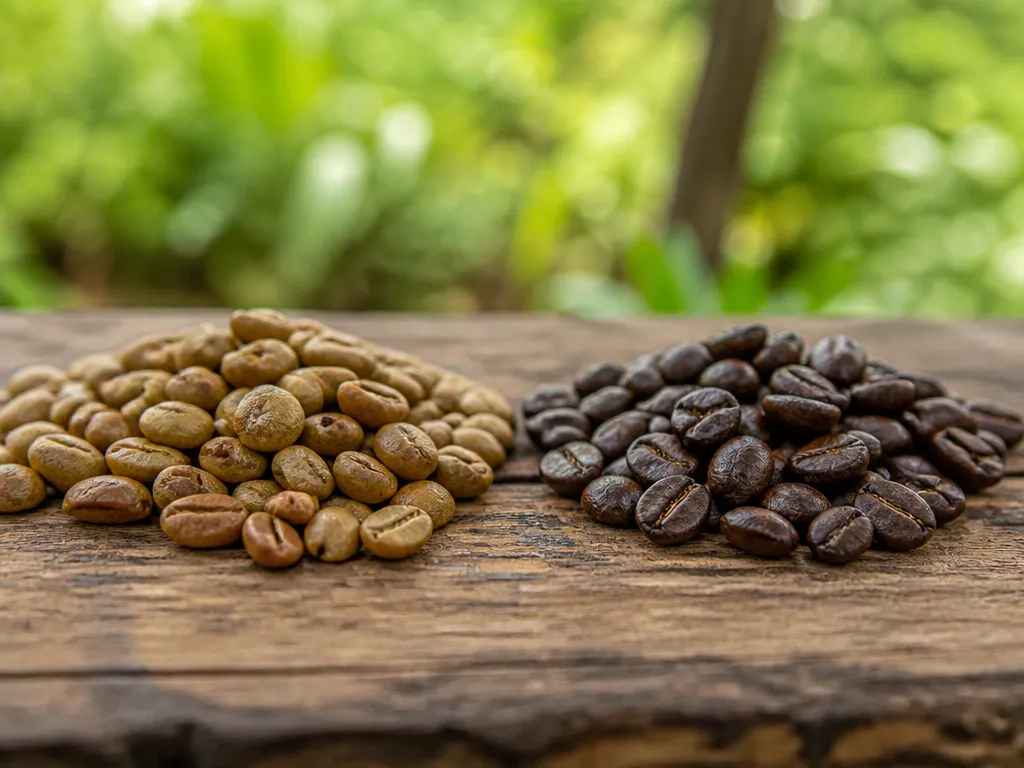
Fresh coffee beans hold more aroma and sweetness. Old beans lose those top notes quickly. If flavor is your priority, buy by roast date, store beans airtight in a cool, dark place, and grind them right before brewing. Older beans can still make a drinkable cup, but they usually taste flatter, drier, or papery.
Beans are typically at their best within a few weeks after roasting, although storage changes how quickly they decline. A roast date, a smell test, and a small brew will tell you more than a package “sell by” date.
Key Takeaways
- Freshness wins on flavor. Fresh beans offer more aroma and sweetness; old beans are mainly appealing when they cost less.
- Use the roast date. A roast date shows recency. Packaging “sell by” or “best by” dates do not.
- Expect predictable flavor changes. Stale coffee tends toward muted flavor, a dry finish, and sometimes papery notes.
- Smell the beans first. Weak or stale aroma from the bag usually leads to a muted cup.
- Adjust brewing carefully. Grind a touch finer or lengthen brew time slightly for stale beans, but avoid pushing them into bitterness.
- Protect beans from air and heat. Store them airtight and away from light and heat.
What Changes
Fresh and old coffee beans differ most in aroma, and that difference shows up in the cup. Right after roasting, beans release more volatile compounds, which gives fresh coffee a stronger smell and more vivid flavor.
As beans sit, those volatile aromatics dissipate. The oils in whole beans also gradually oxidize, and the brew becomes less bright. Old coffee often tastes flatter, with a drier finish and papery or stale-smelling notes. Heat and oxygen speed up that decline.
Roast level also affects what you notice. A lighter roast tends to show more nuance, so losing aroma is easier to detect. A darker roast can hide some staleness, but old dark-roasted beans may shift toward a harsher, ashy taste.
Two bags labeled “fresh” can also taste different. Freshness depends on the roast date, while stale flavor depends on how long the beans sat afterward and how they were stored.
How Long Coffee Beans Stay Fresh
Coffee freshness declines along a curve rather than ending on one specific day. Freshly roasted whole beans are usually at their best for a few weeks after the roast date, then gradually lose sweetness and aroma. Ground coffee declines sooner because its greater surface area accelerates aroma loss.
Guidance varies on the ideal “best by” window, but the practical rule is straightforward: the longer it has been since roast day, the greater the chance of a flat cup. Storage changes the timeline. A sealed bag kept cool and dark slows staling, while beans left near a stove, in sunlight, or in a loose container stale faster.
Fresh Bean Flavor vs Old Bean Flavor
Fresh beans usually taste sweeter, more aromatic, and more vivid. Their flavors are clearer, and the brew often finishes cleaner because the aroma compounds that shape perceived flavor are still present.
Old beans tend to taste muted. Even when they are still drinkable, they often lack the juicy, fragrant character of fresher coffee. The finish may feel dry or papery, and beans exposed to heat or oxygen can develop a stale note that lingers.
Coffee flavor depends on both what remains in the bean and how aroma interacts with extraction. Fresh beans release aroma more readily, so the grind size and brew method work with more expressive raw material. Stale beans can sometimes yield more through longer contact or a finer grind, but brewing cannot restore compounds that have already dissipated.
Trade-off verdict: fresh beans are the clear choice for flavor. Older beans can work for a budget brew, especially with careful adjustments, but expect a flatter cup unless the beans were stored well.
Freshness and Roast Date Explained
The roast date is the best freshness reference because it marks when the beans changed from raw coffee into roasted coffee. After roasting, beans gradually lose aroma even when they remain whole and sealed.
“Sell by” and “best by” dates can mislead you. They often describe retailer handling or packaging timelines rather than the coffee’s peak flavor. Two bags can both be within date while one was roasted weeks ago and the other much more recently. They will not necessarily brew the same way.
Very freshly roasted beans can also taste rough or overly gassy. Many coffees improve after a short resting period as excess gas dissipates and the flavors settle. Fresh does not always mean “roasted yesterday,” but the roast date still gives you a useful brewing timeline.
Consistent timing matters more than chasing a perfect number of days.
How to Test Old Coffee Beans at Home
A few quick checks can reveal whether age is hurting the coffee. Start with the smell test because aroma loss is often the earliest warning.
Open the bag and smell the whole beans. Fresh beans often smell rich and distinctly like coffee before brewing. Old beans may smell weak, flat, papery, or similar to cardboard.
Next, brew a small amount using your normal method. Keep the water temperature, grind size, and brew time consistent. If the cup tastes muted or dry despite reasonable extraction, staling may be the problem rather than your recipe.
You can also test grind sensitivity. If the coffee tastes thin and lifeless, grind slightly finer and brew at the same ratio. Improvement followed quickly by bitterness suggests that the beans are stale and you are reaching their over-extraction limit. If the flavor barely changes, too much aroma may already be gone.
Finally, consider storage. Beans kept near heat or in open air can taste stale even when their roast date is not especially old. Storage often explains the result.
Best Brewing Adjustments for Stale Coffee
Small changes can make stale coffee more drinkable, but each adjustment involves a trade-off. The goal is to extract more of the remaining flavor without pulling excess bitterness or ashiness.
- Grind slightly finer. Stale beans may need a little more surface contact to release what remains. Move one small step finer, then taste the result.
- Increase brew time a little. If your method is short by design, extend contact time modestly rather than making a dramatic change. Pour-over users can slow the pour to lengthen extraction.
- Keep water temperature steady. Very high temperatures can push stale coffee toward bitterness. If you are already brewing hot, increasing the temperature usually makes the problem worse.
- Use a slightly higher coffee-to-water ratio. More coffee per amount of water can add body and intensity. If the cup becomes heavy or dry, reduce the ratio slightly.
- Taste it plain before adding milk or sugar. Sweeteners and dairy can make a stale cup easier to drink, but they also hide its condition. Taste the coffee plain first if you are judging freshness.
Change one variable at a time and taste quickly. Stale beans can respond to careful tuning, while aggressive adjustments usually produce a harsher cup.
How to Store Beans to Prevent Staling
Oxygen and heat accelerate staling, while light also contributes over longer periods. Whole beans last longer when protected from all three.
Keep beans in an airtight container in a cool, dark place. Avoid a cabinet above the microwave, a spot near the stove, or any other warm location. If the container is not truly airtight, the beans will gradually lose aroma even when the roast date is recent.
Freezing can slow aroma loss by limiting heat exposure and slowing chemical reactions. If you freeze beans, avoid repeated thaw-and-refreeze cycles. Portion them so you open the freezer only for what you will use within a short window, then reseal the rest immediately.
The simplest strategy is to buy small enough batches that you finish them before the stale curve becomes aggressive. Good storage slows flavor loss; it cannot restore aromatics that have already disappeared.
FAQ
How can I tell if my coffee beans are old?
Check the roast date, then smell the beans. Weak, papery, or stale aroma from the bag usually predicts a muted cup. Brew a small batch with your normal settings and look for dryness, low sweetness, and a flat finish.
Do fresh coffee beans really taste better?
Fresh beans usually taste more aromatic and sweeter because more volatile compounds remain in them. Old beans often brew flatter and finish drier. With the same roast level and recipe, the freshness difference is usually easiest to notice in aroma and perceived clarity.
How long do whole coffee beans stay good after roasting?
Whole-bean freshness usually declines over weeks after the roast date. The timeline depends heavily on oxygen exposure and heat. Airtight storage in a cool, dark place keeps beans closer to peak flavor longer than a loose container or a warm location.
Can I still brew old coffee beans without wasting them?
Yes. Try grinding slightly finer or adjusting brew time by a small amount. Make one change at a time so you can tell what helps. If the coffee remains harsh after adjustment, too many of the remaining aromatics may already be gone.
What’s the biggest mistake that makes beans go stale faster?
Heat and oxygen exposure cause the most trouble. Common examples include storing beans in a cabinet near the stove or keeping them in a container that is not airtight. Grinding well before brewing also speeds staling.

- Unlocking the Venti: Discover the Perfect Shot Count for Your Drink - October 13, 2026
- Unpacking the Buzz: Caffeine Levels in Café Bustelo Espresso - October 13, 2026
- How to Fix Bitter Coffee: 10 Expert Ways to Improve the Taste - October 4, 2026