
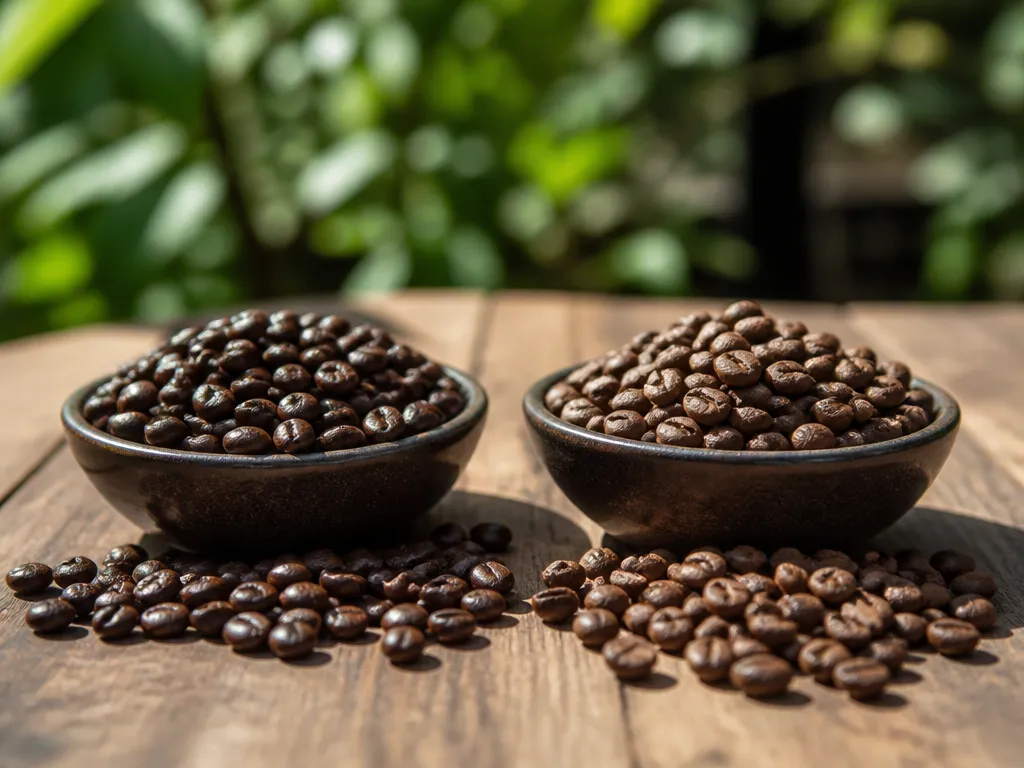
Espresso beans and regular coffee beans are usually the same kind of coffee. The difference is the brewing method: espresso uses finely ground coffee, hot water heated to about 200 to 205°F, and high pressure to make a concentrated shot in roughly 20 to 30 seconds. Regular coffee typically uses medium or coarse grounds and a longer brew time. Buy fresh whole beans, grind them for your method, and choose the drink you actually want rather than relying on the label “espresso.”
- Espresso is a method. It is a coffee drink named for how it is brewed, not a specific roast or bean type.
- Grind size is decisive. Espresso uses fine grounds, like table salt, while drip coffee uses medium grounds.
- Taste comes from extraction. High pressure and short brew time create a denser, more concentrated cup.
- Fresh whole beans matter. Grinding right before brewing has more impact than an “espresso” label.
- Gear changes the result. An espresso machine, Moka pot, or regular coffee brewer extracts coffee differently.
- Choose based on the drink you want. Short, concentrated shots require a fine grind and an espresso-capable setup.
Espresso Beans vs Regular Coffee
“Espresso beans” is mostly a labeling shortcut. Espresso is a concentrated coffee drink made by forcing nearly boiling water through finely ground coffee under pressure. The beans themselves are not a separate species or category. Grind size, pressure, water temperature, and brew time create the difference in the cup.
Regular coffee usually uses medium or coarse grounds. Drip coffee works with a texture similar to kosher salt, while French press coffee uses grounds closer to rock salt. Those grind sizes control water flow and extraction, shaping the drink’s body, acidity, sweetness, and aroma.
If you have a capable grinder, you can use almost any coffee bean for espresso. A bag labeled “espresso” generally points to a roast and flavor profile designed to taste good in a concentrated shot. Darker or medium-dark roasts often bring chocolate and caramel notes and can be more forgiving when your extraction is slightly off.
The practical rule is simple: choose beans for flavor, then grind them for the brewing method.
What Is Espresso? How Extraction Changes Flavor?
Espresso is a concentrated coffee drink made from finely ground beans and pressurized hot water. Pressure pushes water through the compacted coffee quickly, producing a small, dense shot and, when the grind and dose are well adjusted, a layer of crema.
BHG’s home-focused guidance uses water between 200 and 205°F for espresso. Home recipes vary by machine and basket, but the essential formula stays the same: finely ground coffee, hot water, pressure, and a short extraction.
The flavor changes because espresso extracts coffee differently from drip or French press brewing. Fine grounds expose more surface area to the water, while pressure forces water through the coffee quickly. When the grind is too coarse, water moves through too fast and the shot tastes sour and thin. When the grind is too fine, flow slows and the coffee can become bitter and harsh.
Caffeine creates another common point of confusion. Espresso tastes stronger because it is more concentrated, but your total caffeine intake depends on how much you drink. One source reference uses USDA numbers of 63 mg of caffeine in a 1-ounce shot of espresso, compared with about 12 to 16 mg per ounce of brewed coffee. Espresso contains more caffeine per ounce, while a large mug of brewed coffee can contain a similar or higher total amount because it contains more ounces.
Choose Beans Based on Grind Size and Flavor
Grind size determines what you can brew successfully more than the words on the bag. Your grinder and brew method control extraction; the beans provide the underlying flavor.
Use these texture benchmarks:
- Espresso: fine, like table salt
- Drip: medium, like kosher salt
- French press: coarse, like rock salt
This is why “regular” beans can work well in an espresso machine. Grind them fine enough, keep your dose and ratio consistent, and the same beans you use for drip coffee can produce espresso-style shots.
Choose the roast profile according to your taste:
- If you like bold, chocolatey, low-acid coffee, medium-dark or dark roasts often deliver a classic espresso flavor.
- If you prefer bright fruit or tea-like notes, lighter roasts can work, but they usually require more careful dialing to avoid sourness.
Lighter roasts are less forgiving because extraction problems show up quickly. Darker roasts can hide some mistakes behind stronger roast flavors, although they can taste bitter or smoky when pushed too far. An entry-level or inconsistent grinder makes lighter espresso even harder to dial in.
How to Grind for Espresso and Regular Coffee
Drip coffee generally needs a medium grind, while French press and cold brew need coarse grounds because their brewing processes use longer contact times.
Use this texture rule when adjusting your grinder:
Using espresso-fine grounds for drip coffee can produce a harsh, muddy cup. Using drip-medium grounds for espresso usually produces a thin, sour shot because water passes through too quickly.
Start near the middle of your grinder’s espresso range, then make small adjustments after tasting. Change grind size first instead of changing the dose, timing, and temperature at the same time. If the shot tastes bitter and has few distinct aromas, the grind may be too fine or the flow too restricted. If it tastes sour, watery, or thin, the grind may be too coarse or the flow too fast.
A pressurized machine still benefits from grounds in the fine range, although it can make the brewing process more forgiving. A burr grinder generally produces more consistent espresso than a blade grinder. Blade grinders create a wide spread of particle sizes, so some grounds over-extract while others under-extract, leaving the cup uneven.
How to Make Espresso at Home with a Machine or Moka Pot
An espresso machine is the most direct way to make real espresso because it supplies the pressure and extraction pattern the drink requires. Use a fine grind, dose or tamp according to the machine’s basket, and brew a short shot.
For water temperature, a home explainer recipe targets 200 to 205°F. That range, combined with finely ground coffee and suitable pressure, puts you in the right starting range. You can then adjust the grind and dose until the shot tastes balanced.
A Moka pot is a practical alternative when you do not want an espresso machine. It does not make true espresso because it uses steam pressure rather than the same high-pressure pump system, but it produces an intense, concentrated coffee. The trade-off is greater variability and a cup that can taste more bitter or rustic if the pot runs too hot or too long.
For Moka pot brewing:
- Use a fine grind, but avoid espresso-grind powder that can choke the flow.
- Fill the bottom chamber with fresh water to just below the safety valve.
- Heat steadily, then remove the pot when it starts to sputter and the output begins to lighten.
A properly brewed espresso machine shot can land in 30 seconds and taste rich and dense. A Moka pot produces a similarly concentrated drink with less syrupy body and, depending on the heat and grind, more pronounced roast bitterness. The difference comes from the extraction mechanics, even when both drinks taste strong.
Which Brew Tastes Better for Your Preferences?
Espresso usually wins if you want a small cup with intense flavor. Its concentrated extraction brings chocolate, caramel, nuttiness, and dark-roast notes to the front. Espresso also provides a strong base for lattes and cappuccinos, where milk can easily overwhelm a milder coffee.
Regular coffee is usually the better choice for a larger, slower-sipping drink. Drip coffee, pour-over, and French press use longer brewing processes that can reveal more clarity and aroma, especially with lighter roasts. They also produce more volume with less hands-on adjustment.
Match the method to the experience you want:
- Want bold intensity and dense texture? Choose espresso shots made with a fine grind.
- Want comfort and variety across roast profiles? Choose regular brewed coffee and match the grind to the method.
- A visible roast date on the bag.
- Whole beans, especially if you own a grinder.
- Flavor notes that match your preferences, such as “chocolate,” “caramel,” “hazelnut,” or “citrus.”
| Want convenience and concentrated flavor? A Moka pot takes less counter space and usually costs less than an espresso machine. | Option | Best Flavor Fit | Grind Target | Best For |
|---|---|---|---|---|
| Espresso (machine) | Thick, intense, bold | Fine, like table salt | Lattes, cappuccinos, “small but powerful” | |
| Moka pot (espresso-adjacent) | Strong, rustic intensity | Fine, espresso-adjacent (not choking) | Cheap concentrated cups without a machine | |
| Drip coffee | Balanced, easy sipping | Medium, like kosher salt | Everyday cups, mild sweetness | |
| French press | Heavy body, deeper brew | Coarse, like rock salt | Chocolatey body, robust mouthfeel |
My verdict is simple: choose espresso if you enjoy dialing in a brew and want maximum intensity. Choose regular coffee if you want larger cups, a simpler workflow, and less pressure to adjust every variable.
What to Look For
“Espresso roast” does not have to mean dark roast. The label usually indicates that the roaster expects the beans to taste good when brewed as espresso. Roast level still affects the cup: darker roasts tend to taste more chocolatey and have lower perceived acidity, while lighter roasts tend to show brighter fruit and floral notes.
Freshness matters more than the roast label. Whole beans retain aroma better than pre-ground coffee because grinding exposes more surface area to air. A practical target many home enthusiasts use is buying beans roasted within about 2 to 4 weeks and grinding them immediately before brewing. Espresso’s fine grind can make stale or flat flavors especially obvious.
When shopping, look for:
Technique still matters. Stale beans can taste papery or flat, but extraction can also affect flavor.
For a repeatable starting point, use a medium roast. It usually offers enough sweetness to handle small espresso mistakes while retaining more nuance than a very dark roast.
FAQ
Do I need espresso beans, or can I use regular coffee for espresso?
You can use regular whole bean coffee for espresso as long as you grind it fine enough and use an espresso machine or another method designed for concentrated brewing. “Espresso” on a bag usually signals a roast profile that suits this method. If your shot tastes sour, grind finer; if it tastes bitter, grind coarser.
Does espresso have more caffeine than regular coffee?
Per ounce, espresso often has more caffeine because the drink is more concentrated. USDA nutrition data is cited around 63 mg in a 1-ounce shot, while brewed coffee is often cited around 12 to 16 mg per ounce. Your total caffeine depends on how many ounces you drink, not whether the bag says “espresso” or “coffee.”
How fresh should espresso beans be?
Aim for whole beans roasted within about 2 to 4 weeks, and grind them right before brewing. Pre-ground coffee loses flavor quickly, and espresso’s fine grind can make stale flavors more noticeable. If a shot tastes flat or muted even when the extraction is correct, the beans may be too old.
Is a Moka pot as good as a real espresso machine?
A Moka pot can make a delicious, concentrated, espresso-like coffee, but it does not produce the same result as an espresso machine. The pressure and extraction mechanics differ, so expect a stronger, more variable cup with potentially more rustic bitterness. If you want true crema and consistent espresso texture, an espresso machine is the more reliable choice.
What is the most common mistake people make when brewing espresso at home?
Another frequent mistake is changing several variables at once, which makes the cause of a flavor change difficult to identify. Keep the dose and timing consistent and taste after each change.
Start with whole beans you enjoy and decide whether you prefer espresso’s concentrated intensity or regular coffee’s larger, easier-drinking format.

- Unlocking the Venti: Discover the Perfect Shot Count for Your Drink - October 13, 2026
- Unpacking the Buzz: Caffeine Levels in Café Bustelo Espresso - October 13, 2026
- How to Fix Bitter Coffee: 10 Expert Ways to Improve the Taste - October 4, 2026