
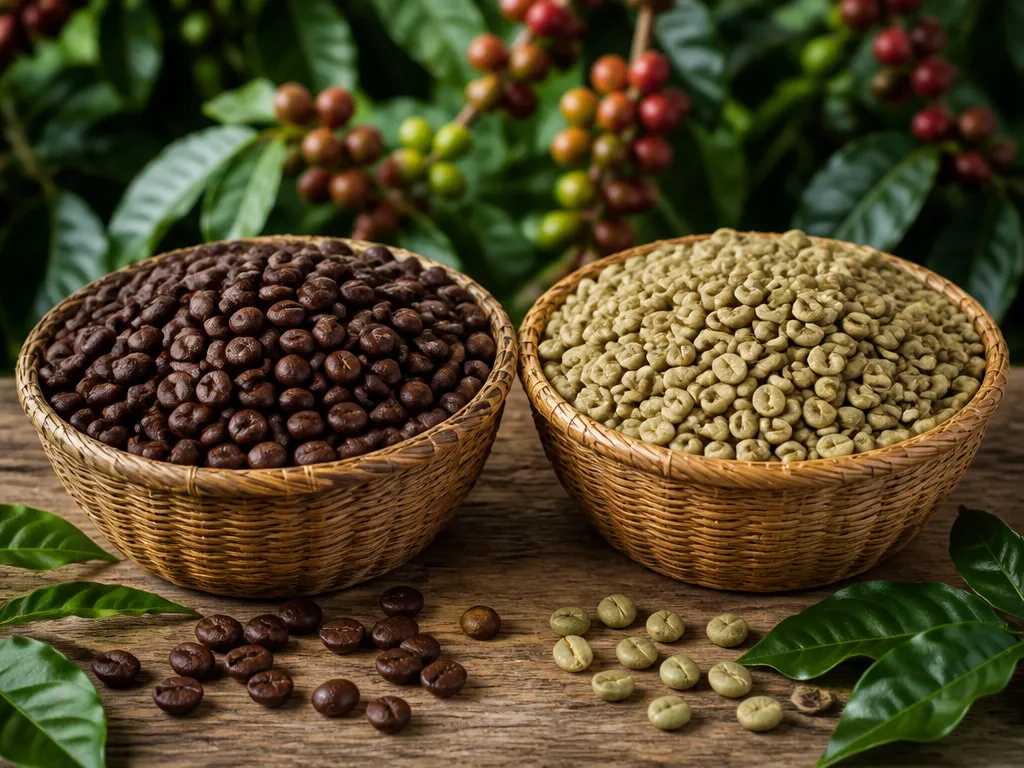
Organic coffee costs more, and the label matters only when it refers to USDA rules. You are choosing between coffee produced under USDA Organic standards, with restricted inputs and certified handling, and conventional coffee produced under different agricultural rules. Organic does not guarantee better taste or a health upgrade. It gives you a specific production standard; conventional coffee often gives you a lower price and wider availability.
The right choice depends on your priorities. Buy USDA Organic if certified production practices matter most. Buy conventional if value, freshness, and flavor matter more than the organic label.
Key Takeaways
- Organic is USDA-standardized. Products sold as organic in the U.S. must meet USDA organic rules, and only certified products can use the USDA organic seal.
- Label wording has rules. “100% Organic” means all ingredients are organic; “Organic” means at least 95% organic ingredients.
- Health benefits are not guaranteed. Organic coffee is not automatically more nutritious, though some people prefer its restricted-input production approach.
- Organic does not mean pesticide-free. Organic rules prohibit certain synthetic inputs, but approved pesticides can still be used.
- Processing affects exposure. Roasting and brewing influence what reaches your cup, not farm practices alone.
- Choose by priority. USDA Organic fits shoppers who value certified production standards; conventional often makes more sense for shoppers focused on price and availability.
What Organic and Conventional Coffee Mean
Organic coffee follows a specific production and handling standard. In the United States, the USDA Organic label applies to how coffee is grown, processed, and handled. Certified products must meet USDA requirements covering permitted inputs and production practices.
Conventional coffee follows a different set of agricultural and handling rules. It is not automatically unsafe or inferior, but it does not meet USDA Organic certification requirements. The price difference usually reflects the farm and supply-chain standards behind the label, not a promise that organic coffee will taste better or deliver measurable health benefits.
What the Organic Labels on Coffee Mean
The USDA Organic label is a compliance claim. It indicates that the product was made according to USDA Organic standards, which include practices intended to cycle resources, conserve biodiversity, and preserve ecological balance.
The wording also tells you how much of the product is organic:
- “100% Organic” means all ingredients are organic and the product may display the USDA Organic seal.
- “Organic” means at least 95% of the ingredients are organic and the product may display the USDA Organic seal.
- “Made with organic ingredients” means at least 70% but less than 95% of the ingredients are organic, and the product cannot display the USDA Organic seal.
Most bags marketed as organic coffee are designed to meet the higher “Organic” or “100% Organic” categories. Still, check the package when buying flavored coffee, instant mixes, or blends with added ingredients. Those additions can affect the product’s eligibility for the USDA seal.
How to Confirm That Coffee Is USDA Organic
Look for the USDA Organic seal and the exact label category. A certified product should clearly state whether it is “100% Organic,” “Organic,” or “Made with organic ingredients.”
Check especially carefully when buying pre-ground coffee, flavored coffee, or products with added ingredients. A coffee may contain organic ingredients without meeting the threshold for the USDA Organic seal.
A simple store rule works: choose a package with a clear USDA Organic seal and unambiguous label wording. Do not rely on vague front-of-bag language that sounds organic but does not identify a certification category.
Is Organic Coffee Healthier or More Nutritious?
Organic coffee is not a guaranteed health upgrade. USDA Organic standards regulate production inputs and handling practices; they do not promise that the finished coffee contains more nutrients or produces better health outcomes.
Coffee is also a modest source of nutrition compared with fruits, vegetables, whole grains, and proteins. For most people, the organic label is therefore more about production preferences and risk tolerance than a dramatic nutritional difference.
Pesticides, Antibiotics, and Coffee Production
USDA Organic standards restrict which substances may be used during production. Organic coffee is not absolutely pesticide-free; the claim means that pesticides prohibited under organic rules are not used in ways allowed under conventional farming.
Antibiotics matter mainly in livestock production, not coffee, because coffee is a plant crop. For coffee, the relevant issues are crop inputs, pest management, and the production practices required by the organic standard.
Which Coffee Should You Buy?
Use your budget strategically. Organic coffee typically costs more, so buying organic for the coffee you drink most often gives you the clearest reason to spend extra. If you drink coffee rarely or replace your supply infrequently, the additional cost may be easier to justify. Otherwise, conventional coffee can leave more money for brewing gear, better beans, or variety.
How to Compare Organic and Conventional Coffee
Compare the label first, then focus on the factors that affect the cup.
Start with the certification:
- Confirm that the package displays the USDA Organic seal.
- Check whether it says “100% Organic” or “Organic.”
- For flavored coffee and blends with added ingredients, verify the category because organic ingredients alone may not qualify the product for the USDA seal.
Then compare the factors you can taste:
- Roast freshness: Buy recently roasted coffee and store it properly.
- Brew method: Match the coffee to espresso, drip, pour-over, or French press.
- Roast profile: Lighter roasts tend to preserve more origin character.
Finally, compare the cost:
- Check the per-pound cost, or the per-ounce price for small bags.
- Consider how often you buy coffee. A price difference matters more when you purchase weekly.
Organic and Conventional Coffee Side by Side
| Category | Organic Coffee (USDA Organic) | Conventional Coffee |
|---|---|---|
| What the label guarantees | Meets USDA organic standards and can use the USDA organic seal | Produced under conventional rules, with no USDA organic certification implied |
| Label thresholds | “100% Organic” = all organic ingredients; “Organic” = at least 95% | No USDA organic ingredient percentage claim |
| What you are paying for | Restricted inputs and certified production and handling standards | Generally lower compliance costs and more flexible sourcing |
| Health and nutrition | Not automatically more nutritious, but fits a restricted-input preference | Not automatically worse for nutrition; nutrition depends more on your overall diet |
| Best for | People who prioritize production standards | People who prioritize value and availability |
| Biggest practical check | Look for the USDA Organic seal and exact label wording | Use roast freshness and taste as the main filters |
When two bags have similar roast dates and flavor profiles, certification becomes the main difference. I would choose the organic bag if certified standards matter more than saving the price difference. If the conventional bag is dramatically cheaper, I would buy it and put the savings toward fresher or higher-quality beans and better brewing.
Bottom line
The organic label describes certified production and handling practices, while freshness, roast quality, and flavor remain important when comparing the coffee itself.
Organic coffee is not automatically more nutritious. The better choice is the one that matches your priorities and budget.
FAQ
Is organic coffee worth the extra cost?
It can be worth the extra cost if you want the USDA Organic standard and the certified rules behind the label. Organic is not a guaranteed nutrition upgrade. For many people, conventional coffee provides similar daily satisfaction when it is fresh and brewed well.
How can I tell if coffee is truly USDA Organic?
Check the package for the USDA Organic seal and the exact organic category. “100% Organic” means all ingredients are organic, and “Organic” means at least 95% organic ingredients; both can display the seal. “Made with organic ingredients” means at least 70% but less than 95% of the ingredients are organic and cannot display the USDA Organic seal.
Does organic coffee contain fewer pesticides?
Organic rules restrict certain synthetic inputs, so the farming practices differ. Organic does not mean “no pesticides” in an absolute sense. Roasting and brewing also affect what reaches your cup. If you want to avoid inputs prohibited under USDA Organic rules, certified organic coffee matches that goal.
What is the biggest mistake people make when choosing organic coffee?
The biggest mistake is trusting vague “organic” wording without checking the USDA Organic seal or label category. This happens often with flavored coffees, blends, and products with added ingredients. Read the category carefully and look for the seal when you want certified organic coffee.
What is a good alternative if I want better coffee but not organic?
Focus on freshness and roast quality. Buy recently roasted beans, store them properly, and match the roast to your brew method, whether that is espresso, drip, pour-over, or French press. If price is the concern, a fresher conventional coffee can deliver a better cup per dollar than an older organic coffee.

- Unlocking the Venti: Discover the Perfect Shot Count for Your Drink - October 13, 2026
- Unpacking the Buzz: Caffeine Levels in Café Bustelo Espresso - October 13, 2026
- How to Fix Bitter Coffee: 10 Expert Ways to Improve the Taste - October 4, 2026