
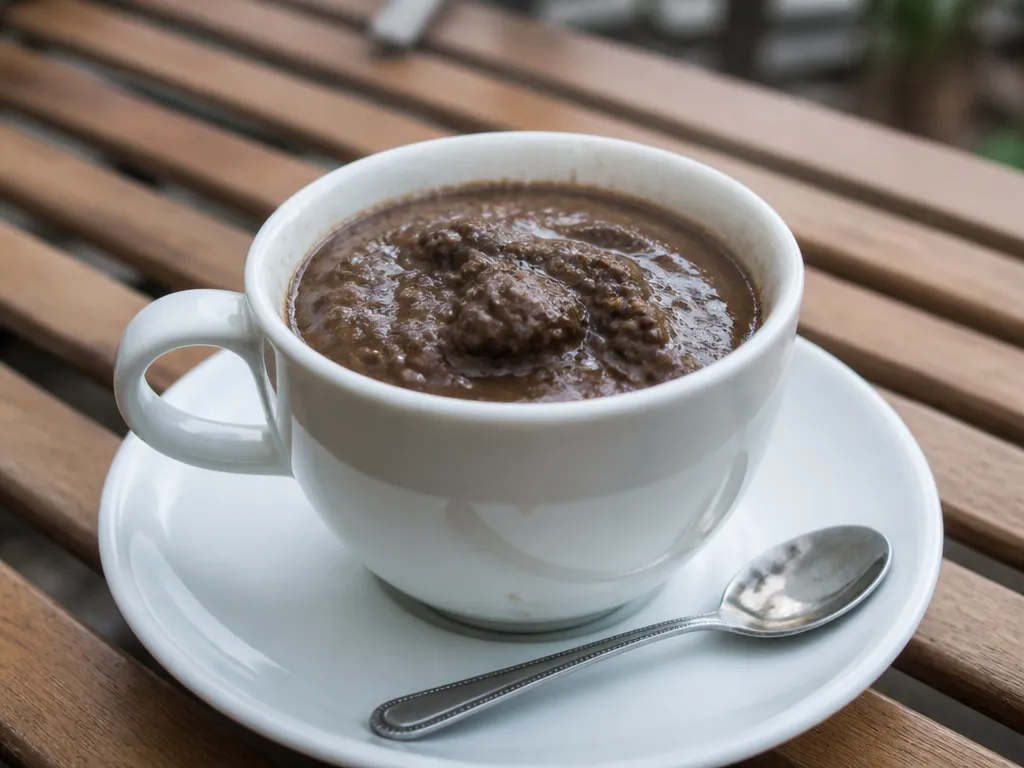
Coffee is not made from human poop. The “poop coffee” people talk about is usually civet coffee, made from beans that civets – wild, cat-like mammals – eat and later excrete. The beans are collected, washed, dried, and roasted before they become coffee.
So yes, “poop coffee” is real in a narrow sense: the beans pass through an animal’s digestive system. It does not mean coffee is brewed from human waste or that feces are mixed into the finished drink.
Key Takeaways
- It is not human poop. “Poop coffee” refers to beans collected after animal digestion, usually from civets.
- Product claims need scrutiny. Some brands use the nickname without clearly explaining their sourcing.
- Digestion can change flavor. Enzymes and digestive chemistry may alter compounds in the beans.
- Handling determines safety. Collection, washing, drying, and roasting matter more than the nickname.
- Marketing can be messy. Look for specific sourcing and processing details instead of paying for shock value.
Is Coffee Made of Poop? The Truth?
Coffee is made from coffee beans. Some specialty coffees use beans collected after they have passed through a civet’s digestive system, but the finished product is still processed coffee – not poop mixed into coffee.
The word “poop” is a blunt nickname for the collection step. Civet coffee is sometimes described as coming from “civet poop,” which is technically accurate because the beans are retrieved after excretion. Baristas do not brew feces, and the product has nothing to do with human waste.
Why People Call It “Poop Coffee”
The phrase comes from the way civet coffee is produced: civets eat coffee cherries, and collectors retrieve the beans after the animals excrete them. The detail is unusual enough to make a memorable sales pitch, so the nickname spread online and in retail descriptions.
Labels also add confusion. “Civet” and “kopi luwak,” a common name for civet coffee, are not always accompanied by clear information about sourcing or processing. A reader may see “poop coffee” and assume the product involves human waste, even though the actual process involves animal digestion.
The claim can become even more distorted through repetition. Someone hears that beans come from civet excrement, shortens it to “poop coffee,” and another person turns that into the false claim that coffee is made from human poop.
The rumor has a real source, but the common interpretation is wrong: animal-processed coffee is not human-waste coffee.
How Civet Coffee Is Made
Civet coffee begins with coffee cherries eaten by civets. The animals digest much of the fruit, while the beans generally pass through the digestive system intact enough to collect. Producers then wash, dry, and roast the beans as they would other coffee.
Digestion may change the beans’ aroma and flavor. Enzymes and digestive chemistry interact with the bean surface and its compounds, while the conditions inside the animal’s gut can create fermentation-like effects. Some drinkers describe the result as smoother or less bitter, though taste remains subjective and roasting and blend choice still have a major influence.
The process is not automatically transparent or ethical. A seller may claim civet origin without identifying the species, region, collection method, or post-collection handling. Without those details, “civet coffee” may be functioning more as a brand name than a verifiable production description.
What Digestion Does to Coffee Beans
Coffee beans sit inside the fruit of the coffee cherry and contain a complex mix of chemical compounds. When civets eat the cherries, they digest much of the fruit while enzymes and acids interact with the surface of the bean and the compounds around it.
That interaction may help explain why some fans describe civet coffee as smoother or less bitter. Changes to flavor molecules can affect the cup, but digestion does not eliminate bitterness for every drinker. Roasting level, bean origin, freshness, and blending still shape the final taste.
Digestion is only one part of the process. Poor handling afterward can introduce off-flavors, spoilage, or contamination risk. Beans left exposed after collection may deteriorate, and distinctive digestion chemistry cannot rescue a poorly washed or badly stored batch.
Food safety therefore depends heavily on what happens after the beans are collected. Washing, drying, storage, and roasting are essential steps, not minor details added to the story.
How Black Ivory Coffee Differs
Black Ivory coffee follows a similar idea but uses elephants rather than civets. Elephants eat coffee fruit, the beans pass through their digestive systems, and producers collect, wash, dry, and roast the beans.
The important difference is not only the animal. Digestion conditions and post-collection handling can affect how much fruit residue remains, how the beans dry, and how consistent the final product is from batch to batch. Black Ivory coffee can therefore taste different from civet coffee even though both use animal digestion and later bean collection.
Both belong to the same broad category: digested-then-processed coffee. When comparing them, check the animal, region, sourcing method, hygiene practices, and processing steps instead of assuming that the animal name alone guarantees quality.
Is “Poop Coffee” Safe to Drink?
Animal digestion does not automatically make coffee unsafe. Safety depends on how producers collect, wash, dry, store, and roast the beans afterward. The beans may pass through an animal before humans handle them, but sanitation during processing remains crucial.
The main concerns are contamination, inadequate washing, and poor drying. Beans collected from areas containing waste, soil, or other debris need thorough cleaning. Roasting can reduce some hazards, but it does not make every poor handling decision irrelevant.
Animal welfare can also signal broader supply-chain problems. Producers that treat animals poorly may also have inconsistent collection or handling practices, although the two issues are not identical.
How to Separate Marketing Claims From Facts
Evaluate three separate claims: the nickname, the production method, and the quality controls. “Poop coffee” is a label. Animal digestion is the method. Washing, drying, and roasting determine how the beans are handled afterward.
Use these signals when evaluating civet or animal-digestion coffee:
- Specific animal: The seller should name the animal, such as a civet or elephant, and explain how digestion and collection work.
- Clear processing steps: Look for washing, drying, and roasting details rather than vague claims that the product is “special” or “pure.”
- Consistent sourcing information: Missing batch, region, or sourcing details should make you cautious.
- No human-waste implication: Any suggestion that human waste is involved is misinformation.
| Value beyond the shock term: If the nickname is the only evidence of quality, you are paying for branding. | Claim you see | What it should mean | What to verify |
|---|---|---|---|
| “Poop coffee” | Beans collected after animal digestion | The animal is specified, and the product does not involve human waste | |
| “Gourmet smooth taste” | Processing may have changed the flavor profile | Roasting details and origin are provided | |
| “100% pure civet excrement coffee” | A phrase sometimes used loosely | The seller explains collection, cleaning, and processing | |
| “Health benefits” | A potentially exaggerated marketing claim | No concrete method or evidence is provided, so treat it as hype |
If a product page reads like a horror story but gives no practical processing details, skip it. The consumer problem is usually unclear sourcing and inconsistent quality, not the nickname itself.
FAQ
Is coffee made of poop?
No. Coffee is not made from human poop. The “poop coffee” nickname usually refers to civet coffee, in which civets eat coffee cherries and the beans are collected after digestion, then washed, dried, and roasted.
Is civet coffee actually made from poop?
The beans are collected from animal excretion after digestion, so the phrase is literal in that limited sense. The finished product consists of coffee beans that undergo normal washing, drying, and roasting.
Is poop coffee safe to drink?
It can be safe, but safety depends on collection hygiene, washing, drying, and roasting controls. If a brand cannot explain how it handles the beans, treat the purchase as more uncertain.
How can I tell if a “poop coffee” product is legitimate?
Look for the specific animal, sourcing details, collection method, and evidence that the beans are washed and dried before roasting. Avoid listings that imply human waste or rely entirely on vague claims about a “special” process.
What is a common mistake people make about poop coffee?
People often assume the phrase means humans brewed coffee from waste, or that all animal-digestion coffees are identical. The actual method involves coffee beans passing through an animal’s digestive system and being collected afterward. Quality still depends on the producer and processing.
Buy animal-digestion coffee only when the seller clearly explains the animal, source, and bean handling. If the product story is mostly meme language, treat it as novelty branding and choose a specialty coffee that lists its origin and processing instead.

- Espresso Tastes Watery? 10 Common Causes and How to Fix It - October 23, 2026
- 10 Common Coffee Equipment Cleaning Mistakes and How to Avoid Them - October 23, 2026
- 17 Common Coffee Grinder Problems and How to Fix Them - October 23, 2026