
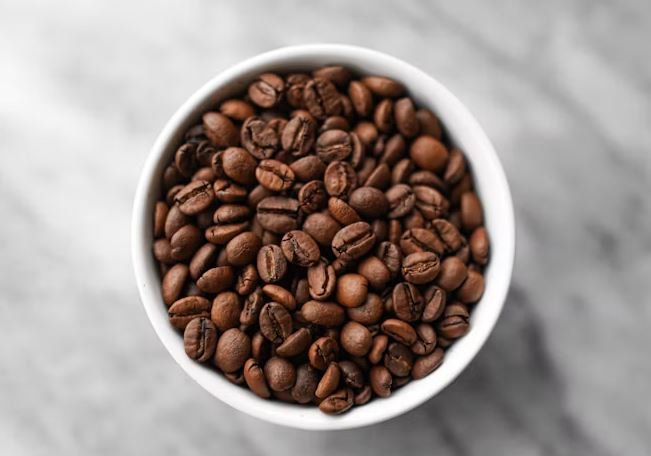
Roasting coffee beans at home is a great way to enjoy fresh coffee and explore different flavors. Instead of buying pre-roasted beans, you can choose green coffee beans and roast them to your preferred level. You also get more control over the aroma, color, and taste of your coffee.
The process may seem complicated at first, but beginners can start with simple equipment and small batches. You do not need an expensive coffee roasting machine to get started. A suitable popcorn popper, stovetop pan, or dedicated home coffee roaster can help you roast green coffee beans.
In this guide, I will explain how to roast coffee beans at home, what equipment you need, which roasting methods work best, and how to avoid common mistakes.
What Is Home Coffee Roasting?
Home coffee roasting is the process of heating raw, green coffee beans until they develop the color, aroma, and flavor associated with roasted coffee. Green coffee beans are relatively hard and have a grassy or earthy smell. Roasting changes their chemical structure and creates the familiar coffee flavors.
How Green Coffee Beans Become Roasted Coffee
When green coffee beans receive heat, they gradually lose moisture and change color. Their natural sugars and other compounds undergo chemical reactions that develop the coffee’s aroma and taste.
During roasting, beans expand, become lighter in density, and produce noticeable cracking sounds. The final flavor depends on several factors, including bean origin, moisture, roasting temperature, airflow, and roasting time.
Why Roast Coffee Beans at Home?
Home roasting gives you more control over your coffee. You can experiment with different roast levels and discover which flavors you enjoy most.
Some benefits include:
- Freshness: You can roast smaller batches when needed.
- Flavor control: Choose light, medium, or dark roast levels.
- Experimentation: Compare different origins and bean varieties.
- Customization: Adjust your roasting approach to suit your brewing method.
- Learning experience: Understand how roasting influences coffee flavor.
However, home roasting requires practice. Your first batch may not taste exactly as expected, but small experiments can help you improve.
What Equipment Do You Need to Roast Coffee at Home?
You do not need a professional coffee roasting setup to begin. The equipment depends on your chosen roasting method and how frequently you plan to roast.
Essential Coffee Roasting Equipment
Here are the basic items you should prepare:
- Green coffee beans: These are unroasted beans specifically sold for coffee roasting.
- Coffee roaster or suitable roasting pan: Choose equipment designed or suitable for handling high heat.
- Heat source: This may be an electric heating element, stovetop, or another compatible source.
- Digital thermometer: Useful for monitoring temperature when your equipment supports accurate measurement.
- Kitchen scale: Helps you measure consistent batch sizes.
- Timer: Allows you to track roasting duration.
- Heat-resistant gloves: Protect your hands when handling hot equipment.
Optional Tools That Make Roasting Easier
Some additional tools can improve the process:
- Metal colander: Helps cool roasted beans.
- Wooden spoon: Useful for stirring beans in a pan.
- Kitchen exhaust fan: Helps remove smoke and roasting odors.
- Airtight coffee container: Keeps roasted beans protected during storage.
A dedicated coffee roaster is usually easier to control than improvised equipment. However, beginners can learn the basics using a suitable alternative.
Choosing the Right Green Coffee Beans
The quality of your green coffee beans has a major influence on the final cup. Even excellent roasting techniques cannot completely correct poor-quality or defective beans.
Types of Green Coffee Beans
Two common coffee species are:
Arabica: Arabica beans often have a wider range of flavor characteristics, including fruity, floral, sweet, and acidic notes. They are popular among specialty coffee drinkers.
Robusta: Robusta beans generally have a stronger, more bitter flavor and higher caffeine content than Arabica. They are commonly used in espresso blends and instant coffee.
You can also choose single-origin beans or blends. Single-origin coffee comes from a particular geographic origin, while blends combine beans from different sources to create a particular flavor profile.
What to Look for When Buying Green Coffee
Before purchasing green beans, consider these points:
- Choose beans from a reliable supplier.
- Look for consistent bean size and color.
- Avoid beans with visible mold or unusual damage.
- Check the origin and processing information.
- Consider the flavor characteristics you prefer.
If you are a beginner, start with a small quantity of good-quality green Arabica beans. This makes it easier to compare roasting results without wasting too much coffee.
Understanding the Different Coffee Roast Levels
Coffee roast levels describe how long and how far the beans have developed during roasting. The three common categories are light, medium, and dark roast.
Light Roast
Light-roasted coffee beans usually have a light brown color and a relatively dry surface.
They often preserve more of the characteristics associated with their original coffee origin. Depending on the beans, you may notice fruity, floral, citrus, or bright acidic notes.
Light roasts are suitable for people who enjoy more delicate and origin-specific flavors.
Medium Roast
Medium-roasted beans have a deeper brown color. They offer a balance between the coffee’s original characteristics and flavors developed during roasting.
You may notice chocolate, caramel, nutty, or balanced fruity flavors. Medium roasts are versatile and work well with several brewing methods, including drip coffee makers and pour-over equipment.
Dark Roast
Dark-roasted beans have a dark brown color and may develop an oily surface.
Their flavors often include dark chocolate, roasted nuts, smoke, or bitterness. The original characteristics of the beans may become less noticeable as roasting progresses.
Dark roasts can suit people who prefer bold flavors, but excessive roasting can produce unpleasant burnt or ashy notes.
How to Choose the Right Roast Level
Your preferred roast depends on your taste and brewing method.
- Choose light roast for brighter, more delicate flavors.
- Choose medium roast for balanced everyday coffee.
- Choose dark roast for stronger, deeper roasted flavors.
There is no single best roast level. Experiment with different levels to find what works for you.
Best Methods to Roast Coffee Beans at Home
There are several ways to roast coffee beans without investing in a commercial roasting machine. Each method has advantages and limitations.
Using a Home Coffee Roaster
A dedicated home coffee roaster is one of the most convenient options.
These machines are designed specifically for roasting coffee. Depending on the model, they may offer adjustable temperature, airflow, roasting profiles, and cooling functions.
They generally provide better control and consistency than improvised methods. However, their capacity and features vary, so check the manufacturer’s instructions before purchasing.
Using a Stovetop or Heavy Pan
A heavy pan can be used for small-batch coffee roasting if it is suitable for high-temperature cooking.
Add a small quantity of green beans and stir continuously to distribute heat. Watch the color and listen for cracking sounds.
The main challenge is maintaining even heat. Beans can burn on the outside while remaining underdeveloped inside if the temperature is too high or stirring is inconsistent.
Using a Popcorn Popper
Some hot-air popcorn poppers can roast coffee beans because they circulate heated air around the beans.
However, not every popcorn popper is suitable. Check the manufacturer’s instructions and safety limitations before using one.
A suitable model can provide relatively even roasting through continuous air movement. You should also consider batch size, chaff collection, and ventilation.
Can You Roast Coffee Beans in an Oven or Air Fryer?
An oven or air fryer may appear convenient, but neither is necessarily designed for coffee roasting.
Air circulation, temperature accuracy, and bean movement can affect the results. Beans may roast unevenly, and loose chaff can create additional cleaning and fire-safety concerns.
If you want consistent results, a dedicated coffee roaster or a suitable hot-air popcorn popper is generally a better starting point.
How to Roast Coffee Beans at Home: Step-by-Step Guide
Once you have selected your green coffee beans and equipment, you can begin roasting. Follow these steps to understand the process.
Step 1: Measure Your Green Coffee Beans
Start with a small batch. Measure the beans using a kitchen scale so you can repeat the same process later.
A smaller batch is easier to monitor and helps you learn how different roasting conditions affect flavor.
Remember that roasted beans lose weight because they release moisture and other volatile compounds.
Step 2: Prepare Your Roasting Equipment
Clean your equipment and make sure it is ready for use.
Choose a well-ventilated location, preferably near a suitable kitchen exhaust system. Coffee roasting produces smoke, odors, and loose chaff, particularly during darker roasts.
Keep flammable materials away from the heat source.
Step 3: Preheat the Roaster or Heat Source
Preheat your equipment according to the manufacturer’s instructions.
Consistent heat helps beans roast more evenly. However, the correct settings depend on your equipment, batch size, and roasting method.
Do not assume that the same temperature setting will produce identical results in different machines.
Step 4: Add the Green Coffee Beans
Carefully add the measured beans to your roasting equipment.
Avoid overcrowding. Beans need sufficient heat circulation or movement to roast evenly.
If you are using a pan, spread the beans in a suitable layer and prepare to stir continuously.
Step 5: Monitor the Roasting Process
Watch the beans as they change from green to yellow, then light brown and darker brown.
You will also notice changes in smell. The initial grassy aroma gradually develops into a more recognizable roasted coffee fragrance.
Listen for the first crack. This is a series of popping sounds caused by pressure building inside the beans as moisture and gases escape.
Record the time and observe the bean color. These details will help you repeat successful batches.
Step 6: Choose Your Desired Roast Level
Decide how dark you want your coffee before roasting.
For a light roast, you may stop around the first crack. For medium and dark roasts, beans generally need additional development after the first crack.
The exact stopping point depends on the bean, equipment, and desired flavor.
Avoid roasting too far. Excessive heat can create burnt, smoky, and bitter flavors.
Step 7: Cool the Roasted Coffee Beans
Remove the beans from the heat when they reach your preferred roast level.
Cooling is important because hot beans continue to develop flavor and may keep roasting if left in a hot container.
Transfer them to a suitable cooling tray or metal colander. Allow heat to escape and remove loose chaff.
Use caution when handling hot beans and equipment.
Step 8: Let the Beans Rest
Freshly roasted coffee beans release carbon dioxide through a process called degassing.
Allowing the beans to rest gives them time to release some of this gas before brewing. The ideal resting period depends on roast level, bean characteristics, and brewing method.
Store the beans in an appropriate container while they rest. You can then grind and brew them to evaluate the flavor.
Understanding the Coffee Roasting Stages
Understanding the stages of roasting makes it easier to recognize what is happening inside the beans.
Drying Stage
Green coffee beans contain moisture. During the drying stage, heat causes this moisture to evaporate.
The beans gradually change from green to yellow. Their grassy smell also starts to change.
Browning Stage
The beans become increasingly brown as chemical reactions develop their aroma and flavor.
One important process is the Maillard reaction, which involves reactions between amino compounds and reducing sugars.
These reactions contribute to the complex flavors and aromas associated with roasted coffee.
First Crack
The first crack is an important roasting milestone.
As pressure builds inside the beans, they expand and produce audible cracking sounds. This usually indicates that the beans have reached a light-roast development point.
You can use this stage as a reference when deciding how far to continue roasting.
Development Stage and Second Crack
After the first crack, roasting continues to develop the flavor.
The beans become darker, and their flavor characteristics change. Some roasts may eventually reach a second crack, which is generally associated with darker roasting.
Continuing too far can increase bitterness and create burnt or ashy flavors.
Coffee Roasting Temperature and Timing: What Beginners Should Know
Temperature and time are two important factors in home coffee roasting. However, neither should be considered independently of the equipment and bean characteristics.
Understanding Roasting Temperature
Coffee roasting requires controlled heat. The actual temperature readings depend on where and how they are measured.
For example, bean temperature and the air temperature inside a roaster are not the same. Different machines may also display different readings under similar roasting conditions.
Follow the equipment manufacturer’s guidance rather than applying one universal temperature setting.
How Long Does It Take to Roast Coffee Beans?
Roasting time varies depending on the following factors:
- Type and size of green coffee beans.
- Moisture content of the beans.
- Roasting equipment.
- Batch size.
- Heat intensity and airflow.
- Desired roast level.
Some home roasting methods may take several minutes, while others may require longer.
Instead of relying only on the timer, observe bean color, smell, and cracking sounds. Keeping a roasting log will help you understand which process produces the best results.
Common Home Coffee Roasting Mistakes and How to Avoid Them
Beginners often make a few common mistakes when learning how to roast coffee beans at home. Understanding these problems can help you achieve better results.
Roasting at Too High a Temperature
Excessive heat can burn the outside of the beans before the inside develops properly.
How to avoid it: Follow your equipment’s recommended settings and make gradual adjustments between batches.
Overloading the Roaster
Too many beans can restrict airflow and prevent even heat distribution.
How to avoid it: Follow the recommended batch capacity and start with smaller quantities.
Ignoring the First Crack
The first crack provides useful information about the roasting stage.
How to avoid it: Listen carefully and use the sound alongside bean color and aroma to monitor development.
Cooling Beans Too Slowly
Hot beans may continue roasting after being removed from the heat.
How to avoid it: Transfer them to an appropriate cooling surface and allow them to cool quickly.
Grinding or Brewing Too Soon
Freshly roasted beans contain carbon dioxide that can affect extraction and brewing.
How to avoid it: Allow the beans to rest before brewing. Adjust the resting period based on the roast and brewing method.
How to Store Freshly Roasted Coffee Beans
Proper storage helps preserve the flavor and aroma of your home-roasted coffee.
Best Storage Conditions
Store roasted coffee beans in an airtight container. Keep the container in a cool, dry, and dark location.
Avoid exposing the beans to direct sunlight, excessive heat, moisture, and strong odors.
Whole beans generally retain their quality longer than ground coffee because grinding increases their exposure to air.
How Long Do Home-Roasted Coffee Beans Stay Fresh?
Freshly roasted beans need some resting time before brewing. The ideal period depends on the roast level and brewing method.
Many home roasters begin testing their coffee after a few days and adjust the resting period according to taste.
For the best results, roast manageable quantities instead of producing more coffee than you can use while it remains fresh.
Frequently Asked Questions About Roasting Coffee at Home
Can Beginners Roast Coffee Beans at Home?
Yes. Beginners can roast coffee beans at home using suitable equipment and small batches. A dedicated home coffee roaster is often the easiest option because it offers better control over the process.
Is It Cheaper to Roast Coffee Beans at Home?
It can be cheaper in some situations, especially if you buy green coffee beans in larger quantities and roast regularly. However, equipment costs, electricity, wasted batches, and your time should also be considered.
Can You Roast Coffee Beans Without a Coffee Roaster?
Yes. Some people use suitable hot-air popcorn poppers or stovetop pans. However, these methods require careful heat control and proper ventilation. Always check equipment safety instructions before using an alternative roasting method.
How Many Minutes Does It Take to Roast Coffee Beans?
Roasting time varies with the equipment, bean type, batch size, and desired roast level. Rather than following a fixed time, monitor the color, aroma, temperature, and first crack.
Should You Wash Green Coffee Beans Before Roasting?
Generally, no. Commercially prepared green coffee beans do not normally need washing before roasting. Introducing water can affect moisture levels and complicate the roasting process. Follow the supplier’s handling instructions.
Can You Grind Coffee Beans Immediately After Roasting?
You can grind them immediately, but brewing straight away may not produce the best results. Allowing freshly roasted beans to degas can improve brewing consistency and flavor.
What Is the Easiest Way to Roast Coffee Beans at Home?
A dedicated home coffee roaster is generally the easiest option for beginners. It provides a more controlled environment and often includes features that simplify temperature management and cooling.
12. Final Thoughts: Is Home Coffee Roasting Worth It?
Learning how to roast coffee beans at home can make your coffee experience more interesting. You can experiment with different green beans, compare roast levels, and develop flavors that match your preferences.
Start with a small batch and use equipment that is suitable for coffee roasting. Pay attention to the first crack, monitor the bean color, and cool the beans quickly after roasting.
Most importantly, keep notes about your roasting time, equipment settings, and results. With practice, you can develop a repeatable roasting process and enjoy fresh coffee made according to your taste.

- Espresso Bar Wedding: Ideas, Setup, Costs, and Tips for a Memorable Coffee Experience - November 11, 2026
- How Many Grams of Espresso Beans for a Double Shot? A Complete Brewing Guide - November 11, 2026
- Brasilia Espresso Machine: Features, Performance, Models, and Buying Guide - November 11, 2026