
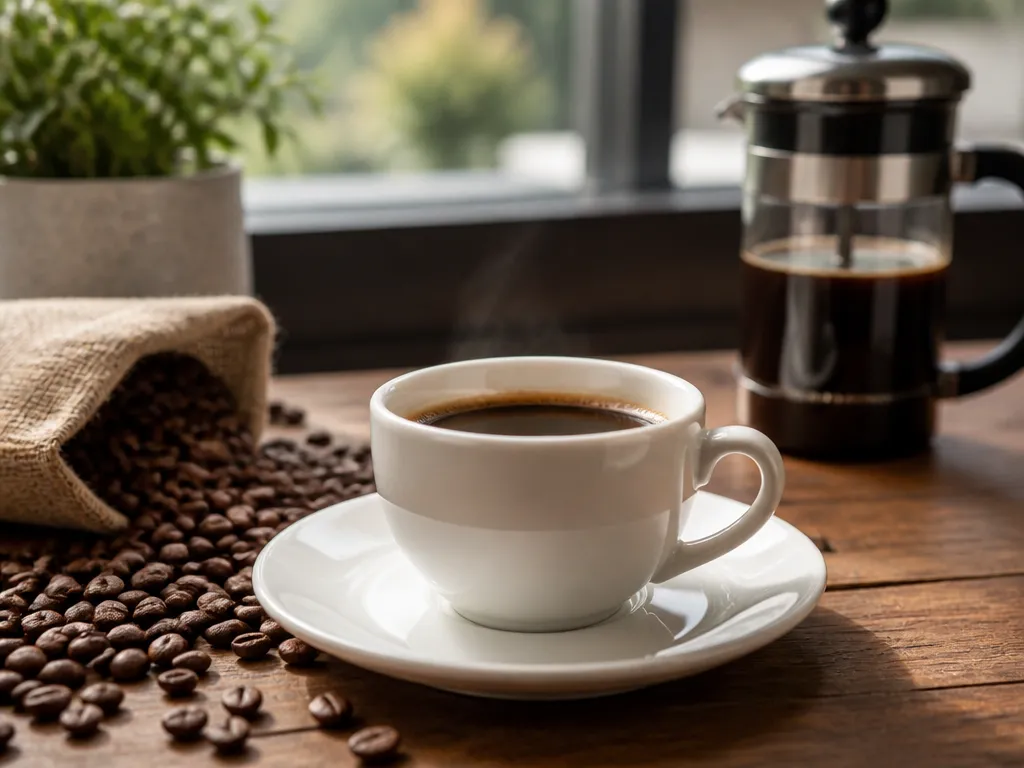
Fresh coffee at home comes down to three controllable variables: grind size, dose, and water temperature. Starting with whole coffee beans instead of grounds, you can make consistently good cups with a grinder and a simple measuring routine. Grind fresh, use the right coffee-to-water ratio, heat water to about 195 to 205°F (90 to 96°C), and brew for the right amount of time. Expect better results within 2 to 3 adjustments, because grind and ratio change flavor quickly.
Key Takeaways
- Use a burr grinder. It produces more even grounds, which improves consistency.
- Start with a 1:16 ratio. Use about 1 gram of coffee for every 16 grams of water.
- Use hot, not boiling, water. Target 195 to 205°F (90 to 96°C) for most brewing methods.
- Match grind size to the method. Pour over needs medium-fine grounds, French press needs coarse grounds, and espresso needs very fine grounds.
- Measure every dose. A scale produces more repeatable coffee than scooping or guessing.
- Change one variable at a time. Adjust the grind, dose, or brew time, then taste the result.
How to Make Coffee With Whole Beans at Home
Make coffee from whole beans in three basic steps: grind the beans, measure the coffee and water, and brew at the right temperature for your method. When home coffee tastes wrong, grind size or dose is usually the problem – not the beans themselves.
Start with one method, such as pour over, French press, or espresso. Once the process is reliable, different beans will taste different without changing your basic workflow.
What You Need to Grind and Brew Coffee Beans
Whole beans stay fresher than pre-ground coffee, but you need a grinder to use them. A burr grinder is the better choice because it produces more uniform grounds. Blade grinders create a mix of fine and coarse particles, which extract unevenly and make each cup harder to repeat.
Choose beans you enjoy and store them in an airtight container away from heat and light. You will also need equipment for your chosen brewing method: a dripper and filter for pour over, a press for French press, or an espresso machine and tamper for espresso. Add a kettle and a way to measure both coffee and water.
- Burr grinder – best for consistent grind sizes
- Whole coffee beans – choose a roast you enjoy
- Kettle with temperature control, or a reliable thermometer
- Scale – the fastest way to repeat a good cup
- Timer – especially useful for pour over and espresso
- Filters for pour over, if your method requires them
You can begin without a scale, but volume measurements are difficult to reproduce. A scoop can hold different amounts depending on the grind size and how tightly the coffee settles.
Choose a Roast and Grind Size
Roast level changes the coffee’s flavor, while grind size controls how quickly water extracts flavor from the grounds. Match the grind to the brewing method first, then adjust it according to taste.
- Pour over: medium-fine
- French press: coarse
- Espresso: very fine
Grounds that are too fine can over-extract and produce bitter or heavy coffee. Grounds that are too coarse can under-extract and produce sour, thin, or watery coffee.
Set your grinder near its middle setting for your chosen method and write down the setting. If the coffee tastes too bitter, move a little coarser. If it tastes too sour, move a little finer.
Useful starting descriptions:
- Pour over: medium-fine
- French press: about the texture of coarse sea salt
- Espresso: about the texture of fine sand
Grinder settings are not standardized, so another grinder’s number will not necessarily match yours. Consistent notes and small changes are more useful than copying an exact setting.
Measure the Coffee Dose, Water, and Temperature
A ratio gives you a repeatable starting point instead of forcing you to guess. For many brewing methods, begin with a 1:16 coffee-to-water ratio by weight.
Example:
- Coffee dose: 20 g
- Water: 320 g (20 x 16)
Heat the water to:
- Target temperature: 195 to 205°F (90 to 96°C)
Boiling water is usually hotter than necessary. Water that is too cool often produces flat or sour coffee because it does not extract enough flavor. A thermometer makes the process more consistent, but many kettles with a coffee or brew preset fall near the right range.
- Weak or watery coffee: increase the dose slightly, such as from 20 g to 22 g, or grind a little finer.
- Bitter or harsh coffee: reduce the dose slightly, such as from 20 g to 18-19 g, or grind a little coarser.
- Sour or sharp coffee: grind finer or brew slightly longer.
Brew With Pour Over, French Press, or Espresso
Choose the method based on the texture and flavor you want. Pour over produces a cleaner, brighter cup, French press produces a fuller body with more sediment, and espresso produces a concentrated drink.
Pour Over
Use a medium-fine grind and a paper filter if you want a cleaner cup. Pour the water in a controlled way, keeping the coffee bed evenly wet during the main pour so the grounds extract evenly.
Pour over works well as an everyday method for learning because small changes in grind size, dose, and pouring technique show up clearly in the cup.
French Press
French press requires coarse grounds and a controlled steep. It produces a rich, heavy cup, although it will not have the same clarity as filtered coffee because some fine particles remain in the brew.
Use coarse grounds to reduce the chance of over-extraction and gritty bitterness. If the coffee tastes sour, try a slightly finer grind before changing several other parts of the recipe.
Espresso
Espresso needs very fine grounds and depends more heavily on equipment, dose, and pressure. Hot water moves through the grounds under pressure, so even good beans may take several attempts to dial in.
| Method | Best Starting Grind | Best Starting Ratio | Best For |
|---|---|---|---|
| Pour over | Medium-fine | 1:16 | Clean, bright cups with control |
| French press | Coarse | 1:16 | Full-bodied coffee with less fuss |
| Espresso | Very fine | Varies by recipe | Concentrated shots and milk drinks |
Fix Bitter, Sour, or Weak Coffee
Most brewing problems come from over-extraction or under-extraction. Bitter coffee usually means the water pulled too much from the grounds, often because the grind was too fine, the water was too hot, or the brew lasted too long. Sour coffee usually means the water pulled too little, often because the grind was too coarse or contact time was too short. Weak coffee usually points to an unbalanced dose or ratio.
Use the flavor to choose your next adjustment:
- Bitter coffee: try a slightly coarser grind, reduce the dose, or lower the water temperature within 195 to 205°F (90 to 96°C).
- Sour coffee: try a slightly finer grind, increase brew time slightly, or keep the temperature firmly within 195 to 205°F (90 to 96°C).
- Weak coffee: increase the dose or use a slightly finer grind. If the grind is already fine, increase the dose before extending steep time.
If French press coffee tastes sour, go a little finer while keeping the same steep time. After that improves the cup, experiment with brew time or steep temperature.
Use this troubleshooting routine:
- Keep the water temperature consistent.
- Keep the ratio consistent.
- Change the grind by one step and brew again.
- Taste the coffee and repeat if needed.
Serve and Store Coffee for Better Flavor
Brewed coffee changes as it sits. It tastes best soon after brewing and loses quality more quickly when it remains on a hot warming plate.
Serve it hot, but avoid cooking it on a burner for an extended time. If you need to keep coffee hot for later, use an insulated container instead of a high-heat warming plate. For the best flavor, brew only what you expect to drink within a short window.
Protect the beans from air, heat, light, and moisture. Store them in an airtight container in a cool, dark place, and avoid opening the container more often than necessary. If you buy a big bag and will use it over time, freezing portions can help, but thaw and open each portion in a way that minimizes moisture exposure.
Reheating usually makes coffee taste flatter or more burnt because the drink continues to change as it is heated and exposed to air. If you must reheat it, do so gently and expect the flavor to differ from fresh coffee.
- Fresh brew tastes best within minutes.
- Reheat only if you have to.
- Store beans airtight from day one.
FAQ
How much coffee per cup should I use at home?
Start with a 1:16 coffee-to-water ratio by weight. For example, use 20 g coffee and 320 g water. If the coffee tastes too strong, lower the dose to 18-19 g. If it tastes weak, raise it to 22 g, then keep the grind size the same for that test.
What water temperature is best for making coffee with beans?
Aim for 195 to 205°F (90 to 96°C) for most brewing methods. Water that is too cool often produces sour or thin coffee, while very hot water can pull out harsh flavors and make the coffee taste bitter. Use a kettle with a temperature setting if you have one; otherwise, use a thermometer for your first few cups.
Why does my coffee taste bitter, even with good beans?
Bitter coffee usually comes from over-extraction. Common causes include a grind that is too fine, water that is too hot, or a brew time that is too long. Move one step coarser while keeping the same ratio and temperature. If the bitterness remains, lower the dose slightly or shorten the contact time.
How do I choose a grind size without a lot of trial and error?
Match the grind to the method first. Start with medium-fine for pour over, coarse for French press, and very fine for espresso. Brew one cup, then compare the result with the next cup. Recording the setting and tasting the result will help you learn how your grinder behaves.
What’s the most common mistake people make when brewing at home?
The most common mistake is skipping measurement and relying on scoop sizes. That makes the dose inconsistent, so flavor changes become difficult to reproduce. Use a small kitchen scale, record the coffee dose, water amount, and grind setting, and adjust one variable per cup. This makes good coffee easier to repeat.

- Espresso Tastes Watery? 10 Common Causes and How to Fix It - October 23, 2026
- 10 Common Coffee Equipment Cleaning Mistakes and How to Avoid Them - October 23, 2026
- 17 Common Coffee Grinder Problems and How to Fix Them - October 23, 2026