
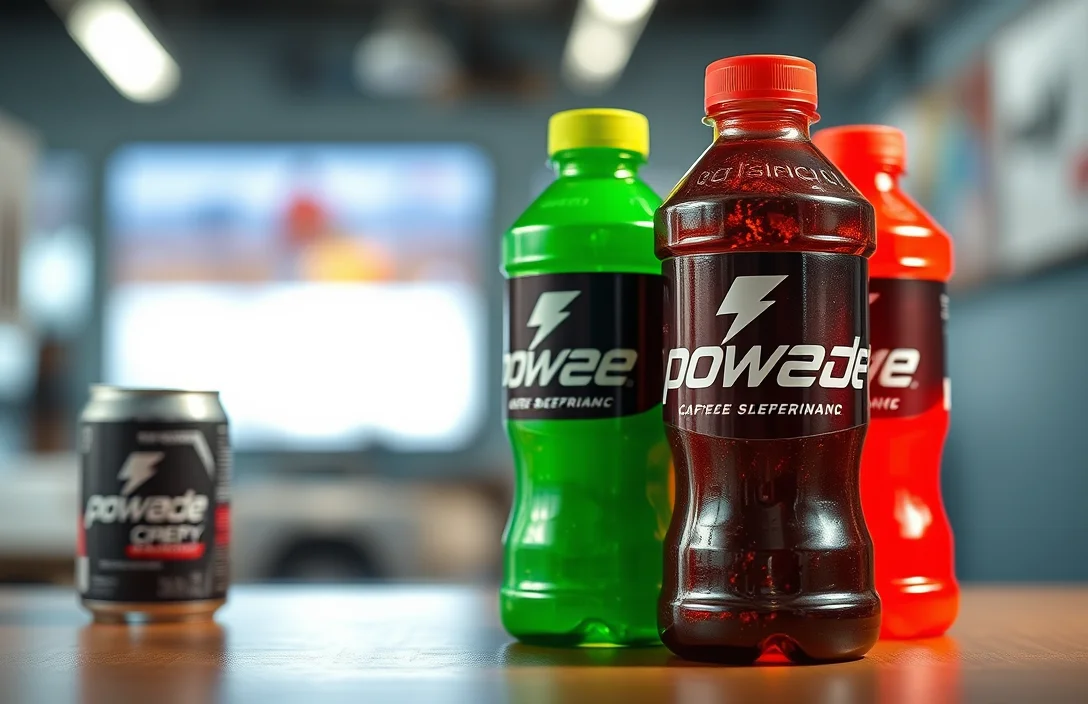
Powerade contains about 0 mg of caffeine per 20 oz serving, making it a caffeine-free option among sports drinks. This fact is crucial for athletes who prefer to avoid caffeine while still benefiting from hydration and electrolytes during intense physical activities.
Key points: Powerade is caffeine-free, which means it won’t contribute to caffeine-related hydration issues. It’s formulated to rehydrate and replenish electrolytes without the stimulating effects of caffeine.
Powerade Ingredients Overview
Powerade contains a blend of electrolytes, carbohydrates, and flavors designed to hydrate and replenish energy during physical activity. Notably, this drink does not include caffeine in its standard formulations. Athletes seeking caffeine for performance enhancement must consider alternative sources, as the absence of this stimulant in Powerade could affect energy levels during prolonged exercise.
Research suggests that caffeine can improve endurance and reduce perceived exertion. For athletes who rely on this benefit, examining other options might be necessary. Powerade serves primarily as a hydration solution, making it ideal for rehydrating after intense workouts rather than providing a caffeine boost. Understanding the role of caffeine in sports performance enables smarter choices in beverage selection.
Many athletes prefer drinks with caffeine to enhance focus and energy. While Powerade is effective for hydration, alternatives such as energy drinks or coffee may be more suitable for those looking to incorporate caffeine. Evaluating personal needs and performance goals will help determine the best hydration strategy to support athletic pursuits.
Caffeine Sources in Drinks
Caffeine naturally occurs in various beverages, impacting athletic performance and energy levels. Many athletes seek out drinks that provide a boost without compromising hydration. Powerade, primarily known for its electrolytes, does not contain caffeine in its standard formulations. This absence makes it a suitable choice for hydration during intense workouts.
Sports drinks often blend ingredients to optimize performance, and caffeine is a common addition in many brands. While Powerade focuses on hydration, other options like energy drinks or certain coffee-based beverages offer higher caffeine content. Athletes should assess their specific needs regarding energy and hydration when selecting drinks.
Research indicates that moderate caffeine consumption can enhance endurance and reduce perceived exertion. If athletes opt for caffeinated alternatives, timing and quantity are essential. Consuming caffeine too close to exercise can lead to potential dehydration, undermining performance. Therefore, knowing how much caffeine is in Powerade and similar drinks is crucial for making informed choices.
Comparing Caffeine Levels
Powerade contains no caffeine at all. Unlike many energy drinks, this sports beverage focuses on hydration and replenishing electrolytes rather than providing a stimulant boost. Athletes seeking caffeine for performance enhancement will need to consider other options, as Powerade does not contribute to that aspect of energy management.
Many athletes prefer caffeine for its potential to improve focus and endurance. Research indicates that caffeine can enhance performance by increasing alertness and reducing perceived effort during exercise. Since Powerade lacks this component, athletes may choose to supplement their hydration with caffeinated beverages before or during workouts.
Deciding on hydration strategies can involve considering caffeine’s effects. While caffeine aids in performance, it can also lead to increased urination, which might counteract hydration efforts. Balancing caffeinated drinks with adequate water or non-caffeinated electrolytes, like Powerade, ensures optimal performance without risking dehydration.
Powerade vs Other Sports Drinks
Powerade contains no caffeine, making it distinct compared to many other sports drinks. While some competitors incorporate caffeine to boost energy and focus, Powerade focuses on hydration and electrolyte replenishment. This absence of caffeine might appeal to athletes looking to avoid potential side effects associated with caffeine consumption, such as jitters or increased heart rate.
Electrolytes in Powerade, such as sodium and potassium, play a crucial role in maintaining fluid balance during exercise. Hydration remains a priority, especially during intense workouts. Athletes may prefer Powerade to maintain their hydration levels without the added stimulant effects of caffeine, which can sometimes lead to increased urine output and potential dehydration.
Nutrition labels vary, so always check for caffeine content in any sports drink. While Powerade avoids caffeine, some brands include it as an ingredient, which can affect performance and hydration differently. Assess your individual performance needs and consider whether caffeine aligns with your goals before choosing a beverage.
Effects of Caffeine on Hydration
Caffeine acts as a diuretic, which can impact hydration levels. While moderate consumption may not lead to significant dehydration, excessive intake during workouts can result in fluid loss. Athletes should be mindful of their total caffeine consumption, especially if they consume other caffeinated products alongside sports drinks like Powerade.
Research indicates that caffeine can enhance endurance and performance, particularly in high-intensity activities. This stimulant may help reduce perceived exertion, allowing athletes to push through fatigue. Balancing caffeine intake with hydration is essential to maintain optimal performance without compromising fluid status.
Monitoring individual responses to caffeine is crucial. Each athlete may react differently, and some might experience increased heart rate or gastrointestinal discomfort. Testing caffeine in training sessions can help identify the right amount that boosts performance without negative side effects, ensuring an athlete’s hydration strategy remains effective.
Recommended Daily Caffeine Intake
Experts suggest limiting caffeine intake to 400 mg per day for most adults. This amount can support optimal performance without causing adverse effects. Athletes should consider personal tolerance levels, as individual responses to caffeine can vary significantly. Monitoring your own body’s reaction to caffeine in drinks can help tailor your consumption effectively.
Performance benefits often arise from consuming caffeine strategically before workouts. Timing caffeine intake can enhance endurance and focus during exercise. Taking it 30 to 60 minutes before physical activities may lead to improved results. Balance is crucial; avoid excessive consumption that could lead to jitters or dehydration.
Potential drawbacks include increased heart rate and difficulty sleeping. Monitoring these effects is vital, especially if consuming caffeine close to bedtime. Adjusting your intake based on your training schedule and personal response can help maintain performance without negative side effects.
Exploring various sources of caffeine, including sports drinks, can help diversify your options. Powerade, while not primarily a caffeine source, can be combined with other caffeinated beverages for a tailored approach. Always check labels for specific caffeine content to stay within recommended limits.
Caffeine Sensitivity in Athletes
Caffeine sensitivity varies among athletes, affecting how they respond to its inclusion in sports drinks. Many individuals experience improved focus and endurance, while others might face jitters or increased heart rate. Notably, if you’re sensitive, consider testing your reaction to caffeine in small amounts before using products containing it during intense workouts.
Monitoring your body’s response is essential. Pay attention to how caffeine impacts your hydration levels and performance. Dehydration can occur if caffeine intake exceeds your tolerance, leading to diminished athletic performance. Balance caffeine consumption with adequate water intake to mitigate potential negative effects.
Experimenting with timing can optimize benefits. Consuming caffeine approximately 30 to 60 minutes before exercise can enhance endurance and reduce perceived exertion. This strategy may help you gauge your personal limits, allowing you to make informed decisions about caffeine use in your hydration strategy.
Considering individual goals is crucial. If your aim is to improve endurance or delay fatigue, moderate caffeine consumption may provide an edge. Conversely, if you’re prone to anxiety or sleep disturbances, limiting caffeine intake might be wise to maintain overall well-being and performance.
Quick Summary
- Powerade does not contain caffeine, making it a caffeine-free sports drink.
- It is primarily designed to help with hydration and replenish electrolytes lost during exercise.
- Powerade includes ingredients like water, high fructose corn syrup, and electrolytes.
- For those seeking caffeine, alternatives like energy drinks or coffee are recommended.
- The drink is available in various flavors, catering to different taste preferences.
- Powerade can be consumed before, during, or after physical activity for optimal hydration.
- Always check the label for specific nutritional information and ingredients.
Frequently Asked Questions
How much caffeine is in Powerade?
Powerade does not contain caffeine. It is primarily designed to hydrate and replenish electrolytes lost during physical activity without the added stimulant effects of caffeine.
Will Powerade provide me with an energy boost?
While Powerade does not contain caffeine, it can still provide a quick source of energy through carbohydrates. The electrolytes and sugars can help maintain performance and endurance during workouts, but it won’t give you the typical energy boost associated with caffeinated drinks.
How does caffeine affect hydration during exercise?
Caffeine can have a diuretic effect, potentially leading to increased urine production. However, moderate caffeine consumption in regular users may not significantly impact hydration levels during exercise, especially when consumed alongside fluids.
Is Powerade a good choice for hydration during workouts?
Yes, Powerade is a good choice for hydration, especially during intense or prolonged exercise. It helps replenish electrolytes and carbohydrates, which are essential for maintaining energy levels and hydration during physical activities.
Should I choose a caffeinated drink over Powerade for performance?
It depends on your personal preferences and how your body responds to caffeine. If you are sensitive to caffeine or prefer to avoid it, Powerade can effectively support your hydration and energy needs during workouts without the potential side effects of caffeine.

- Are Pod Coffee Machines Healthy? The Unfiltered Truth About Your Daily Cup - September 27, 2026
- Does Gatorade Have Caffeine? Here’s What’s in Each Type - September 26, 2026
- Does Powerade Have Caffeine, or Is That a Myth? - September 26, 2026