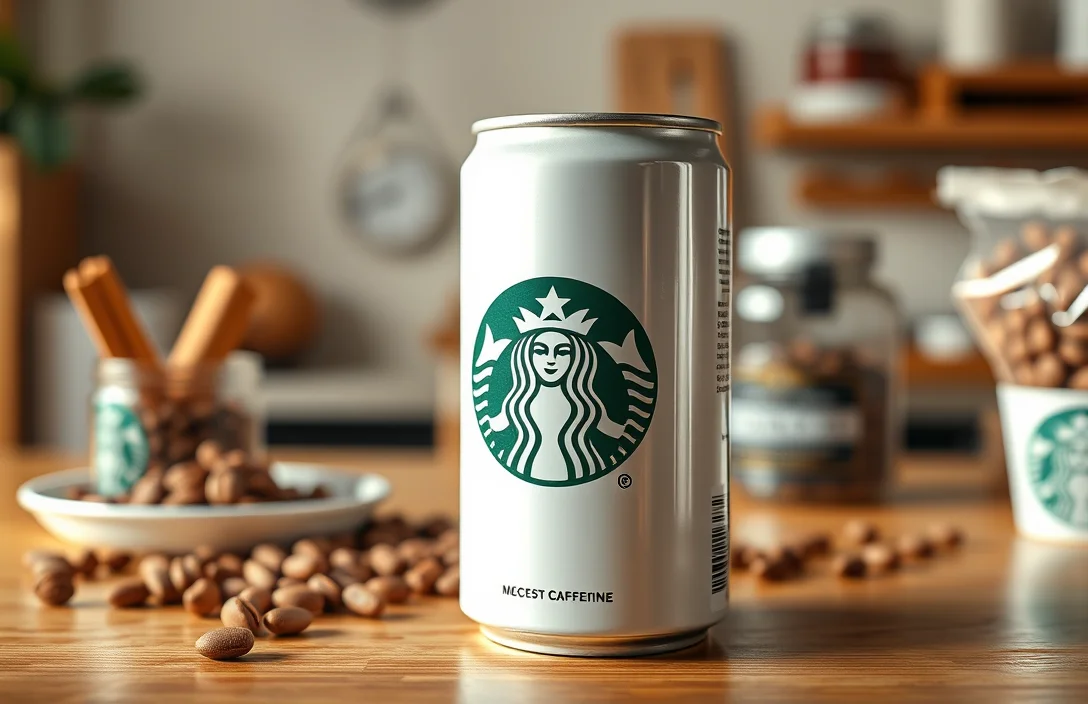
A double shot Starbucks can contains approximately 150 milligrams of caffeine, providing a quick energy boost in a convenient format. This amount is comparable to a regular brewed coffee but is packaged for on-the-go consumption, perfect for busy lifestyles seeking caffeine hits.
Focusing on the details, the caffeine content in a double shot Starbucks can is about 150 mg, suitable for most adults. Knowing this helps consumers manage their daily caffeine intake effectively while enjoying their favorite beverages.
Starbucks Double Shot Overview
Starbucks Double Shot provides a convenient option for coffee lovers seeking a quick energy boost. Packaged in a sleek can, it combines espresso coffee with milk, making it smooth and ready to drink. This product is ideal for on-the-go consumption, appealing to busy individuals who need caffeine without brewing coffee.
Typically, a single can contains two espresso shots, which significantly increases its caffeine content. Many consumers appreciate the blend of rich coffee flavor and creamy texture, making it enjoyable for various palates. Energy seekers often choose this drink for its blend of convenience and taste, especially when they need to power through a busy day.
Availability is widespread, with cans found in grocery stores and Starbucks locations alike. Customers can choose from different flavor varieties, catering to diverse preferences. Offering both original and flavored options, the Double Shot is designed to satisfy those who enjoy a quick refreshment without sacrificing flavor.
Caffeine Content in Espresso Shots
Espresso shots contain roughly 63 mg of caffeine on average for a single 1-ounce shot, with typical ranges from about 47–75 mg depending on beans and extraction. A canonical double shot therefore averages around 125 mg, but measured content can vary by ±20–30% between preparations; use these figures as practical benchmarks, not precise guarantees.
Extraction variables alter caffeine concentration markedly; grind, water temperature, shot length and dose determine milligrams per ounce and thus total caffeine per shot. When checking how much caffeine is in a double shot starbucks can, compare the can’s listed mg per serving and note that canned formulations often use concentrated espresso, blended extracts, or different brew strength that shifts actual caffeine content.
Comparative Caffeine Levels in Beverages
Starbucks offers a variety of beverages, each with unique caffeine content. Comparing the double shot can to other popular drinks reveals significant differences. A standard 16 oz. brewed coffee contains approximately 320 mg of caffeine, while a tall latte has around 150 mg. These options can affect your choice based on caffeine needs.
Espresso drinks typically have less caffeine than brewed coffee. For instance, a tall Americano has about 225 mg. In contrast, the double shot Starbucks can delivers around 150 mg, making it a moderate option for caffeine intake. Customers often choose based on personal preferences for flavor and caffeine level.
| Beverage | Caffeine Content (mg) |
|---|---|
| Double Shot Starbucks Can | 150 |
| Tall Brewed Coffee | 320 |
| Tall Latte | 150 |
| Tall Americano | 225 |
Customers can gauge their caffeine consumption effectively by examining this comparison. Those seeking a caffeine boost might opt for brewed coffee, while others may prefer the convenience and flavor of the double shot can. Making informed choices can enhance the overall coffee experience.
Health Effects Linked to Caffeine Consumption
Caffeine consumption can lead to increased heart rate, which may cause discomfort for some individuals. Those sensitive to stimulants might experience palpitations, anxiety, or restlessness after consuming high-caffeine beverages. Monitoring your body’s reaction is essential to enjoy caffeine without adverse effects.
Excessive intake can result in headaches, stomach upset, or sleep disturbances. Regularly consuming large amounts may lead to a cycle of dependency, where higher doses are required for the same energizing effect. Limiting consumption helps maintain sensitivity to caffeine’s benefits.
Withdrawal symptoms can occur after abruptly reducing caffeine intake. Symptoms include fatigue, irritability, and headaches, which typically last a few days. Gradually cutting back can minimize discomfort and help reestablish a healthy caffeine routine.
Long-term effects of high caffeine consumption may include increased risk of certain health issues, such as cardiovascular disease or bone density loss. Monitoring total daily intake is crucial for maintaining overall health, especially for those with existing conditions.
Serving Size and Nutritional Information
Starbucks Double Shot cans typically contain 6.5 ounces of beverage. Within this serving size, you’ll find a concentrated blend of espresso and cream, providing a robust flavor alongside its caffeine content. Each can generally contains about 120 mg of caffeine, which is significant for a canned coffee drink.
Calories in a Double Shot can vary based on flavor. For instance, the vanilla version usually contains around 200 calories, while the espresso version may be slightly lower. Ingredients also include sugar and cream, contributing to the overall calorie count and nutritional profile.
Protein levels in the Double Shot are relatively modest, usually around 5 grams per can. If you’re monitoring your protein intake, this option can complement your diet, especially as a post-workout drink. Additionally, fat content generally hovers around 4-5 grams, depending on the specific variety chosen.
Sodium content can be another area of concern for some consumers. Expect approximately 100 mg of sodium per can. This amount is relatively low, making it a reasonable choice for those conscious of their sodium intake. Overall, the nutritional information offers valuable insight into how much caffeine is in a double shot Starbucks can and its accompanying nutrients.
Factors Influencing Caffeine Sensitivity
Individual variations in caffeine reactions can significantly affect how much caffeine is in a double shot Starbucks can impacts you personally. Genetic factors play a crucial role; some people metabolize caffeine quickly, while others do so slowly. This difference can influence not only your tolerance but also how you experience its effects.
Health conditions also contribute to caffeine sensitivity. For instance, individuals with anxiety disorders may feel heightened effects from caffeine, leading to increased jitteriness or heart palpitations. Conversely, those with certain conditions might not feel any significant impact, even with higher caffeine intake.
Age reflects another important aspect of sensitivity. Younger individuals often process caffeine more efficiently than older adults, who may experience stronger effects from the same amount. As you age, your body’s ability to metabolize caffeine can decrease, leading to increased sensitivity.
Medications can alter how caffeine affects you as well. Some prescription drugs may slow down caffeine metabolism, causing it to linger longer in the system. Always consult with healthcare providers about potential interactions if you consume caffeinated products regularly.
Diet may also influence caffeine sensitivity. High sugar or carbohydrate diets can mask caffeine’s effects, while balanced diets can help manage how caffeine impacts your overall well-being. Pay attention to food and drink combinations to assess your sensitivity accurately.
Quick Summary
- A double shot Starbucks can typically contains about 150 mg of caffeine.
- The caffeine content can vary slightly depending on the specific flavor or variety of the drink.
- Starbucks uses high-quality arabica coffee beans for their beverages.
- A double shot is equivalent to two espresso shots, which contributes to the higher caffeine level.
- For comparison, a standard 8 oz cup of brewed coffee contains approximately 95 mg of caffeine.
- Moderate caffeine consumption is generally considered safe for most adults.
- Excessive caffeine intake can lead to side effects such as jitters, insomnia, and increased heart rate.
Frequently Asked Questions
How much caffeine is in a double shot Starbucks can?
A double shot Starbucks can typically contains about 150 mg of caffeine. This amount can vary slightly depending on the specific flavor and formulation of the drink.
Is a double shot stronger than a regular Starbucks coffee?
Yes, a double shot contains more caffeine compared to a standard brewed coffee. However, the actual caffeine content can depend on the size and type of coffee ordered.
How does the caffeine content in a double shot compare to an espresso?
A double shot of espresso generally contains around 120 mg of caffeine. While this is slightly less than a double shot Starbucks can, the difference is minimal and varies based on preparation methods.
Can I find caffeine content information on the Starbucks website?
Yes, Starbucks provides detailed nutritional information, including caffeine content, for all their beverages on their official website. You can easily find this information by searching for the specific drink you are interested in.
Are there any caffeine-free options available at Starbucks?
Yes, Starbucks offers several caffeine-free options such as herbal teas and certain juice beverages. Additionally, you can request decaf versions of espresso drinks for a lower caffeine intake.

- Are Pod Coffee Machines Healthy? The Unfiltered Truth About Your Daily Cup - September 27, 2026
- Does Gatorade Have Caffeine? Here’s What’s in Each Type - September 26, 2026
- Does Powerade Have Caffeine, or Is That a Myth? - September 26, 2026