
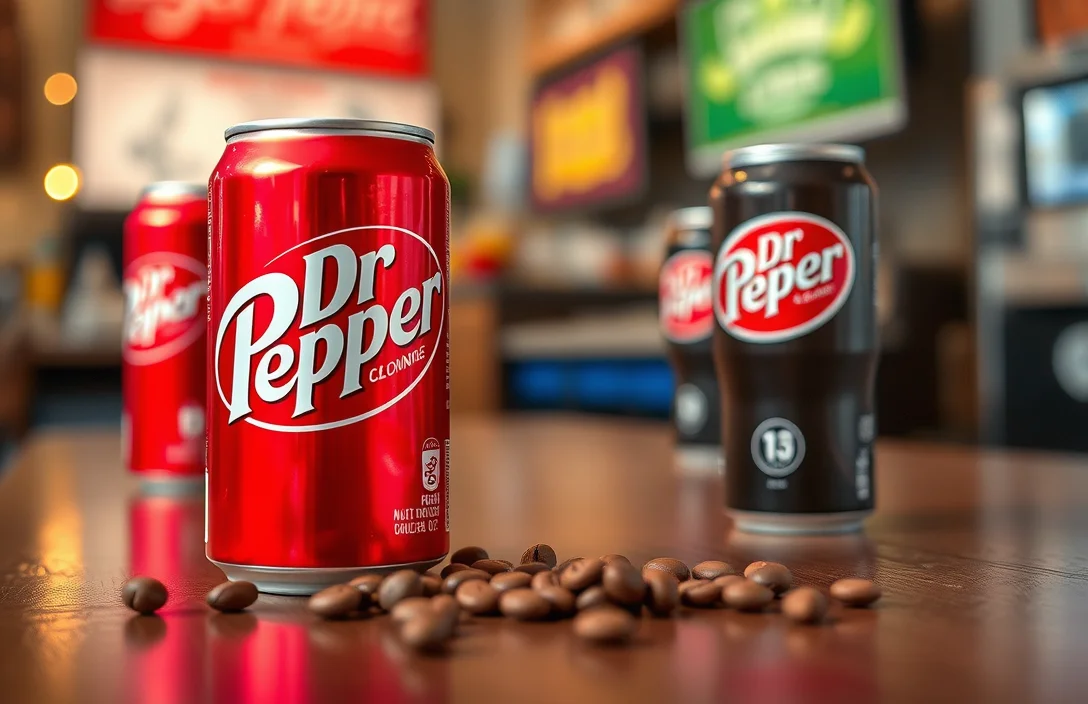
Dr Pepper contains approximately 41 milligrams of caffeine in a 20 oz serving, making it a moderate choice among soft drinks. This level is lower than some energy drinks but comparable to certain colas, appealing to those who enjoy a flavorful boost without excessive caffeine.
Key points include: 41 mg of caffeine per 20 oz, moderate caffeine content, and similar levels to other colas. Understanding this helps consumers make informed choices about their caffeine intake while enjoying their favorite beverages.
Caffeine Content Overview
Dr Pepper contains a specific amount of caffeine that varies by serving size. In a 20 oz serving, customers can expect approximately 68 mg of caffeine. This amount is significant when considering daily consumption limits, especially for those sensitive to caffeine.
Knowing the caffeine content helps in making informed choices. Many people enjoy Dr Pepper for its unique flavor, but being aware of its caffeine levels is essential for those monitoring intake. Regular consumption of high-caffeine beverages can lead to increased tolerance and potential side effects.
Tracking your caffeine intake is crucial for maintaining overall health. If you consume other caffeinated products throughout the day, be mindful of how Dr Pepper fits into your total. Balancing consumption can prevent adverse effects like jitters or insomnia.
Notably, caffeine affects individuals differently. Factors such as body weight, metabolism, and tolerance levels play a significant role in how caffeine impacts each person. Understanding these variables allows you to enjoy your favorite soda while managing your caffeine intake effectively.
Dr Pepper Ingredient List
Caffeine content in Dr Pepper primarily comes from its formulation, which includes carbonated water, high fructose corn syrup, and caramel color. Aside from those, the beverage contains phosphoric acid, natural and artificial flavors, and caffeine itself. Understanding these components helps in grasping how caffeine levels are determined in a 20 oz serving.
Carbonated water serves as the base of this soda, providing the refreshing fizz. High fructose corn syrup acts as a sweetener, enhancing the overall flavor profile. Caramel color not only adds visual appeal but also contributes to the unique taste of Dr Pepper.
Caffeine is included specifically for its stimulating properties. In a 20 oz serving, you can expect around 41 mg of caffeine, making it a moderate option compared to other sodas. Phosphoric acid adds a tangy flavor and helps in maintaining the drink’s acidity.
Natural and artificial flavors are crucial in defining the distinctive taste that Dr Pepper is known for. The combination of these ingredients results in a complex flavor profile, which has intrigued soda lovers for decades.
Comparative Caffeine Levels
Caffeine content varies significantly across beverages. For instance, a 20 oz bottle of Dr Pepper contains approximately 54 mg of caffeine. This amount positions Dr Pepper on the lower end of the caffeine spectrum compared to other popular sodas. Knowing this helps consumers make informed decisions about their caffeine intake.
Comparisons with other soft drinks reveal interesting insights. Coca-Cola, for example, offers about 64 mg of caffeine in a similar serving size, while Pepsi provides roughly 69 mg. In contrast, energy drinks can exceed 100 mg in the same volume, making Dr Pepper a milder choice for those monitoring their caffeine consumption.
Understanding the cumulative effects of multiple servings is crucial. Consuming several 20 oz bottles can quickly increase caffeine intake, potentially leading to side effects in sensitive individuals. Keeping track of daily consumption will aid in maintaining a balanced approach to caffeine-rich beverages.
Awareness of personal tolerance levels is essential. Individuals respond differently to caffeine, with factors such as age, weight, and overall health influencing how one metabolizes it. Monitoring your reactions can guide you in choosing the right beverage without exceeding comfort levels.
Health Effects of Caffeine
Caffeine dose around 68 mg in a 20-ounce serving produces measurable stimulation: alertness increases within 15–45 minutes, peaks by 30–60 minutes, and caffeine’s half-life is roughly 3–5 hours. Avoid drinking it within six hours of planned sleep to prevent delayed sleep onset and reduced REM; people with sensitivity may need an 8–12 hour buffer.
Pregnant people limit to 200 mg per day; combining multiple sodas quickly adds up. If you track how much caffeine is in 20 oz of dr pepper use the ~68 mg figure toward your daily total and reduce or replace other caffeinated beverages to remain below recommended limits.
Daily Caffeine Recommendations
Moderate caffeine intake for adults typically ranges from 200 to 400 milligrams daily. This amount can vary based on individual sensitivity and health conditions. Consuming more than this recommended range can lead to negative side effects, such as insomnia, nervousness, or rapid heart rate. Therefore, knowing the caffeine content in beverages like Dr Pepper is crucial for managing your daily intake.
Many people enjoy soft drinks without realizing their caffeine levels. For instance, a 20 oz Dr Pepper contains approximately 55 milligrams of caffeine. Understanding this allows consumers to make informed choices about their overall caffeine consumption throughout the day. Balancing your drinks helps ensure you stay within the recommended limits.
Be mindful of other caffeine sources. Many foods and beverages, such as coffee, tea, and chocolate, can contribute to your daily total. Keeping track of these sources alongside your soda intake is essential for maintaining a healthy caffeine consumption level. Using a journal or an app can help you monitor this effectively.
Exceeding the recommended caffeine intake can lead to adverse health effects. If you experience any negative symptoms, consider reducing your consumption gradually. It’s important to listen to your body and adjust your habits accordingly. Making these changes not only promotes better health but also enhances your overall well-being.
Caffeine in Other Soft Drinks
Caffeine content varies significantly across different soft drinks. Popular brands like Coca-Cola and Pepsi contain caffeine levels that can be compared directly to Dr Pepper. For instance, a 20 oz can of Coca-Cola typically has about 68 mg of caffeine, while a similar serving of Pepsi contains around 63 mg. Understanding these levels helps gauge your total caffeine intake from soft drinks.
Many energy drinks exceed the caffeine found in traditional sodas. Brands such as Monster or Red Bull can contain anywhere from 80 mg to as much as 300 mg of caffeine in a single serving. For those monitoring their caffeine consumption, these drinks represent a much higher risk of exceeding daily recommendations when compared to Dr Pepper.
Surprisingly, some flavored sodas also contain caffeine. Brands like Mountain Dew and Barq’s Root Beer include caffeine, with Mountain Dew having about 72 mg per 20 oz. Exploring these options reveals various choices that can impact your overall caffeine intake.
Diet sodas often maintain caffeine similar to their regular counterparts. For example, Diet Dr Pepper has a caffeine content comparable to the original version, providing about 41 mg per 12 oz. This is essential for those who prefer low-calorie alternatives but still want a caffeine boost.
Decaffeinated vs Regular
Decaffeinated options provide a caffeine-free alternative for those looking to cut back. Regular Dr Pepper contains caffeine, which can lead to increased alertness and energy. If you prefer to enjoy Dr Pepper without the caffeine buzz, consider choosing the decaffeinated version. This allows you to savor the flavor without experiencing the potential side effects of caffeine consumption.
Notably, regular Dr Pepper has about 41 mg of caffeine in a 12 oz serving. For a 20 oz serving, that translates to approximately 68 mg of caffeine. Understanding these figures helps consumers make informed choices about their beverage selections. If caffeine sensitivity is a concern, checking drink labels can guide your decision-making process.
Many consumers appreciate the taste of Dr Pepper but are cautious about caffeine intake. For those who enjoy the soda’s unique flavor but want to avoid caffeine, decaffeinated versions offer a satisfying alternative. Balancing taste preferences with health needs is essential when selecting beverages.
Seeking alternatives? Other caffeine-free soft drinks are available that can satisfy your cravings. Brands often provide options for various flavors, ensuring that everyone can find a beverage they enjoy without the jitters. Exploring these choices can enhance your beverage experience while maintaining your desired caffeine levels.
Quick Summary
- A 20 oz serving of Dr Pepper contains approximately 51 mg of caffeine.
- This amount is lower than many other caffeinated soft drinks, such as cola and energy drinks.
- The caffeine content can vary slightly based on the specific variety of Dr Pepper.
- For comparison, a typical 12 oz cup of coffee contains about 95 mg of caffeine.
- Dr Pepper is often consumed for its unique flavor rather than its caffeine content.
- Moderate consumption of caffeine is generally considered safe for most adults.
- It’s important to monitor total daily caffeine intake from all sources.
Frequently Asked Questions
How much caffeine is in a 20 oz Dr Pepper?
A 20 oz Dr Pepper contains approximately 50 mg of caffeine. This amount can vary slightly depending on the specific formulation and any variations in production.
How does the caffeine content of Dr Pepper compare to other sodas?
Dr Pepper has a caffeine content that is generally lower than colas like Coca-Cola or Pepsi, which contain around 63 mg of caffeine in a 20 oz serving. However, it has more caffeine than some caffeine-free sodas and is comparable to other flavored sodas.
Is the caffeine in Dr Pepper safe for most people?
Yes, the caffeine in Dr Pepper is considered safe for most healthy adults when consumed in moderation. The FDA suggests that up to 400 mg of caffeine per day is safe for most people, which means a 20 oz serving fits well within that guideline.
Can I find caffeine-free Dr Pepper options?
Yes, there is a caffeine-free version of Dr Pepper available for those who want to avoid caffeine. This option has the same classic flavor without the added caffeine content.
How can I check the caffeine content of other beverages?
The caffeine content of most beverages is often listed on the packaging or can be found on the manufacturer’s website. Additionally, there are various online resources and databases that compile caffeine information for a wide range of drinks.

- Are Pod Coffee Machines Healthy? The Unfiltered Truth About Your Daily Cup - September 27, 2026
- Does Gatorade Have Caffeine? Here’s What’s in Each Type - September 26, 2026
- Does Powerade Have Caffeine, or Is That a Myth? - September 26, 2026