
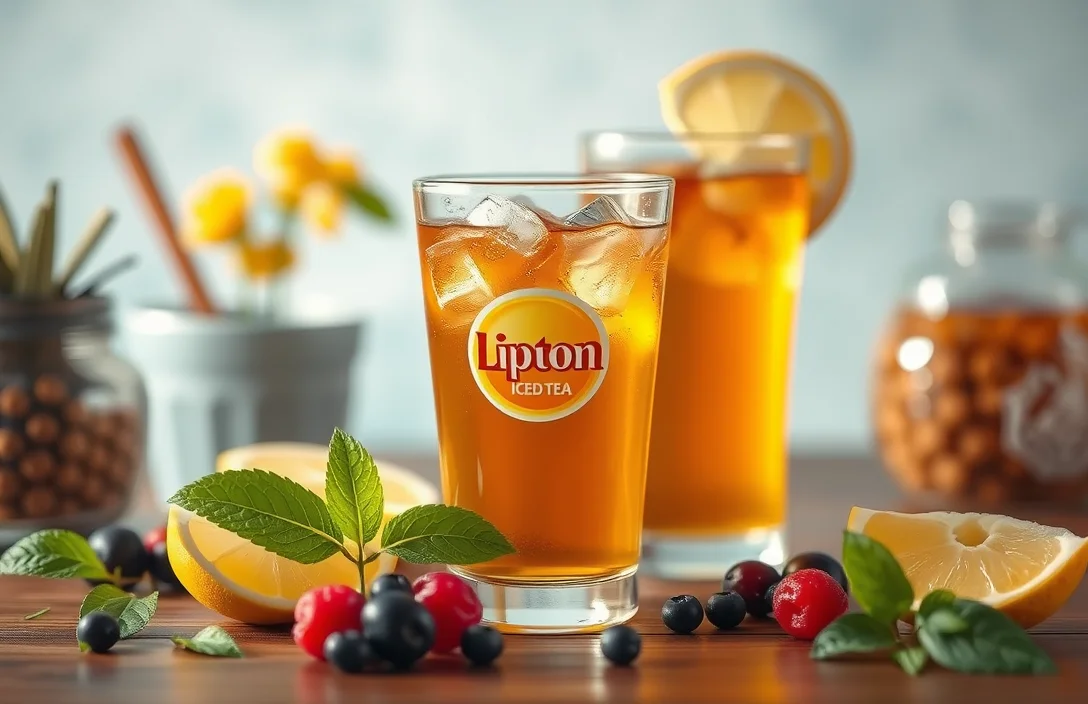
Approximately 30-50 milligrams of caffeine can be found in an 8-ounce serving of Lipton iced tea, making it a refreshing choice for those seeking a mild energy boost. This amount varies based on the specific type and flavor of the tea.
Typically, regular Lipton iced tea contains caffeine, while decaffeinated varieties have significantly less. Always check the label for exact caffeine content to make informed choices.
Caffeine Content Comparison in Lipton Iced Tea
Lipton iced tea products vary in caffeine content depending on the specific variety and formulation. Standard Lipton bottled iced teas typically contain around 15-30 mg of caffeine per 8-ounce serving. This range allows consumers to choose an option that fits their caffeine preferences.
Green tea varieties from Lipton often have lower caffeine levels than black tea options. For instance, Lipton’s green iced tea generally offers approximately 10-20 mg of caffeine per 8-ounce serving. Those looking to reduce their caffeine intake might find these green tea options more appealing.
Herbal blends like Lipton’s herbal iced teas are typically caffeine-free. These products provide a flavorful alternative without the stimulating effects associated with caffeine. Consumers seeking a refreshing drink without the jitters can confidently select these herbal varieties.
Extra caution is advised when consuming Lipton’s energy drinks or specialized products, as they often contain significantly higher caffeine levels. Some can exceed 60 mg of caffeine per serving. Always check labels for precise information on caffeine content.
Overall, knowing specific caffeine levels in various Lipton iced tea options helps consumers make informed choices based on their caffeine sensitivity and preferences. Assessing these factors can enhance the iced tea experience while aligning with individual dietary needs.
Overview of Lipton Iced Tea Varieties
Exploring Lipton’s iced tea varieties reveals a diverse range of flavors, each with distinct caffeine levels. Classic flavors like Lemon and Peach typically contain around 30-50 mg of caffeine per 16 oz serving. In contrast, herbal options, such as Caffeine-Free Herbal Iced Tea, contain no caffeine, making them ideal for sensitive drinkers.
Refreshing Green Tea Iced Tea offers a moderate caffeine kick, generally around 35 mg per 16 oz. Many enjoy this variety for its crisp taste and health benefits. Flavors like Mango and Raspberry also maintain similar caffeine content, appealing to those seeking both flavor and a mild energy boost.
Unique blends, such as Lipton’s Diet Iced Tea, present lower calorie options while keeping caffeine levels consistent with their regular counterparts. Consumers often prefer these for the balance between flavor and health-conscious choices. Seasonal or limited-edition flavors might have varying caffeine levels, so checking labels is essential before consumption.
In summary, Lipton offers iced tea options with varying caffeine levels. Knowing these differences allows consumers to select drinks that align with their caffeine preferences and flavor desires.
Health Benefits Associated with Iced Tea
Rich in antioxidants, iced tea can provide several health benefits. These compounds help combat oxidative stress, which can lead to chronic diseases. By consuming Lipton iced tea, you may lower your risk of heart disease and certain cancers, making it a smart beverage choice for health-conscious individuals.
Studies indicate that regular iced tea consumption can improve hydration levels. Staying properly hydrated is essential for maintaining energy, supporting metabolic processes, and promoting overall well-being. Opting for Lipton iced tea instead of sugary drinks can contribute positively to your daily fluid intake.
Research shows that iced tea can enhance mental alertness. The caffeine content, although moderate, may help improve focus and concentration. By enjoying a serving of Lipton iced tea, you might find yourself more productive during work or study sessions.
Regular iced tea drinkers often experience improved digestion. The presence of certain compounds in tea can promote healthy gut bacteria, leading to better digestive health. Incorporating Lipton iced tea into your routine may aid in maintaining a balanced digestive system.
Caffeine Sensitivity and Its Effects
Caffeine affects individuals in various ways, largely due to genetic factors. Some people experience heightened sensitivity, while others may be less affected. Understanding these differences can help you make informed decisions regarding your consumption of beverages like Lipton iced tea.
- Genetics play a significant role. Variations in genes responsible for caffeine metabolism can lead to different reactions. Some may find Lipton iced tea invigorating, while others may feel jittery.
- Health conditions can influence sensitivity. Individuals with anxiety disorders or heart issues may experience stronger adverse effects from caffeine, suggesting moderation is key.
- Age impacts caffeine tolerance. Younger individuals typically metabolize caffeine faster, while older adults may need to limit intake to avoid side effects.
- Daily consumption habits matter. Regular caffeine drinkers often develop a tolerance, meaning occasional drinkers may feel the effects more intensely.
- Amount consumed alters sensitivity. Drinking multiple servings of Lipton iced tea in one sitting can lead to increased side effects compared to sipping it throughout the day.
Being aware of these factors allows you to enjoy beverages like Lipton iced tea responsibly. Adjusting your intake based on personal sensitivity levels ensures a more enjoyable experience.
Exploring Alternatives to Caffeinated Beverages
Herbal tisanes provide true caffeine-free alternatives for iced tea drinkers. Choose rooibos, chamomile, peppermint, or hibiscus brewed strong and chilled for iced versions; steep longer for fuller flavor, then dilute with cold water or add lemon for brightness. Read ingredient labels to avoid black or green tea bases. If you wonder does lipton iced tea have caffeine, prefer herbal-labeled products.
Decaffeinated Lipton Iced Tea Options
Decaffeinated options from Lipton provide refreshing choices without caffeine. Lipton offers a line of iced teas specifically designed to cater to those who want to avoid caffeine while enjoying tea. Their decaffeinated iced tea maintains the flavor profile typical of traditional iced teas, making it a suitable alternative for tea lovers.
Flavors include classic lemon, peach, and raspberry, providing variety for different taste preferences. Each flavor is crafted to deliver a satisfying taste experience similar to their caffeinated counterparts. These options ensure that you can enjoy your favorite iced tea without the side effects associated with caffeine.
Availability varies by location, so checking local grocery stores or online retailers is advisable. Many stores stock these decaffeinated varieties, making it easy to find a suitable option. Keep an eye out for seasonal flavors as well, which may add a unique twist to your iced tea selection.
Ultimately, choosing decaffeinated Lipton iced tea allows you to enjoy a flavorful beverage while steering clear of caffeine. Whether served over ice or as a base for fruity mocktails, these options can refresh you anytime. Enjoy them with meals, during gatherings, or simply as a thirst-quencher throughout the day.
Brewing Methods Impacting Caffeine Levels
Brewing techniques significantly influence caffeine content in Lipton iced tea. Different methods extract varying amounts of caffeine from tea leaves. Understanding these variations helps you choose a method that aligns with your caffeine preferences.
- Steeping time affects caffeine extraction. Longer steeping releases more caffeine. For optimal results, steep your tea for 3-5 minutes to balance flavor and caffeine levels.
- Water temperature plays a crucial role. Hotter water extracts caffeine more efficiently than cooler temperatures. Aim for water just below boiling (around 200°F or 93°C) for maximum extraction.
- Tea leaf size influences caffeine release. Loose leaf tea typically has more surface area than tea bags, allowing for better extraction. Opt for loose leaf varieties if you desire higher caffeine content.
- Blend composition matters, too. Certain blends may contain more caffeine due to the specific types of tea used. Check the label to find blends that suit your caffeine needs.
- Quantity of tea used directly impacts caffeine levels. Using more tea leaves in your brew increases the overall caffeine content. Adjust the amount based on your desired caffeine intake.
Experimenting with these methods allows you to tailor your iced tea experience, ensuring you enjoy the right caffeine levels for your needs.
Nutrition Facts Related to Lipton Iced Tea
Nutritional information is essential for understanding Lipton iced tea. Each serving typically contains around 90 calories, primarily from sugars. The specific sugar content can vary by flavor, so always check the label. Lipton offers unsweetened options with no calories, providing a low-calorie alternative for those monitoring their intake.
Carbohydrates make up the majority of the calorie content, with about 23 grams per serving in sweetened varieties. Fiber content is negligible, meaning it won’t contribute to daily fiber needs. For those concerned about sodium, most Lipton iced teas are low in salt, averaging 10-15 mg per serving.
Vitamins and minerals are minimal in these beverages. Lipton iced tea does not significantly contribute to daily vitamin or mineral intake. However, its antioxidant properties from tea polyphenols can offer some health benefits.
Caffeine levels in Lipton iced tea vary by product. Regular iced tea generally contains around 30-50 mg of caffeine per 8 oz. serving, while decaffeinated varieties offer significantly less. Consumers should review product labels for specific caffeine amounts.
In summary, Lipton iced tea can provide hydration and flavor, but those watching calories or caffeine should select options carefully. Always read labels to make informed choices suited to dietary needs.
Quick Summary
- Most Lipton iced teas made from black tea contain caffeine because they are brewed from tea leaves.
- Lipton offers decaffeinated and herbal/caffeine-free varieties—look for “decaf” or “caffeine free” on the label.
- Green tea–based Lipton iced teas do contain caffeine but generally less than black-tea versions.
- Caffeine content differs by product type (bottled ready-to-drink, brewed from tea bags, instant mixes) and by serving size.
- Exact milligrams of caffeine vary by formula; check the nutrition facts panel or Lipton’s website for specific numbers.
- If you are caffeine-sensitive, pregnant, or limiting intake, choose decaf or herbal options, smaller servings, or check steeping/brewing methods to reduce caffeine.
Frequently Asked Questions
Does Lipton iced tea have caffeine?
Many Lipton iced tea products do contain caffeine because they are made from black or green tea leaves, which naturally contain caffeine. However, Lipton also offers decaffeinated and herbal varieties that are caffeine-free, so it depends on the specific product.
How much caffeine is in a serving of Lipton iced tea?
Caffeine content varies by product, serving size, and how the tea was brewed or formulated; commercial Lipton iced teas typically fall within a moderate range rather than the high levels found in coffee. For an accurate figure, check the product label or the manufacturer’s website because some bottles and mixes list milligrams per serving.
Does Lipton make caffeine-free or decaffeinated iced tea?
Yes, Lipton produces decaffeinated black teas and several caffeine-free herbal blends that can be enjoyed as iced tea. Availability of these options depends on your region and the retail selection where you shop.
How can I find the caffeine content on the Lipton packaging?
Look at the nutrition facts panel and ingredient statements on the bottle, carton, or tea bag packaging—some products list caffeine per serving or indicate “decaffeinated.” If the packaging is unclear, check the product page on Lipton’s official website or contact customer service for precise information.
What should I do if I’m sensitive to caffeine or avoiding it for health reasons?
If you need to limit caffeine, choose Lipton’s decaffeinated or herbal (caffeine-free) varieties, select smaller servings, or dilute ready-to-drink tea with water or ice. For pregnancy, medical conditions, or concerns about interactions with medications, consult your healthcare provider for personalized advice.

- Are Pod Coffee Machines Healthy? The Unfiltered Truth About Your Daily Cup - September 27, 2026
- Does Gatorade Have Caffeine? Here’s What’s in Each Type - September 26, 2026
- Does Powerade Have Caffeine, or Is That a Myth? - September 26, 2026