
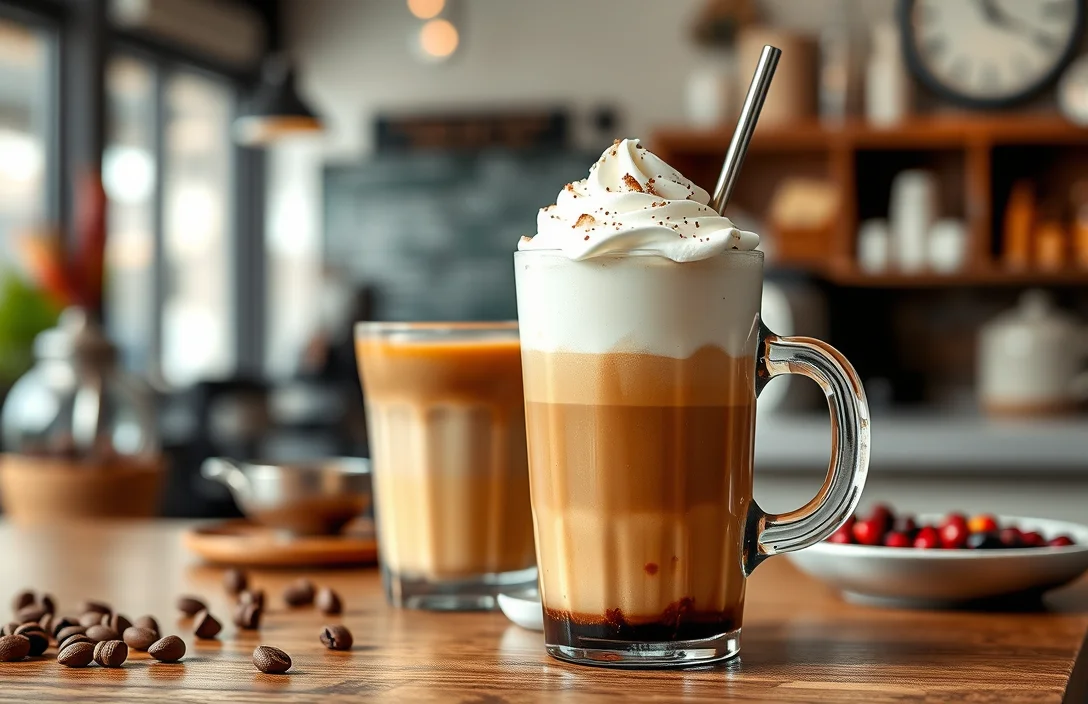
Did you know that lattes and frappes differ drastically in their ingredients and preparation? While both are popular café choices, understanding their unique qualities can significantly enhance your ordering experience and home brewing skills.
Lattes are espresso-based drinks with steamed milk, served hot, while frappes are blended, icy drinks often featuring coffee or espresso. Key differences include temperature, texture, and sweetness levels.
Ingredients Essential for Lattes
Espresso serves as the base for lattes, providing a rich, bold flavor. Typically, a single or double shot is used, depending on your caffeine preference. The espresso’s intensity contrasts nicely with the creamy milk added later.
Steamed milk is essential, creating a silky texture that complements the espresso. The milk is usually heated to around 150-160°F, which enhances its sweetness while maintaining a pleasant drink temperature.
Foamed milk is also included, adding volume and a velvety mouthfeel to the drink. Baristas often create microfoam for lattes, ensuring a smooth blend with the espresso.
Flavor syrups can be added for sweetness. Popular choices include vanilla, caramel, or hazelnut, allowing for customization based on personal taste preferences.
Typical serving sizes range from 8 to 16 ounces. This size makes lattes a satisfying choice for those enjoying a leisurely coffee experience.
Components of a Classic Frappe
Essential frappe components are: cold-brewed or instant espresso/strong coffee, lots of ice, milk or non-dairy milk, sweetener (simple syrup, flavored syrup, or sugar), and often a scoop of ice cream or cream for richness plus whipped cream and toppings. For clarity on the difference between latte and frappe, note that frappes blend ice and sweet elements rather than steaming milk.
Preparation Techniques for Each Drink
Clear primary technique: lattes use espresso pulled and combined with hot, microfoamed milk; frappes are made by blending strong coffee or espresso with ice and a sweetener into a cold, slushy drink. Recognizing this single mechanical split—steam versus blade—lets you predict temperature, texture, and equipment needs before ordering or making either drink at home.
- Latte: pull a double espresso shot, steam milk to 60–65°C (140–149°F) creating silky microfoam, pour milk over espresso at roughly a 1:3 espresso-to-milk ratio, and serve immediately while hot.
- Frappe: combine chilled strong coffee or espresso, ice, chosen sweetener, and milk alternative in a blender; blend to a slushy consistency, taste and adjust sweetness, then serve cold with optional whipped cream.
Texture and Mouthfeel Differences
Milk microfoam gives lattes a smooth, silky mouthfeel with tiny, velvety bubbles and warm temperature that carries espresso flavor gently; crema and steamed milk meld into a cohesive, fluid texture that slides across the palate. Frappes deliver cold, icy granules and larger air pockets from blending, creating a chunky, slushy chew and often denser sweetness.
Choose a latte when you want a warm, silky sip that highlights espresso and feels light on the tongue; at home, steam or vigorously froth milk to produce microfoam and pour slowly for layered texture. To feel the difference between latte and frappe, make one espresso, split it into two cups: steam milk for one and blend espresso with ice for the other, then compare mouthfeel.
Flavor Profiles of Lattes and Frappes
Flavor differences between lattes and frappes are distinct and cater to various preferences. Lattes offer a creamy, smooth experience with a rich coffee essence, primarily due to the espresso base and steamed milk. In contrast, frappes deliver a refreshing, sweet taste, often enhanced by ice, milk, and flavored syrups, creating a dessert-like beverage.
Espresso serves as the backbone of lattes, resulting in a strong coffee flavor complemented by the milk’s creaminess. Frappes, however, can be made with instant coffee or brewed coffee, leading to a lighter coffee taste that pairs well with sweet flavors. This difference largely influences their overall profiles.
Sweetness levels vary significantly. Lattes tend to have a balanced sweetness, often enhanced with flavored syrups or a sprinkle of cocoa powder. Frappes, on the other hand, can be much sweeter, especially with added syrups, whipped cream, and toppings like chocolate or caramel drizzle, making them ideal for those with a sweet tooth.
Customization is key for both drinks. For lattes, consider using almond, oat, or soy milk for dietary preferences. Frappes can be tailored with different syrups or blended fruits to enhance flavors. Clearly communicating your preferences when ordering ensures you get a drink that suits your taste.
Typical Serving Temperatures
Lattes and frappes differ significantly in serving temperatures, enhancing their unique qualities. A latte is typically served hot, while a frappe is enjoyed cold, making temperature a key distinction between the two drinks.
- Lattes are served between 150°F to 160°F (65°C to 70°C). This warmth allows the milk to blend smoothly with the espresso, creating a comforting drink.
- Frappes are served chilled, usually around 30°F to 40°F (-1°C to 4°C). The cold temperature, combined with ice, provides a refreshing and invigorating experience.
- Order lattes hot for a cozy feel, especially in cooler weather. Cold frappes are perfect for hot days or when you want something refreshing.
- Customization for lattes includes adjusting temperature; some may prefer it extra hot. For frappes, you can ask for less ice for a thicker consistency.
Understanding these temperature differences helps you choose based on your mood and the weather. Enjoying either drink at the right temperature enhances the overall experience!
Caffeine Content Comparison
Caffeine levels differ significantly between lattes and frappes, influencing your choice based on energy needs. A typical latte contains about 75 mg of caffeine due to its espresso base, whereas frappes often use instant coffee, resulting in around 50 mg per serving. This variance can guide your decision if you’re looking for a stronger boost.
Espresso shots in lattes provide a concentrated caffeine kick, perfect for a mid-morning pick-me-up. In contrast, frappes, blended with ice and milk, offer a milder caffeine experience with a refreshing texture. Consider your caffeine tolerance when selecting between the two drinks.
Customization options also affect caffeine levels. Requesting an extra shot in your latte increases caffeine content, while opting for decaf can reduce it. Frappes usually maintain their caffeine level, but you can ask for less coffee or a caffeine-free version if desired.
Making either drink at home is straightforward. For a latte, brew a shot of espresso and steam your milk. For a frappe, blend instant coffee with milk, ice, and sweetener to your taste. Each preparation allows you to control caffeine levels and enjoy your preferred flavor profile.
Quick Summary
- A latte is a hot espresso-based drink mixed with steamed milk, while a frappe is a cold, blended beverage often made with instant coffee.
- Latte typically has a creamy texture due to the steamed milk, whereas a frappe has a frothy, icy consistency.
- Latte is served hot, while frappes are served cold and are often associated with warmer weather.
- Frappes can include various flavors and toppings, while lattes are usually flavored with syrups or spices.
- The preparation method differs: lattes are made with espresso and steamed milk, while frappes are blended with ice.
- Both drinks can be customized with different milk types and flavorings to suit personal preferences.
- Latte is more traditional in coffee culture, while frappes are popular in casual settings and cafes.
Frequently Asked Questions
What is the main difference between a latte and a frappe?
A latte is a creamy coffee drink made with espresso and steamed milk, typically served hot. In contrast, a frappe is a cold, frothy beverage made with instant coffee, milk, sugar, and ice, blended to a smooth consistency.
How do the ingredients differ in a latte and a frappe?
A latte consists of espresso, steamed milk, and a small amount of milk foam on top. A frappe uses instant coffee, cold milk, sugar, and ice, resulting in a refreshing drink that’s often sweeter and more dessert-like.
What are the typical serving temperatures for each drink?
Lattes are usually served hot, making them perfect for cozy settings. Frappes, being blended with ice, are served cold, ideal for hot weather or as a refreshing treat.
How do I customize these drinks for dietary preferences?
For lattes, you can use milk alternatives like almond, oat, or soy milk to suit your dietary needs. In a frappe, you can also substitute milk and adjust the sweetness by using less sugar or opting for sugar substitutes.
Which drink has more caffeine, and how can I make them at home?
A latte generally has more caffeine since it uses espresso, usually containing one or two shots. To make a latte, you’ll need espresso equipment or a stovetop espresso maker, while a frappe can be easily made with a blender, instant coffee, and ice, requiring no special skills.

- Are Pod Coffee Machines Healthy? The Unfiltered Truth About Your Daily Cup - September 27, 2026
- Does Gatorade Have Caffeine? Here’s What’s in Each Type - September 26, 2026
- Does Powerade Have Caffeine, or Is That a Myth? - September 26, 2026