
Storing coffee incorrectly often involves exposing it to air, light, moisture, and heat, rapidly degrading its freshness and flavor.
As any discerning coffee lover knows, the journey from bean to cup is an art, and its initial stages, particularly storage, are paramount. Many enthusiasts, perhaps unknowingly, make several common coffee storage mistakes to avoid that can significantly diminish their daily ritual. Having personally navigated the nuances of coffee preservation for years, I understand the profound impact that improper storage has on the delicate flavors and aromas we cherish. This guide will meticulously unpack these critical missteps, offering a clear path to maintaining your coffee's peak quality from the moment it enters your home until the last delightful sip.
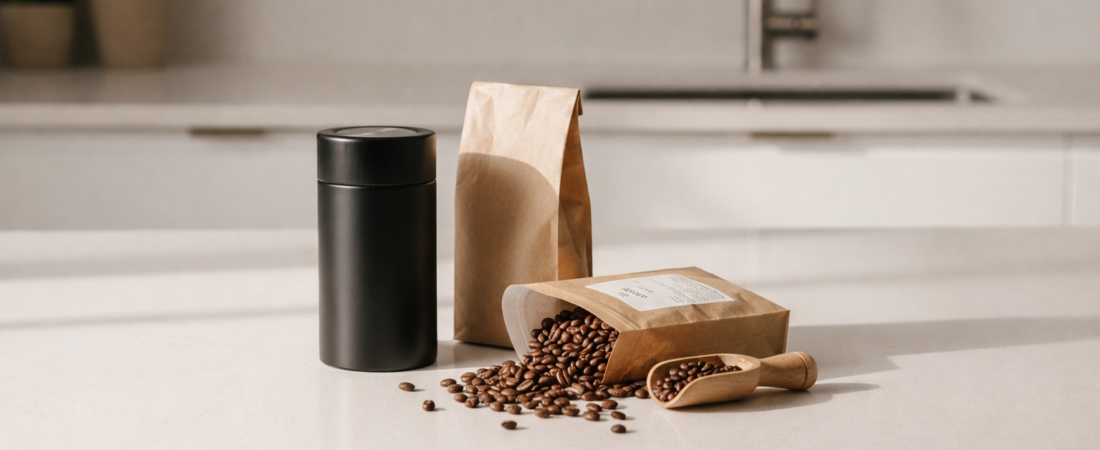
Understanding the Enemies of Fresh Coffee
Coffee is a perishable agricultural product, and its delightful complexity is highly susceptible to environmental factors. Before diving into the specific coffee storage mistakes to avoid, it is crucial to understand the main culprits that degrade coffee quality. These "enemies" work tirelessly to strip away the aromatic oils and soluble compounds that give coffee its signature taste and smell. Recognizing these factors is the first step in protecting your precious beans and preventing common coffee storage mistakes to avoid.
The primary adversaries are oxygen, light, moisture, and heat. Each plays a distinct role in accelerating the staling process, turning vibrant, complex coffee into a dull, flat beverage. I've personally witnessed how a seemingly minor oversight, like leaving a bag slightly ajar, can quickly compromise a premium roast. This understanding forms the bedrock of proper coffee storage and helps us identify the critical coffee storage mistakes to avoid.

Mistake #1: Exposing Coffee to Air (Oxidation)
One of the most detrimental coffee storage mistakes to avoid is allowing your beans or grounds to come into prolonged contact with air. Oxygen is coffee's ultimate foe, initiating a chemical process known as oxidation. What happens if coffee is exposed to air? It causes oxidation, breaking down aromatic compounds and leading to stale flavors. This process breaks down the delicate volatile compounds responsible for coffee's aroma and flavor, leading to a stale, cardboard-like taste. Think of an apple turning brown after being cut; a similar, albeit slower, process occurs with coffee.
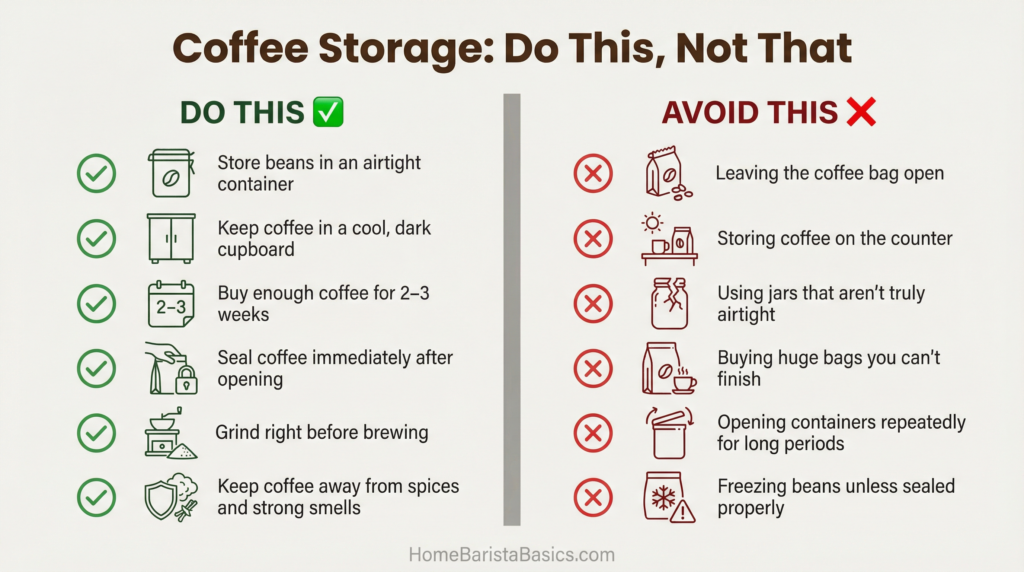
From my own experience, I learned early on that even a short exposure can make a noticeable difference. Many people store coffee in its original bag, unaware that most commercial bags, even if they have a one-way valve, are not truly airtight once opened. This exposes the coffee to a constant influx of oxygen, rapidly diminishing its freshness. To counteract this, it's essential to understand that an airtight seal is non-negotiable for preserving coffee quality and avoiding these common coffee storage mistakes to avoid.
Mistake #2: Allowing Light Exposure
Another significant entry on the list of coffee storage mistakes to avoid is exposing coffee to light, especially direct sunlight or strong artificial light. Ultraviolet (UV) rays and even visible light can damage the coffee's cellular structure and accelerate the breakdown of its aromatic compounds. This photochemical degradation leads to a loss of flavor integrity and can introduce undesirable bitter notes. It's a subtle enemy, often overlooked, but its impact is undeniable.
I recall a time when I proudly displayed my beautiful coffee beans in a clear glass jar on a sunny kitchen counter. The beans looked appealing, but the resulting brew was consistently disappointing and lacked vibrancy. It took some research and experimentation to realize that while aesthetically pleasing, this was a critical error in coffee storage mistakes to avoid. Opaque containers are your best defense against light's detrimental effects, preserving the coffee's delicate character.
Mistake #3: Introducing Moisture and Humidity
Allowing moisture or high humidity to reach your coffee is a cardinal sin among coffee storage mistakes to avoid. Coffee beans are porous, meaning they readily absorb moisture and odors from their environment. This can lead to several problems: it can dull the flavor, promote mold growth in extreme cases, and even prematurely extract soluble solids, leading to a weak or inconsistent brew. High humidity also accelerates the staling process, making your coffee go bad faster.
One common scenario I've seen is people storing coffee near the sink or above the stove where steam and humidity levels fluctuate significantly. This practice guarantees a compromised cup. The goal is to keep coffee in a consistently dry environment. Dryness is key to avoiding these critical coffee storage mistakes to avoid, ensuring the beans retain their intended characteristics until brewing.

Mistake #4: Storing Coffee in the Wrong Temperature
Temperature is a critical factor often mismanaged, leading to preventable coffee storage mistakes to avoid. Heat is detrimental to coffee as it speeds up chemical reactions, including oxidation, causing the delicate oils to break down and become rancid more quickly. Conversely, extreme cold, while sometimes used for long-term storage, can also introduce issues if not managed correctly. What is the ideal temperature range for storing coffee? A cool, consistent room temperature between 60-75°F (15-24°C) is generally best. Fluctuating temperatures are particularly problematic, as they can cause condensation within the container, introducing moisture.
My own journey taught me that proximity to heat sources like ovens, stovetops, or even direct sunlight through a window is a guaranteed way to ruin a batch of coffee. The ideal storage temperature is cool and consistent. Room temperature, specifically between 60-75°F (15-24°C), in a dark pantry or cabinet, is generally recommended for short to medium-term storage to prevent these common coffee storage mistakes to avoid.
Mistake #5: Choosing the Wrong Container or Location
Selecting an inappropriate container or location is a culmination of many coffee storage mistakes to avoid, encompassing the issues of air, light, moisture, and temperature. Many commercial coffee bags, particularly those without a robust one-way valve or resealable zip, are not suitable for long-term storage once opened. Similarly, clear glass jars, while attractive, offer no protection from light. These choices directly contradict the principles of proper coffee preservation.
As a dedicated home brewer, I've experimented with various containers and found that opaque, airtight canisters are indispensable. Materials matter; ceramic, metal, or non-reactive plastics are preferable. Furthermore, the location within your home is just as vital. Avoiding cupboards above the oven or sunny spots on the counter helps mitigate exposure to heat and light. Correct container and location choices are fundamental to addressing coffee storage mistakes to avoid effectively.

The Perils of Freezing or Refrigerating Coffee Incorrectly
While often debated, incorrectly freezing or refrigerating coffee can be among the most misunderstood coffee storage mistakes to avoid. Refrigeration, for instance, exposes coffee to a highly humid environment and a myriad of strong odors from other foods, which the porous beans will readily absorb. This leads to unpleasant, off-flavors and can significantly degrade the coffee's intrinsic qualities. It is generally not recommended for regular, short-term storage. Is it ever a good idea to freeze coffee? Freezing whole beans can work for long-term storage if vacuum-sealed and portioned, but refrigeration is generally discouraged due to humidity and odor absorption. Freezing, on the other hand, can be a viable option for long-term storage of whole beans, but only if executed precisely. The key is to vacuum-seal or store coffee in truly airtight, opaque packaging before freezing to prevent freezer burn and moisture absorption during thawing. Freezing coffee in small, brew-sized portions that can be taken out and used without repeated thawing and refreezing is ideal. Repeatedly moving coffee in and out of the freezer causes condensation, creating detrimental moisture. By avoiding these specific coffee storage mistakes to avoid, particularly improper freezing and refrigeration, you can better preserve your coffee's longevity.
Best Practices for Optimal Coffee Storage
Having identified the critical coffee storage mistakes to avoid, let's pivot to the best practices that ensure your coffee remains fresh and flavorful. Implementing these simple yet effective strategies will significantly elevate your daily coffee experience. My years of enjoying consistently excellent coffee stem directly from adhering to these principles.
Here are the cornerstones of optimal coffee storage:
- Buy Whole Beans: Ground coffee has significantly more surface area exposed to oxygen, accelerating staling. Investing in a quality burr grinder and grinding your beans just before brewing is the single most impactful step you can take.
- Opt for Airtight, Opaque Containers: Transfer opened coffee, whether whole bean or ground, into an airtight, opaque container. Ceramic canisters with silicone seals or vacuum-sealed containers are excellent choices.
- Store in a Cool, Dark Place: A pantry or cabinet away from heat sources and direct light is ideal. Consistency in temperature is more important than extreme cold for short to medium-term storage.
- Purchase Smaller Quantities: Buy only what you expect to consume within 1-2 weeks if possible. This minimizes the time your coffee spends sitting, reducing the risk of staling.
- Avoid the Fridge: As discussed, the refrigerator is too humid and full of odors for coffee storage.
- Consider Freezing (with caveats): For long-term storage (over two weeks), freeze whole beans in airtight, portioned bags. Do not refreeze thawed coffee.
By diligently following these practices, you actively counteract the common coffee storage mistakes to avoid. This ensures that every cup delivers the rich aroma and nuanced flavors the roaster intended.

Frequently Asked Questions About Coffee Storage
Can I store coffee in its original bag?
Most original coffee bags are not designed for long-term airtight storage once opened, even if they have a one-way valve. It is best to transfer the coffee to a dedicated airtight container after opening.
Does coffee go bad if stored improperly?
Yes, coffee does not spoil in the traditional sense like milk, but it quickly goes stale. Improper storage accelerates the loss of its delicate aromas and flavors, resulting in a dull, unappetizing brew.
What is the ideal temperature for storing coffee?
The ideal temperature for storing coffee is cool and consistent, typically room temperature between 60-75°F (15-24°C). Avoid hot areas, direct sunlight, and significant temperature fluctuations.
Should I store ground coffee differently than whole beans?
Ground coffee stales much faster than whole beans due to its increased surface area exposed to air. Both should be stored in airtight, opaque containers, but aim to consume ground coffee even more quickly.
How long does coffee stay fresh when stored correctly?
Whole beans stored optimally can remain fresh for 2-4 weeks after roasting, while ground coffee is best consumed within 1-2 weeks. After these periods, flavor degradation becomes more noticeable.
Conclusion
Preventing common coffee storage mistakes to avoid is not merely about preserving beans; it's about honoring the intricate craft of coffee production and elevating your daily ritual. By understanding and actively combating the destructive forces of air, light, moisture, and heat, you empower yourself to consistently brew an exceptional cup. The subtle art of proper coffee storage ensures that the rich aromas and complex flavors intended by the roaster make it into your mug, not just dissipate into the air.
Take these insights and transform your coffee routine. Implement the straightforward strategies of using airtight, opaque containers, storing in a cool, dark place, and grinding just before brewing. Embrace these simple habits, and you'll undoubtedly experience a remarkable improvement in the quality and enjoyment of every single brew. Share your favorite coffee storage tips or questions in the comments below, and let's continue to savor great coffee together.

- How to Fix a Portafilter: Size, Locking Mechanism, and Troubleshooting Guide - October 22, 2026
- 35 Coffee Machine Parts and Functions: Complete Guide With Names and Uses - October 22, 2026
- 25 Espresso Machine Parts Names and Their Functions Explained - October 22, 2026