
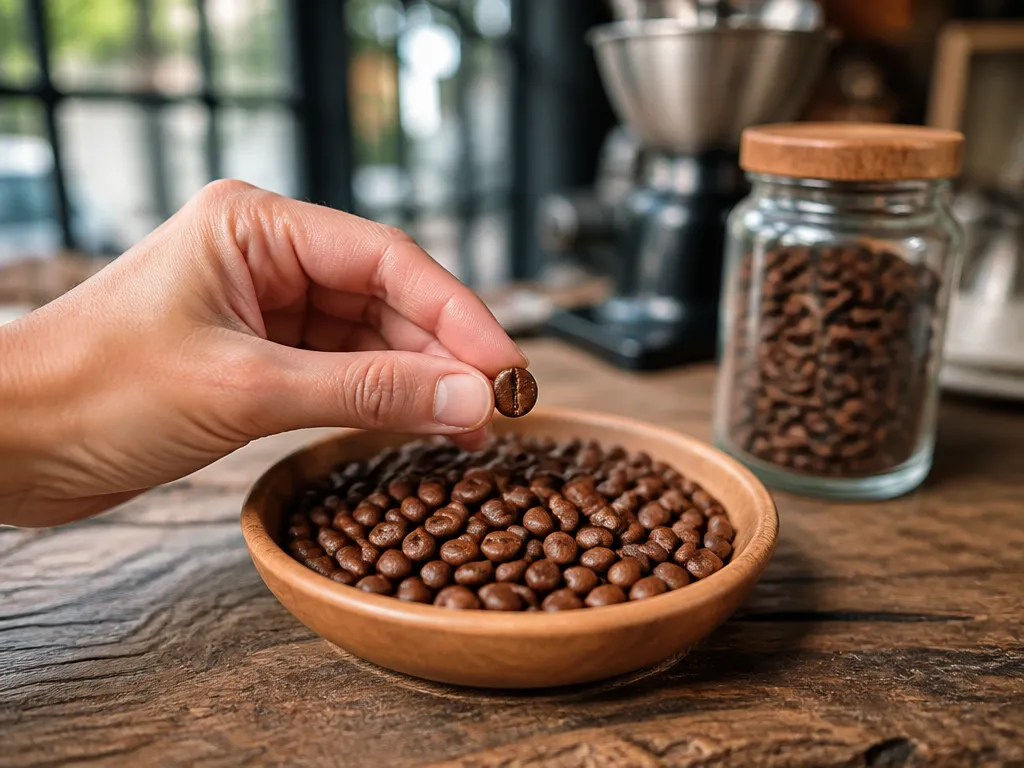
Roast date is the single most useful timestamp on a coffee bag. It tells you when the beans were roasted, and coffee starts drifting away from “fresh” the moment roasting ends. If you shop in the US and want coffee that tastes more like the roaster intended, the roast date matters more than “best by” wording. This guide explains roast dates clearly, plus how to store and use coffee by the clock.
Coffee roast date means the exact day (or day window) the beans were roasted, and freshness falls fastest in the first few weeks. As a practical rule, whole bean coffee tastes best when you use it soon after roasting, while ground coffee goes stale much faster after opening. If you want maximum flavor, buy close to the roast date and store airtight.
Key Takeaways
- Roast date is your guide. Use it to pick the freshest bag and to time how soon to brew it.
- Freshness affects extraction. Coffee tastes dull or flat as oils oxidize and aromatics fade.
- Whole beans last longer. Use whole bean coffee for weeks, ground coffee for days to about a couple weeks.
- Storage changes everything. Airtight, cool, and dark storage slows staling from oxygen, light, and moisture.
- Expiration dates confuse shopping. Expiration is legal/quality language, roast date is about flavor freshness.
- Batch dates help too. Roasters use roast windows and batch codes to map production to your bag.
What It Means
A coffee roast date is the date the roaster finished roasting the beans; packaging may happen after a short rest period, depending on the roaster. It is the most direct indicator you have of “how fresh the coffee still is” in flavor terms, not safety terms.
On most US coffee bags, the roast date appears as a specific date (like “Roasted on 8/14/2026”) or as a roast window (like “Roasted between 8/10 and 8/12”). Some bags also include a batch or lot date, which can be close to the roast date but is not always identical. If you want the freshest flavor, prioritize the roast date or roast window over anything else printed on the label.
If your bag only shows a “best by” date, treat roast date as missing information. “Best by” is often about quality guarantees and may be set long enough that the coffee is still edible but not necessarily at peak flavor.
Ingredients and equipment (what you need to use this info)
No special gear is required, but a few practical items help you act on the roast date.
- A notebook or phone reminder to track when you opened the bag.
- An airtight container for beans (glass with a good seal or a valve jar).
- A grinder if you buy whole beans and want freshness at brew time.
How Roast Date Affects Freshness and Flavor
Roasted coffee “degrades” because aroma compounds volatilize and the remaining oils oxidize. The result is usually noticeable as coffee tasting less vivid, less sweet, and more muted over time.
There is also a flavor shift right after roasting. Many coffees taste best after a short rest period, often a few days, because carbon dioxide released during roasting can interfere with brewing and create odd extraction behavior. That means roast date affects both early brewing quality and later stale flavor, and the best window depends on your brew method and preferences.
Brew method cues by roast age
If you’re trying to hit consistent flavor, use roast age to adjust how you brew rather than guessing blindly.
- Very fresh (first few days after roast): You may see slower drawdown and more “spritzy” crema in espresso, or uneven extraction in pour-over.
- In the early peak window (roughly 1-3+ weeks depending on the roaster): Sweetness and aroma are usually strongest.
- Later (weeks to months): You may get a flat cup even if extraction time seems “correct.”
If your coffee tastes off, roast age is often the first suspect. Stale beans can still brew “clean,” but they can lack the aromatics that make coffee feel bright.
How Long Does Coffee Stay Fresh After Roasting
Coffee quality drops over time, but freshness is not a single number that applies to every bag. Roast intensity, bean density, packaging (especially one-way valves), and storage conditions change how fast your coffee ages.
As a practical shopping-and-use guide for US consumers:
- Whole bean coffee is typically at its best for a number of weeks after roast, assuming you store it airtight and keep it away from heat.
- Ground coffee starts losing aroma right after grinding, and opening accelerates the process because oxygen hits more surface area.
If you want a simple “buy and use” approach, look for a roast date that is not too far in the past when you buy, and finish the bag sooner rather than later. If you’re the kind of person who buys coffee for “someday,” whole bean plus airtight storage is the safer move.
Timing targets that work in real kitchens
Use these as practical targets, not strict rules.
- If you want maximum aroma: plan to brew the coffee within the first few weeks after roast.
- If you buy online: prioritize bags with the latest roast date you can reasonably get, because shipping time can chew through that “fresh peak.”
For example, if you order online and the bag arrives weeks after roasting, you may never taste what the roaster intended. You can still brew it, but you should expect a more muted cup.
Whole Bean vs Ground Coffee Shelf Life
Whole bean coffee keeps its freshness longer because grinding exposes more surface area to oxygen. Once you grind, the coffee begins losing volatile aromatics quickly, and that effect speeds up after you open the package.
In practice, “shelf life” is really “time until the cup tastes dull.” Whole bean often stays meaningfully better far longer than pre-ground coffee under the same storage conditions.
Here’s the clean way to think about it:
- Whole bean: Buy fresh, grind right before brewing, store airtight.
- Pre-ground: Buy fresh-ish, open and use sooner, store airtight and minimize headspace exposure.
Whole bean vs ground: quick comparison
| Coffee form | What shortens freshness most | Best practice | What to expect over time |
|---|---|---|---|
| Whole bean | Oxygen exposure after opening | Grind as needed, store airtight | Aromatics fade gradually; cup stays lively longer |
| Pre-ground | Oxygen exposure + large surface area | Use soon after opening, keep sealed | Noticeable dullness faster, even if it still “brews” |
Best Storage to Protect Roast Date Freshness
Storage protects the coffee you paid for.
You do not need fancy gadgets, but you do need airtight sealing. Bags are often good for shipping, but once opened, they can leak air. Transferring to a proper container helps a lot.
How to store coffee like it’s fresh
Follow this routine.
- Keep the bag sealed until you’re ready to use it.
- After opening, transfer to an airtight container (glass or ceramic with a tight lid).
- Store in a cool, dark cabinet away from the stove, oven, dishwasher steam, and window light.
- Avoid repeated air exposure by scooping out what you need.
- Buy smaller bags if you go through coffee quickly enough that you can stay within your roast-date window.
Some people freeze coffee. Freezing can slow staling, but the “win” depends on packaging and preventing moisture. If you do freeze, freeze in small portions so you minimize thaw and re-freeze cycles.
Substitutions when you don’t have an airtight container
If all you have is the original bag, do damage control.
- Fold the top tightly and use a clip to reduce air exposure.
- Use a zip-top bag as a secondary barrier (put the original bag inside, then seal).
- Store flat or upright consistently so the seal holds and you’re not constantly reopening the coffee.
It will not beat a proper airtight jar, but it’s still better than leaving ground coffee loosely open on the counter.
Roast Date vs Expiration Dates on Coffee
Expiration dates usually mean “don’t sell past this date” or “quality assurance ends,” and they are often conservative. They are not a reliable measure of whether your coffee tastes fresh today.
Roast date is about when the coffee was roasted, which drives flavor change. “Expiration” is usually about liability and keeping the product within a safe marketing window, and the coffee can still taste flat long before any expiration date arrives.
If you’re standing in a store, roast date is your quality compass. If you’re online and you only see an “expiration” date, you should assume the coffee might already be past peak, especially for pre-ground.
What to do when both dates are printed
Use both, but in this order.
- Check roast date first to estimate freshness.
- Use expiration as a safety net, mainly to avoid obvious old stock.
If the only date printed is expiration, treat the coffee as “use soon after purchase” because you cannot confirm how far it is from roasting.
How to Read Roasters’ Roast Windows and Batch Dates
Roast windows tell you a range of dates when the coffee was roasted. Batch dates or lot codes help you track which production run your bag belongs to, and sometimes the batch date is the closest proxy when roast date is hard to read.
When a roast window is present, your best move is to choose the bag with the most recent upper bound (the latest day in the window). If you’re deciding between two similarly packaged coffees, that last day in the range is usually your freshest scenario.
Practical decoding of common label formats
Roaster labels vary, so here are the common patterns and what to do with them.
- “Roasted on” a specific date: Treat that as the real freshness starting point.
- “Roasted between” two dates: Use the later date to be optimistic about freshness, and assume it could be older within the range.
- Batch/lot codes only: Treat them as tracking info, not a guaranteed freshness date. Ask the roaster for the roast date if it matters to you.
For example, if a bag says “Roasted between 06/10 and 06/12” and arrives at your door “mid-July,” you can infer the coffee is well outside a typical “peak aroma” window. You can still brew it, but you should expect a flatter cup than a bag roasted closer to purchase.
If you’re really serious about freshness
You can also contact the roaster with your batch code. If they can map batch to roast day precisely, you’ll know your true timeline instead of guessing from packaging language.
FAQ
What does “roasted on” mean on coffee bags?
“Roasted on” is the date the beans were roasted. That matters for flavor because coffee loses aroma and sweetness as it oxidizes after roasting. If your bag also lists a “best by” date, use roast date to judge freshness, and use “best by” only as a secondary limit.
How many days after roast should I brew coffee for best taste?
Many coffees taste better a few days after roasting because early off-gassing can interfere with brewing. After that rest, the flavor usually stays strongest for weeks if you store the bag airtight and keep it cool and dark. If you grind right before brewing, you stretch the best-tasting window.
Does roast date matter more for espresso or pour-over?
Roast date matters for both because freshness drives aromatics and extraction behavior. Espresso is often more sensitive to very fresh gas for crema and flow consistency, while pour-over can taste noticeably dull when beans get stale. Whole bean plus fresh grinding is the simplest way to make roast date pay off.
Can I drink coffee after the roast date if it tastes stale?
Yes, you can drink it, and “stale” often shows up as muted flavor rather than a hard failure. Try brewing hotter or adjusting grind size, because stale coffee can demand different extraction to taste decent. If it smells flat or cardboard-like, switch to a fresher bag.
What’s the biggest mistake people make with roast dates?
Leaving coffee loosely sealed after opening, especially pre-ground coffee. Oxygen exposure accelerates staling, and heat or sunlight speeds it up further. Buy smaller bags so you’re finishing within your roast-date window.

- Unlocking the Venti: Discover the Perfect Shot Count for Your Drink - October 13, 2026
- Unpacking the Buzz: Caffeine Levels in Café Bustelo Espresso - October 13, 2026
- How to Fix Bitter Coffee: 10 Expert Ways to Improve the Taste - October 4, 2026