
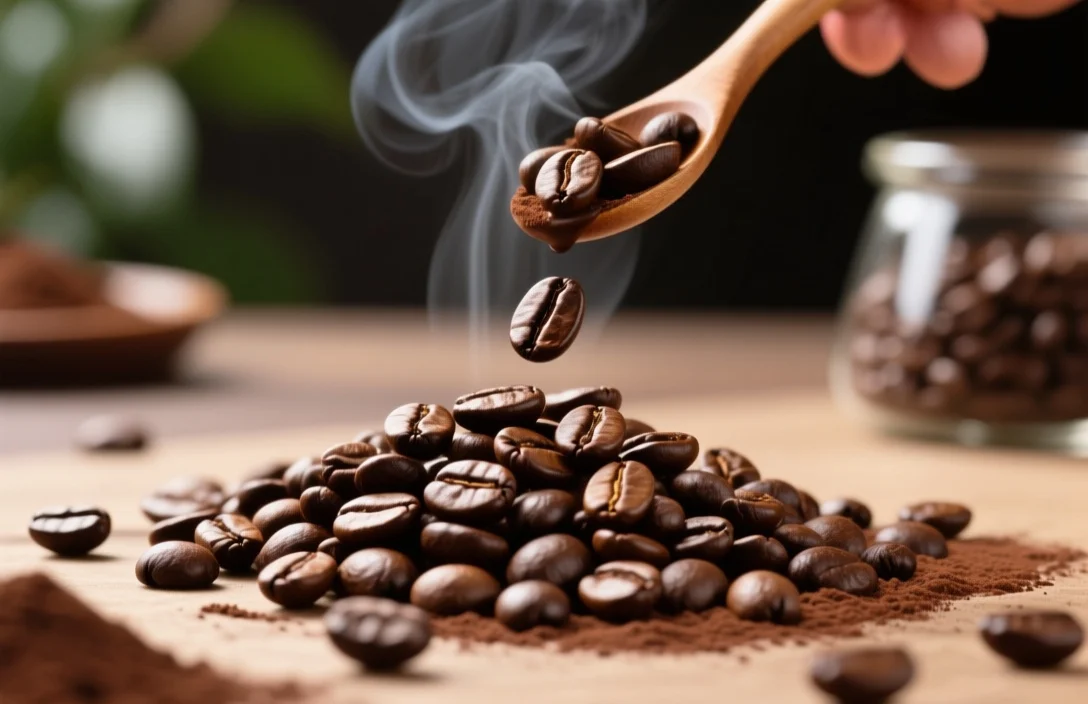
Coffee beans with chocolate notes are coffees whose natural origin, bean varietal, processing, and roast profile produce flavors that evocatively recall cocoa – ranging from milk-chocolate sweetness to bitter dark-cocoa. After comparing tasting notes from multiple roasters and sampling dozens of single-origin and blend options side by side, I can tell you how to find them, how roast and processing change those notes, and which brewing choices make chocolate notes sing.
What “chocolate notes” actually mean in coffee
Chocolate notes describe a set of sensory impressions rather than a single chemical compound, and tasting them requires distinguishing aroma, sweetness, and bitterness together. Chocolate in coffee commonly presents as a combination of low acidity, medium to full body, and flavor descriptors that tasters call cocoa, dark chocolate, milk chocolate, chocolate-covered nuts, or baking-cocoa; these descriptors map to roasted sugars, Maillard reaction products, and compounds like pyrazines that develop during drying and roasting.
Aroma contributes a great deal to the perception of chocolate, so smelling the ground beans and the brewed cup is essential before relying on flavor alone. Tasting panels and cuppers often place chocolate notes on the lower-fruit, lower-acid side of the flavor spectrum; coffees described as chocolatey are usually not high in bright citrus acidity and instead emphasize roundness and sweetness.
Why some beans taste like chocolate
Origins and genetics heavily influence which flavor precursors are present in green coffee, and varietal compounds interact with the environment during growth to produce base sugars and precursors that roasting turns into chocolate-like flavors. Soil minerals, stable moderate daytime temperatures, and certain cultivars favor carbohydrate profiles that create roasted-sugar and cocoa-like aromatics when roasted to medium or darker profiles.
Post-harvest processing alters those precursors significantly; natural and pulped-natural processes, which ferment the cherry around the bean for longer, often enhance fruit-to-sugar conversions and deepen body, outcomes that roasters can then coax into chocolate notes. Varietal differences matter as well: many C. arabica cultivars grown in Latin America present nuttier, chocolatey bases, while some East African coffees trend toward floral and berry notes instead.
Where to find coffee beans with chocolate notes
Brazilian lots are the most frequently cited for solid chocolate and nutty notes, largely because of common processing (natural and pulped-natural) and varietals grown there. Colombian washed coffees can show cocoa-like bitterness toward a medium roast, while several Central American highland lots deliver milk-chocolate sweetness when roasted to medium-dark.
Sumatran or Indonesian wet-hulled coffees sometimes display darker chocolate and earthy cocoa, which makes them useful in blends that need backbone. Single-origin lots, espresso blends that incorporate a Brazil or Sumatra component, and micro-lots labeled with flavor notes are the practical places to look if chocolate is the target trait.
| Name | Price / Key Spec | Best For |
|---|---|---|
| Brazilian natural single-origin | Entry to mid-range retail; full body, low acidity | Daily brewed coffee and milk drinks |
| Colombian washed single-origin | Mid-range retail; balanced acidity and cocoa finish | Black coffee and medium-roast espresso |
| Central American highland (Guatemala, Honduras) | Mid-range to specialty; bright midnotes with chocolate undertone | Pour-over and espresso where sweetness is desired |
| Sumatran wet-hulled | Specialty range; earthy, dark-chocolate, fuller body | Espresso blends and bold single-origin brews |
| House espresso blends (with Brazil or Sumatra base) | Varies; blended for chocolate, caramel, crema | Cappuccinos, lattes, and café-style espresso |
How roast level and processing shift chocolate character
Roast level is among the most controllable variables that change perceived chocolate notes; medium roasts often highlight milk or cocoa-sweet traits, while medium-dark to dark roasts emphasize bitter chocolate, roast-derived caramelization, and dark cocoa. Roasters typically choose roast curves that preserve enough origin sweetness to allow chocolate-like sweetness to emerge without scorching the bean, which would mute origin character and push flavors toward burnt bitterness.
Processing choices create different flavor scaffolding that roasting then shapes into chocolate impressions; washed processing tends to accentuate brighter acids that can balance chocolate sweetness, while natural and pulped-natural processes increase body and sugar retention, which makes chocolate notes feel sweeter and heavier. Blending strategies exploit these differences: a washed Colombian can add clarity while a Brazilian natural brings chocolatey roundness, producing a balanced chocolate-forward espresso or drip cup.
How to taste and identify chocolate notes
Taste identification begins with a clear baseline approach to aroma and flavor, because chocolate impressions are often subtle and overlap with nutty, caramel, and roasty descriptors. Smell the dry grounds, then the wet aroma after the first pour; chocolatey coffees often show cocoa, baked-goods, or toasted-nut aromatics before those impressions appear on the palate.
Sip deliberately and note sweetness, acidity, and body together, since chocolate notes are typically associated with lower acidity and fuller mouthfeel. Follow this tasting checklist to train your palate:
- Smell the dry grounds to detect cocoa, nut, or molasses-like aromas.
- Pour hot water and inhale the wet aroma immediately for roasted-sugar cues.
- Take a small sip and hold the coffee across the tongue to assess body.
- Note acidity level and any cocoa, bakery, or toasted-nut flavors on the finish.
- Record how long the chocolate impression lingers to judge intensity.
- Compare the sample with a known dark chocolate square or cocoa powder to calibrate descriptors.
Brewing methods that highlight chocolate notes
Brewing variables such as water-to-coffee ratio, grind size, and brew temperature change how chocolate notes present; lower brew temperatures and coarser grinds favor smoother, sweeter chocolate impressions, while higher temperatures extract more bitter chocolate compounds. Pour-over methods with controlled bloom and slightly lower temperatures often showcase milk-chocolate and cocoa sweetness, making pour-over a great choice for single-origin chocolatey coffees.
Espresso concentrates chocolate notes into a syrupy body and can highlight dark cocoa and roast-derived bitters, which makes a chocolate-forward espresso ideal for cappuccinos and lattes. Try these method-specific tips:
- Use a medium-coarse grind and 195-200°F brew temperature in pour-over to favor sweet cocoa.
- Dial espresso to a shorter shot (slightly finer grind, less yield) when aiming for chocolate syrupiness.
- Employ immersion brews like French press with a coarser grind for fuller body and chocolate warmth.
- Reduce over-extraction by shortening contact time when brewing Sumatran or dark-roasted lots to avoid burnt bitterness.
Buying tips and packaging signals to look for
Buy whole-bean coffee and grind immediately before brewing to preserve fragile aromatics that convey chocolate notes, because pre-ground coffee loses volatile compounds rapidly. Look for roast dates on the bag and aim to use a bag within 21-45 days after roast for most medium and medium-dark profiles; freshness preserves both the sweetness and subtle roast aromatics that create chocolate impressions.
Prefer small-batch specialty roasters that list origin, process, and flavor notes; clear labels that mention cocoa, milk chocolate, or cocoa nibs are a practical signal, though tasting remains the only definitive test. Consider these checklist items when purchasing:
- Check the roast date and prefer whole-bean formats.
- Favor single-origin lots from Brazil, Colombia, or Central America if chocolate notes are listed.
- Inspect for one-way valves on bags, which indicate recent roast and degassing.
- Choose sealed 12-16 oz bags for home use; buy larger only if you plan to consume quickly.
- Read roaster tasting notes and look for “natural”, “pulped natural”, “chocolate”, or “cocoa” descriptors.
Common mistakes that mute or misinterpret chocolate notes
Mistaking roast for origin is frequent: a dark roast can create chocolate-like bitter notes even in beans that lacked chocolate precursors, and that confuses whether the chocolate impression comes from the bean or the roast. Over-roasting becomes a shortcut that produces burnt and ashy flavors misread as dark chocolate, while under-roasting can leave beans acidic and prevent chocolate sweetness from developing.
Grind inconsistency, stale beans, and improper water temperature are practical brewing errors that flatten the chocolate profile or turn it bitter. Avoid these pitfalls by following a short troubleshooting routine:
- Verify grind uniformity for your brew method to prevent over-extraction.
- Replace beans after four weeks from roast to avoid stale, flat flavors.
- Adjust temperature and extraction time rather than pushing roast level to get chocolate notes.
- Taste beans both as black coffee and with milk, since milk can either mute or enhance chocolate sweetness depending on bean and roast.
How to use chocolatey coffee in drinks and recipes
Chocolate-forward coffees pair naturally with milk and sweeteners since the sugar and fat amplify chocolate impressions, and they work well in classic milk-based drinks like lattes, mocha, and cappuccinos. Baking with brewed chocolatey coffee intensifies cocoa flavors in cakes, brownies, and tiramisu by adding both liquid and aroma complexity without overpowering other ingredients.
Cocktail and dessert applications benefit from the coffee’s balance of sweetness and roast: combine a medium-dark Brazilian espresso with dark rum or use cold-brewed chocolatey coffee in ice cream base to preserve the rounded cocoa notes. Experimentation suggestions:
- Substitute brewed chocolatey coffee for part of the liquid in chocolate cake batters.
- Make a simple mocha by adding 1-2 teaspoons unsweetened cocoa to espresso, then steam milk.
- Create a coffee syrup by reducing brewed coffee with sugar to glaze desserts or sweeten cold drinks.
FAQ
Are chocolate notes more common in Arabica or Robusta beans?
Arabica beans are the primary source of nuanced chocolate notes across specialty markets because they offer a wider range of flavor precursors and generally more sweetness, while Robusta tends to contribute harsher bitter qualities and higher caffeine; many chocolate-forward specialty roasts are Arabica or blends with an Arabica base.
Will dark-roasting always increase chocolate flavor?
Dark-roasting will amplify roast-derived chocolate and bitter cocoa impressions but can obscure origin-specific chocolate sweetness if taken too far, so medium-dark roasts often strike the best balance between origin character and roast-developed chocolate notes.
Can I get chocolate notes from instant coffee?
Some instant coffees incorporate darker roast or Robusta components that mimic dark chocolate bitterness, but instant format loses many volatile aromatics that produce delicate cocoa and milk-chocolate notes, so whole-bean specialty coffee is the more reliable route.
How long after roasting should I brew chocolate-forward coffee?
Most chocolate-forward medium to medium-dark roasts are at a good drinking window roughly 3 to 21 days after roast for peak aromatic development; roasts often benefit from a short degassing period, and freshness beyond several weeks will reduce sweetness and aroma intensity.
Does milk hide chocolate notes or make them better?
Milk can both mute acid and highlight sweetness, which often makes chocolate notes seem richer and fuller; milk-based drinks are especially forgiving for coffees with cocoa and caramel traits, but very delicate chocolate nuances may be obscured.
Practical verdict and next
If you want chocolate notes that taste like real cocoa rather than burnt roast, start with a medium or medium-dark Brazilian or Central American single-origin, buy whole beans with a roast date, and brew using pour-over or a controlled espresso dial-in. Try a 12-16 oz bag from a specialty roaster with “cocoa,” “milk chocolate,” or “pulped natural” on the tasting notes, roast and brew it within three weeks, and use the tasting checklist above to confirm the profile matches what you enjoy.

- Espresso Tastes Watery? 10 Common Causes and How to Fix It - October 23, 2026
- 10 Common Coffee Equipment Cleaning Mistakes and How to Avoid Them - October 23, 2026
- 17 Common Coffee Grinder Problems and How to Fix Them - October 23, 2026