
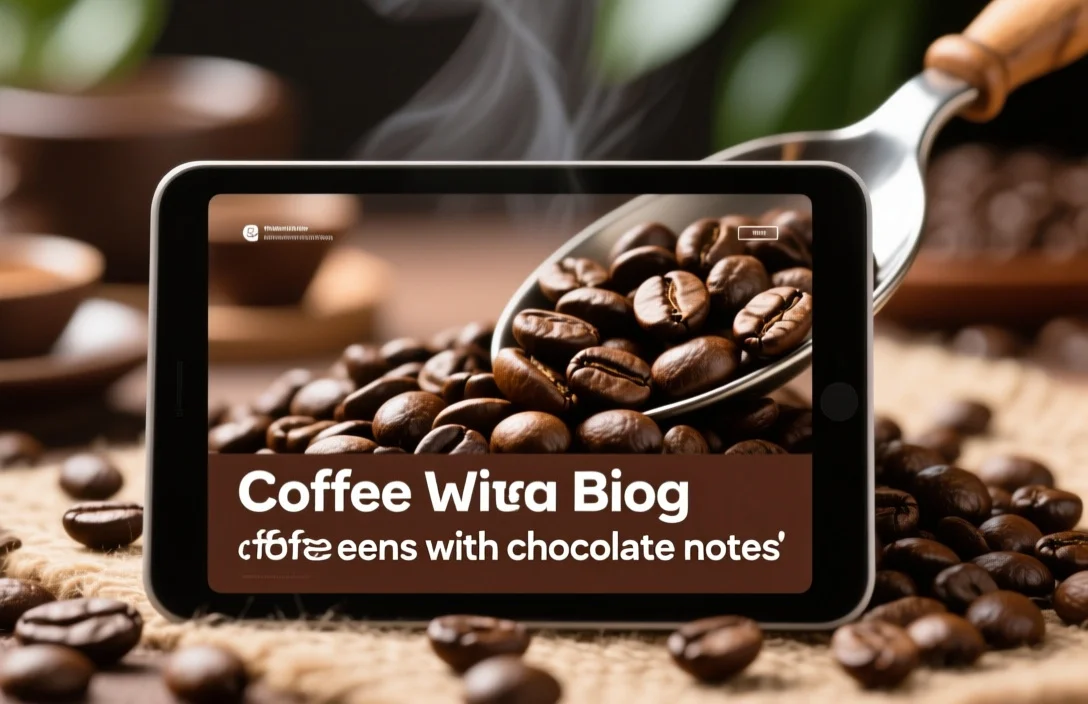
If you want a cup that tastes like cocoa or dark chocolate, choose Arabica beans from Brazil, Colombia, or certain Central American farms roasted to medium or medium-dark. Coffee beans with chocolate notes are typically Arabica grown at moderate altitudes where the cherry develops sugars, and where processing plus a careful roast brings out cocoa, brown sugar, and roasted-nut aromatics.
Why some coffees taste like chocolate
Sugars and amino acids inside the green bean react during roasting to create Maillard compounds and caramelization products that our brains interpret as chocolate, caramel, or roasted nuts. Chemical families such as pyrazines and furans contribute to roasted, nutty, and cocoa-like impressions; pyrazines in particular give earthy and nutty tones that a taster can equate to milk or dark chocolate depending on roast level.
Genetics of the coffee plant set a starting flavor profile before processing and roast change it dramatically. Arabica varieties tend to carry sweeter, fruitier, and more complex base notes than Robusta, and that sweetness helps the cocoa-like aromatics emerge more clearly when the beans are roasted to medium or slightly darker. Soil, altitude, and climate influence precursors like sugars and amino acids, and that’s why region consistently shapes whether chocolate notes appear.
Coffee Beans With Chocolate Notes: Most Reliable Origins
Brazil and Colombia show up most often on tasting notes that mention chocolate or cocoa. Brazilian naturals and pulped naturals commonly produce round, cocoa-rich profiles with low acidity and pronounced body. Colombian washed lots often lean toward milk-chocolate sweetness with a balanced acidity that keeps the cup lively while letting chocolate notes come forward.
Central American regions such as Guatemala (Antigua), parts of Honduras, and Costa Rica produce chocolate-tinged coffees when processed and roasted for balance. Indonesian origins like Sumatra and Sulawesi offer dark, earthy, and bittersweet chocolate impressions, especially in wet-hulled lots. Single-origin Ethiopian coffees rarely taste like conventional chocolate; those beans more often show floral and fruity notes unless blended or roasted darker.
How processing and roast unlock chocolate notes
Natural (dry) processing leaves more fruit sugars attached to the bean during drying, which can translate into sweeter, fruitier cups or into chocolatey richness when roasted darker. Washed processing removes the majority of cherry mucilage before drying, which tends to produce cleaner acidity and sharper clarity; that method can still yield chocolate notes but they often read as milk chocolate or caramel rather than dark or bitter chocolate.
Roast level is the most direct lever a roastery or home roaster uses to emphasize chocolate notes. Medium roasts expose caramelization and brown-sugar tones while keeping acidity present. Medium-dark roasts push toward bittersweet cocoa and roasted-nut flavors while softening acidity; beans roasted darker will increase chocolate and smoky roast notes but risk masking origin-specific nuances. Roasting on a profile that halts shortly after first crack tends to preserve brighter notes, while extending into the development phase increases cocoa-like flavors.
what “chocolate” can mean
Tasters use “chocolate” to describe a wide range of sensations – milk chocolate, dark chocolate, cocoa powder, chocolate-covered nuts, and sweet chocolate ganache are all distinct. Milk-chocolate descriptors imply creaminess, lower acidity, and milky sugar density. Dark-chocolate descriptors signal higher roast-derived bitterness, less sweetness, and a firmer, drier finish. Cocoa powder notes emphasize dry, astringent tannins and an earthy bitterness that cuts through milkier flavors.
A practical tasting approach separates texture from flavor. Mouthfeel that feels full, viscous, and slightly syrupy often reads as “milk chocolate” even if the aromatic profile is neutral. Aromas of toasted almond, hazelnut, molasses, or caramel often appear alongside chocolate notes and help you decide whether the chocolate sensation stems from origin or roast.
How to buy coffee beans that will taste like chocolate
Look for origin and processing notes on the bag rather than romantic copy. Bags that list country (Brazil, Colombia, Guatemala, Sumatra), variety, and processing give you usable signals. Labels that read “natural” or “pulped natural” increase odds of sweeter, chocolatey richness whereas “washed” indicates clarity with potential chocolate sweetness when roasted to medium.
Ask roasters for a flavor wheel or cupping notes and pay attention to modifiers such as “cocoa,” “brown sugar,” “toffee,” “hazelnut,” or “caramel.” Those modifiers usually point to chocolate-adjacent compounds. Purchase a 12-16 oz bag when trying a new single-origin so you can brew it fresh multiple ways before deciding. Avoid pre-ground supermarket blends if you want a distinct chocolate note; whole-bean fresh-roasted coffee retains its volatile aromatics far better.
Table: Quick comparison for chocolate-oriented purchases
| Name | Price / Key Spec | Best For |
|---|---|---|
| Brazilian natural Arabica | Moderate price, heavy body, natural/pulped-dry processing common | Espresso, French press |
| Colombian washed Arabica | Mid-range, balanced acidity, clean sweetness | Drip, pour-over |
| Guatemalan Antigua | Mid to slightly higher price, bright with cocoa undertones | Pour-over, drip |
| Sumatra (Wet-hulled) | Variable price, earthy, dark cocoa notes | Espresso blends, cold brew |
| Central American blend labeled “chocolate” | Price varies, blended for cocoa and caramel notes | Espresso, milk drinks |
Brewing to highlight chocolate notes
Grind size, water temperature, and brew method all change which flavor compounds extract and therefore how chocolate notes present themselves. A coarser grind with a longer steep (French press or cold brew) emphasizes body and extracts heavier, low-volatility compounds that read as chocolate and caramel. Finer grinds and shorter contact times (espresso) concentrate both sweetness and roast-derived bitterness; that concentration often reads like intense dark chocolate.
Water between 195°F and 205°F extracts chocolate-aligned compounds reliably. Pour-over methods with pulse pouring deliver clarity while still allowing chocolate notes to be perceptible as background sweetness. Cold brew extracts lower acidity and yields a smooth, chocolate-forward cup; steep 12-18 hours using room temperature or cold water depending on desired intensity.
Practical brewing checklist:
- Buy whole beans and grind immediately before brewing.
- Adjust grind coarseness to match brew method: coarse for French press, medium for drip, fine for espresso.
- Use water within the 195°F-205°F range.
- Taste at multiple brew strengths; dial in to emphasize sweetness without over-extracting bitterness.
Roasting at home or choosing a roast to accent chocolate
Home roast profiles that extend the development time after first crack by 20-40 seconds usually increase chocolate notes by encouraging sugar browning and pyrazine formation. Lighter roasts preserve origin fruitiness, which may mask chocolate impressions; darker roasts emphasize roast flavors that can be described as cocoa, dark chocolate, or even smoky chocolate depending on roast length.
Buy from roasters who list roast dates and avoid beans older than 3-4 weeks past roast date for whole beans. Freshness affects volatile aromatics that carry chocolate impressions; bags degassing but still within the first month after roast offer the best chance of tasting the intended chocolate notes. If you roast at home, keep development time steady and track bean color with Agtron or visual cues rather than aiming for an arbitrary “dark” label.
Common mistakes that hide chocolate notes
Grinding too far in advance loses volatile aromatics and makes chocolate notes dull or nonexistent. Storing beans in clear containers in warm spots accelerates staling; low-oxygen, opaque containers are better. Over-extracting by using water that’s too hot or brewing too fine can push a cup from pleasant cocoa to bitter burnt-chocolate character.
Buying cheap supermarket pre-ground blends often yields stale, flat cups with indistinct flavors that won’t clearly read as chocolate. Picking an origin because of marketing language instead of looking for specifics like processing, roast date, and tasting notes increases the chance that the coffee won’t present the chocolate profile you expect.
Pairing and menu uses for chocolatey coffees
Chocolate-forward coffees pair well with baked goods that share complementary sugars and textures – think butter croissants, chocolate-chip cookies, and nutty biscotti. Milk-based espresso drinks amplify perceived sweetness and creaminess, so using a chocolatey single-origin for lattes or cappuccinos produces a dessert-like drink without adding syrups.
Culinary uses include brewing a strong chocolate-forward coffee for coffee reductions in desserts or combining cold-brew with cocoa powder for an intensified mocha syrup. Food pairing choices that include salty nuts, ripe bananas, or caramelized fruit emphasize different elements of the chocolate profile, allowing a single coffee to show milk-chocolate or dark-chocolate sides.
How storage and freshness affect chocolate notes
Exposure to oxygen, moisture, heat, and light degrades the volatile compounds that produce chocolate aromatics. Store whole beans in an opaque container with a one-way valve in a cool, dark place. Avoid refrigerator storage for daily-use quantities because condensation and odors will damage aromas; freezer storage can work for long-term keeping if you portion beans into airtight bags and thaw completely before opening.
Resting freshly roasted beans for 12-48 hours after roast allows CO2 to vent and flavors to equilibrate; coffee brewed too early can taste green or flat and fail to reveal chocolate notes. Freshness diminishes over weeks; espresso preference typically benefits from 3-14 days post-roast, while drip or pour-over drinkers may prefer 5-21 days depending on roast and origin.
When chocolate notes might be misleading
Roast-dominated chocolate impressions can mask origin complexity, creating a generic “roasty” chocolate impression that lacks specific nuance. Blends often use chocolate descriptors as shorthand to indicate body and sweetness rather than an actual cocoa spectrum note. Label language such as “chocolatey” sometimes reflects the roaster’s target profile rather than measurable tasting compounds, so blind customer tasting may not match the tasting notes on the bag.
Adulteration or flavoring is another cause of misleading chocolate taste. Some flavored coffees have added cocoa or chocolate essence; a true single-origin chocolate note will still align with other origin descriptors like nut, caramel, or brown sugar. If you suspect added flavoring, check ingredient lists: pure roasted coffee should list only coffee.
How to taste and evaluate chocolate notes yourself
Smell the dry beans first; look for cocoa, toasted almond, caramel, or molasses aromatics. Grind a small amount and perform a break-test: inhale the fresh ground aromatics and notice whether chocolate impressions are dominated by sweet, bitter, or nutty versions.
Brew small 20-30 ml doses in a tasting spoon or use a cupping: pour near-boiling water over 8-10 g of medium-fine ground coffee and wait 3-4 minutes, then break the crust and inhale. Slurp to aerate the coffee and bring volatile compounds to the palate; note mouthfeel, acidity, and finish. Record descriptors like “milk chocolate,” “dark cocoa,” “roasted hazelnut,” and “brown sugar” to separate roast-derived chocolate from origin-derived cocoa.
Sample shopping checklist for chocolate-forward beans
- Verify origin: prefer Brazil, Colombia, Guatemala, Sumatra, or labeled Central American regions.
- Check processing: natural or pulped natural increases chocolate-sweetness odds.
- Read roast level: medium to medium-dark for balanced chocolate; medium-dark to dark for darker cocoa notes.
- Confirm roast date: choose beans roasted within the past 3-4 weeks.
- Buy whole-bean and grind fresh at home.
- Ask the roaster for flavor descriptors that include cocoa, toffee, caramel, or roasted nuts.
FAQ
Which single-origin country most reliably produces chocolate notes?
Brazilian coffees are the most frequently reported to carry chocolate and cocoa notes because of their genetics, often lower acidity, and common natural or pulped-natural processing. Colombian lots produce chocolate notes too, typically with higher clarity and brighter acidity that keeps the cup balanced.
Does roasting darker always make a coffee taste like chocolate?
No. Darker roasting enhances roast-derived bitter and smoky compounds that can read as dark chocolate, but over-roasting can eliminate origin-specific sweetness and create burned or ashy flavors that are unpleasant rather than chocolaty.
Are flavored “mocha” coffees the same as chocolatey single-origin beans?
Not the same. Flavored coffees often have added cocoa or chocolate flavoring and can taste chocolatey regardless of origin. Single-origin chocolate notes come from the bean’s natural compounds, processing, and roast and usually pair with other descriptors like nut, caramel, or fruit.
How should I brew to make chocolate notes pop without adding milk or sugar?
Use a French press, pour-over with slightly coarser grind, or cold brew. Lower extraction temperatures and coarser grinds emphasize body and lower-volatility compounds that read as chocolate without needing milk or sugar.
Final verdict and next
If your priority is a chocolate-forward cup, start with whole-bean Arabica from Brazil, Colombia, Guatemala, or Sumatra roasted to medium or medium-dark and brew with a method that emphasizes body, such as French press or cold brew. Try a 12-16 oz bag from a specialty roaster that publishes roast dates, and run two quick home experiments: French press vs pour-over using the same beans to see which brew highlights the chocolate notes you prefer.

- Espresso Tastes Watery? 10 Common Causes and How to Fix It - October 23, 2026
- 10 Common Coffee Equipment Cleaning Mistakes and How to Avoid Them - October 23, 2026
- 17 Common Coffee Grinder Problems and How to Fix Them - October 23, 2026