
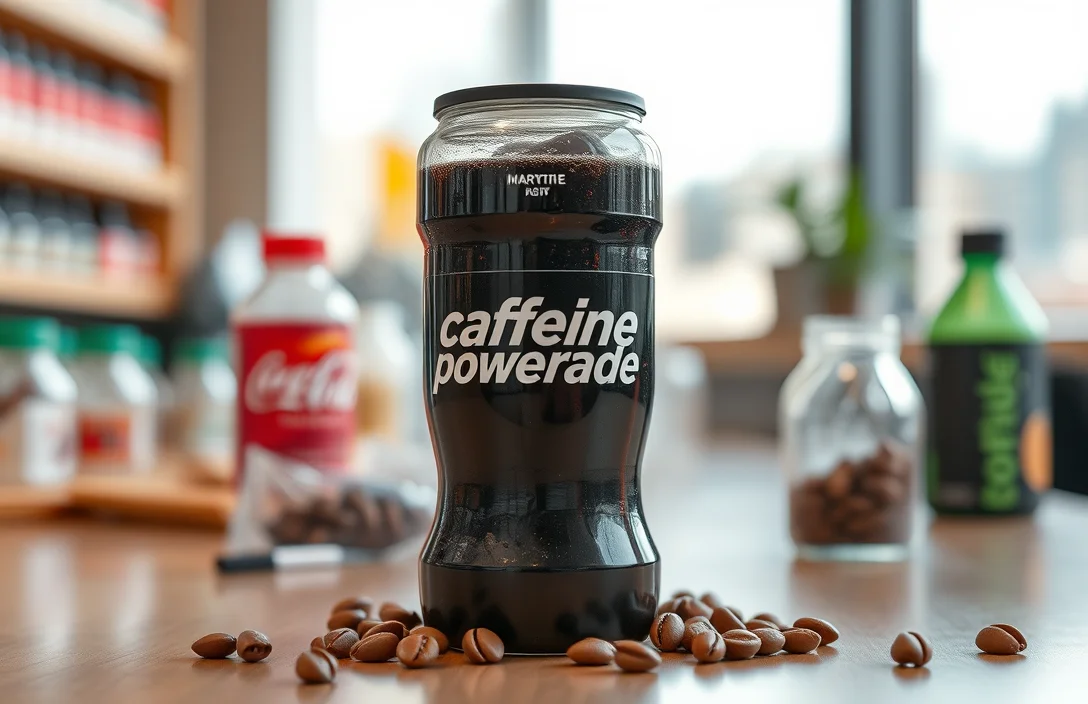
Caffeine Powerade contains about 80 mg of caffeine per 12 oz serving, providing an energizing boost for athletes and fitness enthusiasts. This unique blend of electrolytes and caffeine is designed to enhance performance and hydration, making it an intriguing choice for those seeking an edge during workouts.
Offering enhanced energy, improved hydration, and electrolyte replenishment, Caffeine Powerade combines the benefits of traditional sports drinks with the stimulating effects of caffeine. It’s particularly popular among athletes and active individuals looking to maximize their performance.
Caffeine Content in Powerade
Powerade does not contain caffeine. Unlike many sports drinks and energy beverages, this hydration option focuses on electrolytes and carbohydrates to replenish energy during workouts. Athletes seeking caffeine benefits might consider alternatives but should note that Powerade’s formulation is designed for hydration without stimulants.
Comparatively, several popular beverages offer varying caffeine levels. For instance, coffee typically contains about 95 mg of caffeine per 8-ounce serving, while energy drinks can have anywhere from 80 mg to over 300 mg per serving. Below is a simple comparison table:
| Beverage | Caffeine Content (mg per 8 oz) |
|---|---|
| Coffee | 95 |
| Powerade | 0 |
| Energy Drink | 80-300 |
Evaluating caffeine intake is crucial for athletes. While some benefits exist, one must consider hydration needs during physical activity. Powerade provides a balanced option for those who prefer to avoid caffeine while still needing effective hydration and energy replenishment.
Benefits of Caffeine for Athletes
Caffeine significantly boosts athletic performance by enhancing endurance and reducing perceived exertion. Athletes can experience improved focus and energy levels, allowing them to push through physical challenges. When consumed in moderation, caffeine serves as an effective supplement to optimize workouts.
- Caffeine increases adrenaline levels. Higher adrenaline enhances energy production, making muscles work more efficiently. This could lead to longer training sessions without fatigue.
- Improved fat oxidation occurs with caffeine intake. This means the body uses fat as fuel, preserving glycogen stores during prolonged exercise. Athletes can sustain their energy levels for longer periods.
- Enhanced mental alertness is a key benefit. Caffeine sharpens focus, improves reaction times, and helps athletes stay engaged during competitions. Mental clarity can be as crucial as physical conditioning.
- Reduced pain perception is another advantage. Caffeine can diminish feelings of fatigue and discomfort, allowing athletes to perform at higher intensities without feeling overwhelmed by pain.
- Increased hydration retention happens with the right balance. While caffeine is a diuretic, moderate consumption through drinks like Powerade can maintain hydration levels during workouts, supporting overall performance.
Powerade Compared to Energy Drinks
Powerade differs from traditional energy drinks primarily in its formulation. While energy drinks often contain high levels of caffeine and sugar designed for quick energy spikes, Powerade focuses on hydration and electrolytes. This distinction makes Powerade a better choice for athletes seeking sustained performance during workouts rather than a quick energy boost.
Caffeine content varies significantly. Energy drinks frequently contain upwards of 100 mg of caffeine per serving, while Powerade offers a more moderate option. Athletes can benefit from the caffeine without the jitters or crashes associated with high-caffeine beverages. This balance supports better endurance and concentration throughout physical activities.
Nutritional profiles also contrast sharply. Energy drinks typically include additional stimulants and high sugar levels, which can lead to dehydration. In contrast, Powerade prioritizes replenishing electrolytes lost during exercise. This focus ensures athletes maintain hydration and muscle function, crucial for optimizing performance and recovery.
Market positioning highlights their differences. Energy drinks target consumers seeking immediate energy boosts, often marketed towards young adults and gamers. Conversely, Powerade aligns itself with athletes and fitness enthusiasts, offering a tailored solution for hydration and performance enhancement. This clear distinction helps consumers choose based on their specific needs.
Hydration and Caffeine Effects
Caffeine can impact hydration levels during workouts. While it has a mild diuretic effect, studies indicate that moderate caffeine consumption does not lead to dehydration. Powerade, containing caffeine, can help maintain hydration while providing energy. Understanding its role can enhance workout performance without compromising fluid balance.
- Monitor hydration before workouts. Ensure adequate fluid intake prior to exercising, especially when consuming caffeinated beverages like Powerade.
- Assess individual tolerance levels. Everyone reacts differently to caffeine; some may require less or more to maintain hydration.
- Incorporate hydration strategies. Pair caffeinated drinks with water or electrolyte solutions to optimize hydration and energy levels during physical activities.
- Track fluid loss during exercise. Consider factors such as temperature, humidity, and exercise duration to adjust your hydration strategy accordingly.
- Evaluate caffeine timing. Consuming caffeine before workouts can enhance performance without significant dehydration risks, making it a practical choice for athletes.
Caffeine’s Role in Athletic Performance
Caffeine enhances endurance by increasing time to exhaustion. Athletes often experience improved stamina during prolonged activities, such as running or cycling, when consuming caffeine. Research indicates that just 3 to 6 mg per kilogram of body weight can significantly boost performance levels, making it a popular choice among competitive athletes.
Studies reveal that caffeine stimulates the central nervous system, leading to reduced perception of effort. As a result, athletes may feel less fatigued, allowing them to push harder and achieve better results during workouts. This psychological benefit can be just as crucial as physical enhancements in sports performance.
Muscle contractions improve with caffeine consumption, resulting in enhanced strength and power output. Athletes may notice an increase in their ability to lift heavier weights or sprint faster during high-intensity intervals. This effect can translate to better overall performance in various sports disciplines.
Timing plays a vital role in maximizing caffeine’s benefits. Consuming caffeine about 30 to 60 minutes before a workout allows for optimal absorption, ensuring peak performance during the session. Experimenting with timing can help athletes find their ideal window for energy boosts.
User Experiences and Reviews
Consumers report increased energy levels after consuming Powerade with caffeine. Many athletes claim that this beverage enhances their endurance during workouts. Users appreciate the refreshing taste, which makes hydration enjoyable while providing a boost in performance. Feedback often highlights how effective it is for pre-workout consumption, allowing them to push through challenging training sessions.
Participants in fitness communities frequently share their positive experiences. Several individuals note improved focus and reduced fatigue, especially during long cardio sessions. Reviews indicate that many feel more alert, attributing this to the caffeine content. Testimonials often mention how the combination of hydration and energy from Powerade keeps them going longer than usual.
Individuals also discuss the convenience of ready-to-drink options. Busy lifestyles make grabbing a bottle of Powerade a practical choice for on-the-go athletes. Many appreciate not having to mix powders or measure doses, allowing them to stay consistent with their hydration strategy. Reviews emphasize the importance of having an effective, accessible energy source during workouts.
Finally, some users caution against overconsumption. While positive experiences are common, a few athletes mention feeling jittery after drinking too much. Moderation is key, as finding the right balance helps avoid potential side effects. Overall, feedback highlights the benefits of incorporating caffeine into hydration routines for active individuals.
Potential Side Effects of Caffeine
Caffeine consumption can lead to several negative effects during exercise. Increased heart rate and blood pressure may occur, potentially causing discomfort for some individuals. In sensitive users, a jittery feeling or anxiety can disrupt workout performance, making concentration difficult.
Dehydration risks elevate with caffeinated beverages, as caffeine acts as a mild diuretic. This means that while Powerade can provide hydration, excessive caffeine may counteract those benefits. Maintaining proper hydration is crucial for optimal performance.
Sleep disturbances often result from caffeine intake, especially if consumed later in the day. Poor sleep quality directly impacts recovery and energy levels for subsequent workouts. Monitoring consumption timing is essential for athletes aiming to maximize their performance.
Digestive issues may arise as well, particularly in individuals with sensitive stomachs. Caffeine can stimulate the gastrointestinal tract, leading to discomfort or urgency. Testing tolerance with smaller amounts can help prevent unwanted side effects during physical activity.
Lastly, addiction potential exists with regular caffeine use. Dependence can lead to withdrawal symptoms, including headaches and fatigue, which may hinder workout routines. Gradual reduction can mitigate these effects for those who wish to decrease intake.
Quick Summary
- Caffeine Powerade combines electrolytes with caffeine for enhanced hydration and energy.
- Each serving contains a specific amount of caffeine to boost alertness and physical performance.
- Ideal for athletes and active individuals seeking improved endurance and focus during workouts.
- Available in various flavors to cater to different taste preferences.
- Contains essential vitamins and minerals that support overall health and recovery.
- Designed to be consumed before or during exercise for optimal benefits.
- Low in calories, making it a suitable option for those watching their caloric intake.
Frequently Asked Questions
What is Caffeine Powerade?
Caffeine Powerade is a variant of the popular sports drink Powerade that contains added caffeine. It is designed to provide hydration and energy, making it suitable for athletes and active individuals looking for a boost during workouts or competitions.
How much caffeine is in Caffeine Powerade?
The caffeine content in Caffeine Powerade can vary by flavor, but it typically contains about 50 mg of caffeine per 12-ounce serving. This amount is comparable to a half cup of coffee, providing a moderate energy boost without excessive caffeine intake.
Is Caffeine Powerade suitable for everyone?
Caffeine Powerade is generally safe for most adults; however, individuals who are sensitive to caffeine, pregnant, or have certain medical conditions should consult with a healthcare professional before consuming it. It’s always best to read the label and understand your own tolerance to caffeine.
When is the best time to drink Caffeine Powerade?
Caffeine Powerade is best consumed before or during physical activity when you need hydration and an energy boost. It can also be beneficial for recovery after intense workouts, helping to replenish electrolytes and provide energy.
Can I use Caffeine Powerade as a replacement for water?
While Caffeine Powerade can help with hydration, it should not completely replace water in your daily intake. It is important to maintain a balance and ensure you are drinking enough water, especially during prolonged or intense exercise.

- Are Pod Coffee Machines Healthy? The Unfiltered Truth About Your Daily Cup - September 27, 2026
- Does Gatorade Have Caffeine? Here’s What’s in Each Type - September 26, 2026
- Does Powerade Have Caffeine, or Is That a Myth? - September 26, 2026