
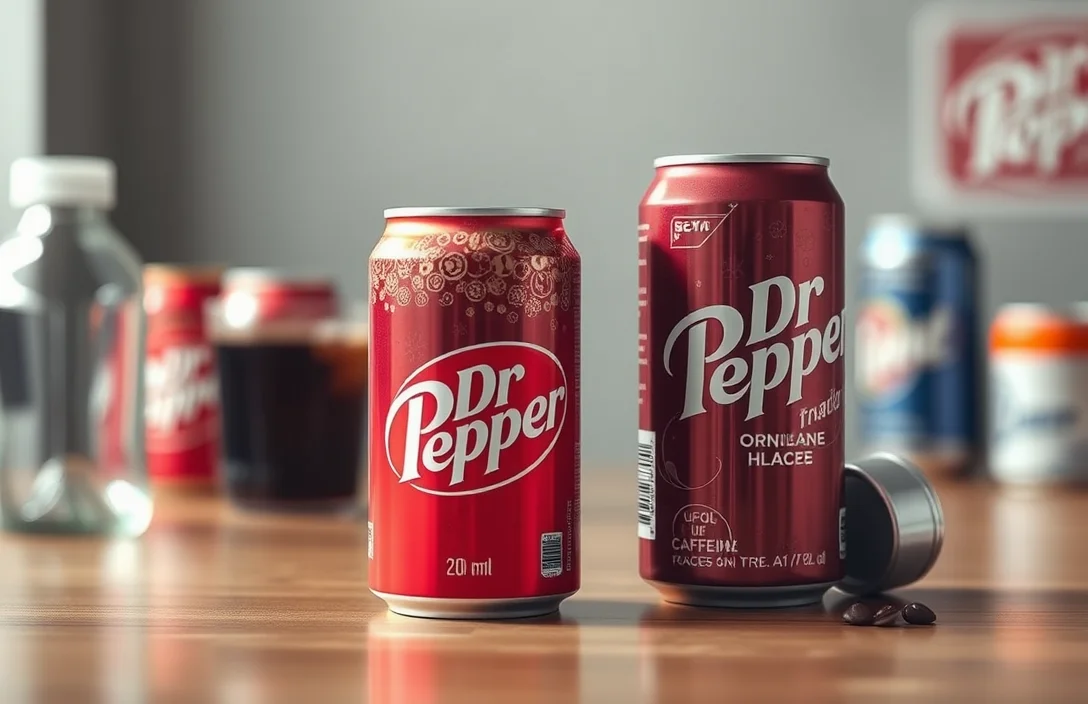
Dr Pepper’s 20 oz can packs approximately 41 milligrams of caffeine, making it a popular choice for those seeking a flavorful energy boost. This amount is comparable to a cup of tea but less than a cup of coffee, attracting diverse soda enthusiasts.
Caffeine content in Dr Pepper 20 oz is 41 mg. For reference, a typical cola contains around 30 mg. This makes Dr Pepper a moderate option for caffeine seekers.
Caffeine Content in 20 oz Dr Pepper
20-ounce bottle contains 41 mg of caffeine, the amount the maker specifies for that single-serving bottle. Official sources list ‘caffeine in dr pepper 20 oz’ at 41 mg per bottle. Inspect the nutrition label on each purchase because packaging, regional recipes, and fountain dispensers can vary; if sensitive to stimulants, choose caffeine-free or consume less than a full bottle.
Comparative Analysis of Caffeine Levels
Dr Pepper 20 oz contains about 69 mg of caffeine, placing it squarely in the mid-range among mainstream sodas. Cola varieties typically fall between about 56–65 mg per 20 oz, while citrus colas like Mountain Dew approach 90 mg; energy drinks and large specialty sodas exceed these levels by a wide margin.
Compare per-20oz caffeine: caffeine in dr pepper 20 oz measures roughly 69 mg, versus Coca-Cola (~57 mg), Pepsi (~63 mg) and Mountain Dew (~90 mg); energy drinks commonly deliver 150–200+ mg per 20 oz equivalent, so select beverages based on the stimulant level you want.
| Beverage | Caffeine per 20 oz (approx) |
| Dr Pepper | 69 mg |
| Coca-Cola Classic | 57 mg |
| Pepsi | 63 mg |
| Mountain Dew | 90 mg |
| Energy drinks (typical) | 150–200+ mg |
Health Impacts of Caffeine Consumption
Limit intake to one 20-ounce bottle when possible; a single serving contains about 69 mg of caffeine, so factor it into your daily cap of 200–400 mg and avoid additional caffeinated beverages within four hours of bedtime to reduce sleep disruption. Monitor symptoms like jitteriness, rapid heartbeat, or difficulty falling asleep and cut back if they appear.
Pregnant people should limit caffeine; keep total intake below 200 mg daily and treat a 20-ounce bottle as about 69 mg (caffeine in dr pepper 20 oz). Individuals with heart arrhythmias, high blood pressure, or anxiety should consult their clinician before regular consumption and consider caffeine-free alternatives if symptoms worsen.
Ingredients List of Dr Pepper
Caffeine content primarily derives from the combination of ingredients in Dr Pepper, particularly its unique blend of flavors. This soft drink contains both carbonated water and high fructose corn syrup, which serve as the primary base. These components provide a sweet and refreshing taste profile that pairs well with the caffeine.
Citric acid contributes to the overall flavor balance, enhancing the beverage’s tanginess. Additionally, phosphoric acid plays a role in acidity, affecting the drink’s overall taste. This combination creates a complex flavor that masks the caffeine effect while still providing a buzz.
Natural and artificial flavors represent a significant part of Dr Pepper’s allure. This proprietary mixture includes a variety of spices and fruit extracts that contribute to its distinctive identity. While specific ingredients remain a secret, they play a crucial role in the drink’s appeal and caffeine delivery.
Preservatives like sodium benzoate ensure product longevity, preventing spoilage over time. This is essential for maintaining the flavor profile and caffeine potency in each 20 oz serving. Understanding how each ingredient works together helps clarify how caffeine influences the overall drinking experience.
Caffeine Sensitivity and Individual Reactions
Reactions to caffeine vary significantly among individuals. Some people may experience heightened alertness and energy with just a small amount, while others might feel jittery or anxious even after consuming moderate doses. Understanding these differences is essential for managing caffeine intake effectively.
- Personal tolerance plays a crucial role. Genetic factors influence how quickly your body metabolizes caffeine, which can lead to varying effects. Some metabolize it rapidly, while others do so slowly, impacting their overall experience.
- Age affects caffeine sensitivity. Younger individuals often tolerate caffeine better than older adults, who may find they feel the effects more strongly. Adjusting your intake based on age can be beneficial.
- Health conditions influence reactions. Certain medical issues, such as anxiety disorders or heart conditions, can amplify caffeine’s effects. Consulting with a healthcare provider about your specific health situation could provide valuable insights.
- Medication interactions can alter sensitivity. Some medications may heighten or diminish caffeine’s impact, leading to unexpected reactions. Always check with a pharmacist or doctor if you are on medication.
- Dietary habits also matter. Regular caffeine consumers may develop a tolerance, while occasional drinkers may experience stronger effects. Keeping a consistent routine can help stabilize your reactions.
Serving Size Influence on Caffeine Intake
Serving size significantly impacts caffeine consumption. In a 20 oz Dr Pepper, the caffeine content is typically around 41 mg. Understanding how much you consume in relation to serving size is crucial for managing your caffeine intake effectively.
- Consider the volume consumed. The larger the serving, the more caffeine you ingest. A 20 oz bottle contains more caffeine than a smaller can.
- Review daily intake recommendations. Health organizations suggest limiting caffeine to 400 mg for most adults. Knowing how your 20 oz serving fits into this guideline helps you stay within safe limits.
- Account for frequency of consumption. Drinking multiple servings throughout the day increases total caffeine intake. Spacing out consumption can help mitigate potential side effects.
- Monitor personal sensitivity levels. Individual tolerance varies widely. If you experience jitters or sleep disturbances, reassess your serving size to find what works for you.
- Adjust based on activity levels. Higher caffeine might be beneficial for physical performance, but excessive amounts can lead to negative effects. Balance is key.
Alternatives to Dr Pepper for Caffeine
Caffeine options vary significantly, and many beverages can provide a similar boost. Popular alternatives include energy drinks, iced teas, and various sodas that pack a caffeine punch. For instance, a can of cola typically contains caffeine levels comparable to Dr Pepper, making it a suitable substitute for those seeking a fizzy option.
Energy drinks often contain high caffeine levels, with some brands offering over 200 mg per serving. Brands like Red Bull or Monster can provide a quick energy boost for those needing that extra kick. Always check labels, as caffeine content can differ widely among products.
Iced teas, particularly black teas, are excellent choices for caffeine seekers. A typical 16 oz serving can contain between 40-70 mg of caffeine. Variants like green tea or chai also offer unique flavors along with their caffeine benefits, making them enjoyable and effective alternatives.
Coffee remains a classic go-to for caffeine. A standard 8 oz cup can contain anywhere from 80 to over 100 mg, depending on the brew strength. Those looking for a strong caffeine fix may find espresso a perfect fit, as it delivers a concentrated dose in smaller volumes.
Herbal teas generally lack caffeine, but certain blends infuse yerba mate or guarana, providing a natural caffeine source. These alternatives often come with added health benefits, making them appealing for those who prefer a more holistic approach.
Debunking Caffeine Myths and Facts
Many people mistakenly believe that caffeine in Dr Pepper is exceptionally high compared to other soft drinks. In reality, a 20 oz serving contains around 41 mg of caffeine, which is moderate compared to coffee and energy drinks. This amount is similar to other cola beverages, making it a reasonable choice for those seeking a caffeine boost without excessive intake.
Another common myth suggests that consuming caffeine leads directly to dehydration. Research indicates that moderate caffeine consumption does not significantly contribute to dehydration. Instead, beverages like Dr Pepper can contribute to daily fluid intake, as the water content helps maintain hydration levels. Balance is key; moderation ensures that caffeine acts as a mild stimulant without adverse effects.
Some individuals assert that caffeine consumption leads to increased anxiety and jitters. While caffeine can amplify anxiety symptoms in sensitive individuals, most people can enjoy it without experiencing negative side effects. Recognizing personal tolerance levels is essential. Staying within recommended limits allows for the enjoyment of drinks like Dr Pepper without undue stress.
Finally, misconceptions abound regarding caffeine’s impact on sleep. While excessive consumption before bedtime can disrupt sleep patterns, moderate intake earlier in the day typically does not pose a significant risk. Timing your caffeine consumption can help ensure a good night’s rest while still enjoying beverages like Dr Pepper.
Quick Summary
- Dr Pepper 20 oz contains approximately 41 mg of caffeine.
- This caffeine content is lower than that of many other soft drinks, such as cola beverages.
- The drink is a popular choice for those looking for a unique flavor with moderate caffeine.
- Dr Pepper’s caffeine may provide a mild energy boost without excessive jitters.
- The beverage is sugar-sweetened, contributing to its flavor and energy content.
- Moderation is key, as excessive caffeine consumption can lead to negative health effects.
- Dr Pepper is caffeine-containing, which may be a consideration for those sensitive to stimulants.
Frequently Asked Questions
How much caffeine is in a 20 oz Dr Pepper?
A 20 oz bottle of Dr Pepper contains approximately 54 mg of caffeine. This amount is lower than some other sodas and energy drinks, making it a moderate choice for those looking to manage their caffeine intake.
How does the caffeine content of Dr Pepper compare to other sodas?
Dr Pepper has less caffeine than cola beverages like Coca-Cola or Pepsi, which typically contain around 70 mg of caffeine in a 20 oz serving. However, it has more caffeine than caffeine-free sodas or some fruit-flavored soft drinks.
Is the caffeine in Dr Pepper natural or synthetic?
The caffeine in Dr Pepper is derived from natural sources, such as coffee beans or tea leaves, which are commonly used in many soft drinks. However, the exact source of caffeine in Dr Pepper is proprietary and not publicly disclosed.
Can I drink Dr Pepper if I’m sensitive to caffeine?
If you are sensitive to caffeine, it’s best to consume Dr Pepper in moderation due to its caffeine content. Individuals who are highly sensitive may experience jitteriness or increased heart rate, so monitoring your intake is advisable.
Does Dr Pepper contain caffeine-free options?
Yes, Dr Pepper offers a caffeine-free version that allows consumers to enjoy the same flavor without the caffeine. This option is ideal for those looking to reduce their caffeine consumption while still enjoying the taste of Dr Pepper.

- Are Pod Coffee Machines Healthy? The Unfiltered Truth About Your Daily Cup - September 27, 2026
- Does Gatorade Have Caffeine? Here’s What’s in Each Type - September 26, 2026
- Does Powerade Have Caffeine, or Is That a Myth? - September 26, 2026