
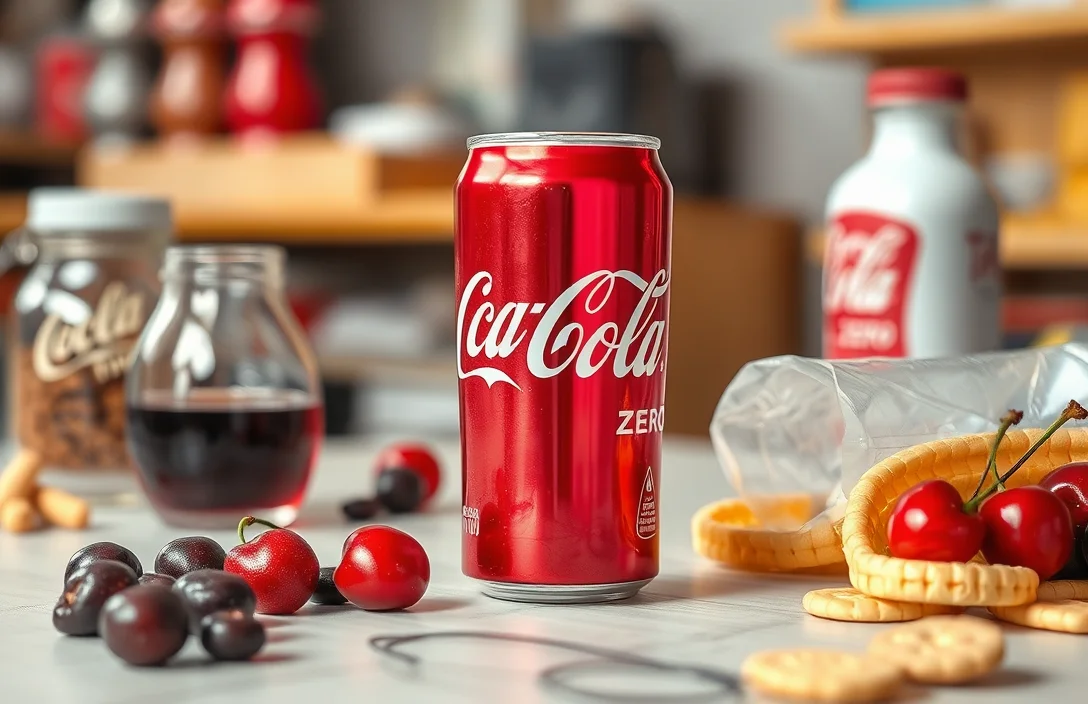
Caffeine In Cherry Coke Zero is a topic that matters to anyone looking for practical, reliable information. This article breaks down the key points you need to know, with specific details and actionable advice.
Below you’ll find expert-backed insights, step-by-step guidance, and answers to the most common questions about caffeine in cherry coke zero.
Caffeine Levels Comparison
Caffeine content in beverages varies significantly. For Cherry Coke Zero, it contains approximately 69 mg of caffeine per 12-ounce can. This level is lower than many energy drinks but comparable to several other sodas. Understanding these numbers helps consumers make informed decisions regarding their caffeine intake.
Sodas like Diet Coke and regular Coke typically have higher caffeine levels. Diet Coke has about 46 mg per 12 ounces, while regular Coke contains around 34 mg. Comparing these figures illustrates how Cherry Coke Zero fits within the broader landscape of caffeinated soft drinks.
Consumers often seek alternatives to traditional caffeinated beverages. Cherry Coke Zero serves as a low-calorie option that still provides a caffeine boost. It’s essential to monitor overall daily caffeine consumption to avoid potential side effects associated with excessive intake.
Being aware of caffeine levels aids in making healthier choices. Cherry Coke Zero delivers a moderate amount of caffeine, appealing to those who enjoy soda without the added sugar. Balancing caffeine intake with hydration from water and other low-caffeine beverages supports overall wellness.
Health Effects of Caffeine
Caffeine consumption can significantly affect your health. Common effects include increased alertness and improved concentration. Many people rely on caffeinated beverages like Cherry Coke Zero for a quick energy boost, especially during the day. However, moderation is essential to avoid negative side effects such as jitteriness or insomnia.
Excessive intake may lead to increased heart rate and anxiety. Monitoring your total daily caffeine consumption is crucial, particularly if you consume multiple sources of caffeine. Different individuals have varying tolerances, so knowing your limits is vital for maintaining overall well-being.
Withdrawal symptoms can occur if you suddenly stop caffeine intake. Headaches and fatigue are common complaints among regular users. Gradually reducing consumption can help mitigate these withdrawal effects, allowing your body to adjust more comfortably.
Long-term effects vary among individuals. Some studies suggest that moderate caffeine consumption may lower the risk of certain diseases, while others point to potential health risks. Staying informed about both sides of the caffeine debate can help you make educated choices about your beverage selections.
Cherry Coke Zero Ingredients
Caffeine levels in Cherry Coke Zero are influenced by various factors, including the source and production method. Typically, a 12-ounce can contains around 34 mg of caffeine. This amount is lower than regular cola, which generally has higher caffeine content, making it a popular choice for those seeking a milder stimulant effect.
Brand formulations can vary slightly, depending on regional differences and specific product lines. Always check the label for the most accurate caffeine information. Understanding these variations helps consumers make informed choices about their beverage consumption.
Many consumers appreciate the combination of cola flavor and caffeine, making it a popular alternative to other caffeinated drinks. If you’re sensitive to caffeine, monitoring your intake is essential, as even small amounts can accumulate throughout the day. Balancing your consumption with other beverages can help manage your overall caffeine levels.
Caffeine Tolerance and Sensitivity
Caffeine sensitivity varies among individuals. Some people metabolize caffeine quickly, feeling less of its effects, while others may react strongly even to small amounts. Understanding your personal tolerance level helps in managing your consumption effectively, especially when enjoying beverages like Cherry Coke Zero.
Habitual consumers often build a tolerance over time. Regular intake of caffeinated products can lead to diminished effects, meaning you may need more caffeine to achieve the same alertness. Monitoring your consumption is key to maintaining the desired energy level without increasing intake unnecessarily.
Symptoms of high sensitivity include jitteriness, anxiety, or rapid heartbeat. If you notice these reactions after consuming Cherry Coke Zero, consider reducing your intake. Keeping track of how your body responds to this beverage can help you find a comfortable balance.
Experimenting with lower-caffeine alternatives can also be beneficial. Switching to decaffeinated options or caffeine-free beverages can maintain your enjoyment without the heightened effects. Pay attention to how different drinks affect your body, making adjustments as needed for optimal comfort.
Alternatives to Caffeinated Drinks
Herbal teas serve as excellent substitutes for those seeking to reduce caffeine intake. Options like chamomile and peppermint offer soothing flavors without any caffeine. Many herbal blends even provide health benefits, such as improved digestion and relaxation, making them a great choice for evening consumption.
Fruit-infused water provides a flavorful, refreshing alternative. Combining slices of citrus, berries, or cucumber with water can create a delicious drink without added sugars or caffeine. This option not only hydrates but also offers vitamins and minerals from the fruits used.
Sparkling water can mimic the fizzy sensation of soda without caffeine. Flavored versions are available, providing a variety of tastes while keeping it calorie-friendly. Brands often add natural flavors without any sugar, making it a healthy option for soda lovers.
Vegetable juices represent another nutritious alternative. Juicing vegetables like carrots, beets, or celery can yield refreshing drinks packed with vitamins. These juices can be enjoyed on their own or blended with fruits for added sweetness and flavor.
Coconut water is another hydrating option rich in electrolytes. Naturally sweet and refreshing, it can serve as an energy booster without caffeine. This drink is perfect for post-workout hydration or a mid-afternoon pick-me-up.
Caffeine Addiction and Withdrawal
Recognizing caffeine addiction symptoms is essential for those consuming drinks like Cherry Coke Zero. Common signs include headaches, fatigue, irritability, and difficulty concentrating. Awareness of these symptoms allows individuals to assess their caffeine intake and its impact on their daily life.
Identifying withdrawal effects can help mitigate discomfort. Symptoms typically appear 12 to 24 hours after last caffeine consumption and may last up to a week. Gradual reduction in intake rather than abrupt cessation is advisable to lessen these withdrawal experiences.
Monitoring daily caffeine consumption is crucial. Keeping a log of all sources, including sodas and other beverages, helps in understanding total intake. This practice supports a more informed decision-making process regarding caffeine consumption levels.
Implementing gradual changes to reduce caffeine is effective. Consider substituting caffeinated beverages with decaffeinated options or herbal teas. This gradual transition minimizes withdrawal symptoms while still satisfying the urge for a flavorful drink.
Seeking professional guidance can provide additional support. Nutritionists or healthcare providers can offer personalized strategies to manage caffeine intake. Their expertise can assist in creating a balanced approach to beverage choices without sacrificing enjoyment.
Sugar-Free vs Regular Soda
Caffeine content significantly differs between regular sodas and their sugar-free counterparts. Cherry Coke Zero contains approximately 34 mg of caffeine per 12 oz serving, which is comparable to many regular sodas. Being aware of this amount can help you manage your daily caffeine intake effectively.
Monitoring your overall caffeine consumption is essential for maintaining good health. If you consume other sources of caffeine, such as coffee or energy drinks, consider how Cherry Coke Zero fits into your daily total. Balancing these sources will help you avoid excessive intake and potential negative side effects.
Understanding personal tolerance levels is critical. Individuals vary in their sensitivity to caffeine, so assessing how Cherry Coke Zero affects you specifically is crucial. Some may experience jitters or sleep disturbances, while others may tolerate it well. Pay attention to your body’s reactions to find a suitable balance.
Experimenting with alternatives may also be beneficial. If you find that caffeine from Cherry Coke Zero disrupts your routine, explore caffeine-free options like flavored sparkling water or herbal teas. These can provide enjoyable beverages without the stimulating effects of caffeine, allowing for variety in your diet.
Ultimately, making informed choices about beverage selection can lead to better health outcomes. By understanding the caffeine levels in Cherry Coke Zero and how they impact your lifestyle, you can enjoy your favorite drinks while managing your health effectively.
Quick Summary
- Caffeine content in Cherry Coke Zero is approximately 46 mg per 12 fl oz serving.
- Cherry Coke Zero is marketed as a zero-calorie soft drink option.
- The caffeine level is similar to that found in regular Coca-Cola.
- Caffeine can enhance alertness and reduce fatigue temporarily.
- Cherry Coke Zero is caffeine-free in its decaffeinated version.
- Consider moderation, as excessive caffeine intake can lead to side effects.
- Cherry flavor combined with caffeine appeals to consumers seeking a refreshing beverage.
Frequently Asked Questions
1. How much caffeine is in Cherry Coke Zero?
Cherry Coke Zero contains approximately 34 mg of caffeine per 12 fl oz (355 ml) serving. This amount is similar to that found in regular Cherry Coke, making it a suitable option for those looking for a low-calorie beverage with a caffeine kick.
2. How does the caffeine content in Cherry Coke Zero compare to regular Coke?
The caffeine content in Cherry Coke Zero is roughly the same as that in regular Cherry Coke, which also has about 34 mg of caffeine per 12 fl oz. If you are choosing between the two for caffeine intake, there is no significant difference.
3. Is Cherry Coke Zero a good source of caffeine for energy?
While Cherry Coke Zero contains caffeine, it is not typically recommended as a primary source of energy. The caffeine content is moderate, and it may provide a temporary boost, but the sugar-free formula means it lacks the calories that can also contribute to energy levels.
4. Can I drink Cherry Coke Zero if I’m sensitive to caffeine?
If you are sensitive to caffeine, it is best to limit your consumption of Cherry Coke Zero. Although the caffeine content is relatively low compared to coffee or energy drinks, individual tolerance can vary, so monitor your intake accordingly.
5. Does Cherry Coke Zero have any health benefits related to caffeine?
Cherry Coke Zero does not provide significant health benefits associated with caffeine. While caffeine can improve alertness and concentration, the beverage is primarily enjoyed for its taste and low-calorie content rather than for health reasons.

- Are Pod Coffee Machines Healthy? The Unfiltered Truth About Your Daily Cup - September 27, 2026
- Does Gatorade Have Caffeine? Here’s What’s in Each Type - September 26, 2026
- Does Powerade Have Caffeine, or Is That a Myth? - September 26, 2026