
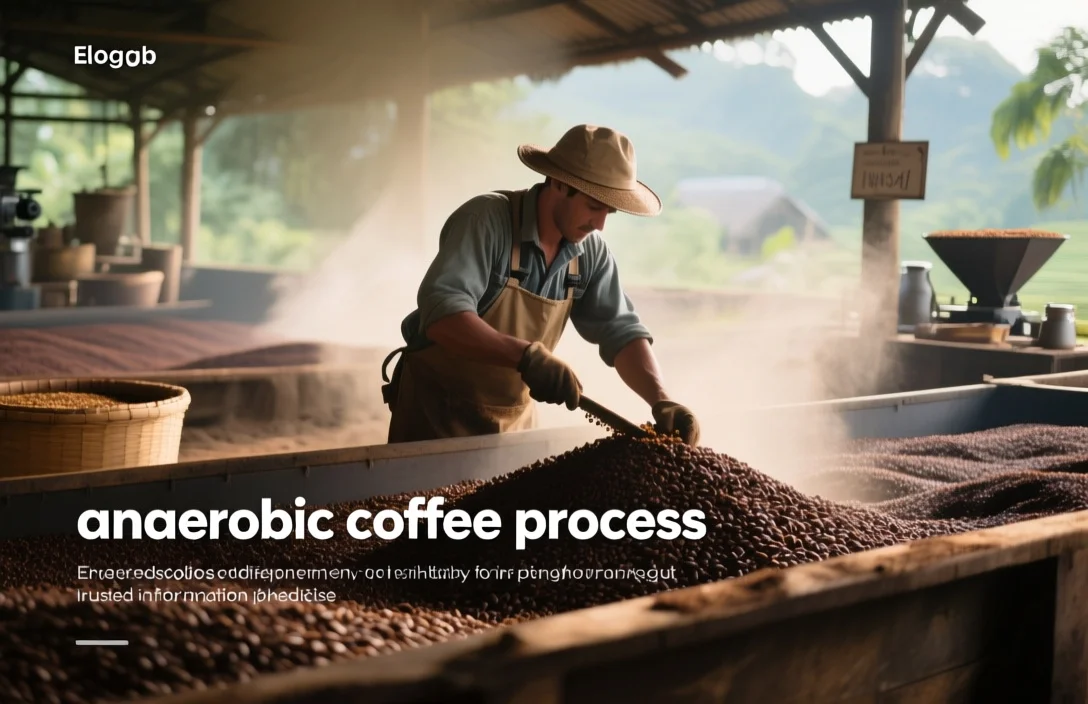
Anaerobic coffee processing is a sealed fermentation method. Fresh coffee cherries, or sometimes depulped coffee with mucilage still attached, go into a low-oxygen vessel so the fermentation develops without free air. The point is straightforward: producers are steering microbes and the gases they produce in order to shape flavor in ways that washed or natural processing usually does not.
The result is often fruity, lactic, or wine-like, but that is not guaranteed. Much depends on the farm, the variety, the ripeness of the fruit, and how tightly the process is controlled.
How the anaerobic coffee process works
The basic idea is simple. Remove oxygen, seal the coffee, and let fermentation happen under those conditions. Once oxygen is limited, different microbes and metabolic pathways take over. Yeasts, lactic-acid bacteria, and other organisms that can work in low-oxygen settings metabolize sugars from the fruit and pulp and produce acids, esters, alcohols, and carbon dioxide.
That shift matters for flavor. In oxygen-limited conditions, producers tend to get more lactic and fruity notes than the sharper acetic or oxidative character that can show up in more open fermentation. Temperature, vessel integrity, and the microbial load on the cherries at the start all shape the outcome. I keep coming back to those three controls because they do the practical work. The label on the tank does not.
Why producers use anaerobic fermentation
Flavor differentiation is the main reason. Many producers are trying to make a cup profile that stands out in the specialty market, or to justify a premium with something that is clearly distinct. The sensory targets are often stone fruit, tropical esters, or a creamy sweetness that buyers can recognize quickly.
There is also a strong experimental side to it. Some producers use anaerobic runs to compare varieties, test different fermentation lengths, or build micro-lots for direct-sale customers. That said, scaling the process is a different matter. A lot that works in a small drum can turn messy when the same method is pushed into larger volumes without enough monitoring or sanitation.
Anaerobic, washed, natural, and honey processing
Anaerobic processing is easiest to understand when you compare it with the more familiar methods.
| Name | Price/Key Spec | Best For |
|---|---|---|
| Anaerobic fermentation | Oxygen-limited vessel, microbial control, CO2 retention | Producers targeting novel, high-value cup profiles |
| Washed (aerobic) | Mechanical depulping, aerobic fermentation/washed mucilage | Clean, consistent acidity and origin clarity |
| Natural (dry) | Whole cherry dried intact, minimal fermentation control | Fruity, heavy-body profiles; lower water use |
| Honey (pulp-on) | Partial mucilage left on parchment during drying | Balance between sweetness and clarity |
If a producer wants clarity and a clean expression of origin, washed processing is usually the better fit. If the goal is dense fruit, heavier body, or a more rustic sweetness, natural processing often makes more sense. Honey sits in the middle. Anaerobic is different because it is less about a broad processing family and more about a controlled fermentation environment. It gives producers another lever, but it also gives them another way to miss the target.
Main variations of anaerobic fermentation
There is no single anaerobic method. Carbonic maceration, closed-tank lactic runs, and more alcoholic-forward anaerobic regimes are all part of the same general family, but they behave differently.
Carbonic maceration borrows from wine production. Vessels are filled with CO2 and the whole fruit ferments at relatively low temperatures, which can emphasize intracellular fermentation and fresher fruit notes. Lactic-dominant anaerobic runs lean toward lactic-acid bacteria, which can create creamy or yogurt-like sweetness. Alcoholic-forward approaches place more weight on yeast activity and may produce winey esters and traces of ethanol.
The batch design matters. Native microbes and added starter cultures do not behave the same way. Temperature changes the balance between lactic and ethanol pathways. Even the decision to ferment whole cherry or depulp first changes the result. For that reason, I would not treat “anaerobic” as one fixed process. It is a set of controlled choices.
Variables that matter most
A producer can only control so much, but the important variables are fairly clear: microbial ecology, temperature, duration, pH, and vessel integrity.
Microbes convert sugars into acids and esters. Temperature speeds those reactions up or slows them down. Duration determines how far the fermentation goes. pH helps show which organisms are still active. Vessel integrity keeps unwanted oxygen out and helps prevent contamination.
There are practical controls behind those variables as well. Sanitation lowers the chance of spoilage. Container material changes how heat moves through the batch and how easy the vessel is to seal and clean. Timing also matters, especially if some mucilage is left on the coffee, since that leaves more fermentable sugar in play.
Here are the variables I would watch first:
- Microbial inoculation strategy, wild microbes or starter cultures
- Temperature management during fermentation
- Fermentation length and sampling schedule
- Oxygen exclusion and CO2 management
- Initial cherry ripeness and cleanliness
How to run an anaerobic batch
For producers, the best way to think about anaerobic fermentation is as a controlled trial, not a guess. A small lot with records is useful. An unmonitored batch is mostly a gamble.
- Select ripe, clean cherries and remove underripe or overripe fruit.
- Depulp the coffee, or leave it whole, depending on the chosen method, then place it in a clean airtight vessel.
- Adjust the headspace and seal the vessel to limit oxygen. If the method calls for it, purge with CO2 for carbonic maceration.
- Monitor temperature and sample at regular intervals for taste and pH.
- Stop the fermentation when the target profile or pH is reached, then wash or dry the parchment right away.
- Dry the beans on raised beds or in mechanical dryers until they reach stable moisture.
- Record the lot data, including variety, harvest date, vessel, duration, and temperature, so the process can be repeated.
Once batches get larger, sanitation procedures and a sampling lab matter more, not less. If a producer is serious about repeatability, that part of the process deserves as much attention as the fermentation itself.
Equipment and safety
Anaerobic setups range from simple food-grade drums to pressure-rated stainless tanks with sampling ports. Small setups can work for micro-lots, but they depend on careful cleaning and a realistic sense of what they can handle. Vessel material affects thermal behavior and cleaning, so it is not a minor detail.
Safety deserves attention too. Anaerobic fermentation can generate carbon dioxide, and pressure management is part of the job. Venting needs to relieve pressure without letting too much oxygen back in. PPE and gas-monitoring protocols reduce risk when staff are opening, maintaining, or cleaning the system. Producers should also check local regulations and safe-handling requirements before installing fermentation infrastructure.
Quality control and tasting
If the lot is going to be useful, it needs checkpoints. Regular cupping samples and basic pH readings are the usual tools. They are not glamorous, but they tell a producer when the batch is moving in the right direction.
I would watch for off-notes such as solvent-like acidity, nail-polish character, or pungent acetic tones. Those can point to uncontrolled bacterial activity or fermentation that has gone too far. A standardized tasting method also helps. Keep the grind and brew conditions consistent, or the samples will tell you more about the brewing than about the processing.
The simplest quality system is also the one people skip too often: keep records, link the tasting notes to the fermentation log, and make the next batch from those notes instead of from memory.
Risks and how they happen
Anaerobic fermentation brings more risk than standard washed processing. That is part of the tradeoff. The most common problems are off-flavors from uncontrolled bacterial growth, overfermentation that strips out desirable aromatics, and mold during drying if the parchment sits wet for too long.
Most of those problems are preventable. Start with clean cherries. Remove damaged fruit. Keep contact surfaces clean. Do not let the batch sit longer than needed. Dry the parchment efficiently after fermentation. If a lot smells wrong or looks unstable, I would not push it forward just because the schedule says so.
How to tell whether an anaerobic lot worked
A good lot is not just one that sounds unusual. It has to taste clean and fit the market it is meant for.
Buyers and roasters usually want clear target aromas, no obvious off-notes, and enough balance that the cup feels deliberate rather than accidental. Fruit esters, balanced acidity, and integrated sweetness or mouthfeel are the kinds of traits producers are usually after.
Numbers help too. pH readings, temperature logs, and drying moisture checks all give the producer something firmer than memory. When a lot misses the mark, those records are where I would start looking. The mistake is usually in one control point, not in the whole idea of anaerobic processing.
Trying it at home, or buying it from a roaster
Home experimentation is possible, but it should stay small and conservative. Food-grade jars or buckets can be used for small trials, as long as sanitation and drainage are handled carefully. I would not suggest pressure-sealed tanks unless the setup is proper and the operator knows how to manage it.
For most consumers, the easier route is to buy annotated anaerobic lots from roasters that publish process notes and lot details. That lets you compare styles without taking on the production risk yourself. It also makes it easier to separate the process from the roast, which is useful when you are trying to understand what the anaerobic step actually contributed.
Mistakes that keep showing up
The same errors come up again and again. Producers scale too quickly. They skip sanitation. They forget that drying capacity is part of the process, not an afterthought.
I would avoid those mistakes by keeping records, running small replicated trials, and making sure drying infrastructure is in place before batch size grows. Staff training matters too, especially around cleaning and sampling. If people handling the batch do not understand the procedure, the process will drift.
FAQ
Is anaerobic coffee the same as natural fermentation?
No. Anaerobic processing excludes oxygen during fermentation. Natural processing dries whole cherries with much less control over microbial activity. The cup profile and the risk profile are different.
How long does anaerobic fermentation take?
There is no single answer. It depends on temperature, microbial activity, and the goal of the batch. Exact times were not available here, and in practice producers usually rely on repeated tasting and pH checks rather than a fixed number.
Can anaerobic fermentation be dangerous?
It can be, if pressure and sanitation are ignored. The process can produce gases that need to be vented safely, and poor hygiene can lead to spoilage. Safe handling and local guidelines matter.
Will anaerobic coffee always taste fruity or winey?
No. Variety, ripeness, microbial activity, and process control all affect the result. Some anaerobic lots are fruity, some are creamy, and some lean more wine-like.
Do roasters need to roast anaerobic lots differently?
Usually, yes, at least to some degree. Roasters often adjust development based on acidity, sugar content, and the flavor they want to emphasize. Trial roasts are the practical way to settle on the curve.
Bottom line
Anaerobic coffee processing is a controlled fermentation method that can produce distinctive cup profiles, but only when the producer treats it as a managed process rather than a novelty. My practical rule is simple: start small, keep detailed logs, monitor pH and temperature, and make sure drying can keep up.
If you are a consumer, the best way to learn the style is to buy clearly described lots from a roaster that names the processing details. If you are a producer, the work starts with sanitation, repeatability, and a plan for drying the coffee well after fermentation.

- Espresso Tastes Watery? 10 Common Causes and How to Fix It - October 23, 2026
- 10 Common Coffee Equipment Cleaning Mistakes and How to Avoid Them - October 23, 2026
- 17 Common Coffee Grinder Problems and How to Fix Them - October 23, 2026