
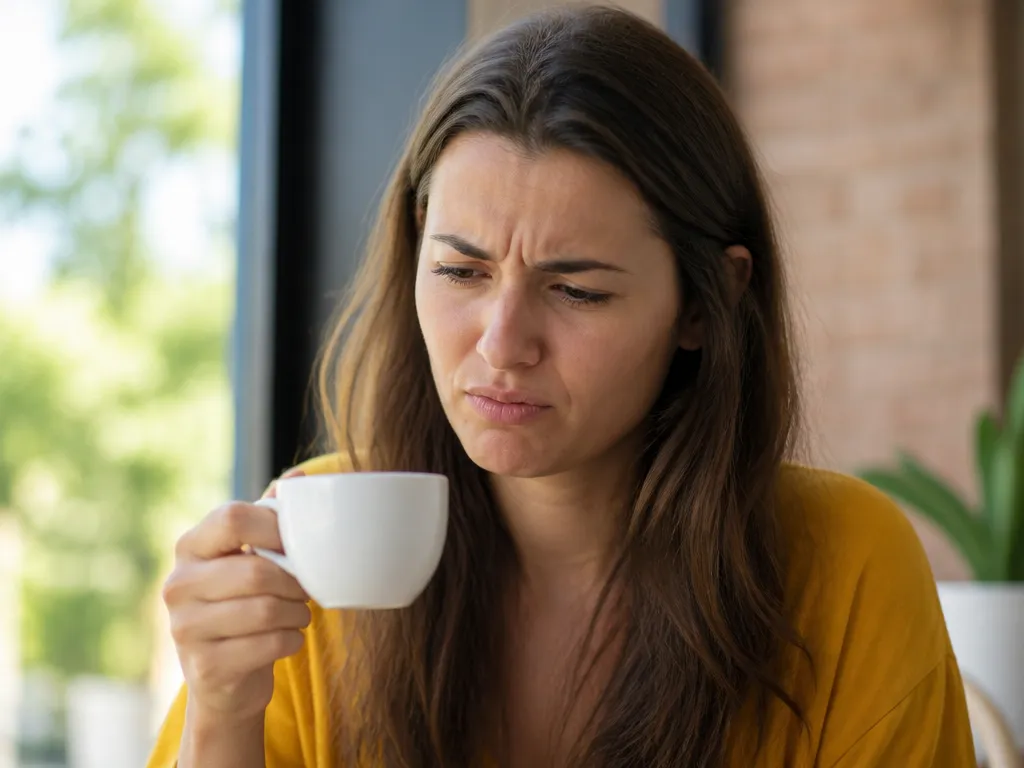
Coffee tastes sour when the brew extracts sharp acids before it extracts enough sugars and roasted compounds to balance them. The usual cause is under-extraction: the water moved through the grounds too quickly, the grind was too coarse, the water was too cool, or the brew ended before enough flavor dissolved.
Start by raising the brew temperature by about 5-10°F, grinding slightly finer, or extending contact time, depending on your method. Keep the water-to-coffee ratio consistent – 1:16 is a useful starting point – and change one variable at a time so you know which adjustment worked.
Key Takeaways
- Agitation affects extraction. A consistent stir or pour can reduce sour patches and improve sweetness.
- Grind size is the quickest lever. Finer grounds usually increase extraction and reduce sourness, within your brew method’s limits.
- Temperature matters. Cooler water extracts less efficiently and can leave the cup sharp.
- Ratio changes perceived balance. A stronger brew can make sourness less obvious, while a weak brew can make it stand out.
- Make small adjustments. Change one variable, brew again, and judge the result before changing anything else.
Why Does Coffee Taste Sour?
Sour coffee usually has a “too early” flavor profile. The water has pulled out sharp, acidic compounds but not enough of the sugars and caramel-like compounds that make the cup taste rounded and sweet.
Grind size, brew time, water temperature, flow rate, and pour pattern all affect how much flavor the water removes. A coffee can also taste bright because of its origin or roast level. Pleasant acidity tastes like citrus or ripe fruit; under-extracted sourness tastes thin, tart, and unbalanced.
How Coffee Extraction Creates Sourness
Extraction is the process of dissolving coffee solids into water. Early in the brew, water tends to pull out compounds that taste sharp and acidic. If the brew ends before enough total flavor dissolves, those early notes dominate the cup.
Finer grounds expose more surface area to the water, while longer contact gives the water more time to dissolve coffee compounds. Hotter water generally speeds extraction as well. When grind, time, or temperature is too low, the brew can finish with a high proportion of acidic flavors and too little sweetness.
A very fast pour-over drawdown can leave the coffee bed under-leached. An espresso brewed with a grind that is too coarse or a shot that ends too soon can taste thin and sour. With immersion methods such as French press, a steep that is too short leaves the coffee under-extracted because the grounds never have enough contact time with the water.
How Roast Level and Freshness Affect Acidity
Roast level affects how much of the coffee’s original chemistry remains. Lighter roasts generally taste more acidic and fruitier. That brightness is not automatically sour, but low extraction can make it taste harsh and lemony.
Freshness changes brewing behavior as well. Newly roasted coffee releases more carbon dioxide, which can interfere with the flow of water. In pour-over, that may contribute to channeling. In espresso, it can produce erratic flow. Both problems create uneven extraction and sour pockets. After a rest period, the coffee often brews more predictably and tastes more integrated.
Very light roasts often need slightly more extraction than medium roasts. With a darker roast, sourness is more likely to come from the brewing process than from the roast itself, since dark roasting leaves less of the bright acid profile.
Which Grind Size Reduces Sour Notes?
Grind size is usually the fastest way to change extraction. In most brewing methods, sourness improves when you extract more, which often means grinding finer until the brew begins to stall or taste bitter.
Use this rule:
- If the coffee tastes sour and thin, grind finer.
- If it tastes bitter, dry, or harsh, grind coarser.
For pour-over, a finer grind usually slows the drawdown and keeps the grounds in contact with hot water longer. For French press, grinding finer increases the amount dissolved during the steep. For espresso, a finer grind increases resistance and generally increases extraction, provided the shot does not run too long or become bitter.
Grind cannot solve every problem. If water is flowing unevenly through the grounds, some areas may be over-extracted while others remain sour. Consistent pouring and good distribution matter especially in pour-over and espresso.
Grind-Size Adjustment Cheat Sheet
| Brew method | If coffee is sour | Small change to try |
|---|---|---|
| Pour-over (V60, Chemex, similar) | Too bright, sharp | Grind finer by 1-2 clicks, keep everything else steady |
| French press | Tart, under-rounded | Grind finer slightly, extend steep 1-2 minutes if needed |
| Espresso (classic machine) | Thin, sharp, underdeveloped | Grind finer and/or lengthen extraction slightly |
| AeroPress | Crisp and sour | Grind finer or add a touch more time (within your process) |
How Brew Temperature and Contact Time Affect Sourness
Brew temperature affects the speed and completeness of extraction. If the water is too cool, it dissolves coffee less efficiently, and the cup can retain sharp, sour flavors because the sweeter, more balanced compounds take longer to extract.
Contact time is the other major factor. Short contact often produces under-extraction. Longer contact usually extracts more completely until the brew begins pulling heavier, bitter, or dry flavors.
The right balance depends on the method:
- Pour-over: Each pour has a short contact period, so flow through the coffee bed matters. If the water drains too quickly, effective contact time is low.
- Espresso: High pressure and short brew times make small grind and dose changes significant.
- French press and other immersion methods: The grounds remain soaked together, so steep duration has a direct effect on extraction.
Think of temperature as the engine and contact time as the fuel line. If either one is restricted, the cup can taste like the early stage of extraction – sharp and sour.
How Water Quality and Ratio Shift Flavor Balance
Water chemistry affects what dissolves from the coffee and how those dissolved compounds taste. Very soft water, with few minerals, may produce a thin or harsh cup because extraction is less supported. Very hard water can produce a different imbalance and sometimes make the coffee taste sharp or otherwise off.
The coffee-to-water ratio is easier to control. Too much water can make sour flavors stand out because the brew contains less dissolved coffee material, sweetness, and body. Using less water creates a stronger brew that often tastes more rounded, even when the extraction still needs adjustment.
Use ratio as a balancing tool:
- Increase strength slightly if the cup is sour and thin.
- Keep the strength consistent while adjusting grind and time, so you can identify the cause of the change.
Measure the same grams of coffee and water each time. Changing the ratio, grind, temperature, and time together turns troubleshooting into guesswork.
How to Troubleshoot Sour Coffee Step by
First decide whether the coffee is pleasantly bright or unpleasantly sour. If it tastes sharply tart and thin, check the likely causes in this order.
- Confirm your ratio. Measure coffee and water by weight, then repeat your normal recipe. If you have been eyeballing the amounts, correct that first.
- Check the grind setting. Grind finer by a small amount and brew again. Avoid a large jump that could push the coffee into bitterness.
- Adjust brew time or contact time. For pour-over, slow the flow through grind and technique. For immersion, extend the steep in 30-60 second increments.
- Use properly hot water. Make sure the brewer reaches its operating temperature and that the kettle is not cooling too much before the water reaches the grounds.
- Make your technique consistent. Pour evenly and avoid channeling in pour-over. For espresso, keep the dose and distribution consistent.
- Account for freshness. If the coffee was roasted very recently, give it a few days to rest. If the last brew flowed unevenly, watch for channeling and inconsistent extraction.
- Adjust water quality last. If the other variables are controlled and sourness remains, try different water or bottled water known for brewing, then test again.
If a pour-over tastes sour and the drawdown is extremely fast, grind finer and make the pour pattern more consistent. If a French press tastes sour, drawdown is not the issue; extend the steep before changing several other variables.
What a Balanced Fix Should Taste Like
A successful adjustment removes the tart edge and adds sweetness, body, and roundness. A light roast may still taste bright, but the acidity should resemble clean citrus or fruit rather than an aggressive sour punch. If the coffee turns bitter, dry, or harsh, you went too far – reverse the last adjustment slightly.
FAQ
Why Does My Coffee Taste Sour Even When I’m Using the Same Beans?
Identical beans can produce sour coffee when extraction changes from one brew to the next. Common causes include grind drift, water that is not hot enough, and technique changes that alter flow or contact time. Measure the dose and water by weight to keep the recipe consistent.
How Can I Make Coffee Less Sour Without Changing My Grinder?
Increase extraction time slightly, such as adding 30-60 seconds to an immersion brew, and make sure the brewing water stays at full operating temperature. You can also make the coffee stronger by using a lower water-to-coffee ratio. Keep that ratio consistent so you can tell whether the change actually reduced sourness.
What Temperature Range Fixes Sour Coffee?
Water that is too cool often under-extracts coffee and leaves sharp acidity behind. Use water hot enough to keep your brewer stable from start to finish, then adjust in small increments if needed. The best temperature depends on the brewing method and equipment, so measure consistently and change one variable at a time.
Is Sour Coffee Dangerous or a Sign That the Beans Are Spoiled?
Sour coffee is usually a flavor problem, not a safety issue. Under-extraction, uneven flow, and short contact time are the usual causes. Spoilage is more likely to produce stale or off odors, mold, or obvious storage problems – signs you can often detect before brewing.
What Is the Most Common Mistake That Causes Sour Coffee?
The most common mistakes are using a grind that is too coarse or ending the brew too soon. A faster brew is not automatically a better brew; it can leave the coffee tasting like the acidic early stage of extraction.

- Unlocking the Venti: Discover the Perfect Shot Count for Your Drink - October 13, 2026
- Unpacking the Buzz: Caffeine Levels in Café Bustelo Espresso - October 13, 2026
- How to Fix Bitter Coffee: 10 Expert Ways to Improve the Taste - October 4, 2026