
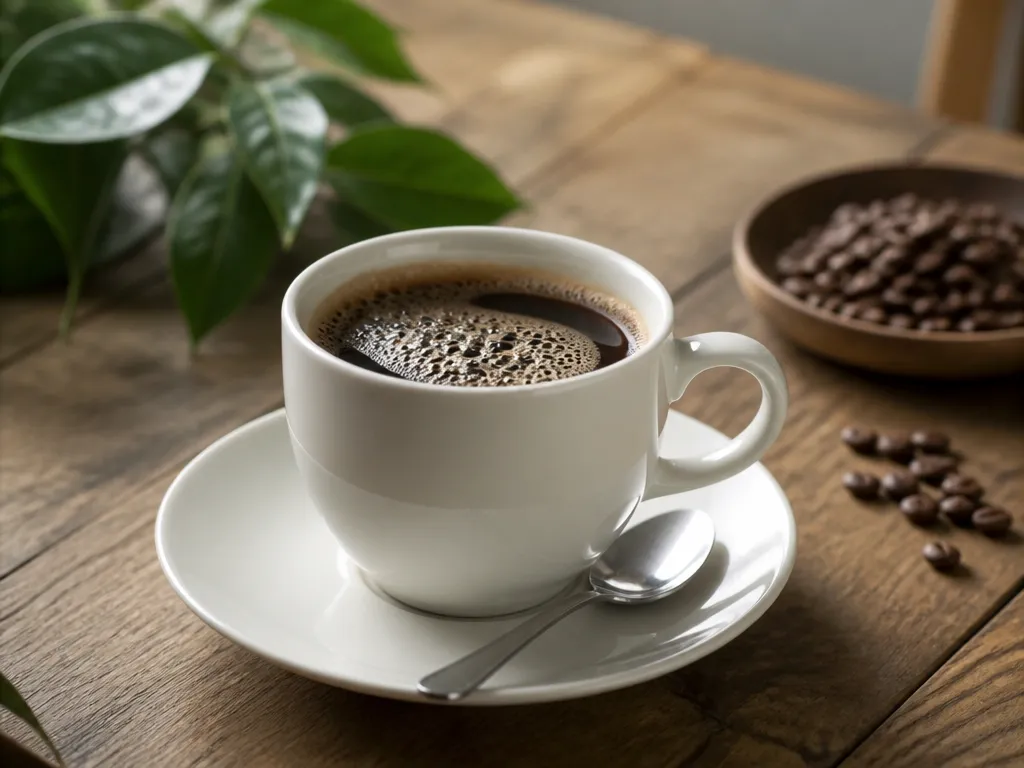
Decaf coffee is regular coffee with most of its caffeine removed. It lets you keep the taste and ritual of coffee while lowering the caffeine that can worsen anxiety, disrupt sleep, or trigger stomach issues. Decaf typically contains 2 to 15 mg of caffeine per 8-ounce cup, although the exact amount varies by brand and brewing method. If you need to avoid caffeine completely, check the product’s caffeine per serving because decaf is not caffeine-free.
Manufacturers decaffeinate green coffee beans before roasting, using water, carbon dioxide, or solvents to extract caffeine while preserving as much flavor as possible.
Key Takeaways
- Decaf is low-caffeine. Manufacturers remove most caffeine from green coffee beans before roasting.
- Decaf can still taste like coffee. The processes target caffeine while preserving many compounds responsible for aroma, acidity, sweetness, and bitterness.
- Caffeine levels vary. Decaf typically contains about 2 to 15 mg per 8-ounce cup.
- Methods differ. Swiss Water, CO2, and solvent processes remove caffeine through different extraction systems.
- Sleep may improve. Replacing afternoon or evening regular coffee with decaf can reduce caffeine-related sleep disruption.
- Read the label. If you are highly caffeine-sensitive, choose a product that lists the caffeine amount in milligrams per serving.
What Is Decaf Coffee? Definition and Flavor?
Decaf coffee comes from green coffee beans that have had most of their caffeine removed before roasting and brewing.
Decaffeination removes caffeine, but it also aims to preserve soluble compounds that create coffee’s aroma, acidity, sweetness, and bitterness. A well-made decaf can taste close to regular coffee, although you may notice differences in brightness and body depending on the roast level and decaffeination method.
Your body reacts to caffeine, not to the word “coffee.” Decaf still contains chlorogenic acids and other non-caffeine compounds found in coffee, so it can retain some of coffee’s general effects. Caffeine, however, is usually the main driver of jitters, sleep disruption, and caffeine-related palpitations.
If you are pregnant, have anxiety, experience heart palpitations from caffeine, or struggle to fall asleep, decaf can be a practical compromise. You keep the flavor and comfort of coffee while lowering the dose that may trigger symptoms.
How Is Decaf Coffee Made? Swiss Water and Solvent Methods
Decaffeination starts with green coffee beans, before roasting. Manufacturers soak and process the beans to extract caffeine, then dry and roast them like other coffee beans.
The two main categories are solvent methods and water-based methods such as Swiss Water. Solvent methods use a chemical compound that selectively separates caffeine while leaving much of the flavor behind. Swiss Water uses water and filtration instead of chemical solvents, which is why it is often described as “chemical-free,” although it is still a carefully controlled industrial extraction process.
After decaffeination, the beans are dried and roasted. The final flavor depends on several factors, including roast date, roast level – light, medium, or dark – bean origin, and brewing method. Whether the coffee is decaf is only one part of the flavor equation.
The biggest difference between decaf coffees is often consistency. Some beans taste fruity or floral, while others taste more muted or slightly flatter, especially when compared with fresh regular coffee from the same roaster.
How Much Caffeine Is in Decaf Coffee?
Decaf coffee typically contains about 2 to 15 mg of caffeine per 8-ounce cup. That makes it useful for people who want to continue drinking coffee while reducing caffeine’s effects.
Your actual intake depends on cup size and brew strength. A large mug brewed longer or with more coffee grounds can contain more caffeine than the standard serving suggests. Grind size and roast level can also change how much caffeine ends up in the cup.
If even small amounts of caffeine cause symptoms, look for very-low-caffeine decaf or choose a non-coffee alternative. Decaf can still contain enough caffeine to affect highly sensitive people, especially when consumed late in the day.
What Is the Difference?
The main difference between decaf and regular coffee is caffeine content. Regular coffee contains much more caffeine, while decaf has had most of its caffeine removed. That difference accounts for much of how the two drinks feel in your body.
The flavor difference is usually manageable, but it can be noticeable. Some decaf coffees have less brightness, a more muted aroma, or a heavier body than their regular counterparts. If you usually drink bright, high-acid coffee, a decaf may taste rounder or flatter at first.
Decaf is still coffee nutritionally. It contains many of coffee’s non-caffeine compounds, while additions such as milk and sugar have a larger effect on calories and blood sugar than the caffeine-removal process does.
For most people, the decision comes down to timing and sensitivity rather than health concerns. If caffeine triggers symptoms, switching to decaf is often easier than quitting coffee or drinking regular coffee earlier than you want to.
Swiss Water Process vs. CO2 Method vs. Solvent Method
Swiss Water, CO2, and solvent methods all remove caffeine, but they use different extraction systems. Your choice depends on whether you care most about avoiding solvent processing, preserving a particular flavor profile, or finding a product with a specific caffeine level.
CO2-based decaf uses pressurized carbon dioxide to bind with caffeine molecules and draw them out of the beans. One description of the method notes high-pressure liquid CO2 up to 1,000 lbs per square inch, followed by filtration that separates the caffeine from the gas. The controlled binding and separation process is one reason CO2 decaf is often associated with a clean-tasting cup.
Solvent methods use chemical solvents that selectively target caffeine. Manufacturers design the process to remove most of the solvent before packaging, and the process is regulated. If you prefer to avoid solvent-related processing, choose a Swiss Water or CO2 decaf instead.
Swiss Water uses water-based extraction and filtration. The process typically involves soaking the beans, drawing caffeine into the water, passing the caffeine-loaded water through a filter, and returning the caffeine-leaning water to continue extracting caffeine from the next batch. This gives consumers a non-solvent option with a workable flavor profile.
How Decaf Can Help With Sleep and Caffeine Sensitivity
Decaf can support better sleep by sharply reducing the caffeine dose that delays sleep for many people.
For people who feel jittery, unsettled, or overly wired after regular coffee, decaf offers a middle step. You can keep the warm cup, familiar flavor, and daily routine while lowering your caffeine intake.
Keeping the ritual intact can also make it easier to change your habits. You do not have to give up coffee all at once, which may make it easier to avoid late-day caffeine and reduce nights disrupted by an afternoon or evening cup.
Decaf is not a guarantee for highly sensitive people. It can contain up to around 15 mg per 8-ounce cup, and that may be enough to cause symptoms depending on your tolerance and the time of day.
Decaf Roasts, Single Origins, and Low-Caffeine Blends
Decaf is available in every roast style, and roast level can affect the flavor as much as the decaffeination method. Dark roasts tend to taste smoky or chocolaty. Light roasts retain more acidity and aromatic complexity, although some decaf processes can make them taste slightly less bright than comparable regular coffees.
Single-origin decaf is also available. These coffees identify a country, region, or farm grouping and are roasted to emphasize the characteristics of that origin. Origin can create major flavor differences because it shapes the beans’ underlying flavor compounds before decaffeination begins.
Low-caffeine blends offer a middle ground between regular coffee and fully decaf coffee. Some brands label these products “low-caff” rather than “fully decaf.” They can work well if you want fewer milligrams of caffeine without making a complete switch to decaf. A product with a published caffeine amount per serving makes it easier to manage your daily intake.
Choose according to your routine. For a coffee after dinner, use decaf. If you are gradually reducing caffeine without giving up regular coffee, try a low-caffeine blend and follow its stated milligram amount per serving.
FAQ
What is decaf coffee, and does it taste different from regular?
Decaf coffee is made by removing most of the caffeine from green coffee beans before roasting. It usually tastes similar to regular coffee, although you may notice small differences in brightness, aroma intensity, or body depending on the roast level and decaffeination process.
How much caffeine is in decaf coffee per cup in the United States?
Decaf typically contains about 2 to 15 mg of caffeine per 8-ounce cup, depending on the product and brewing method. If your mug is larger than 8 ounces or your brew is strong, your actual caffeine intake can be higher.
Is decaf coffee safe to drink every day?
For most people, decaf is a reasonable daily option because it contains much less caffeine than regular coffee. If you need to avoid caffeine for medical reasons, check the label for milligrams per serving and ask your clinician about your safe threshold.
Can decaf coffee help with sleep if I still drink coffee at night?
Decaf can help by reducing caffeine, a common reason people have trouble falling asleep after drinking coffee. For better results, switch to decaf earlier, such as in the afternoon, and avoid heavy late brewing if you are highly sensitive.
What is a common mistake people make when switching to decaf?
The common mistake is assuming decaf means caffeine-free. Decaf still contains a measurable amount of caffeine in many cases, so check the milligrams per serving and keep your cup size and brew strength consistent if you are sensitive.
Choosing Decaf for Your Routine
Choose decaf when caffeine timing or sensitivity is the problem, and use the label’s caffeine-per-serving number to control your intake. Pick a coffee you enjoy, then switch to it after lunch for a week while tracking your sleep and symptoms. If you still react to it, choose a product with less caffeine per serving or move to a caffeine-free alternative.

- Unlocking the Venti: Discover the Perfect Shot Count for Your Drink - October 13, 2026
- Unpacking the Buzz: Caffeine Levels in Café Bustelo Espresso - October 13, 2026
- How to Fix Bitter Coffee: 10 Expert Ways to Improve the Taste - October 4, 2026