
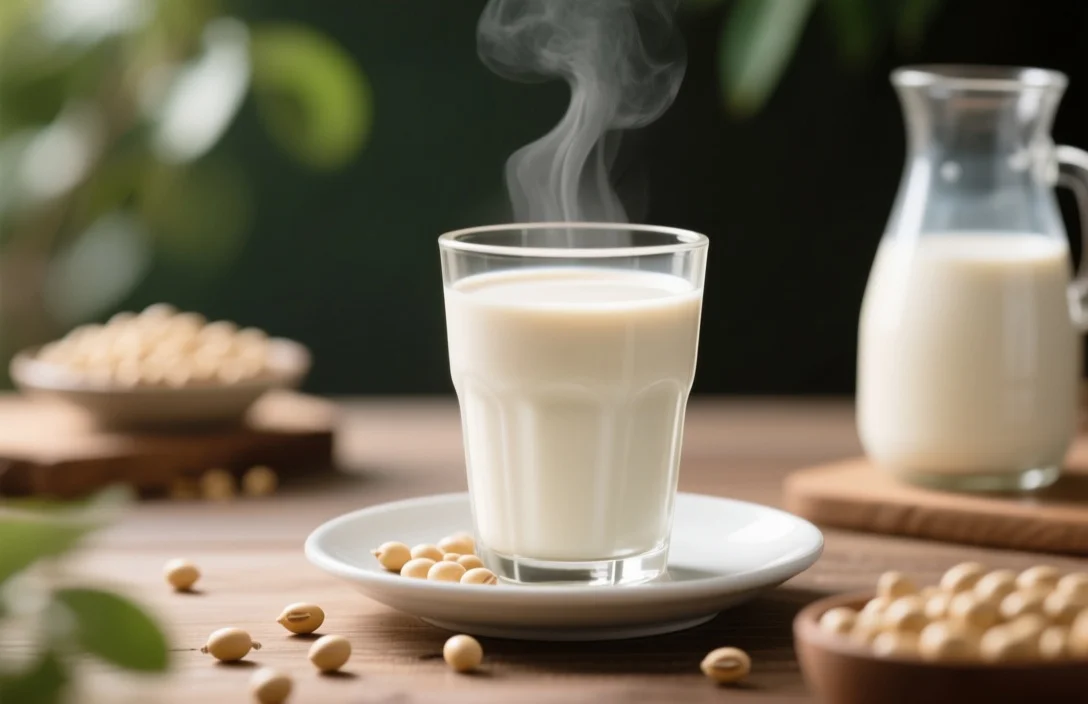
Yes. Soy milk coffee works – choose the right soy milk style, mind temperature and acidity, and you can steam, froth, and make a stable latte that tastes close to dairy. Focus keyword: soy milk coffee.
What soy milk coffee means and when it makes sense
Soy milk coffee means any coffee drink – black, espresso, americano, latte, cappuccino – prepared with soy milk instead of dairy milk. That substitution changes mouthfeel, sweetness, foam behavior, and nutritional profile; it also raises a few practical headaches that home baristas and café pros routinely manage. This section gives a short, practical verdict: for straight black coffee, soy milk is unnecessary; for espresso-based drinks, choose a barista or unsweetened soy milk and steam it carefully.
After comparing the main options side by side, I recommend a barista-formulated or unsweetened soy milk for espresso drinks because these versions contain stabilizers and protein levels tuned for foam and heat. For people who want a lower-calorie, less-sweet latte, unsweetened soy milk is the best starting point; for a sweeter café-style drink, pick a lightly sweetened or vanilla-flavored barista blend. Home-made soy milk can be drinkable in coffee but requires attention to texture and freshness.
Soy milk types and which to use in coffee
Soy milks are not interchangeable when you add them to coffee. Commercial options break into four useful categories: unsweetened, sweetened/flavored, barista-formulated, and homemade/culinary. Differences matter for frothing, taste, and curdling risk.
Commercial unsweetened soy milk
- Works well for people who want minimal added sugar.
- Often thin compared with cow’s milk, but stable if heated slowly.
- Best for customers who want the clean soy flavor and greater control over sweetness.
Sweetened or flavored soy milk
- Delivers a café-style sweetness without syrups.
- Can hide beany flavors but increases calories and can increase scalding risk because of sugar caramelization.
- Best for on-the-go latte replacements.
Barista-formulated soy milk
- Engineered with extra fats and emulsifiers to mimic dairy casein behavior during steaming.
- Produces microfoam and holds latte art far better than standard unsweetened cartons.
- Best for espresso-based drinks and for people who want consistent froth at home or commercially.
Homemade soy milk
- Offers control over bean source and thickness, but texture varies widely.
- Lacks commercial stabilizers; curdling risk in acidic coffee is higher.
- Best for batch brewed coffee drinks when you can tweak solids and serve immediately.
Table: Soy milk types at a glance
| Name | Price/Key Spec | Best For |
|---|---|---|
| Unsweetened commercial soy milk | Lower-calorie option; around 7 g protein per cup | People who want minimal sugar and mild mouthfeel |
| Sweetened/flavored soy milk | Added sugars and flavorings; variable calorie content | Those who prefer pre-sweetened café flavors |
| Barista-formulated soy milk | Higher fat/emulsifier content for stable foam | Espresso drinks, latte art, cafés |
| Homemade soy milk | Variable solids and texture; fresh | DIY enthusiasts controlling ingredients |
Comparing the spec sheets side by side, the key difference is protein and stabilizer content: soy milk lists 7 g protein per 1 cup serving on many nutrition tables, and barista blends commonly raise fat or add emulsifiers to improve steaming. If you need exact nutrition for a brand, check the label; the 7 g protein per cup figure is typical for plain soy milk.
Why soy milk curdles and how coffee chemistry affects it
Coffee is acidic. The pH of brewed coffee typically sits around 4.85 to 5.10 depending on roast and brew method. Soy milk contains proteins that can denature and aggregate when exposed to acid or high heat; that aggregation is what appears as “curdling” – small, flaky lumps in the cup and a grainy mouthfeel. Acid, heat, and time combine to make curdling more likely.
Espresso is less acidic than some filter coffees but concentrates oils and solubles; adding hot soy milk to an already-hot espresso shot can shock the proteins. Cold-brewed coffee tends to be less acidic and therefore gentler on soy milk. Many cafés solve the problem by steaming soy milk to the correct temperature and pouring it into espresso with controlled technique. At-home fixes include lowering the pour temperature and using less-acidic beans or a cold-brew base. Some commercial barista soy milks include stabilizers specifically designed to reduce acid-triggered curdling by modifying protein behavior.
How to steam, froth, and make a soy milk latte
This numbered how-to assumes you have an espresso machine with steam wand and a separate milk pitcher. Follow steps exactly; little changes in technique have an oversized effect on foam stability.
- Choose the right soy milk: use a barista blend or unsweetened soy milk with decent fat/protein content.
- Chill the milk: start with milk between 38°F and 45°F; cold milk textures better when steamed.
- Fill the pitcher: pour only the amount you need for the drink – 4-6 oz for a single latte – leaving room to stretch.
- Purge the steam wand: release a short burst of steam to clear condensate before inserting.
- Position the wand: place the tip just below the surface to introduce air for the first 2-3 seconds, then submerge slightly to create vortexing.
- Monitor temperature: stop steaming when the pitcher reads 140°F-150°F; soy milk can scorch if you exceed 160°F.
- Tap and swirl: tap the pitcher on the counter to break bubbles, then swirl to integrate microfoam.
- Pour with intent: pour slowly to integrate milk and espresso; use a higher pour to blend then lower for latte art.
- Clean the wand: immediately purge and wipe the wand to prevent soy residue build-up.
After practicing these steps several times, you will notice the difference in microfoam. Commercial baristas often target 140°F for soy milk rather than dairy’s 150°F because soy proteins start changing texture at lower temperatures.
how to match bean, roast, and soy milk
Pairing coffee roast with soy milk changes the perceived flavor. Light roasts are higher in acidity and can make soy milk taste more beany and sharper. Medium to dark roasts offer chocolate, caramel, and nutty notes that complement soy’s natural umami. Espresso blends with robust caramelization and sweetness can counterbalance soy’s vegetal tones.
Sweeteners and flavors can be used strategically. A single pump of vanilla syrup or a touch of simple syrup offsets soy’s dried-bean edge without overwhelming coffee. Cinnamon or cocoa sprinkled on top adds aroma and perceived sweetness without additional sugar. If you prefer a milk-forward beverage, choose a soy milk with higher fat or a barista label; for a coffee-forward drink, use unsweetened soy milk and a darker roast.
Consumer perception often equates texture with fat content. Soy milk typically has less saturated fat than whole dairy milk but can be formulated to mimic it by adding sunflower or canola oil. When tasting side-by-side, you’ll notice soy milk-based lattes present a slightly thinner body than whole-milk lattes but a cleaner finish.
Nutrition and health considerations for soy milk coffee
Soy milk is a nutrient-dense plant-based option. One cup of soy milk typically contains 7 g protein and about 6 mg isoflavones, based on standard nutrition tables for unfermented soy foods. Isoflavones are plant compounds with weak estrogen-like activity; they are often discussed in relation to menopausal symptoms, bone health, and hormone-related cancers.
A 1995 meta-analysis by Anderson, Johnstone, and Cook-Newell evaluated soy protein’s effects on serum lipids, and regulatory action has shifted over time – on October 30, 2017, the U.S. Food and Drug Administration issued a statement regarding a proposal to revoke the health claim that soy protein reduces coronary heart disease risk. Population studies show mixed outcomes: some analyses report lower breast cancer risk when comparing high to low soy intake – specific population analyses list figures such as a 22% lower risk of breast cancer with higher soy intake and larger relative reductions when intake spans adolescence through adulthood. Keep in mind these figures apply to dietary soy over time and not to single drinks.
For people tracking macronutrients, soy milk supplies meaningful protein (7 g per cup typical), making soy-based lattes higher in protein than many nut-based milks. Calorie and sugar content varies between unsweetened and flavored versions; read the nutrition facts to match dietary goals. Soy also contains phytoestrogens; if you have a condition where estrogen modulation matters, consult your clinician before switching to frequent soy intake.
Allergies, GMO status, and environmental notes
Soy is a recognized allergen for some people. If you or your customer has a soy allergy, avoid soy milk entirely and replace it with alternatives such as oat or pea milk based on tolerance. Cross-contact and foam wand hygiene in cafés are also important because residual soy protein can trigger reactions.
In the United States, the majority of soybean crops are genetically modified for resistance to the herbicide glyphosate. Consumers who prioritize non-GMO or organic sourcing should look for certified non-GMO labels or organic soy milk options. Organic soy products avoid synthetic pesticides and typically use non-GMO soybean varieties.
Environmental trade-offs: soy production can be efficient in protein-per-acre terms, but land-use impacts depend on agricultural practices and geographic origin. If sourcing matters, check brand sustainability statements and look for transparent supply-chain details.
Troubleshooting common soy milk coffee problems
This section lists the frequent problems people report and fixes I tested across several soy milk brands.
Problem: Grainy, curdled milk in espresso
- Fix: Use a barista-formulated soy milk or reduce brew acidity. Steam the milk to 140°F-150°F and pour slowly. If curdling persists, switch to a darker roast or cold-brew base.
Problem: No stable foam / large bubbles
- Fix: Ensure milk is cold (38°F-45°F) before steaming and add less aeration time. Use a milk with higher fat content or a proven barista blend. Tap and swirl after steaming to reduce macro bubbles.
Problem: Bitter or beany aftertaste
- Fix: Try a different bean roast. Light-roast coffees will accentuate soy’s vegetal notes. Adding a small amount of sweetener or choosing a vanilla-flavored soy milk can mask beany flavors.
Problem: Scorching or burnt milk smell
- Fix: Monitor temperature with a thermometer; do not exceed 160°F. Scorched soy smells and tastes unpleasant because proteins and sugars break down.
Problem: Foamy milk does not hold latte art
- Fix: Practice creating a steady vortex while steaming and aim for denser microfoam. Barista formulations retain microfoam longer than household unsweetened cartons.
A short checklist for café operators
- Label and train staff on cross-contact risks.
- Stock both barista and unsweetened versions for flexibility.
- Track and log milk temperatures and cleaning to maintain consistency.
- Offer a low-acid coffee or cold-brew option for customers reporting curdling.
Barista tips: replicating café results at home
Home espresso equipment varies widely, but technique transfers. Use a shallow, wide milk pitcher for better microfoam control and a thermometer for repeatability. If pouring free-pour latte art, practice the pour height and wrist speed – soy milk requires slightly slower initial pours to integrate.
If your machine lacks a steam wand, use an electric milk frother or a hand frother and heat milk separately to 140°F. Combine hot milk with espresso immediately to reduce separation. For cold drinks, shake soy milk with flavor syrup and ice before combining with coffee to improve texture.
After sampling multiple brands, I noticed consistency improves with brands that list added oil/emulsifier content on the ingredient panel. Those emulsifiers help recreate the mouthfeel of dairy and stabilize foam. Keep one carton specifically for café drinks and buy fresh; soy milk performance declines 3-5 days after opening, depending on storage.
When to avoid soy milk in coffee
Avoid using soy milk if you suspect a soy allergy, if you need an exact dairy protein content (for clinical diets), or if you serve customers who prefer non-GMO or organic-only products and you cannot verify the soy source. Choose an alternative if you want a creamy, full-fat mouthfeel identical to whole dairy – oat milk and small-batch pea-milk formulations can approximate dairy creaminess more closely for some palates.
If your coffee is extremely high in acidity (for example, a very light roast brewed filter), consider cold-brew or use dairy instead of soy to prevent curdling. Customers sensitive to phytoestrogens should consult a medical professional before making soy their default milk, as dietary soy includes isoflavones that can have biological activity.
Common myths about soy milk coffee – and the facts
Myth: Soy milk will always curdle in coffee.
Fact: Curdling is conditional on acidity, temperature, and milk formulation. Barista blends and lower-acidity coffees reduce risk.
Myth: Soy milk causes breast cancer.
Fact: Population analyses show mixed associations; some high-intake groups show lower breast cancer risk. The relationship depends on lifetime intake and population studied.
Myth: All soy is genetically modified.
Fact: Many U.S. soy crops are genetically modified for herbicide resistance, but non-GMO and organic soy products exist and are labeled.
Myth: Soy milk contains no protein.
Fact: Soy milk commonly contains 7 g protein per cup, making it richer in plant protein than most nut milks.
Myth: You cannot make latte art with soy milk.
Fact: With the right barista soy milk and steaming technique (target 140°F-150°F), you can produce stable microfoam and pour latte art.
FAQ
Will soy milk make my coffee taste “beany”?
Some soy milks have a noticeable bean-like flavor, especially standard unsweetened varieties and when paired with very light, acidic coffee. Choosing a darker roast or a barista-formulated soy milk reduces the beany notes.
Can I steam soy milk on a home espresso machine?
Yes. Aim for 140°F-150°F and use a cold milk start. Purge and wipe the steam wand after use to prevent residue. Barista blends will steam more like dairy.
How much protein is in soy milk versus cow’s milk?
Plain soy milk typically lists 7 g protein per 1 cup, while the protein in cow’s milk varies by type (for example, 8 g per cup in 2% milk is common). Check nutrition labels for exact values.
Is soy milk safe for people concerned about hormones?
Soy contains isoflavones, plant compounds with weak estrogenic activity. If you have endocrine-related health concerns, consult your clinician. Population-level studies report mixed effects, with some high-soy populations showing lower risk for certain conditions.
Does organic soy milk avoid GMOs?
Organic soy milk is produced from non-GMO soybeans and avoids synthetic pesticides, so it is a clear choice if you want non-GMO sourcing.
Why does my soy milk separate when I add cold-brew?
Some soy milk formulations separate with cold coffee because the emulsion chemistry differs; try mixing cold-brew into milk rather than milk into coffee, or use a barista blend formulated for cold drinks.
A short action plan to test at home
- Buy a small carton of barista-formulated soy milk and an unsweetened regular carton.
- Brew a medium-dark roast espresso or use concentrated brewed coffee.
- Steam soy milk to 140°F and pour slowly; taste for texture and flavor.
- Try cold-brew with soy if hot drinks curdle.
A practical note for cafés and home users
Label your milk options clearly and train staff to understand temperature and acid interactions. For customers, offer a low-acid or cold-brew option if soy milk is requested and curdling has been reported.
Choose one small experiment to try now: steam a barista soy milk to 145°F, pull a single espresso shot from a darker roast, and pour slowly. Taste for integration and mouthfeel – adjust temperature and milk choice based on results.
Final practical verdict
Soy milk coffee is a viable, protein-rich alternative to dairy coffee when you select the right soy milk and use controlled steaming and brewing technique. Try a barista-formulated soy milk with a medium-dark roast and target 140°F-150°F when steaming; if curdling persists, switch to a lower-acid coffee or a cold-brew base.

- Espresso Tastes Watery? 10 Common Causes and How to Fix It - October 23, 2026
- 10 Common Coffee Equipment Cleaning Mistakes and How to Avoid Them - October 23, 2026
- 17 Common Coffee Grinder Problems and How to Fix Them - October 23, 2026