
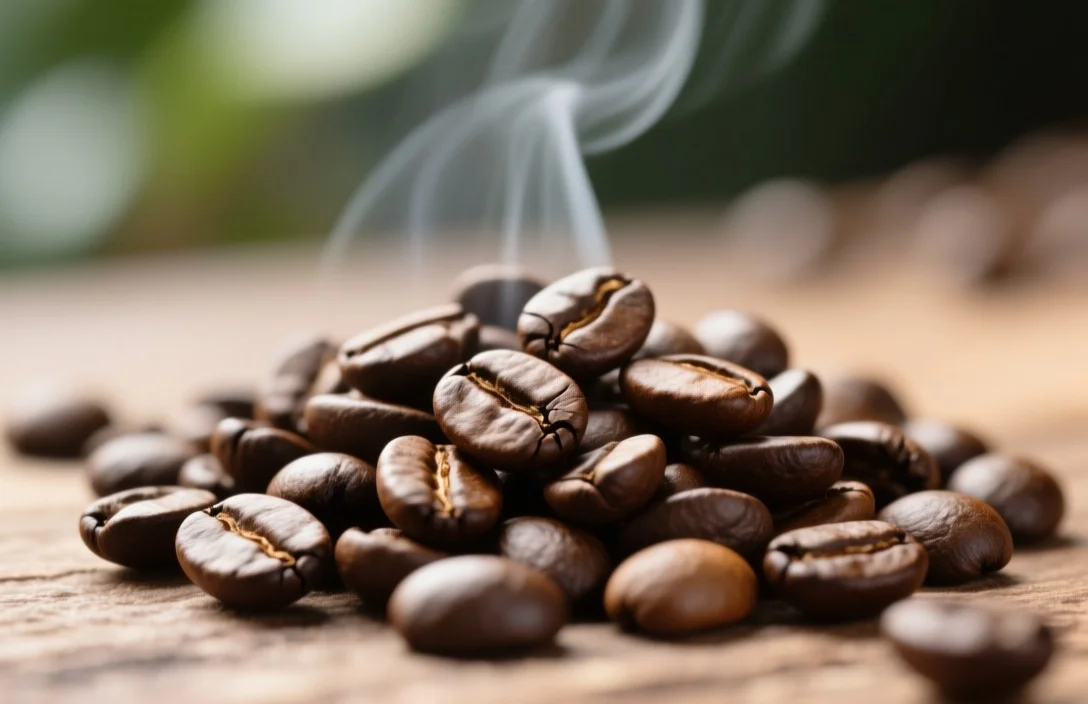
Smooth coffee beans produce a cup with low perceived acidity, a rounded mouthfeel, and little to no sharp or lingering bitterness. Smooth coffee beans are typically found among Arabica varieties, medium roasts, and beans processed or roasted to preserve sweetness and body – this guide explains what smoothness means, why beans taste smooth or harsh, and exactly how to select and brew beans to get a smoother cup at home.
What “smooth” means for coffee beans
Smoothness is a flavor and texture description used by roasters and tasters to describe coffee that avoids astringency, sharp acidity, and abrasive bitterness. Describing a coffee as smooth usually points to a balanced balance of sweetness, low rough tannins on the finish, and a moderate to full body that feels pleasant across the tongue. Tasting panels use words like “velvety,” “rounded,” and “clean finish” to capture this quality, but home drinkers will notice it first as a cup that doesn’t make the back of the tongue feel dry or prickly.
Roasters and baristas get to smoothness by combining bean selection, processing, and roast profile. Origins with natural or honey processing often retain more fruity sugars; medium roasts can emphasize those sugars while reducing bright acids; and certain varietals have flavor compounds that manifest as chocolate, caramel, or nutty notes that the mind interprets as smooth. Brewing choices then preserve or destroy those traits – a coarse extraction method will highlight body and reduce perceived acidity, while an over-extracted espresso shot can quickly produce harsh bitterness.
Why some beans taste smooth and others taste harsh
Acidity, body, and soluble extraction behavior explain most of the difference between smooth and harsh coffee. Bright acidity comes from organic acids that are more prominent in some origins and in lighter roasts. Body relates to the soluble lipids and larger molecules in the brew that coat the mouth; higher body tends to mask thinness and perceived astringency. Soluble solids extraction that’s too high will bring out bitter compounds, and under-extraction will leave the cup sour or thin.
Altitude, soil, and processing all shape the bean’s chemical profile. Beans grown at higher altitudes often develop more pronounced acidity because of slower cherry maturation; lower-altitude beans can be rounder but risk tasting flat if poorly processed. Processing methods that ferment the cherry or retain more sugars tend to produce sweeter, smoother profiles when roasted appropriately. Roast degree changes the balance of acids, sugars, and bitter compounds: lighter roasts preserve acidity and delicate aromatics; darker roasts reduce acidity but can introduce roast-derived bitterness.
Roasting technique and freshness also matter. Gentle, even development through the roast reduces burnt phenols that contribute to harshness. Freshly roasted beans release volatile aromatics that soften perception of bitterness; beans past peak freshness may taste flat or blunt. Grinding size that’s appropriate for the brew method helps avoid over- or under-extraction, which directly influences whether the cup reads as smooth.
Bean types, origins, and processing that favor smoothness
Single-origin and blended beans both can be smooth; the route to smoothness is different between them. Single-origin coffees let you taste the intrinsic sweetness and body of one region and variety. Blends are often designed to combine a bright component with a sweeter, heavier base to produce a smooth, balanced cup under many brew styles. Brazilian, Colombian, and some Central American lots frequently appear on roaster menus as “smooth” because of inherent chocolate and nut-like notes, but smooth options exist from East Africa and other regions when processed and roasted to emphasize sweetness.
Processing has a big effect. Natural-processed beans, where cherries dry with fruit flesh intact, often yield pronounced sweetness and fuller body, which many people perceive as smoother. Honey processing – a partial removal of pulp before drying – sits between natural and washed, often delivering sweetness with cleaner acidity. Washed processing tends to highlight acidity and clarity; careful washed lots can still be smooth but they show brightness more than body.
Varietal matters too. Arabica varieties, particularly Caturra, Bourbon, and Typica derivatives, frequently offer sweeter, more complex profiles than most Robusta lots. Beans labeled as peaberry or specific cultivars might concentrate sugars and produce a denser cup. Roasters often list tasting notes like “milk chocolate,” “toffee,” or “brown sugar” when a lot tends to deliver smoothness.
Roast level and roast profile choices for smooth beans
Medium roasts are frequently the safest starting point if smoothness is your goal. Medium profiles preserve enough acidity for clarity while developing caramelized sugars that round out flavors. Light roasts emphasize origin character and acidity; a bright light roast will rarely be described as smooth by someone who prefers mellow cups. Dark roasts reduce perceived acidity and can mask origin character, but if taken too far they produce roasty bitterness that defeats smoothness.
Roast development time and temperature ramp influence which compounds dominate the cup. Slow, even development through the Maillard stage showcases sweetness derived from sugars and amino acids. Rapid, high-heat roasts can create roasted phenols that taste sharp. Roasters aiming for smooth outcomes will typically control early development and avoid pushing too far into carbonization.
When judging a roast for smoothness, read the roaster’s tasting notes and roast date before buying. Prefer roasts described with sweet or chocolatey descriptors and avoid descriptions that emphasize “smoky,” “charred,” or “intense,” if your priority is a mellow cup. Freshness matters: a bean roasted within the last week or two will taste livelier and usually smoother than one months old.
How to pick smooth coffee beans in-store or online
Start by reading the roaster’s tasting notes and roast date. Seek descriptors such as “milk chocolate,” “caramel,” “toffee,” “nutty,” or “round mouthfeel.” Those phrases signal the roaster heard sweetness and body during their cupping. Look for a clear roast date and prefer recent roasts; avoid bags that only show a packing date or no date at all.
Ask whether the coffee is single-origin or a blend and consider your brewing method. Blends are practical choices for espresso and milk-based drinks because they’re formulated to perform consistently across barista techniques. Single-origin lots often shine in pour-over and drip brewing where nuanced sweetness can be highlighted. If buying in person, request a sample or a grinder trial and smell the beans. A pleasant, sweet aroma without acrid notes is a strong indicator of a smoother cup.
Pay attention to processing and region calls. Natural and honey-processed lots will frequently yield sweeter, fuller-bodied cups. Brazilian and Central American origins are commonly sold as smooth and balanced. Check the roast level and look for medium roasts labeled “sweet,” “balanced,” or “chocolate.” When in doubt, choose a freshly roasted medium roast from a reputable roaster with transparent notes and a return or satisfaction policy.
Brewing techniques that highlight smoothness
Pour-over, French press, and steeped cold brew methods are reliable ways to emphasize smoothness. Pour-over gives control over extraction and can temper acidity if you use a slightly coarser grind and a steady pour to avoid channeling. French press extracts more body and oils because it uses immersion and a metal filter; that fuller mouthfeel can mask sharpness. Cold brew, steeped at cool temperatures for an extended period, extracts sweet, low-acid compounds and yields a naturally smooth cup.
Grind size and water temperature both tune perceived smoothness. A coarser grind for immersion methods reduces the rate of extraction of bright acids and bitter compounds. Water that is slightly off-boil – hot but not aggressively boiling – will extract sugars without hyper-extracting bitter solids. Pouring technique that avoids aggressive turbulence reduces channeling and inconsistent extraction, which helps produce a cleaner, smoother finish.
Try the following practical steps to brew for smoothness:
- Choose a medium roast coffee described as sweet or chocolatey.
- Use freshly ground beans matched to your brew method.
- Set water to hot but not boiling; adjust grind to avoid fast or slow drain times.
- For immersion methods, allow sufficient contact time but avoid extremely long extractions.
- Taste and adjust: increase coarseness or shorten contact time if bitterness appears.
Repeat these steps and adjust one variable at a time to learn how each change alters smoothness.
Common mistakes that turn a smooth cup into a harsh one
Over-extraction and high brewing temperature are two of the most common culprits that turn an otherwise smooth coffee into a harsh one. Leaving grounds in contact with water for too long or using an overly fine grind can pull out bitter alkaloids and tannins. Using water at a full rolling boil for delicate pour-overs can also pull sour or metallic notes from some beans.
Stale beans, uneven grind, and poor storage also damage smoothness. Beans that have been open to oxygen or stored in warm, light-exposed environments lose volatile aromatics that contribute to perceived sweetness. Grind inconsistency produces uneven extraction: fines will over-extract and yield bitterness while larger particles under-extract and taste sour. Finally, extremely dark roasting intended to mask defects may produce a roast-forward, acrid profile that most people describe as harsh.
Avoid these errors by storing beans in a cool, dark place in an airtight container, grinding immediately before brewing, and learning reasonable grind ranges for your brew method. If your cup tastes thin or sharp, coarsen the grind or shorten brew time. If it tastes muddy or overly bitter, coarsen the grind, lower water temperature, or reduce contact time.
Practical tasting checklist and how to judge smoothness
Taste coffee with a short checklist to rate smoothness consistently. Focus on acidity, body, finish, and balance. Acidity should register as lively or bright, not prickly or sour. Body should feel rounded and coating rather than thin. Finish should not leave a dry or puckering sensation; smooth finishes feel clean and fade gently. Balance refers to how sweetness, acidity, and bitterness relate – a smooth coffee will not have any one element dominating unpleasantly.
Use this quick checklist when sampling:
- Aroma: Sweet or roasted-sugar notes?
- First sip: Any prickling or dryness?
- Mid-palate: Presence of sweetness or pleasant savory notes?
- Finish: Clean fade or lingering astringency?
- Overall: Does the cup invite another sip?
A simple scoring method helps, too: rate each category on a 1-5 scale and add the scores. Use that same method across different beans to internalize what you consider smooth. Recording roast date, origin, and brew parameters will make it easier to repeat successful results.
Table – Common choices and where smoothness is most likely to show
| Name | Roast/Processing Tendency | Best For |
|---|---|---|
| Brazilian single-origin | Medium roast, natural or pulped natural | Drip, espresso, milk drinks |
| Central American lot | Medium roast, washed or honey processed | Pour-over, drip |
| Natural-processed Ethiopian | Medium-light to medium, natural | Pour-over (if you prefer fruity smoothness) |
| Blends labeled “balanced” | Medium roast blends of chocolatey base + bright component | Espresso and milk-based drinks |
| Cold-brew specific lots | Medium roast, low-acid emphasis | Cold brew, iced coffee |
How to test and iterate at home – a short protocol
Buy small batches and experiment systematically. Purchase two to three different medium roast coffees that claim sweetness or balance. Use the same grinder, water source, and cupware. Vary one factor per brew session – grind size, water temperature, or brew time – and log results. That process will reveal which adjustments produce a smoother cup for your taste.
Taste several brews side-by-side to perceive differences more clearly. Prepare a neutral palate by drinking water between sips. Use the tasting checklist from the previous section to score each sample. Repeat trials across several days to account for fatigue and variability. When you find a repeatable combination of beans and parameters that produces a familiar smoothness, scale up the purchase to a larger bag.
When to accept a bean’s character and when to switch
Some coffees naturally emphasize brightness or complexity over smoothness; if you enjoy dynamic, tea-like flavors then those lots are not “bad” – they just don’t aim for the same experience. Accept a bean’s character if it keeps offering flavors you enjoy under multiple brew methods and you consistently get results you like. Switch if the cup consistently produces sharp acidity, metallic notes, or chalky bitterness despite reasonable brewing adjustments.
Switching roasters or choosing a blend are efficient ways to find smoothness quickly. Rotating between a few trusted roasters minimzes the risk of buying a single bean that doesn’t match your preference. Subscribing to small sample packs or sampler bundles accelerates discovery and reduces waste.
FAQ
How much does roast date affect smoothness?
Recent roast dates typically improve perceived smoothness because volatile aromatics and sugars are more present shortly after roasting. One to three weeks after roast is a common window many home brewers prefer for balanced, lively cups.
Will dark roast always taste smoother?
Dark roasts reduce acidity yet can introduce roast-derived bitterness and smoky notes. Smoothness depends on development and how roast flavors interact with origin characteristics; a carefully roasted medium roast can be smoother than a too-dark roast.
Are single-origin beans better for smoothness than blends?
Single-origin beans show a single region’s character and can be smooth if the lot has sweetness and body. Blends are often formulated to be smooth and consistent, which makes them practical if you want a reliable smooth cup.
Does water chemistry matter for smoothness?
Yes. Very hard or very soft water can change extraction and perceived flavors. Using filtered water with balanced mineral content often yields a smoother, more balanced cup.
Can I make a smooth espresso at home from any beans?
Not every bean makes a smooth espresso because espresso compacts flavor and extraction. Blends labeled for espresso or medium-roasted single origins with chocolate and caramel notes are better starting points.
How should I store beans to preserve smoothness?
Store beans in an airtight container away from heat, light, and moisture. Avoid refrigeration for daily-use beans because humidity fluctuations can degrade flavor.
Practical verdict and next ste
If smoothness is your priority, start by choosing a freshly roasted medium-roast labeled with sweet descriptors and a clear roast date, then brew with a method that preserves body – French press or cold brew are simple first tests. Next step: buy two small bags with different processing methods (one natural or honey, one washed), grind fresh, and run the tasting checklist above to identify which combination produces your ideal smooth cup.

- Espresso Tastes Watery? 10 Common Causes and How to Fix It - October 23, 2026
- 10 Common Coffee Equipment Cleaning Mistakes and How to Avoid Them - October 23, 2026
- 17 Common Coffee Grinder Problems and How to Fix Them - October 23, 2026