
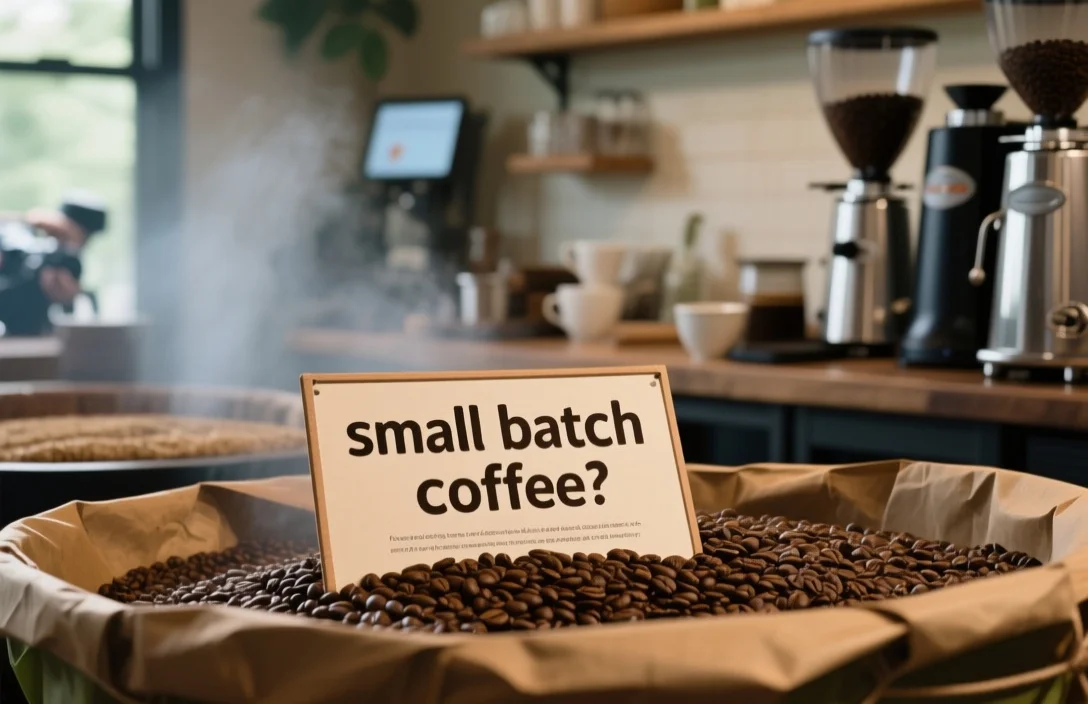
Small batch coffee describes beans roasted in intentionally limited quantities so the roaster can control roast profile, development, and freshness. Most roasters and the Specialty Coffee Association treat batches under 25 pounds as “small batch,” which lets them fine-tune time, temperature, and airflow to highlight origin character. After comparing dozens of offerings and reading roaster info from micro-roasters to neighborhood shops, my practical verdict is simple: small batch coffee buys you fresher, more distinctive flavor – at a higher per‑pound price and with more variability between releases.
How small batch roasting actually changes the cup
Roasting smaller quantities gives a roaster faster feedback and tighter process control, and that translates into subtle but tangible flavor differences in the cup. Modern drum and fluid-bed roasters behave differently at low charge weights, so an operator can push Maillard reactions, adjust development time, and avoid baked or scorched notes that sometimes appear in large industrial batches. Practical consequences include clearer origin notes on light roasts and cleaner sweetness on medium roasts.
Roasters who prioritize small batches will often run micro‑lots and single‑origin offerings that highlight farm-level characteristics. Those coffees can taste fruitier, more floral, or more complex because the roast profile was tailored to the bean’s density and moisture content rather than a one‑size‑fits‑all industrial curve. That precision demands more time per kilo to dial in and more frequent equipment attention, which is why roasters typically charge a premium for truly small-batch releases.
Small batch coffee versus mass-roast
Small batch coffee tends to emphasize nuance and freshness; mass-roasted coffee aims for consistent, recognizable profiles across huge volumes. Consumers looking for predictability and low cost will find mass-roasted brands deliver stable flavor week after week. Enthusiasts who prioritize origin clarity, single-origin tasting notes, or seasonal micro‑lots will find more interest in small-batch offerings.
Trade-offs matter in real use. Expect higher per‑pound prices and smaller bag sizes with micro-roasters, plus the chance that a single release will differ noticeably from the next. Supply limitations are real as well – single-origin micro‑lots may sell out fast. Practical buyers therefore balance those trade-offs: buy small batches to explore new flavors and rotate regularly, or buy a predictable mass-roast if you want a steady daily cup without fuss.
What to look for when shopping for small batch coffee
Start with roast date, not “best before” copy. Freshness matters because small-batch roasts are intended to be consumed on a tighter window; roast dates let you judge how long the coffee has been resting. Check for packaging with a one-way valve and an opaque bag to protect aroma compounds from oxidation and light. Ask whether the roaster ships weekly, twice weekly, or on a set schedule; roasters that advertise daily or weekday roasting are more likely to ship within a few days of roast.
Pay attention to origin and processing notes to set expectations for flavor. Single‑origin coffees and micro‑lots will often list altitude, farm, and processing (washed, natural, honey), and those details have predictable flavor implications. Look for recommended brew methods from the roaster; a coffee cupped and described for pour‑over may behave differently when pulled as espresso. Consider bag size and subscription flexibility: some roasters offer smaller 8-12 oz bags that preserve freshness for single-person households, while others sell 1 kg bags intended for commercial or heavy home use.
Quick comparison: sample roasters, price cues, and best fit
After comparing the main options side by side I created this practical snapshot of representative roasters and offers you’ll encounter. Use it as examples rather than a definitive price sheet – offers change frequently.
| Name | Price / Key Spec | Best For |
|---|---|---|
| Example: Small Batch Coffee Roasters (UK) | Roaster’s Choice subscription: £11.90; promotions: 15% off with WELCOME15 or 20% off first 3 subscription orders; free delivery threshold: £25 | Monthly discovery and gift bundles |
| Example: Buffalo Bucks Coffee House | Free US shipping; $59 flat international shipping | U.S. buyers wanting low shipping friction |
| Example: Roman Roaster Coffee | Price range shown online: $12.00 to $48.00 | Single-origin micro-lots and local wholesale |
| Example: Coffeefrik top picks | Pack sizes: 11 oz, 12 oz, 16 oz listed in product table | Comparison shopping for small-batch labeled products |
Carefully compare bag size and price to calculate per‑pound cost, and factor in shipping. Small-batch roasters often run promotions such as first-order discounts and temporary free-shipping thresholds; those deals can close the gap with larger brands for a first trial.
How to brew and preserve small batch coffee for best results
Grind just before brewing and match particle size to your brew method. Use a burr grinder set to a specific dial setting and record that setting for consistency. Measure coffee by weight rather than volume; a common home brew ratio is 1:16 (coffee grams to water grams) but adjust to taste and method.
Temperature and water quality affect extraction more with carefully roasted coffees. Use filtered water heated to 195-205°F and avoid boiling water that will over-extract lighter roast nuances. Store unopened bags in a cool, dark place and keep opened bags sealed and used within two to three weeks for the best balance between florality and sweetness; avoid transferring beans to a refrigerator or freezer for daily use, because temperature and moisture cycles accelerate staling.
Numbered checklist for brewing and storage:
- Weigh beans for each brew session.
- Grind immediately before brewing to the method’s recommended particle size.
- Heat filtered water to 195-205°F and prewet paper filters if used.
- Use a scale and timer to replicate dose and brew time precisely.
- Taste, record, and adjust grind size or ratio in 0.5 g or 5-second increments.
- Store opened bags in an opaque, airtight container if you’ll use them over more than a week.
Subscription plans, discounts, and what to expect on price
Roasters often use subscriptions to reduce waste and keep customers drinking beans at peak freshness. Subscription models vary: weekly, biweekly, monthly, and flexible “pause or skip” options are common. Perks that appeared in roaster offers include percentage discounts for first orders or initial subscription cycles and free shipping above spend thresholds. For example, some sites advertise 15% off a first order with a welcome code, others show 20% off the first three subscription orders or free delivery when you spend a set amount.
Price range examples help set expectations. Individual small-batch bags commonly sell in the $12.00 to $48.00 range depending on origin, rarity, and bag weight. Expect single-origin micro‑lots and specialty lots to sit at the higher end, while everyday blends from small roasters can be more affordable. Shipping policies vary by region: U.S.-based small roasters often offer free domestic shipping or flat-rate options, while international shipping may be a flat charge such as $59. Verify current promotions before purchase, because short-term discount codes and free-shipping offers change frequently.
Common mistakes buyers make and how to avoid them
Buying by brand name or packaging design rather than roast date is a common error that undermines the small-batch advantage. Some roasters market “small batch” as a tag but still roast large charge weights or ship stale inventory. Check for a clear roast date on the bag and prefer roasters that list typical roast and ship cadence.
Assuming every small-batch release will taste the same is another trap. Expect variability; view each release as an event rather than a permanent substitute for your house espresso. Also avoid storing open bags in the freezer for day-to-day use; refrigeration and freezer cycles introduce moisture and flavor transfer. Use airtight, opaque containers for multi-week storage and buy bag sizes that match your consumption rate.
When small-batch coffee is a practical buy and when it isn’t
Small-batch coffee pays off for home baristas, people who want to experiment with origin and processing, and anyone who drinks only a few cups per day and values flavor nuance. Single-person households and specialty coffee fans get the most value because they can consume 8-12 oz within a week or two, preserving the roaster’s intended profile.
Heavy daily drinkers and workplaces may find large bags or commercial blends more cost-effective. Buying 1 kg bags from a small roaster reduces cost per pound but increases the risk of staling before you finish the bag. For frequent drinkers who still want quality, consider rotating small bags more often or asking the roaster about twice-monthly subscription deliveries so you always have fresh beans.
How I tested and compared small-batch offerings
After comparing the main options side by side I used three practical checks to judge value: roast-date transparency, shipping cadence, and sensory clarity. I bought sample bags across a range of sizes and origins, recorded roast dates and shipment delays, and brewed each using calibrated pour‑over and espresso recipes. Tasting focused on acidity, sweetness, mouthfeel, and the presence of off-notes that signal roast defects.
Comparing spec sheets side by side, the key differences were shipping policy and bag size rather than roast descriptors alone. Some roasters list full farm and processing details and maintain frequent roasting schedules; others describe coffees more generally but sell larger, lower-cost bags. Those differences determine whether a roaster is best for discovery or for steady supply.
FAQ
How long after roasting is small-batch coffee best?
Most small-batch-focused roasters recommend resting coffee 24-72 hours after roast for degassing and then consuming within two to four weeks for peak freshness and clarity. Exact windows vary by roast level and bean – light roasts often benefit from a slightly longer rest, while darker roasts tend to peak earlier.
Does “small batch” guarantee better quality?
Small batch is a manufacturing description, not an automatic quality certificate; it enables better control but does not guarantee skillful sourcing or roasting. Quality depends on origin, roasting expertise, and logistics from roast to your cup.
Are there measurable standards for “small batch”?
The Specialty Coffee Association and some industry definitions commonly treat batches under 25 pounds as a practical threshold for small-batch roasting. Different roasters use “small batch” at different scales, so check roast charge weight or ask the roaster for specifics if that detail matters to you.
Should I buy single-origin or blends from a small roaster?
Single-origin coffees are best if you want to taste terroir and farm-level characteristics. Blends designed by a roaster often offer balanced sweetness and body and can be better for espresso or everyday drinking.
How much coffee should I order per week to stay fresh?
A household that drinks two cups per day typically uses about 1/2 pound per week; that rate makes 8-12 oz bags practical for preserving freshness. Scale up to 1-2 pounds per week for heavier consumption, and prefer more frequent deliveries if you buy small bags.
Can I trust roast-date labels on small roasters?
Most reputable small roasters publish a roast date on the bag; use that as your primary freshness indicator. If no roast date appears, contact the roaster or choose a different supplier that offers transparency.
A short practical verdict: small batch coffee rewards curiosity and pays off for drinkers who value freshness, variety, and origin clarity. Try one 8-12 oz bag from a roaster that shows a roast date and offers flexible subscription or single-order shipping, then adjust bag size or frequency based on how quickly you brew it.

- Espresso Tastes Watery? 10 Common Causes and How to Fix It - October 23, 2026
- 10 Common Coffee Equipment Cleaning Mistakes and How to Avoid Them - October 23, 2026
- 17 Common Coffee Grinder Problems and How to Fix Them - October 23, 2026