
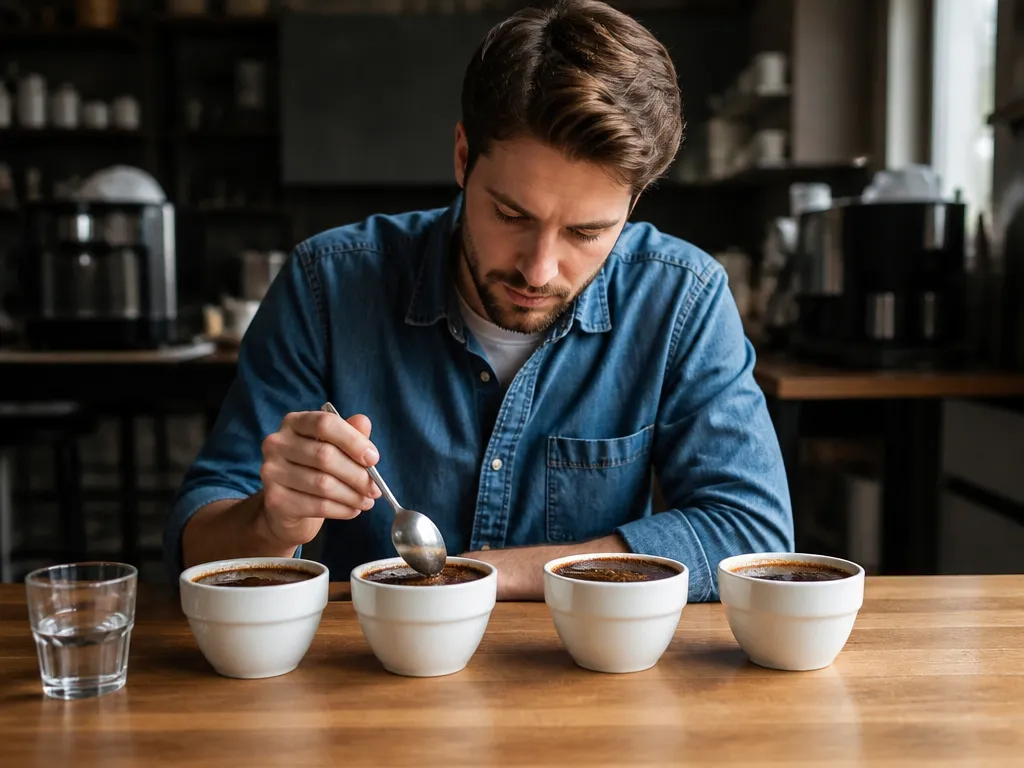
Single origin coffee and blends can taste dramatically different, even when they come from the same farm-to-roaster setup. Choose single origin for a distinct, place-driven flavor; choose a blend for consistency, balance, and a familiar cup day after day. If you are unsure, start with a medium roast, then adjust grind and ratio before judging the origin.
Single origin coffees often show fruit, floral notes, acidity, or other distinctive characteristics tied to their source. Blends usually combine coffees to create a sweeter, rounder profile that stays coherent across brewing methods. Roast level matters as much as the label: light roasts reveal more origin character, while darker roasts make coffees taste more alike.
The Short Answer
- For distinct flavor: Choose single origin if you want clear tasting notes and a stronger sense of place.
- For consistency: Choose a blend if you want reliable flavor that tolerates small brewing changes.
- For learning: Single origin lets you compare regions, producers, and processing methods more clearly.
- For balance: Blends are often built to combine sweetness, acidity, and body.
- For lighter roasts: Single origin usually gives you more fruit, floral character, and brightness.
- For softer acidity: Try a blend or medium roast.
- When switching coffees: Keep the same brew method and adjust grind before changing other variables.
How They Taste
Single origin coffee comes from one defined source, such as a country, region, farm, or cooperative. The cup often has a more recognizable identity, especially at lighter roast levels, where origin and processing characteristics remain easy to taste.
A blend combines multiple coffees to create a target flavor. One component might add brightness, another sweetness, and another body or chocolate-like depth. The finished cup often tastes rounded and complete rather than sharply defined by one origin.
What Makes a Coffee Single Origin?
A single origin coffee usually comes from one country, region, and sometimes one farm or cooperative. The label indicates that the roaster is selling coffee from one source rather than mixing coffees from multiple origins.
That does not guarantee identical flavor in every bag. Coffee lots, processing lots, and harvests vary, and a roaster may combine multiple lots within the same origin to maintain a target profile. A coffee labeled single origin can therefore change somewhat while remaining true to its source.
The benefit is traceability in the cup. You can compare one region or producer with another and start recognizing how origin, variety, processing, and roast affect flavor.
How Coffee Blends Create Balance
A coffee blend is a planned mix of coffees from different origins, varieties, processes, or harvests. Roasters combine them to reach a flavor target and keep that target relatively consistent over time.
Each component can serve a different purpose. One coffee may contribute acidity, another sweetness and roundness, and another body or chocolate-like depth. The roaster adjusts the proportions to make the finished cup work as a whole.
That structure can make blends less sensitive to small brewing mistakes. If your grind is slightly off or your water is not perfectly dialed in, the coffee may still land in a familiar range. A single origin can make the same mistake more obvious because there is no second coffee to soften the imbalance.
Single Origin vs Blend: Range and Consistency
Single origins often have a narrower sourcing story but a wider range of possible flavors from one bag to the next. One lot may taste fruity and floral, while another from the same labeled origin may lean nutty and sweet. Both can be legitimate expressions of that origin because coffee lots and harvests vary.
Blends can contain a wider range of ingredients while producing a narrower finished profile. You may notice fewer distinct moments where one origin stands out, but you are more likely to get a stable, repeatable cup.
A useful comparison is one instrument versus the full arrangement. Single origin puts a particular source in clearer focus. A blend combines several sources into a more unified result.
Which Coffee Fits Your Brewing Method?
Your brewing method determines how clearly you taste the differences between single origin and blend.
Espresso: Blends often work well because they can be built for body and sweetness, whether you drink the shot on its own or add milk. High-quality light-to-medium single origins can also make excellent espresso, especially when the roaster recommends them for that use and you dial them in carefully.
Pour-over and filter: Single origin often has the advantage. V60, Kalita, and Aeropress-style recipes with longer contact times can clarify fruit, floral notes, acidity, and processing characteristics.
Cold brew: Many drinkers prefer blends or medium roasts. Cold extraction can mute acidity and emphasize sweetness and weight, qualities that blends often target.
Brewing Choices That Usually Work
- Start with a blend if you want easier dialing and fewer surprises.
- Lean toward single origin for clearer origin characteristics, especially with filter brewing.
- Keep your brew method steady when comparing coffees so the coffee itself remains the main variable.
Choose by Roast Level and Acidity
Roast level can affect the cup more than the single-origin or blend label.
Light roasts preserve more acidity and origin character. A light-roast single origin is a strong choice if you like brightness, fruit-like notes, or floral aromatics.
Medium roasts offer a practical middle ground for many home brewers. You can still taste origin differences, but the acidity is usually less sharp. Both single origins and blends can work well at this level.
Dark roasts make origin differences less obvious because roast flavor becomes dominant. Blends remain useful for consistency, but a dark-roast single origin may not provide the clear sense of place you expect.
Acidity is a range rather than one flavor. Many single origins taste brighter or more “sparkly,” while many blends are designed to smooth that sensation into a more balanced profile. For a crisp cup, try a single origin at light or light-medium roast. For softer acidity, try a blend or medium roast.
How to Switch Between Single Origin and Blend
Keep your brewing method, dose, and water recipe consistent when you compare coffees. Changing several variables at once makes it impossible to tell whether the difference came from the coffee or the recipe.
Use this order:
- Keep your brewing method, dose, and water recipe consistent.
- Grind the same way you normally do for that brew method.
- Taste the coffee after you get stable extraction, usually a few brews.
- Adjust the grind only if the new coffee tastes too sour or too bitter.
Moving from a blend to a single origin may bring more acidity and more distinct flavor edges, especially at lighter roast levels. That is a difference in style, not automatically a flaw.
Moving from a single origin to a blend may make the flavors feel less separate. The blend is designed to reduce sharp contrasts and create a smoother, more cohesive cup.
A practical setup is to keep one main coffee and one exploration coffee. The main coffee can be a dependable blend for daily use, while the exploration coffee can be a single origin you brew to learn and compare.
FAQ
Is single origin coffee always better than a blend?
No. “Better” depends on the flavor and brewing experience you prefer. Both types can produce excellent coffee when they are fresh, well roasted, and properly brewed.
Why do blends taste more consistent than single origin?
Blends combine multiple coffees to reach a target flavor profile. If one lot contributes more acidity or less sweetness, another component can counterbalance it. Single origins can remain consistent, but lot-to-lot changes may stand out more because there is no second coffee to smooth the edges.
Do single origin coffees have higher acidity?
Many single origins taste brighter, especially at light or light-medium roasts, but higher acidity is not guaranteed. Processing method and roast level also affect how bright a coffee tastes. If you are sensitive to brightness, choose a medium-roast single origin or a blend designed for smoother acidity.
What is the easiest way to brew single origin for the best flavor?
Use a pour-over or a well-dialed espresso setup, and keep your variables stable. Start with your normal dose and water temperature for filter brewing, then adjust the grind in small steps if the coffee tastes sour or bitter. Single origins are often more transparent, so grind changes may show up faster than they do with darker blends.
What is a common mistake when comparing single origin and blend?
A common mistake is making several recipe changes at once, which makes the source of a flavor difference difficult to identify. Compare one variable at a time.
For a useful starting point, choose one coffee you can brew comfortably every day – a blend if you prefer smoothness – and add a light- or medium-roast single origin for weekend tasting. That two-coffee setup makes the comparison fair and gives you a practical way to learn what you like.

- Unlocking the Venti: Discover the Perfect Shot Count for Your Drink - October 13, 2026
- Unpacking the Buzz: Caffeine Levels in Café Bustelo Espresso - October 13, 2026
- How to Fix Bitter Coffee: 10 Expert Ways to Improve the Taste - October 4, 2026