
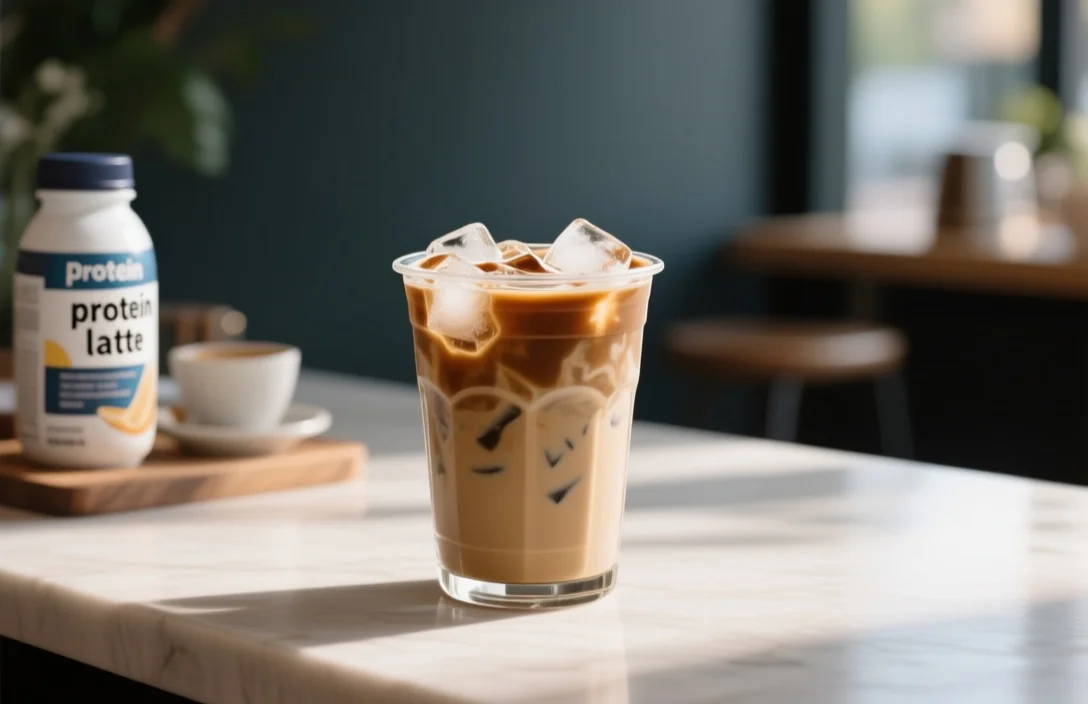
A protein iced latte is an iced coffee drink built around a protein source, usually protein powder or protein-rich milk, so you get caffeine and protein in one glass. For people who want a fast breakfast, a post-workout drink, or a more filling coffee break, it can be a practical option. I would treat it as a convenience food, though, not a replacement for every meal.
What a protein iced latte actually is
At its simplest, the drink combines espresso or strong coffee, cold milk or a milk alternative, ice, and some kind of protein source. That protein may come from powder, dairy milk, soy milk, or a ready-to-drink mix. The result depends on the ingredients and the method. Some versions are smooth. Others are a little grainy, especially if the powder does not dissolve well.
The people who get the most out of it are usually the ones who need protein and do not have much time. That includes busy commuters, morning exercisers, and anyone who struggles to reach a daily protein target with meals alone. The National Academy of Medicine recommends a minimum of 0.8 grams of protein per kilogram of body weight per day, which is just over 7 grams for every 20 pounds of body weight. For a 140-pound person, that is about 50 grams a day. For a 200-pound person, it is about 70 grams a day. A protein iced latte can help, but it should be part of that total, not the whole plan.
How protein in a drink works
Protein is not special because it is in a latte. It works the same way it does in food. The body uses it for structure, repair, enzymes, hormones, antibodies, and transport functions. Proteins are made of amino acids, and nine of those amino acids are essential, which means they must come from the diet.
That matters when you choose the protein source for a drink. A latte made with one type of protein is not automatically the same as one made with another. Some options are complete proteins, meaning they supply all essential amino acids in useful amounts. Others are not.
I keep coming back to this point because it changes the whole decision. If your goal is just a quick protein boost, almost any decent option may work. If you want something more useful for recovery, fullness, or meal replacement, the source matters.
Which protein sources make the most sense
The best choice depends on taste, texture, digestion, and diet restrictions. There is no single winner.
| Name | Price / Key Spec | Best For |
|---|---|---|
| Whey protein concentrate/isolate | Price varies; highly soluble when instantized; typically animal-derived; strong amino-acid completeness | Post-workout recovery and those without dairy restrictions |
| Casein protein | Price varies; slower digestion than whey; animal-derived | Longer satiety and evening or snack-time drinks |
| Soy protein | Price varies; plant-based complete protein for many users | Vegan consumers who want a complete amino-acid profile |
| Pea protein | Price varies; plant-based, often mixed with rice for balance; sometimes grainy | Those avoiding dairy or soy; texture improved in blends |
| Collagen peptides | Price varies; not a complete protein (low in tryptophan) | People focused on connective tissue support who also use other protein sources |
| Dairy milk (cow) | Price varies by brand; naturally contains whey/casein | Simple option for added protein without separate powder |
| Soy milk | Price varies; plant-based milk with relatively higher protein among milks | Vegan option with better protein than most plant milks |
| Almond/oat/rice milk | Price varies; typically low in protein unless fortified | Best for flavor or texture when paired with a separate protein powder |
For most readers, the practical split is simple. Whey mixes easily and works well if you tolerate dairy. Soy is the strongest plant-based option if you want a complete protein. Pea protein can work too, but texture is often the issue. Collagen is easy to mix, but I would not use it as my main protein source if completeness matters.
How to make one without ruining the texture
A protein iced latte is easy to make, but the order matters. If you dump everything together and hope for the best, clumps are common.
A basic method:
- Brew espresso or strong coffee and chill it.
- Add protein powder or protein-rich milk to a shaker or blender.
- Pour in the cold coffee, then add ice and any flavoring you want.
- Shake or blend until smooth.
- Taste and adjust. Add a little more milk if it is too sharp, or more ice if you want it colder and thinner.
If you want a cleaner texture, strain it into a fresh glass over ice. If you are using a plant-based protein, a short rest after mixing can help the foam settle.
I would skip the idea that all powders behave the same. They do not. Some are built for cold drinks and dissolve quickly. Others need more effort.
What to check on the label
This is where people often overfocus on the front of the package and ignore the part that matters.
Look at:
- Protein grams per serving
- Serving size
- Total sugars and added sugars
- Ingredient order
- Allergens such as milk, soy, or tree nuts
- Artificial sweeteners or sugar alcohols, if you are sensitive
- Third-party testing or certifications, if you are an athlete or want that extra screen
The ingredient list tells you a lot. The first few ingredients carry the most weight. If sugar or fillers come early, the drink may be more dessert than protein support.
I also keep coming back to the broader protein package. A protein powder mixed into a very sweet, high-calorie drink is a different choice from coffee, milk, and a modest scoop. The package around the protein matters almost as much as the protein itself.
Calories, sugar, and the trade-offs people miss
A protein iced latte can be fairly light, or it can turn into a high-calorie drink fast. Flavored powders may include sugar, maltodextrin, or non-sugar sweeteners that change the nutrition profile in ways the front label does not make obvious.
Do not assume that “low calorie” means low sugar. Read the nutrition facts panel. If you are tracking macros, count the protein and calories from the drink the same way you would count any other food.
A useful comparison helps keep expectations in check. A 4-ounce broiled sirloin steak provides about 33 grams of protein, but it also delivers about 5 grams of saturated fat. A 4-ounce ham steak has 22 grams of protein and 1.6 grams of saturated fat, but it is loaded with 1,500 milligrams of sodium. A cup of cooked lentils gives about 18 grams of protein and 15 grams of fiber, with virtually no saturated fat or sodium. Those examples show why the total food pattern matters. A latte can help, but it is still one part of a day.
When a protein iced latte makes sense
This is a good option when you need speed more than ceremony.
It works well:
- In the morning, when you do not have time for a full breakfast
- After a workout, when you want something portable
- As a snack between meals
- On busy days when your protein intake is running low
It works less well as a full meal replacement if you rely on it often. Liquid meals can be less filling than solid ones, and they usually do a poor job of supplying fiber, vegetables, and micronutrients. If you use one as a meal, add something else alongside it.
My practical rule is this: if the drink is standing in for breakfast, pair it with fruit, oats, toast, or another whole food. Otherwise, you may be full for only a short while.
A few ways to improve taste and texture
If your first version tastes chalky or thin, that does not mean the idea is bad. It usually means the formula needs adjusting.
These small changes help:
- Use chilled milk instead of water for a smoother texture
- Add a tiny pinch of salt to soften bitterness
- Mix the powder with a small amount of liquid first to make a paste, then add the rest
- Use instantized powder if clumping is a recurring problem
- Let a plant-protein drink sit for 30 to 60 seconds so the foam settles
- Add vanilla, cinnamon, cocoa powder, or a small amount of sugar-free syrup if you want more flavor
I would be careful with too many add-ins. Once you start layering in nut butter, syrups, sweetened creamers, and extras, you can lose sight of why you made the drink in the first place.
Buying it ready-made versus making it at home
You have two basic routes. Buy a ready-to-drink version, or make it yourself.
Ready-to-drink options are convenient and easy to carry, which is why they appeal to people who want a grab-and-go breakfast. The trade-off is cost and less control over sweetness and protein type.
At-home versions give you more control. You can choose the protein, adjust the caffeine level, and keep the ingredient list shorter. They are usually cheaper over time, especially if you make them often.
If purity matters to you, especially as an athlete, look for third-party testing or certification on the label. That is one of the few label details worth paying close attention to.
Simple recipe ideas
Here are a few straightforward ways to build the drink without overcomplicating it.
Basic whey iced latte
Use chilled espresso, milk, ice, and a scoop of whey protein. Blend or shake until smooth. This is the easiest version if you want strong coffee flavor and a clean texture.
Plant-based iced latte
Use cold coffee, soy milk or a plant protein powder, and ice. Soy is the easiest plant-based choice if you want a fuller protein profile. Pea protein can work too, but it may need extra blending.
Lower-acid version
Use cold brew concentrate instead of espresso if you want something less sharp. That can make the drink easier to sip, especially if you do not like the bite of straight espresso.
Higher-calorie version
Add a tablespoon of nut butter or use richer milk if you want more staying power. I would only do this when you actually need the extra calories, because it changes the drink from a light protein boost into something much heavier.
Mistakes that make the drink less useful
A few problems come up again and again.
- Using a powder that does not mix well in cold liquid
- Choosing a flavored powder with more sugar than expected
- Treating the drink like a full meal for too many days in a row
- Ignoring allergens or sensitivities
- Heating a protein powder without checking whether it is meant for that
The fix is usually boring, and that is fine. Read the label, start with a basic formula, and adjust one variable at a time.
FAQ
How much protein should one serving provide?
There is no fixed number. A useful serving is one that helps you move toward your daily target. For context, the National Academy of Medicine recommends 0.8 grams of protein per kilogram of body weight per day. The drink should fit into that total.
Is whey better than plant protein in a protein iced latte?
Whey is easy to mix and is a complete protein. Soy is the strongest plant-based alternative for many people. Pea protein can work, but it often needs help from other ingredients or a blend. The better choice is the one that fits your diet, digestion, and taste preferences.
Why does my latte get clumpy?
Cold liquid is often the problem. Some powders simply do not dissolve well. Try an instantized powder, blend instead of shake, or make a paste with a little liquid before adding the rest.
Can I use collagen peptides?
Yes, but I would not use them as my only protein source. Collagen peptides mix well, but they are not a complete protein.
Can this replace breakfast?
Sometimes, but I would not make that the default if you need a balanced meal. A drink rarely gives you enough fiber or micronutrients on its own. If you use it for breakfast, add another food with it.
What if I am watching blood sugar?
Check the added sugar and total carbohydrate content. Lower-sugar products are the safer place to start, and it helps to pair the drink with fiber or a solid snack instead of drinking it on an empty stomach.
A protein iced latte is useful when you want coffee and protein in one place. That is the real appeal. Choose a protein source that fits your needs, check the label before buying, and keep the drink in the role it does best: quick, convenient, and useful when time is short.

- Espresso Tastes Watery? 10 Common Causes and How to Fix It - October 23, 2026
- 10 Common Coffee Equipment Cleaning Mistakes and How to Avoid Them - October 23, 2026
- 17 Common Coffee Grinder Problems and How to Fix Them - October 23, 2026