
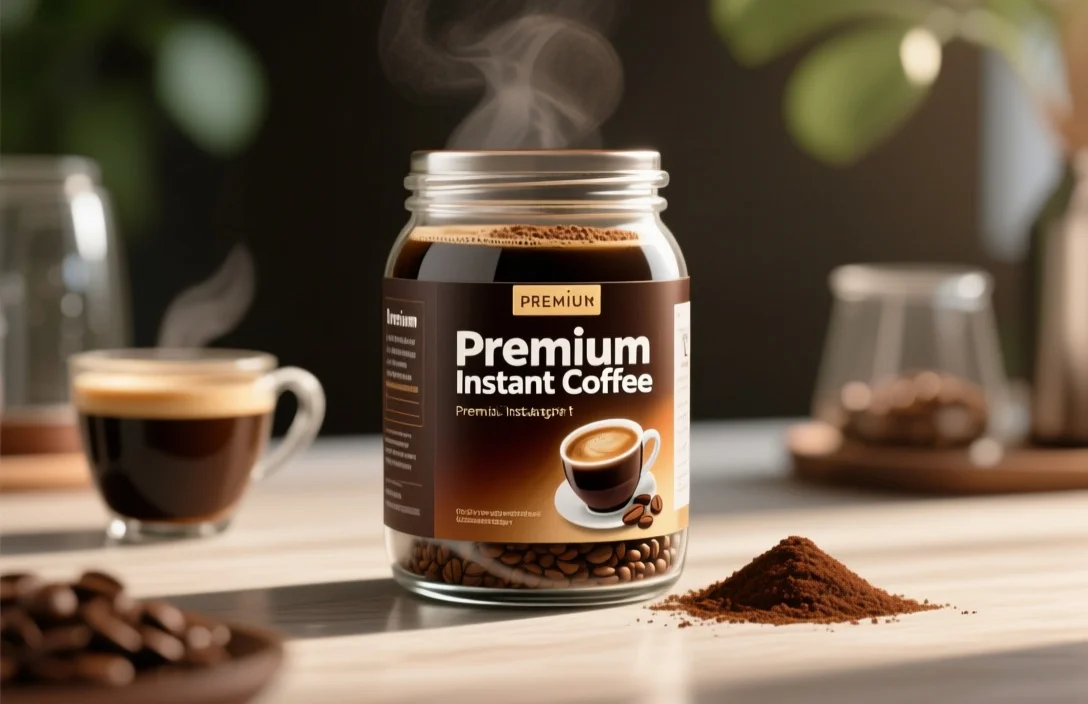
Premium instant coffee is instant coffee made and positioned to emphasize better raw beans, gentler processing, and improved solubility and flavor compared with commodity instant options. Read this guide to learn what genuinely separates premium instant from ordinary jars, how to evaluate labels, how to brew it for the best cup, and which situations make it the smarter choice.
How premium instant coffee differs from commodity instant
Premium instant coffee focuses on three elements that matter to taste: bean quality, processing method, and formulation. Producers targeting a premium positioning typically use higher-grade beans, often roast them in smaller batches, and select freeze-drying or fine micronization techniques that preserve volatile aromatics and produce more uniform granules.
Flavor retention depends heavily on the process. Freeze-dried instant preserves more volatile aroma compounds because the coffee is brewed into concentrate and frozen quickly before the water is removed under low pressure. Spray-dried options are less expensive to produce but tend to lose more aromatics due to the high-heat drying step. Some premium products use a hybrid approach or add a microground fraction to reintroduce body and mouthfeel.
Packaging and transparency are also distinguishing factors. Brands positioning as premium will often list origin or blend details, offer roast dates, and describe their process on the label. Packaging that minimizes oxygen exposure and light – are common for premium jars – helps protect those preserved aromatics longer than thin plastic tubs used for mass-market products.
why processing matters
Solubility and aroma are the two functional outcomes of processing that shape sensory perception. Solubility describes how readily the granules dissolve in hot or cold water. Finer particles and certain surface chemistries increase dissolution speed and reduce sediment; that translates to a cleaner cup and fewer undissolved flakes. Aroma retention tracks the volatile oils and compounds that make coffee smell like coffee; gentle extraction and drying preserve those compounds.
Roast profile influences which aroma molecules are present to start with. A light roast carries more floral and acidic aromatics, while a darker roast emphasizes caramelized, smoky notes. Processing must be matched to roast: lighter-roasted specialty beans risk losing delicate aromatics if subjected to aggressive high-heat drying. Experienced producers adjust brew strength, isolation of particulates, and drying curves to preserve roast-specific notes.
Finally, formulation choices affect mouthfeel. Microground coffee, sometimes added back into soluble blends, contributes body and crema-like texture that pure soluble solids lack. Additives such as natural extracts or soluble oils can recreate some of the sensory signals of brewed coffee, but those choices change the product category from pure instant to a formulated beverage.
how to read the label
Labels rarely spell out technical details plainly. Learn to read the clues. When a label or product description uses words such as “freeze-dried,” “crystal,” or “100% soluble,” that suggests the maker is emphasizing solubility and aroma retention. If the packaging calls out “micronized” or “microground,” expect a formulation that includes finely ground roasted and soluble particles for more body. If origin or roast date is listed, it signals a higher level of transparency.
Compare ingredient lists carefully. Pure instant will list only coffee. Formulated instant beverages may include natural flavors, soluble oils, or anti-caking agents. Certifications – organic, Rainforest Alliance, third-party quality seals – do not guarantee superior flavor, but they do indicate that the producer has invested in traceability or production standards.
Labels that reference crema, espresso-style, or barista blends usually point to a specific end-use: quick espresso-like shots or espresso-based drinks. Those products typically aim for a richer mouthfeel and may rely on microground particles or emulsified oils to simulate crema.
How common instant processing types compare
| Name | Price / Key Spec | Best For |
|---|---|---|
| Freeze-dried granules | Higher price tier; emphasizes preserved aromatics and fast solubility | Drinkers who value aroma, clarity, and convenience |
| Spray-dried powder | Lower price tier; made for long shelf life and economy | Situations where cost and shelf stability matter more than nuance |
| Microground / blended instant | Mid-to-high price; includes soluble solids + fine ground for body | Espresso-style or richer cups where mouthfeel matters |
| Soluble espresso blends | Mid-to-high price; formulated for crema and density | Quick milk-based drinks and concentrated shots |
Ranked by likely retail price tier and by typical intended sensory outcome, the table helps set expectations without relying on current price points.
what to look for in a purchase
Set explicit buying criteria before scanning shelves or online listings. Recommended criteria are origin transparency, processing type, roast information, ingredient simplicity, packaging quality, and available serving guidance. Prioritize origin and roast date if you care about nuanced flavor. Seek freeze-dried labels if aroma is your top priority. Choose microground blends when you want a thicker, espresso-like texture.
Packaging influences freshness as much as the product itself. Vacuum-sealed foil sachets and opaque glass jars protect aromatics better than clear tubs that let light in. Single-serve sachets reduce exposure to oxygen between uses, which preserves aroma over time. Brands that publish recommended dose ranges and water temperature guidance show that they expect customers to pursue a better cup.
Cost-per-serving matters, but avoid assuming higher price always equals better taste. A mid-range microground product can deliver a more satisfying cup for espresso-style drinks than an expensive, crystal-clear freeze-dried instant intended for straight black coffee.
How to brew premium instant coffee for the best results
Follow these steps to extract the most aroma and body from premium instant coffee.
- Measure: Use a scale or level spoon to dose the recommended amount.
- Heat: Bring water to just below boiling and let it rest for a few seconds to reach ideal temperature.
- Bloom: Add a tablespoon of hot water to the granules first, then stir to let aromas develop.
- Dissolve: Add the remaining water and stir briskly to ensure complete dissolution.
- Adjust: Taste and add small increments of coffee or water to reach your preferred strength.
- Texture: For a creamier cup, whisk or use a small handheld frother for 10-15 seconds.
- Serve: Consume promptly; aroma dissipates quickly once hot water is added.
Start with the manufacturer’s recommended dose if provided, then tweak by 10-20% to dial in strength. Water temperature influences extraction and aroma volatility – hotter water extracts faster but can diminish some delicate aromatics. If you prefer iced drinks, dissolve the coffee in a small amount of hot water first, then cool quickly with ice to capture more aroma.
when premium instant is the right choice
Frequent travelers, campers, or office workers without access to a grinder or brewer are typical beneficiaries. Premium instant gives a closer-to-brewed experience when weight, convenience, or equipment constraints exist. Use cases include quick black coffee at home when you need speed, hotel rooms without a coffee maker, or stair-step flavor consistency for batch service in small foodservice setups.
Small kitchens with limited counter space can benefit from premium instant as a way to enjoy single-origin flavors without dedicating space to a grinder. Busy mornings suit instant as well; premium products reduce the trade-off between speed and flavor compared with commodity options.
Common mistakes and how to avoid them
Many disappointing instant cups result from avoidable errors. Measure by weight when possible; eyeballing spoons produces inconsistent strength. Use water just off boil instead of scalding to preserve aroma. Stir vigorously to prevent undissolved particles that feel gritty on the tongue. Store opened containers in a cool, dark place and avoid repeated exposure to humid environments when using single-serve sachets.
Buying the most expensive jar on the shelf without reading the ingredients is another common misstep. Some premium-marketed products contain flavoring agents or emulsifiers that change the cup dramatically. Choose products that match how you drink coffee: straight black drinkers will notice clarity and aroma more, while latte drinkers care more about body and crema.
Storage, shelf life, and freshness signals to trust
Premium instant coffee remains stable longer than ground coffee because it lacks the volatile, oxygen-sensitive matrix present in roasted and ground beans. Packaged protection against oxygen and light directly correlates to how long packaging will preserve aroma. Tightly sealed sachets offer the best protection between opens, whereas opened jars lose aroma faster even if the solids remain technically safe to consume.
Look for visible roast or pack dates on packaging; those dates offer the best signal of freshness even if manufacturers don’t advertise a specific expiry period. Avoid buying a large container that will sit open for months if you drink only a cup or two per day. Smaller formats or sachets allow you to preserve aroma across time.
what you give up and what you gain
Premium instant sacrifices none of the portability that makes instant attractive, but it does impose trade-offs compared with freshly ground espresso or drip. You lose the micro-variability and crema behavior of a freshly extracted espresso made on-site, and some volatile aromatics are still reduced compared with a fresh brew. Gains include consistent cup-to-cup results, far greater convenience, and improved aroma and texture relative to commodity instant.
Budget constraints influence whether the trade-off makes sense. Some specialty-curated jars command higher retail prices than commodity options. Value-minded buyers should compare per-serving cost and select a format that matches their typical drink style: freeze-dried for black cups, microground for milk drinks.
How to test a product in one purchase
Conduct a quick home test to determine whether a premium instant product meets your expectations. Prepare two small cups using the manufacturer’s recommended dose and a second at 20% stronger. Taste for aroma intensity, body, bitterness, and aftertaste. Try the same tests with milk if you plan to use it that way. Repeat the same routine with a known commodity instant as a baseline. Keep notes on what you liked or disliked and whether the product met your convenience needs.
Sampling sachet packs, when available, minimize risk. Some brands sell small multi-pack samplers that allow side-by-side comparisons without committing to a full jar. Request or buy single-serve sachets before a larger purchase if your retailer offers them.
Common label claims and what they actually mean
Claim: “Single-origin” – Expect beans sourced from a single region or farm. Flavor will reflect terroir more than blended products.
Claim: “Barista blend” – Expect adjustments aimed at milk pairing: more body, less acidity, and possible microground additions.
Claim: “100% soluble” – Means the manufacturer intends the product to dissolve fully, but actual performance depends on particle size and user technique.
Claim: “No additives” – Confirms ingredient simplicity but does not guarantee roast quality or aroma preservation.
Read those claims as signals, not guarantees. Proven sensory results still depend on how you brew and how fresh the product is when opened.
what to read on the jar or product page
- Look for process words: freeze-dried, microground, or spray-dried.
- Check ingredient list for additives or oils.
- Scan for origin, roast date, or batch transparency.
- Confirm packaging type: sachet, foil pouch, glass jar, or plastic tub.
- Note suggested dosage and water temperature guidance.
- Prefer brands that document sourcing if single-origin character matters.
Apply those checklist items during shopping to keep choices practical and grounded in sensory priorities rather than marketing language.
FAQ
Does premium instant coffee taste like brewed coffee?
Premium instant can capture many aroma and body cues of brewed coffee, especially when using freeze-dried or microground blends and proper brewing technique. Expect a closer approximation in aroma and clarity than commodity instant, but not an exact match to freshly ground and brewed coffee.
Is premium instant coffee better for travel and camping?
Yes. The compact weight, lack of equipment, and consistent performance make premium instant a superior choice for travel or camping. Choose foil sachets or sealed single-serve packs to preserve aroma during transport.
Can I use premium instant coffee for espresso-based drinks?
Some premium microground or soluble espresso blends are formulated for espresso-style shots and pair well with milk. Verify the product description and test small doses to confirm strength and crema-like texture before assuming it will replace espresso.
How long does an opened bottle last?
Opened premium instant retains safe edibility for an extended period, but aroma diminishes with oxygen exposure and time. Store opened containers in a cool, dark place and transfer to airtight containers or finish the product within a practical timeframe dictated by your drinking pace.
Should I prefer freeze-dried or microground instant?
Choose freeze-dried if you prioritize aroma and clarity in a black cup. Favor microground blends if you usually drink lattes, cappuccinos, or want more mouthfeel reminiscent of espresso.
Are single-origin instant coffees worth it?
Single-origin instant offers distinctive flavor attributes that can be enjoyable for those who want terroir-driven notes without brewing gear. Value the transparent sourcing and roast information more than the claim itself.
Final verdict: Premium instant coffee narrows the gap between convenience and a satisfying cup by investing in better beans, gentler processing, and smarter packaging. Try a small-format purchase that aligns with how you typically drink coffee – black or milk-based – and use the brewing and storage tips above to judge whether the trade-off fits your daily routine. Start by choosing a freeze-dried or microground option matching your preferred drink style and test it across two brewing strengths to lock in your ideal dose.

- Espresso Tastes Watery? 10 Common Causes and How to Fix It - October 23, 2026
- 10 Common Coffee Equipment Cleaning Mistakes and How to Avoid Them - October 23, 2026
- 17 Common Coffee Grinder Problems and How to Fix Them - October 23, 2026