
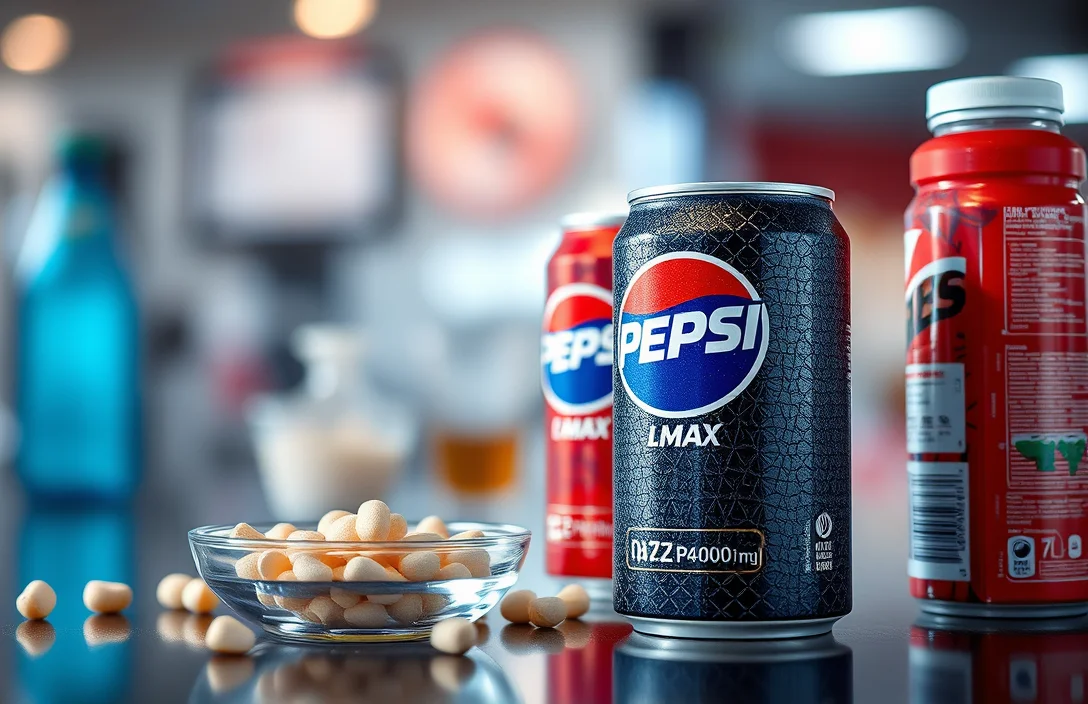
Pepsi Max contains approximately 69 milligrams of caffeine per 12-ounce can, making it a popular choice for those seeking a boost without the sugar. This amount is significantly higher than regular Pepsi, which has about 38 milligrams, appealing to caffeine enthusiasts.
Key points: Pepsi Max has 69 mg of caffeine in a 12 oz can, providing a stronger kick than regular Pepsi at 38 mg. Ideal for those who enjoy low-calorie beverages with a caffeine boost.
Pepsi Max Caffeine Content Explained
Pepsi Max contains 69 milligrams of caffeine per 12-ounce (355 ml) can. This caffeine level is significant compared to other soft drinks, making it a popular choice for those seeking a boost. Understanding these numbers helps consumers make informed decisions about their caffeine intake, especially when comparing it to other beverages.
Notably, caffeine acts as a stimulant, providing increased alertness and energy. Many people enjoy Pepsi Max for its bold flavor combined with the caffeine kick. The drink is marketed as a zero-calorie alternative, appealing to health-conscious consumers while still delivering on taste and energy.
Interestingly, the caffeine content in Pepsi Max is higher than that of regular cola, which typically contains around 30 to 40 milligrams per can. This difference makes Pepsi Max a favored option for those who want more caffeine without the added sugar and calories found in other sodas.
While enjoying Pepsi Max, moderation is key. Daily caffeine intake should generally be limited to about 400 milligrams for most adults. Therefore, consuming a couple of cans is manageable for most individuals, but awareness of overall caffeine consumption is essential for maintaining a healthy lifestyle.
Comparison of Pepsi Max and Regular Pepsi
Numbers show Pepsi Max packs about 69 mg of caffeine per 12 fl oz (355 ml), while regular Pepsi contains roughly 38 mg per 12 fl oz; that makes Max almost double the caffeine per standard can. Check label variations by country and look at mg per 100 ml when comparing different serving sizes and product names.
Practical tip: if caffeine sensitivity matters, favor regular Pepsi or smaller pours; use Pepsi Max when you want a higher boost but factor the near-double caffeine and avoid combining it with other caffeinated drinks. For exact local values search “pepsi max how much caffeine” on the manufacturer’s site and compare mg per serving.
Health Implications of Caffeine Consumption
Caffeine affects various health aspects significantly. Moderation is crucial, as excessive intake can lead to issues such as anxiety, insomnia, and increased heart rate. Most experts recommend limiting consumption to about 400 mg daily, equivalent to four 8-ounce cups of brewed coffee or approximately six cans of Pepsi Max. Monitoring intake helps maintain overall well-being.
Research indicates caffeine can enhance cognitive function. Improved alertness and concentration are common benefits, making it a popular choice for those needing a mental boost. However, individuals should be cautious, as overconsumption can cause jitters or decrease focus, counteracting the intended effects.
Physical performance also sees enhancement from caffeine. Athletes often consume it before workouts to increase stamina and reduce perceived exertion. This effect can be beneficial for endurance sports, but reliance on caffeine for performance may lead to withdrawal symptoms when not consumed regularly.
Sleep quality can suffer with high caffeine intake. Consuming caffeine too close to bedtime disrupts the sleep cycle, causing insomnia or restless nights. Limiting consumption to the morning or early afternoon helps mitigate sleep disturbances, ensuring restorative rest.
Pregnant women must exercise caution regarding caffeine consumption. Recommendations suggest limiting intake to 200 mg per day to reduce risks of complications. Consulting healthcare professionals can provide personalized guidance on caffeine and its effects during pregnancy.
Caffeine Levels in Other Popular Soft Drinks
Pepsi Max contains about 42 mg of caffeine per 330 ml can, so if you’re asking “pepsi max how much caffeine” that’s the typical figure. That level is higher than regular Pepsi and Coke, roughly equal to many diet colas, and substantially lower than energy drinks; expect a moderate stimulant effect from a standard can.
Compare it with these approximations: use per-can values to judge strength and pick alternatives accordingly.
| Beverage | Serving | Caffeine (approx.) |
| Pepsi Max | 330 ml can | 42 mg |
| Coca-Cola Classic | 330 ml can | 34 mg |
| Diet Coke | 330 ml can | 42 mg |
| Pepsi (regular) | 330 ml can | 33 mg |
| Mountain Dew | 330 ml can | 50 mg |
| Red Bull (energy) | 250 ml can | 80 mg |
Recommended Daily Caffeine Intake Guidelines
Adults limit caffeine to 400 mg per day. For most healthy adults this threshold reduces risk of sleep disruption, anxiety, and palpitations. Pregnant people should cap intake around 200 mg daily to lower miscarriage and low-birth-weight risk. Teens should generally stay under 100 mg, and young children should avoid routine caffeinated beverages.
- Measure all daily caffeine sources by noting milligrams on labels or using reliable databases; include coffee, tea, energy drinks, and sodas when totaling intake.
- Compare your total to the 400 mg adult ceiling and set personal lower targets if you have sensitivity, sleep issues, heart conditions, or are pregnant (200 mg recommended).
- Reduce intake by swapping one caffeinated drink for water or decaf, spacing remaining caffeine earlier in the day, and tracking servings so you stay within safe limits.
Analysis of Pepsi Max Ingredients
Caffeine content in Pepsi Max comes largely from its formulation. Each 12-ounce can contains approximately 69 mg of caffeine. This amount is significant compared to regular cola, making it a preferred choice for those seeking an energy boost without the calories.
Carbonated water serves as the base ingredient, contributing to the beverage’s refreshing quality. Sweeteners like aspartame and acesulfame potassium enhance the flavor without adding calories, allowing for a more concentrated caffeine experience without the sugar crash.
Natural flavors are included to create the familiar cola taste, though they do not influence caffeine levels. Phosphoric acid provides acidity, balancing the sweetness, while caffeine itself is added for its stimulating effects, making this drink appealing to consumers looking for an alternative to sugary sodas.
Knowing how much caffeine is in Pepsi Max helps consumers make informed decisions. Those monitoring their caffeine intake can appreciate its relatively high caffeine content, benefiting from its energizing properties without sacrificing their dietary goals.
Consumer Trends in Caffeine Preferences
Caffeine preferences in beverages are shifting. Many consumers gravitate toward drinks with lower sugar but higher caffeine levels, making choices like Pepsi Max increasingly popular. As health consciousness rises, the demand for sugar-free options that still provide an energy boost continues to grow. This trend reflects a broader movement towards functional beverages that contribute positively to daily wellness.
Market research highlights significant preferences among younger demographics. These consumers often seek out caffeine sources that align with their active lifestyles. With Pepsi Max containing a notable amount of caffeine, it appeals to those looking for a quick energy fix without the added calories. Brands that can successfully market their caffeine content attract attention in this competitive landscape.
Brand loyalty plays a critical role in consumer choices. Pepsi Max has cultivated a dedicated following due to its unique flavor profile combined with a caffeine kick. Engaging marketing strategies that emphasize its caffeine benefits help reinforce brand loyalty, particularly among those who prefer energy-boosting beverages. This connection influences purchasing decisions significantly.
Understanding caffeine consumption trends aids in predicting future market behavior. As consumers become more informed about caffeine content, beverages with clear labeling and transparency regarding caffeine levels will likely see increased sales. Companies that provide detailed information about their products will establish trust and credibility, positioning themselves favorably in the eyes of informed buyers.
Quick Summary
- Pepsi Max contains approximately 69 mg of caffeine per 12 oz (355 ml) serving.
- This caffeine content is higher than regular Pepsi, which has about 38 mg per the same serving size.
- Pepsi Max is marketed as a zero-calorie, sugar-free alternative to regular cola.
- The caffeine in Pepsi Max can provide an energy boost and enhance alertness.
- It is important to monitor total daily caffeine intake, especially for individuals sensitive to caffeine.
- Pepsi Max’s caffeine level is comparable to other diet sodas in the market.
- Always check the packaging for the most accurate and up-to-date caffeine content information.
Frequently Asked Questions
How much caffeine is in Pepsi Max?
Pepsi Max contains approximately 69 milligrams of caffeine per 12-ounce (355 ml) serving. This is about the same amount of caffeine found in a standard cup of coffee, making it a popular choice for those looking for a low-calorie beverage with a caffeine boost.
How does the caffeine content of Pepsi Max compare to regular Pepsi?
Pepsi Max has a higher caffeine content compared to regular Pepsi, which contains about 38 milligrams of caffeine per 12-ounce serving. This makes Pepsi Max a better option for those seeking more caffeine without the added sugar and calories.
Is the caffeine in Pepsi Max natural or synthetic?
The caffeine in Pepsi Max is generally derived from natural sources, such as coffee beans and tea leaves, although it can also be synthesized in a lab. Regardless of its source, the caffeine levels are standardized for consistency in flavor and energy.
Can I drink Pepsi Max if I’m sensitive to caffeine?
If you are sensitive to caffeine, it’s advisable to consume Pepsi Max in moderation due to its caffeine content. It’s important to monitor your overall caffeine intake from all sources, as too much caffeine can lead to side effects like jitteriness and insomnia.
Does Pepsi Max have any benefits due to its caffeine content?
Yes, the caffeine in Pepsi Max can provide a temporary boost in energy and alertness. Some studies suggest that moderate caffeine consumption can enhance cognitive function and physical performance, making it a popular choice among those needing an afternoon pick-me-up.

- Espresso Tastes Watery? 10 Common Causes and How to Fix It - October 23, 2026
- 10 Common Coffee Equipment Cleaning Mistakes and How to Avoid Them - October 23, 2026
- 17 Common Coffee Grinder Problems and How to Fix Them - October 23, 2026