
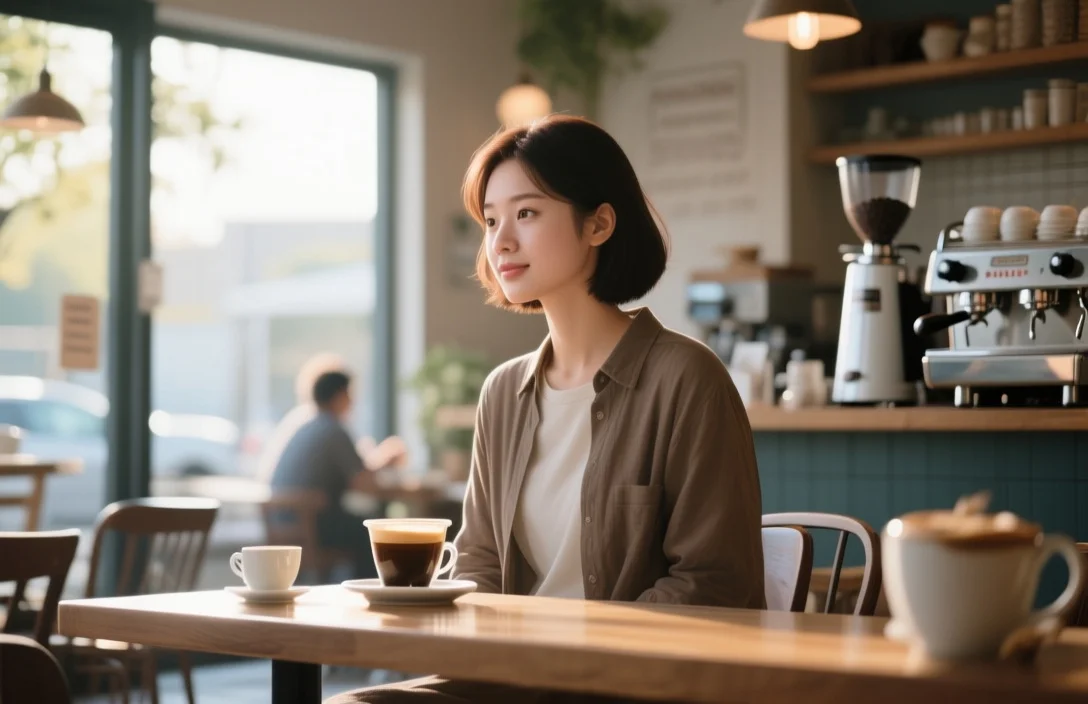
Morning cafe aesthetic captures a slow, sunlit start to the day built around coffee rituals, simple tableware, and warm textures. This guide shows which visual and sensory elements define the mood, which items to prioritize, and how to recreate the look at home or in photos.
What Morning Cafe Aesthetic Feels Like
Morning cafe aesthetic is a mood centered on quiet beginnings: muted natural light, uncluttered surfaces, and the small, deliberate actions that surround making and enjoying coffee. The feeling leans toward calm ritual rather than staged glamour, with an emphasis on tactile details like a linen napkin, a warm mug, and a newspaper folded at the edge of a wooden table. Many people describe it as intimate, unhurried, and lightly nostalgic.
I compared typical visual cues across interiors, flatlays, and lifestyle photography to isolate recurring elements that produce that sense of morning calm. Light quality, object scale, and the presence of half-finished moments – a spoon laid across a saucer, steam rising from a cup – are what separate a generic “cozy” photo from a true morning cafe aesthetic. Readers who want to recreate that mood should think in terms of rhythm, not perfection: the aesthetic thrives on implied motion and lived-in detail.
Core Components That Make the Look Work
Natural light is essential because it provides the soft shadows and warm highlights that read as “morning.” Wooden surfaces and warm-toned ceramics amplify that light, adding texture without visual noise. Textiles such as linen or lightweight cotton introduce subtle folds and creases that read as human presence rather than sterile design.
Coffee and food styling serve both a practical and visual role. Simple pastries, an exposed crumb, or a spoon resting in a cup communicate an active morning. Crockery choices matter: mismatched plates or vintage finds silently signal authenticity. Plants and small green accents offer contrast and freshness without competing with the main subject. Background sounds, though invisible in a photograph, are part of the lived experience; consider soft acoustic music, low conversation, or the hiss of an espresso machine when designing a real-space morning cafe vibe.
Lighting control and color temperature are core technical levers for photographers and decorators alike. Directional window light creates depth and highlights details such as latte art or grain in wood. Neutral-to-warm color palettes – think cream, beige, soft brown, and muted greens – keep the scene cohesive. Avoid saturated decor or busy patterns that pull attention away from the ritual itself.
Variants, Trade-offs, and Which One Fits You
Different takes on the morning cafe aesthetic prioritize different trade-offs: authenticity versus polish, warmth versus minimalism, or vintage character versus modern cleanliness. Selecting the right variant depends on your space, budget, and how you plan to use the aesthetic – as everyday living, a one-off photoshoot, or a small cafe concept.
Minimal Morning: Price/Key Spec – Low investment, focus on decluttering and light; Best For – Small apartments and minimalists who want calm, airy mornings.
Rustic Morning: Price/Key Spec – Mid-range investment, emphasis on reclaimed wood and textured ceramics; Best For – People who prefer tactile, handcrafted finishes.
Parisian Morning: Price/Key Spec – Variable investment, bistro-style furniture and delicate crockery; Best For – Readers aiming for a romantic, metropolitan vibe.
Modern Cafe: Price/Key Spec – Mid-to-high investment, streamlined furniture and specialty coffee gear; Best For – Creators and cafes with an emphasis on craft coffee and contemporary design.
| Name | Price/Key Spec | Best For |
|---|---|---|
| Minimal Morning | Low investment; declutter and maximize daylight | Small spaces, those who prefer airy, calm visuals |
| Rustic Morning | Mid-range; texture, reclaimed wood, handmade ceramics | People who want warmth and texture |
| Parisian Morning | Variable; bistro chairs, delicate tableware | Romantic, urban looks and editorial photos |
| Modern Cafe | Mid-to-high; clean lines, specialty gear | Coffee-focused creators and commercial cafes |
Comparing the four in practice reveals clear trade-offs. Minimal Morning reads as the easiest to maintain daily but can risk feeling bland without a strong focal object. Rustic Morning adds personality through materials but requires commitment to sourcing vintage or handmade pieces. Parisian Morning is more about furniture silhouettes and table settings, while Modern Cafe asks for investment in equipment and consistent styling.
How To Create a Morning Cafe Aesthetic at Home
Start with light control and layout. Move furniture near the best window in your space and arrange a small tabletop vignette that feels usable rather than staged. Place a cup, napkin, and a single pastry or open book so the scene suggests an ongoing activity.
Choose tableware that has some character. Mixed – not matching – pieces read as collected over time and strengthen the aesthetic. Pick textiles in natural fibers to soften the scene and introduce subtle wrinkles that read as lived-in.
Focus on small, repeatable rituals you can actually maintain. Make coffee with care, warm a mug before pouring, and keep a dedicated tray or small table for morning items so the setup becomes part of your routine instead of a weekend prop. Rotate a small set of favorite objects rather than changing everything at once.
Photograph with purpose if you want to capture the look. Aim your composition toward a clear subject, use shallow depth to blur background clutter, and let natural light fall across the frame. Capture motion – a hand reaching for a cup, steam curling up – to convey presence and time.
Keep practical maintenance in mind. Clean only what matters to the frame, tidy behind the scene quickly, and accept minor imperfection: a chipped saucer or an uneven table edge contributes personality rather than detracting from the effect.
Numbered checklist to get started:
- Move your table close to the window to maximize directional daylight.
- Select one neutral ceramic mug and one textured napkin as anchors.
- Add a single plant or small vase for contrast.
- Prepare a simple food item with visible texture (pastry, toast, fruit).
- Capture the scene during actual morning activity or simulate motion for photos.
Styling Clothes and Personal Presentation for the Aesthetic
Soft, comfortable clothing in neutral or muted tones supports the mood without stealing focus. Fabrics like cotton, wool knits, or linen read well in natural light and photograph cleanly. Layering is useful for creating gentle silhouettes – a cardigan over a shirt, for instance – that suggest the casual rhythm of a morning routine.
Accessories should be minimal and functional. A leather-strapped watch, a simple pendant, or a plain scarf offers subtle character. Bulky logos and bright patterns tend to clash with the restrained color palettes typical of the aesthetic. Shoes are rarely the focal point in morning cafe scenes; keep them simple or out of frame.
For photography, position subjects slightly off-center for a natural composition and encourage small, candid gestures. Hands in frame – holding a cup, flipping a page – add human scale and narrative. Hair and grooming that appear effortless rather than overly styled suit the mood best. Use soft backlight to create a slight rim highlight that separates the subject from background without adding drama.
Lighting techniques for portraits and candid shots rely on natural diffusion. Place the subject near a window but out of direct sun to avoid harsh shadows. Use reflectors or white surfaces to bounce light back into shadow areas when necessary. Avoid heavy artificial lighting unless mimicking daylight color temperature carefully.
Props, Furniture, and Where to Spend Your Money
Invest where it shows: table surfaces, ceramics, and a good coffee mug are high-impact items. A well-chosen table with visible grain will influence every photograph and daily use moment. Spend less on small decor that will be swapped frequently. Secondhand markets and thrift shops often yield unique ceramics and linens that fit the aesthetic at a low cost.
Furniture scale matters more than finish. Choose seating and tables that feel proportionate to the room; overly large pieces make intimate mornings feel awkward, while tiny furniture can look toy-like in photos. Prioritize a flat surface area for composing plates, cups, and small vases in a pleasing arrangement.
Lighting hardware is a practical buy if natural light is limited. A lamp with a warm-toned bulb and a diffuser can simulate morning light without looking artificial. Choose bulbs and shades that render color softly and avoid harsh directional fixtures that create strong, undesired shadows.
Organize a small kit of repeat-use props to streamline setups. Include one or two mugs, neutral napkins, a small wooden board for cutting or serving, and one plant or simple vase. Rotate items seasonally to keep the aesthetic feeling fresh while maintaining consistency.
Bulleted list of recommended items to prioritize:
- One solid, comfortable mug you actually use daily.
- A wooden surface or board with visible grain.
- Neutral linen napkins or hand towels.
- A small, reliable plant or single-stem vase.
- Simple flatware and one statement spoon or knife.
Photography and Social Media: Shooting the Aesthetic
Capture the aesthetic with intent rather than copying formulaic tropes. Frame for context: include background elements that suggest place – a chair, a window frame, or a stack of books – but keep them subdued. Use shallow depth of field to isolate subjects, and prefer natural light whenever available.
Experiment with angles. Overhead flatlays emphasize compositional geometry and are useful for food and tabletop storytelling. Three-quarter angles that include the table edge and a portion of the person create relational depth. Low angles that look up at a cup can be intimate but may reveal unwanted background clutter, so scout the scene first.
Color grading helps unify a series. Apply subtle warmth and slight contrast to enhance morning tones without pushing the image into stylized territory. Keep edits consistent across a series to preserve a coherent feed or portfolio look. Avoid heavy presets that flatten texture; the aesthetic relies on texture and nuance.
Plan for authenticity in captions and context. Brief notes about the ritual – the coffee origin, the book you’re reading, or the cookie recipe – reinforce the lived-in quality viewers expect. Use captions to convey a small narrative instead of only describing the image.
Common Mistakes and How to Avoid Them
Over-staging kills the lived-in feeling quickly. Arranging every item in perfect symmetry or removing all human traces produces a sterile image rather than a morning moment. Introduce a slight imperfection – a crumb left on a plate or a stirred spoon – to keep things believable.
Color overload distracts from the core mood. Bright cushions, neon packaging, or bold wall art can fracture the cohesive warmth typical of the aesthetic. Stick to a restrained palette and use a single accent color sparingly if needed.
Clutter behind the scene undermines careful composition. Background items that read as modern devices or bright logos pull viewers out of the intended mood. Hide or mute these elements when composing a shot or setting a table. Sometimes repositioning a chair by a few inches or draping a neutral textile over a visible object resolves the issue.
Ignoring ergonomics and everyday use reduces longevity. If a setup is impossibly fragile or time-consuming to rebuild every morning, it will be abandoned quickly. Optimize for objects and arrangements that survive daily use while still looking intentional.
Quick avoidance checklist:
- Avoid perfect symmetry; allow one or two asymmetries.
- Minimize bright colors and logos in the frame.
- Hide modern clutter or mute it with textiles.
- Choose durable props that handle daily use.
Where To Find Inspiration and How To Keep It Fresh
Look for inspiration in real places rather than only staged feeds. Small, independent coffee shops, local bakeries, and neighborhood bistros often provide the best cues for genuinely lived-in morning scenes. Notice lighting, how staff present food, and what people bring to their tables. Taking quick snapshots of places you visit will build a personal library of references.
Try creating a swipe file of photos, textures, and object details that consistently attract you. Rotate a small number of items from the file into your physical space to refresh the aesthetic without reinventing everything. Seasonal shifts – a different napkin color, a new plant, or a swapped mug – keep the look responsive to time while retaining core visual identity.
Music and scent matter for in-person experiences. Curate short playlists and select a mild, comforting scent like fresh coffee or a subtle bakery aroma for immersive mornings. These elements rarely appear in photos but anchor the feel in real life and make the aesthetic repeatable for guests or clients.
Keep experimentation low-cost. Swap a cup, change a plant, or test new lighting angles to discover what amplifies your mornings. Document what works in notes so successful setups become reproducible.
FAQ
How long does it take to set up a morning cafe aesthetic at home?
Most people can create a basic, repeatable setup in one morning by prioritizing light, a mug, a cloth, and a small plant or plate. Refinements for photography or a commercial space may take multiple attempts and small purchases over weeks.
Do I need to buy specialty coffee gear to achieve the look?
No. A well-loved mug, a simple pour-over or press, and care in presentation accomplish the aesthetic. Specialty gear helps if you want a more technical coffee-focused look but is not required.
Can the aesthetic work in small or windowless spaces?
Yes, but you must simulate morning light and minimize background clutter. Use warm artificial light with a diffuser, choose lighter surfaces, and stage a small vignette near the best available light source.
How do I avoid the “staged” appearance in photos?
Include small, candid movements or signs of life – a spoon mid-stir or a partly eaten pastry – and favor imperfect arrangements over perfectly aligned objects. Natural interaction is the easiest path to authenticity.
Which colors should I avoid for this aesthetic?
Highly saturated colors and neon tones typically clash with the soft, warm palette characteristic of the morning cafe aesthetic. White, beige, soft brown, muted green, and gentle blues stay cohesive.
Closing Thought
Choose one small change to try tomorrow morning – move your table toward the window, use a linen napkin, or photograph the scene during the first light – and build the aesthetic from that repeatable habit. A single, consistent ritual yields a more convincing and sustainable morning cafe aesthetic than wholesale redecorating.

- Espresso Tastes Watery? 10 Common Causes and How to Fix It - October 23, 2026
- 10 Common Coffee Equipment Cleaning Mistakes and How to Avoid Them - October 23, 2026
- 17 Common Coffee Grinder Problems and How to Fix Them - October 23, 2026