
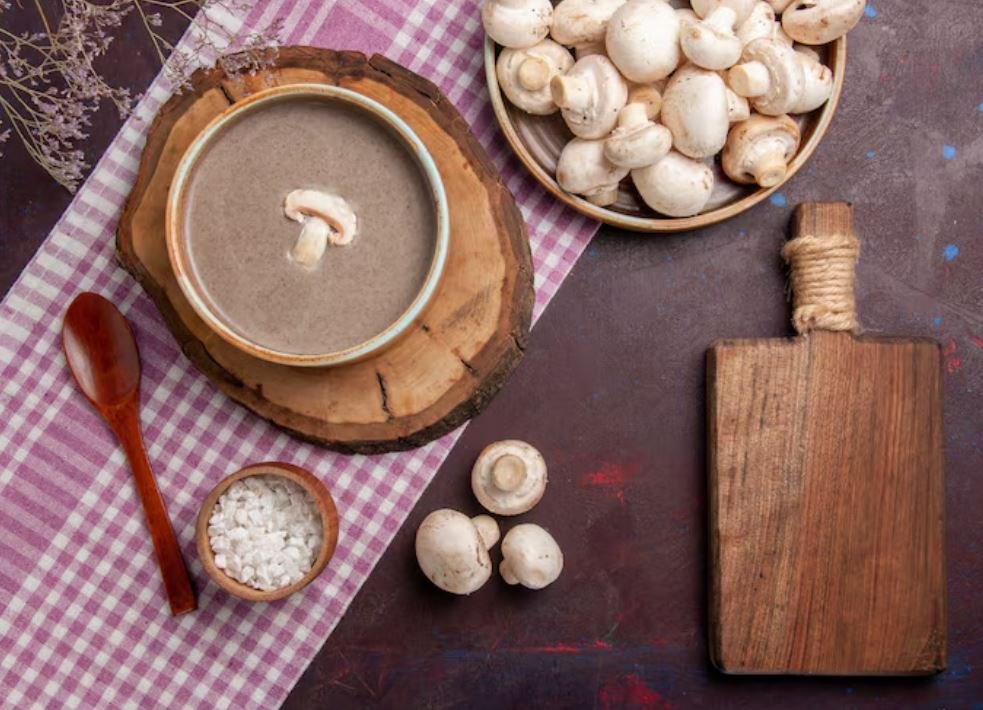
Mushroom coffee has surged in popularity as a “healthier” alternative to traditional brews, blending regular coffee with medicinal mushrooms like reishi, chaga, or lion’s mane. But as with any wellness trend, a critical question arises: is mushroom coffee bad for your liver?
The short answer is that, for most healthy individuals, mushroom coffee is generally considered safe and may even offer liver-supportive benefits. Certain mushrooms used in these blends have been studied for their antioxidant and anti-inflammatory properties, which can help protect liver cells from damage. However, not all products are created equal.
Factors such as ingredient quality, dosage, underlying health conditions, and interactions with medications can influence how your liver responds. In this article, we’ll explore the science-backed reality behind mushroom coffee, separating hype from evidence to help you make an informed decision about your daily cup.
1. What Exactly Is Mushroom Coffee?
The goal here is to demystify the product for someone who might be skeptical.
- Understanding the Blend: Coffee Meets AdaptogensExplain that this isn’t a cup of “mushroom soup.” It is usually a blend of instant coffee (or grounds) mixed with medicinal mushroom extracts, most commonly Lion’s Mane (for focus), Chaga (for immunity), and Reishi (for calm). Clarify that these are culinary/medicinal mushrooms, not psychoactive ones.
- Why It’s Gaining Popularity: Energy Without the JittersFocus on the “benefit” story. Users are drawn to it because the adaptogens allegedly “smooth out” the caffeine crash. Explain that the trend is driven by wellness enthusiasts looking for productivity without the anxiety of a caffeine overdose.
2. The Liver’s Role in Processing Supplements
You need to explain the “Why” behind the reader’s anxiety. This shows you understand human biology at a basic level.
- How Your Liver Metabolizes IngredientsKeep it simple: The liver acts as the body’s primary filtration plant. Everything you consume food, caffeine, supplements, medications—passes through the liver to be broken down. This is why people are right to ask about the liver; it is the “gatekeeper” of what enters your bloodstream.
- The Difference Between Food and Medicinal CompoundsExplain that while mushrooms like button mushrooms (used for pizza) are just food, extracts (the powdered form in coffee) are concentrated. This concentration means the liver has to work harder to metabolize them. It’s not necessarily “bad,” but it is a metabolic process that the body has to perform.
3. Is There Scientific Evidence of Liver Damage?
This is the most critical section for your credibility. Do not provide medical advice; instead, report on the state of current science.
- Examining Existing Studies on Common VarietiesReport that most research on medicinal mushrooms like Chaga, Reishi, and Lion’s Mane shows them to be safe for the vast majority of people when taken in standard doses. Mention that while there have been isolated case studies of liver issues with extreme supplement use, there is no broad clinical evidence suggesting that a standard cup of mushroom coffee causes liver failure in healthy adults.
- Separating Anecdotal Claims from Medical FactsAddress the “fear factor.” Explain that many of the scary headlines online come from people taking unregulated, mega-dosed herbal supplements, which is very different from drinking a cup of mushroom coffee. Use this space to pivot the reader back to moderation.
4. The Critical Factor: Quality Control and Sourcing
This is your best section for affiliate conversion. By educating the reader on why they need to buy high-quality products, you naturally set them up to trust your product recommendations.
- Why “Fillers” and Mycotoxins Are the Real ThreatExplain that the danger often isn’t the mushroom itself, but the filler in cheap brands. Many low-quality companies use “mycelium on grain” (essentially ground-up rice or oats that the mushroom grew on) rather than the actual mushroom fruit body. This leads to heavy metal contamination or mold (mycotoxins) if not processed correctly.
- The Importance of Third-Party Testing and COAsThis is your “Value Add.” Teach your readers to look for COAs (Certificates of Analysis). Explain that reputable brands send their coffee to third-party labs to prove there are no heavy metals or pesticides. Tell your readers: “If a brand won’t show you their COA, do not put it in your body.”
Pro-Tip for your Blogger Workflow:
For Section 4, this is where you can naturally insert your affiliate links. When you explain that “Quality matters,” add a sentence like:
“Because the supplement market is loosely regulated, I only personally use and recommend brands that provide transparent third-party testing, such as [Brand A] or [Brand B], because they publicly share their lab results.”
5. Potential Liver-Protective Benefits of Mushrooms

While much of the online conversation focuses on fear and potential toxicity, there is a fascinating flip side to the story: certain mushrooms have been used for centuries in Eastern medicine precisely because they are believed to support liver health. It is important to view these supplements with a balanced lens—neither as a miracle cure nor as a guaranteed toxin.
The Science Behind Adaptogens and Organ Health
Mushrooms like Reishi, Chaga, and Lion’s Mane fall under the umbrella of “adaptogens.” These are compounds that help the body manage stress—not just emotional stress, but oxidative stress at a cellular level. When your liver is overworked—due to alcohol, poor diet, or environmental toxins—it experiences oxidative stress, which leads to inflammation. Adaptogens may help modulate this immune response. Think of them as “thermostats” for your body’s stress response, potentially helping to lower systemic inflammation rather than adding to it.
How Reishi and Chaga Might Actually Support Liver Function

Among the mushroom kingdom, Reishi (Ganoderma lucidum) and Chaga (Inonotus obliquus) are the superstars of organ health. Reishi, often called the “mushroom of immortality,” is rich in triterpenoids, which some preliminary animal studies suggest may help protect the liver from chemical injury.
Chaga is packed with antioxidants, specifically melanin and superoxide dismutase (SOD), which help neutralize free radicals.
By neutralizing these free radicals, these mushrooms may reduce the “workload” on the liver, potentially aiding in its natural detoxification processes rather than hindering them. While these findings are promising, they highlight that for many, mushroom coffee isn’t about “fixing” the liver, but rather integrating beneficial compounds that have historically been associated with longevity and vitality.
6. Risks of Overconsumption
Even the healthiest substances can become problematic when consumed in excess. If you are worried about your liver, the “mushroom” part of the equation is often less risky than the “coffee” part or the “supplement stacking” behavior often seen in modern wellness culture.
Finding Your Limit: How Much Is Too Much?
The concept of “stacking” is a major risk factor. If you drink three cups of mushroom coffee, take a separate Lion’s Mane supplement, use a mushroom-based protein powder, and consume other herbal teas throughout the day, you are flooding your system with concentrated extracts. Your liver has a limit to how much it can process at once.
Most clinical studies on medicinal mushrooms suggest that moderate intake typically one to two servings of high-quality mushroom coffee per day—is well-tolerated by healthy individuals. The problem usually arises when consumers treat these extracts like food, ignoring the fact that they are potent, concentrated supplements.
Symptoms of Liver Overload to Watch For
Because the liver is a resilient organ, it rarely shows distress until it is significantly overwhelmed. However, if you are concerned about how your body is reacting to a new supplement routine, keep an eye out for warning signs that your digestion or detoxification pathways are struggling. Symptoms of potential liver stress or simple digestive intolerance can include:
- Unexplained, persistent fatigue.
- Persistent nausea or loss of appetite.
- Digestive distress (bloating, abdominal pain) that correlates specifically with your mushroom coffee consumption.
- Changes in urine or stool color (a more serious indicator that warrants immediate medical attention). If you notice these symptoms, the most prudent course of action is to stop taking the supplement immediately and consult your healthcare provider. It is better to be overly cautious than to ignore signals your body is sending you.
7. Pre-Existing Conditions and Interactions
This is the most critical section of this article. If you have any underlying health issues, “natural” does not automatically mean “safe.”
Can Mushroom Coffee Interfere with Medications?
Yes, it can. Medicinal mushrooms are not inert; they are biologically active. For example, Reishi is known to have mild blood-thinning properties. If you are already taking blood thinners (like Warfarin) or preparing for surgery, consuming mushroom coffee could potentially lead to complications. Furthermore, because these mushrooms act on the immune system, they could interact with immunosuppressive medications or corticosteroids. If you are currently taking any prescription medication, especially those for chronic conditions, you must clear the addition of a mushroom supplement with your doctor. They can determine if there is a known contraindication between your specific medication and the active compounds in the mushrooms.
When Should You Avoid Mushroom Supplements Entirely?
There are specific scenarios where the risks of mushroom coffee likely outweigh the benefits. This includes individuals with pre-existing liver disease (such as hepatitis or cirrhosis), as a compromised liver may not be able to process concentrated extracts safely.
Additionally, women who are pregnant or breastfeeding should generally avoid these supplements, as there is insufficient data on the impact of concentrated mushroom extracts on fetal development or milk composition. Always err on the side of caution. Your morning coffee should be a ritual of enjoyment, not a source of medical anxiety.
8. How to Choose a Safe Mushroom Coffee Brand
If you’ve weighed the evidence and decided that mushroom coffee is right for you, the final—and perhaps most important—step is quality selection. The mushroom coffee market is flooded with low-quality products. Your goal is to find a brand that prioritizes purity over profit margins.
Reading the Label: Fruit Body vs. Mycelium
This is the biggest secret in the mushroom industry. You want to see “100% Fruiting Body” on the label. Many cheaper brands use “mycelium on grain,” which is essentially the mushroom’s root system grown on oats or rice.
Because the mycelium cannot be easily separated from the grain, the end product is mostly starch—or “filler.” If you are paying for mushrooms but getting starch, you aren’t getting the benefits, and you are potentially introducing unnecessary fillers that your liver has to process. Look for brands that explicitly state they use the fruiting body (the actual mushroom cap/stem) rather than the root/grain mix.
Red Flags to Avoid When Shopping Online
Not all mushroom coffee is created equal. When researching brands, keep a checklist of “red flags.” If a brand triggers these warnings, keep looking:
- No Third-Party Testing: If a company does not provide a Certificate of Analysis (COA) or laboratory test results showing their products are free of heavy metals, mold, and pesticides, do not buy it. Transparency is the bare minimum requirement.
- “Proprietary Blends”: If the label says “proprietary blend” and hides the specific dosage of the mushrooms, you have no idea how much you are actually consuming. Quality brands will tell you exactly how many milligrams of extract are in each scoop.
- Added Sugars or Artificial Fillers: Check the ingredient list. It should be coffee and mushroom extract. If it includes long lists of additives, artificial flavors, or excessive sweeteners, it moves further away from a “health” product and closer to a standard dessert drink.
- Lack of Origin Transparency: Where are the mushrooms sourced? Reputable brands are proud of their sourcing, whether it’s from specific regions known for quality harvesting or strictly controlled organic farms.
By being a discerning shopper and focusing on brands that prioritize lab-testing and fruiting-body extraction, you significantly reduce the risks associated with supplementation and maximize the potential benefits of your morning cup.
Here are the final two sections for your blog post. These conclude the article by turning the information into an actionable routine, reinforcing trust, and driving your reader toward a safe, informed decision.
9. Establishing a Healthy Routine
You have learned that mushroom coffee isn’t a magic cure-all, nor is it the “liver-destroying” toxin that fear-mongering headlines might suggest. The key to health is consistency and moderation. If you have decided to incorporate it into your life, treat it like any other supplement: with intentionality.
Cycling Your Intake: Why Less Is Often More
Just like you might cycle your workouts to avoid overtraining, it is wise to “cycle” your intake of functional mushroom supplements. The body is an expert at adapting to new substances. If you consume the same potent extract every single day without a break, your body’s initial response—that “boosted” feeling—often fades, and you may find yourself increasing the dose to feel the same effect. To keep your system responsive and to give your liver a break from metabolizing concentrated extracts, try a simple routine: drink mushroom coffee for five days, then take two days off. This “weekend break” is a gentle way to ensure you aren’t overloading your system.
Balancing Traditional Coffee with Mushroom Blends
You don’t have to choose between your beloved morning latte and your mushroom supplement. Many people find success by “splitting the difference.” Use a half-caf or decaf coffee as your base and add a trusted, high-quality mushroom extract powder yourself. This gives you complete control over the dosage, allowing you to avoid the high caffeine content of standard coffee while still reaping the benefits of the adaptogens. It also makes it easier to track exactly what you are putting into your body.
10. The Verdict: Is It Safe for You?
At the end of the day, “safety” is personal. Your biology is not the same as the influencer’s on social media, nor is it the same as the subjects in an animal study.
Summary of the Current Research Landscape
The current consensus is optimistic but cautious: for the vast majority of healthy adults, high-quality mushroom coffee is safe and may even offer support for your immune system and stress response. The reports of liver toxicity that occasionally surface are almost universally linked to low-quality, contaminated products, excessive “stacking” of multiple supplements, or interactions with existing medications. There is no evidence that a standard, responsibly sourced cup of mushroom coffee poses a risk to a healthy, functioning liver.
Why You Should Consult Your Doctor Before Making a Change
While this guide provides the context you need to be a smarter consumer, it cannot replace medical advice. If you take blood thinners, immunosuppressants, or diabetes medication, or if you have a history of liver disease or autoimmune conditions, do not start a mushroom supplement routine without clearing it with your doctor. They know your medical history better than any blog post ever could.

- Espresso Tastes Watery? 10 Common Causes and How to Fix It - October 23, 2026
- 10 Common Coffee Equipment Cleaning Mistakes and How to Avoid Them - October 23, 2026
- 17 Common Coffee Grinder Problems and How to Fix Them - October 23, 2026