
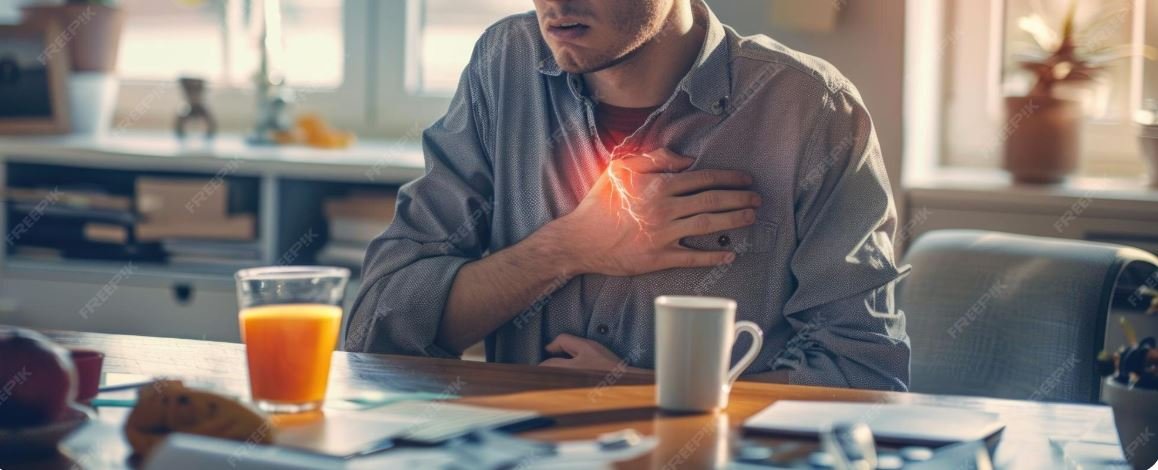
Coffee is one of the most popular drinks in the world and for many people, it’s a daily necessity. But if you’ve ever felt your heart racing or skipping a beat after a cup, you might wonder: can coffee actually cause irregular heartbeats?
The short answer is: it depends on your body, how much you drink, and your overall heart health. While moderate coffee consumption is generally safe for most people, caffeine can affect heart rhythm in certain individuals especially those who are sensitive to it or already have underlying conditions.
In this guide, we’ll break down what really happens in your body when you drink coffee and whether it’s something you should worry about.
What Are Irregular Heartbeats (Arrhythmias)?
An irregular heartbeat, medically known as an arrhythmia, occurs when your heart beats too fast, too slow, or unevenly. Normally, your heart follows a steady rhythm controlled by electrical signals. When those signals get disrupted, the rhythm can change.
Some arrhythmias are harmless and temporary, while others may require medical attention.
Common Types of Arrhythmias
- Atrial fibrillation (AFib): Rapid, irregular beating of the upper heart chambers
- Tachycardia: Heart beats faster than normal
- Bradycardia: Heart beats slower than normal
Symptoms of Irregular Heartbeats
You may not always notice an arrhythmia, but common symptoms include:
- A fluttering or pounding feeling in your chest (palpitations)
- Dizziness or lightheadedness
- Shortness of breath
- Chest discomfort
Occasional symptoms can be harmless but frequent or severe episodes shouldn’t be ignored.
How Caffeine Affects the Heart
Caffeine is a natural stimulant found in coffee, tea, and many energy drinks. Once you consume it, it quickly enters your bloodstream and affects your nervous system.
Role of Caffeine in the Body
Caffeine works by stimulating your central nervous system, which can:
- Increase alertness
- Boost energy levels
- Trigger the release of adrenaline (your “fight or flight” hormone)
This is why you feel more awake after drinking coffee—but it also explains why your heart may beat faster.
Does Caffeine Increase Heart Rate?
Yes, caffeine can temporarily increase your heart rate and blood pressure. For most people, this effect is mild and short-lived.
However, in some individuals, especially those who are sensitive to caffeine, it can lead to:
- Noticeable heart pounding
- A feeling of skipped beats
- Mild palpitations
These effects are usually temporary but they can feel alarming if you’re not expecting them.
Can Coffee Actually Cause Irregular Heartbeats?

This is where things get more nuanced.
For most healthy adults, moderate coffee consumption (about 1–3 cups per day) does not cause dangerous irregular heartbeats. In fact, some studies suggest coffee may even have protective heart benefits when consumed in moderation.
However, coffee can trigger symptoms in certain situations.
What Research Suggests
- Moderate caffeine intake is generally considered safe
- High doses of caffeine may increase the risk of palpitations
- Individual tolerance plays a huge role
In other words, coffee itself isn’t usually the direct cause of serious arrhythmias—but it can act as a trigger for some people.
Who Is More at Risk?
You may be more likely to experience irregular heartbeats from coffee if you:
- Already have a heart condition
- Are highly sensitive to caffeine
- Drink large amounts of coffee quickly
- Experience anxiety or panic attacks
For these individuals, even a small amount of caffeine can feel intense.
Coffee and Heart Palpitations: What’s the Link?
Many people confuse palpitations with dangerous heart problems but they’re not always the same thing.
Palpitations are simply the sensation of being aware of your heartbeat. It might feel like:
- Fluttering
- Racing
- Skipping beats
When Palpitations Are Harmless
In many cases, coffee-related palpitations are temporary and harmless. They can happen:
- Shortly after drinking coffee
- During stress or lack of sleep
- When you consume caffeine on an empty stomach
These usually go away on their own without treatment.
How Much Coffee Is Too Much?

Understanding your caffeine limits is essential for avoiding unwanted side effects, including irregular heartbeats. Health experts generally agree that moderate caffeine intake is safe for most adults, but “moderate” can vary depending on individual tolerance. Drinking coffee in excess can overwhelm your body’s ability to process caffeine, leading to symptoms like restlessness, anxiety, and heart palpitations. Paying attention to how much coffee you consume daily—and how your body reacts—can help you find a safe and comfortable balance.
Recommended Daily Caffeine Intake
- Up to 400 mg per day for most adults
Signs You’re Drinking Too Much Coffee
- Rapid or pounding heartbeat
- Nervousness or jitteriness
- Difficulty sleeping
- Increased anxiety
Tips to Prevent Coffee-Induced Heart Issues
If you enjoy coffee but want to avoid its negative effects on your heart, small lifestyle adjustments can make a big difference. You don’t necessarily need to eliminate coffee completely instead, focus on managing how and when you consume it.
By reducing your caffeine intake, choosing alternatives, and staying aware of your body’s signals, you can continue enjoying coffee without discomfort. Prevention is all about balance and understanding your personal limits rather than following strict rules that may not apply to everyone.
Reduce or Switch to Low-Caffeine Options
- Choose decaf or half-caf coffee
- Replace some cups with herbal tea
Monitor Your Body’s Response
- Track when symptoms occur
- Identify your tolerance level
Stay Hydrated and Balanced
- Drink enough water
- Avoid coffee on an empty stomach
When to See a Doctor
While occasional palpitations are usually harmless, persistent or severe symptoms should not be ignored. Your heart is a vital organ, and any ongoing irregularities in its rhythm deserve attention. A healthcare professional can help determine whether your symptoms are related to caffeine or an underlying condition. Early evaluation can provide peace of mind and prevent potential complications. If you’re unsure about your symptoms, it’s always better to seek guidance rather than assume they are harmless.
Warning Signs You Shouldn’t Ignore
- Ongoing irregular heartbeat
- Chest pain or tightness
- Fainting or severe dizziness
- Increasing frequency of symptoms
FAQs About Coffee and Heart Rhythm
Can one cup of coffee cause palpitations?
Yes, one cup of coffee can cause palpitations in people who are sensitive to caffeine. Caffeine stimulates the nervous system and may increase heart rate or trigger irregular heartbeats. Factors like stress, dehydration, medications, and existing heart conditions can also increase the chances of experiencing palpitations after drinking coffee.
Is decaf coffee safer for heart rhythm?
Decaf coffee is generally considered safer for people concerned about heart rhythm because it contains much less caffeine than regular coffee. Many individuals who experience palpitations from regular coffee tolerate decaf better. However, decaf still contains small amounts of caffeine, so very sensitive individuals should monitor their symptoms carefully.
Does quitting caffeine stop arrhythmia?
Quitting caffeine may reduce or stop arrhythmia symptoms if caffeine is the main trigger. However, not all arrhythmias are caused by caffeine. Underlying health conditions such as heart disease, stress, anxiety, or electrolyte imbalances may still require medical evaluation and treatment even after reducing or eliminating caffeine intake completely.
Final Verdict: Should You Stop Drinking Coffee?
Coffee doesn’t need to be eliminated for most people, even if you occasionally experience mild palpitations. The key is moderation and awareness. For healthy individuals, coffee is generally safe and may even offer benefits. However, if your body consistently reacts negatively, it’s wise to reduce your intake or explore alternatives. Listening to your body, staying within recommended limits, and consulting a doctor when necessary will help you enjoy coffee without compromising your heart health.

- Espresso Tastes Watery? 10 Common Causes and How to Fix It - October 23, 2026
- 10 Common Coffee Equipment Cleaning Mistakes and How to Avoid Them - October 23, 2026
- 17 Common Coffee Grinder Problems and How to Fix Them - October 23, 2026