
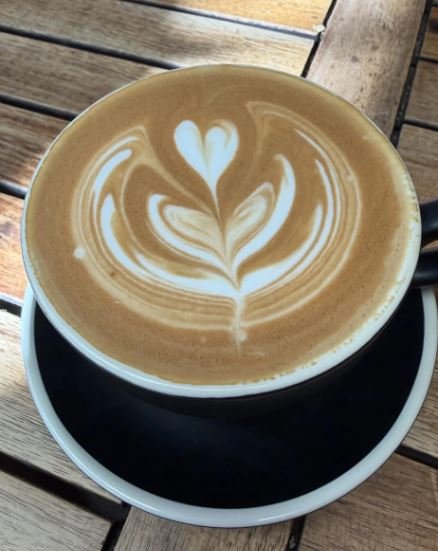
If you are wondering “Is Brisbane known for coffee?”, the short answer is yes. Brisbane has a strong and steadily growing coffee culture, supported by independent cafés, specialty coffee roasters, skilled baristas, and a café lifestyle that is deeply connected to everyday life in Queensland.
While Melbourne is generally regarded as Australia’s most famous coffee city, Brisbane has developed its own distinctive scene. Across neighborhoods such as West End, New Farm, Fortitude Valley, South Brisbane, and the Brisbane CBD, coffee lovers can find everything from traditional Australian espresso drinks to specialty single-origin beans and modern brewing methods.
Brisbane is particularly appealing to people who enjoy coffee in a relaxed environment. The city’s warm climate, outdoor lifestyle, brunch culture, and growing specialty-coffee community all contribute to its reputation as an increasingly important Australian coffee destination.
How Strong Is Brisbane’s Coffee Culture?
Brisbane has a well-established café culture and a growing specialty-coffee scene. Coffee is more than an occasional drink for many residents; it is part of the city’s morning routines, work breaks, weekend brunches, and social life.
Brisbane’s Growing Specialty Coffee Scene
Brisbane’s coffee scene has evolved significantly beyond basic takeaway coffee. Independent cafés and specialty coffee businesses increasingly focus on bean quality, roasting, espresso extraction, brewing consistency, and barista skills.
Specialty coffee has also introduced Brisbane customers to a wider range of flavors and origins. Instead of simply choosing between regular and decaffeinated coffee, customers may encounter:
- Single-origin coffee
- Specialty espresso blends
- Light, medium, and darker roast profiles
- Filter coffee
- Pour-over brewing
- Batch brew
- Cold brew
- Alternative milk options
- Seasonal coffee beans
This reflects a broader Australian trend in which consumers increasingly want to understand where their coffee comes from and how it is roasted and prepared.
Coffee as Part of Everyday Brisbane Life
One reason Brisbane has such a recognizable coffee culture is that cafés fit naturally into the city’s lifestyle.
A typical coffee experience might involve grabbing a flat white before work, meeting a friend for coffee and breakfast, or spending a weekend morning at a neighborhood café. Coffee and brunch have become closely connected, particularly in areas with independent restaurants and cafés.
The social side of coffee is important too. Brisbane cafés can function as places to:
- Meet friends
- Work remotely
- Have breakfast or brunch
- Take a coffee break
- Try new coffee beans
- Socialize with local communities
The result is a coffee culture that feels integrated into everyday Brisbane life rather than limited to dedicated coffee enthusiasts.
Why Brisbane Has Become a Coffee Destination
Brisbane’s reputation among coffee lovers comes from the combination of Australian coffee traditions and modern specialty-coffee practices.
The city offers a broad range of experiences. Someone looking for a traditional Australian flat white can usually find one easily, while a specialty-coffee enthusiast may prefer a carefully prepared pour-over or a single-origin espresso.
This variety is one of Brisbane’s biggest strengths. You do not have to be a coffee expert to enjoy the scene, but experienced coffee drinkers can also find plenty to explore.
What Makes Brisbane Coffee Different?
Brisbane does not have one particular coffee drink that defines the city. Instead, its identity comes from the way Australian coffee traditions, specialty roasting, independent cafés, and Brisbane’s relaxed lifestyle come together.
Australian Coffee Traditions
To understand Brisbane coffee, it helps to understand Australian café culture.
Popular drinks include:
- Flat white: Espresso combined with steamed, textured milk and a relatively thin layer of microfoam.
- Long black: Espresso served with hot water, producing a stronger and more concentrated drink than many traditional American-style coffees.
- Cappuccino: Espresso with steamed milk and a thicker layer of foam.
- Latte: Espresso with a larger proportion of steamed milk and a smooth layer of microfoam.
- Espresso: A concentrated coffee brewed by forcing hot water through finely ground coffee.
The flat white is particularly associated with Australian and New Zealand coffee culture and is a common choice for people exploring Australian cafés.
Specialty Coffee and Modern Brewing
Brisbane’s specialty cafés also cater to customers who want something beyond traditional milk-based espresso drinks.
Depending on the café, you may find brewing methods such as:
Pour-over: Hot water is manually poured through ground coffee and a filter, allowing the brewer to control variables such as flow rate and extraction.
Batch brew: Filter coffee prepared using a commercial brewer, making it possible to serve consistent cups efficiently.
Cold brew: Coffee grounds are steeped in cold or room-temperature water for an extended period, creating a smooth, chilled beverage.
AeroPress: A manual brewing device that uses pressure and immersion to produce a concentrated or filter-style cup.
These methods are particularly relevant to Brisbane’s specialty-coffee audience because they highlight the characteristics of different beans rather than relying entirely on milk and flavorings.
Local Beans and Fresh Roasting
Coffee quality begins long before a barista prepares an espresso. Green coffee sourcing, roasting, storage, grinding, and extraction can all affect the final cup.
Brisbane’s specialty coffee scene includes businesses that focus on freshly roasted beans and different roasting profiles. Coffee enthusiasts may encounter beans from producing regions such as:
- Ethiopia
- Colombia
- Brazil
- Guatemala
- Kenya
- Indonesia
The origin of a coffee can influence its flavor characteristics. For example, some Ethiopian coffees are associated with floral or fruit-forward notes, while Brazilian coffees are often known for chocolate, nutty, or balanced profiles.
However, origin alone does not determine quality. Processing method, variety, altitude, roasting, freshness, grinding, water quality, and brewing technique all influence the final taste.
Which Brisbane Areas Are Known for Coffee?
Brisbane’s coffee culture is spread across numerous neighborhoods rather than being concentrated in one location. This makes exploring cafés part of the experience.
West End
West End is one of the Brisbane areas worth exploring for independent cafés, restaurants, and a diverse local food culture.
Its creative and community-oriented atmosphere makes it a natural fit for specialty coffee. Visitors can combine coffee with breakfast, brunch, walking, or exploring the neighborhood.
For coffee lovers, West End is useful because it represents the kind of neighborhood café culture that has helped Brisbane’s coffee scene develop.
Fortitude Valley
Fortitude Valley offers a more urban coffee experience. The area is known for its restaurants, nightlife, shopping, and contemporary food scene, with cafés contributing to its daytime activity.
Coffee here can be part of a broader food-and-drink experience, from a quick espresso to a leisurely brunch.
New Farm and Teneriffe
New Farm and Teneriffe are also relevant areas for people interested in Brisbane’s café culture.
Their neighborhood atmosphere makes them suitable for café-hopping and relaxed coffee stops. These areas demonstrate how coffee culture extends beyond the central business district into Brisbane’s residential and lifestyle-focused communities.
Other Brisbane Coffee Neighborhoods
Coffee lovers can also explore areas such as:
- South Brisbane
- Brisbane CBD
- Paddington
- Woolloongabba
- Milton
- Newstead
The important point is that Brisbane’s coffee culture is geographically diverse. You do not need to stay in one district to experience the city’s coffee scene.
Is Brisbane a Specialty Coffee City?
Yes, Brisbane can reasonably be described as a specialty-coffee city, although Melbourne remains Australia’s more internationally famous coffee destination.
The growth of specialty coffee has changed what customers expect from a café. Coffee is increasingly treated as a craft involving sourcing, roasting, grinding, extraction, milk preparation, and presentation.
The Rise of Specialty Coffee in Brisbane
Specialty coffee focuses heavily on quality and traceability. Rather than treating coffee as a generic commodity, specialty businesses often pay attention to the characteristics of individual beans and producing regions.
Customers may see information about:
- Coffee origin
- Farm or producer
- Processing method
- Variety
- Roast profile
- Tasting notes
- Brewing recommendations
This creates a more educational coffee experience and gives Brisbane consumers opportunities to explore different styles.
The Role of Coffee Roasters
Coffee roasters play an important role in Brisbane’s specialty ecosystem.
Roasting transforms green coffee beans into the aromatic brown beans used for brewing. Roasters must consider factors such as bean density, moisture, origin, processing method, development time, and desired flavor profile.
The roast also affects how the coffee tastes. A lighter roast can preserve more distinctive origin characteristics, while a darker roast generally produces deeper roasted flavors.
For Brisbane coffee drinkers, access to different local and specialty roasters means there is greater variety in what can eventually appear on a café menu.
How Baristas Influence Brisbane’s Coffee Scene
A high-quality coffee bean still needs proper preparation.
Baristas influence the final cup through decisions involving:
- Coffee dose
- Grind size
- Water temperature
- Extraction time
- Brewing ratio
- Milk temperature
- Milk texture
- Espresso machine calibration
For espresso, even small changes in grind size or extraction can alter the balance between sweetness, acidity, bitterness, and body.
This is why barista skill is an important part of Brisbane’s modern coffee culture. The experience is not simply about having good beans; it is about turning those beans into a consistently enjoyable drink.
Third-Wave Coffee in Brisbane
The growth of third-wave coffee has further changed how specialty cafés approach the drink.
Third-wave coffee generally treats coffee more like a craft product, emphasizing:
- Origin
- Producer relationships
- Specialty-grade beans
- Roasting
- Brewing precision
- Sensory evaluation
- Transparency
Brisbane’s expanding specialty scene fits naturally into this broader movement.

- Unlocking the Venti: Discover the Perfect Shot Count for Your Drink - October 13, 2026
- Unpacking the Buzz: Caffeine Levels in Café Bustelo Espresso - October 13, 2026
- How to Fix Bitter Coffee: 10 Expert Ways to Improve the Taste - October 4, 2026