
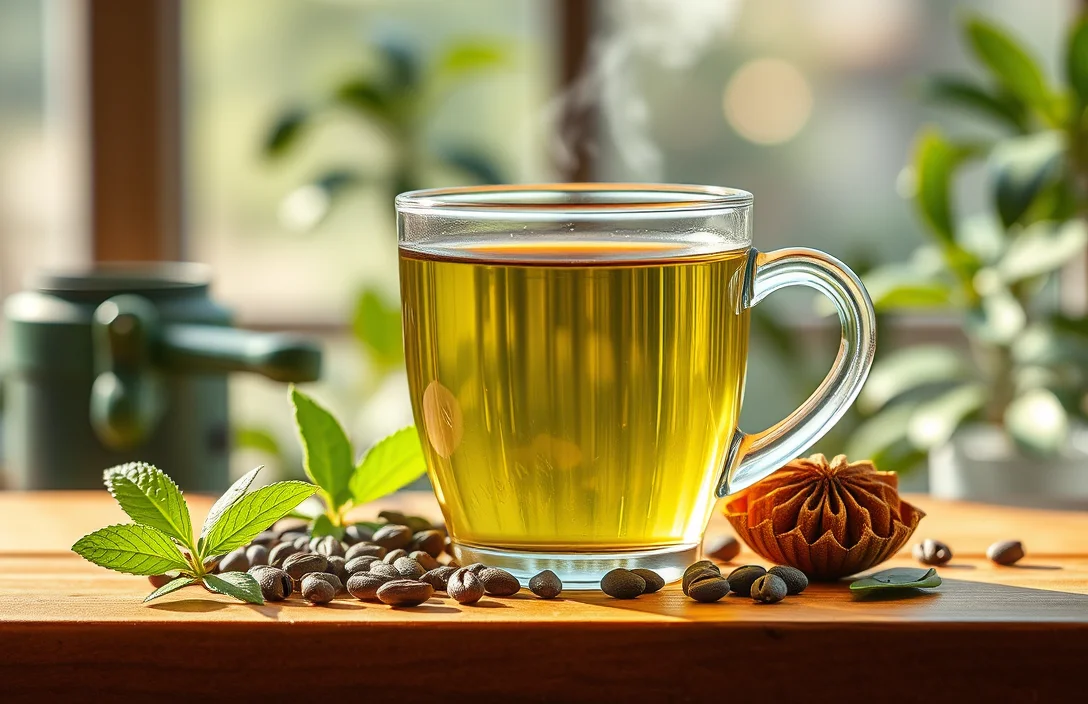
Arizona Green Tea contains about 15 mg of caffeine per 8-ounce serving, making it a lighter option compared to typical caffeinated beverages. Many consumers appreciate this balance, enjoying the refreshing taste without the jitters often associated with higher caffeine content.
Typically, Arizona Green Tea offers 15 mg of caffeine per 8 oz, while the Arizona Green Tea with Honey variant has 30 mg per 16 oz. This makes it a mild choice for a caffeine boost.
Caffeine Content Overview
Arizona Green Tea contains caffeine, essential for understanding its effects. Typically, a 16 fl oz can has about 30-50 mg of caffeine. This amount varies based on the specific product line, such as whether it’s brewed or made from concentrated extracts.
Comparatively, standard green tea contains roughly 20-45 mg per 8 oz serving. Knowing these values helps consumers gauge their caffeine intake while enjoying this popular beverage. Always check product labels for precise information, as formulations can change.
Recognizing the caffeine content is crucial, especially for individuals sensitive to stimulants. Consuming Arizona Green Tea in moderation can provide a refreshing boost without overwhelming side effects. Balancing your consumption with other caffeine sources ensures a comfortable experience.
Arizona Green Tea Ingredients
Arizona Green Tea primarily consists of green tea extract, sugar, and various flavoring agents. The green tea extract is responsible for the beverage’s base flavor and provides some caffeine content. Additional ingredients often include citric acid, natural flavors, and preservatives, contributing to the drink’s overall taste and shelf stability.
Green tea extract generally contains polyphenols, which are beneficial compounds associated with various health benefits. These antioxidants not only enhance the flavor but also contribute to the drink’s appeal among health-conscious consumers. The balance of ingredients ensures that the beverage remains refreshing while providing a moderate caffeine level.
Specific flavors, such as honey or ginseng, may be added for variety. These ingredients can slightly influence the overall caffeine content as well, depending on the formulation. Knowing the exact components helps consumers understand what they are consuming, especially regarding caffeine levels in Arizona Green Tea.
Label scrutiny is essential for accurate caffeine information. Always check the nutrition facts on the packaging to ascertain the specific caffeine content for the version you choose. This practice ensures you can make informed decisions based on your caffeine sensitivity and preferences.
Comparison with Other Teas
Caffeine content varies significantly among different types of tea. For instance, black tea typically contains about 40-70 mg of caffeine per 8-ounce serving, making it a stronger choice compared to Arizona Green Tea. In contrast, white tea has lower levels, often around 30-55 mg per serving, appealing to those seeking milder options.
Green tea generally offers a moderate caffeine level, ranging from 20-45 mg per 8-ounce cup. Arizona Green Tea falls within this range, providing a refreshing alternative for individuals looking to reduce their intake without sacrificing flavor. Comparatively, yerba mate delivers around 70 mg, a higher option for those needing a stronger boost.
Herbal teas stand out, as they usually contain little to no caffeine. Blends like chamomile or peppermint are excellent choices for evening relaxation. In contrast, if you prefer something with a bit more energy, exploring oolong tea can be beneficial, featuring caffeine levels between those of green and black teas.
Considering these variations, Arizona Green Tea is a suitable choice for casual drinkers who enjoy a light caffeine kick without overwhelming stimulation. This makes it ideal for those looking to balance taste and caffeine intake while enjoying a flavorful beverage.
Health Effects of Caffeine
Caffeine consumption can impact various health aspects significantly. Regular intake may enhance alertness and improve cognitive function. However, moderation is key to avoiding negative side effects such as anxiety or insomnia. Knowing how much caffeine in an Arizona green tea helps manage your daily intake effectively.
Increased heart rate is another common effect of caffeine. Elevated heart rates can occur after consuming caffeinated beverages, which may not be suitable for everyone, especially those with heart conditions. Monitoring your response to caffeine can inform better choices regarding your beverage selections.
Potential digestive issues might arise from excessive caffeine intake. Some individuals experience stomach upset or acid reflux after consuming too much. Listening to your body’s signals can guide you towards a healthier relationship with caffeinated drinks, including Arizona green tea.
Long-term effects of caffeine on health can vary. Research suggests that moderate consumption may offer protective benefits against certain diseases, including Parkinson’s and Alzheimer’s. Balancing your caffeine intake while enjoying beverages like Arizona green tea can contribute to overall well-being.
Serving Size Considerations
Measuring accurate serving sizes matters significantly for caffeine intake. Arizona Green Tea typically comes in various container sizes, including 8-ounce cans, 16-ounce bottles, and larger multi-serving containers. Each size influences the total caffeine content, directly impacting your consumption levels.
Knowing the caffeine content can guide your choices. An 8-ounce serving contains approximately 30-50 mg of caffeine, while a 16-ounce bottle may offer around 60-70 mg. Pay attention to these details for informed decisions about your daily caffeine consumption.
Tracking how much you drink helps avoid excessive caffeine intake. If you enjoy multiple servings throughout the day, cumulative caffeine can exceed recommended limits. Monitoring your consumption ensures you enjoy the beverage without unwanted side effects.
Portion control can enhance your experience. Opting for smaller servings allows you to savor the flavor without overloading on caffeine. This approach lets you enjoy Arizona Green Tea’s refreshing qualities while managing your intake effectively.
Decaffeinated Options
Many consumers seek caffeine-free alternatives to enjoy the refreshing taste of green tea without the stimulating effects. Brands like Arizona offer herbal or decaffeinated versions of their green tea, providing a similar flavor profile without caffeine. Checking labels is essential to ensure the selected product is marked as decaffeinated.
Available options include herbal blends that mimic the taste of traditional green tea. These alternatives often include ingredients like hibiscus or chamomile, delivering a satisfying flavor without any caffeine content. These choices cater to those sensitive to caffeine or looking to reduce their intake.
Label readings can help determine caffeine content. Most Arizona green tea products indicate their caffeine levels, allowing you to make informed decisions. By selecting decaffeinated varieties, you can enjoy the benefits of hydration and flavor without the jitters associated with caffeine.
Quality varies among brands, so it’s wise to sample different options. While Arizona green tea is popular, exploring other brands may yield delightful surprises. Taste preferences play a significant role, so don’t hesitate to experiment with various flavors until you find the perfect caffeine-free option.
Consumer Preferences
Flavor profiles significantly influence consumer choices regarding Arizona green tea. Many individuals prefer beverages that balance sweetness with a hint of bitterness, characteristic of green tea. This blend appeals to those seeking refreshment without overwhelming sugariness. Understanding taste preference helps consumers select options that align with their palate.
Ingredients also play a crucial role in decision-making. Consumers increasingly seek natural ingredients, leading to preferences for teas with fewer artificial additives. Many are now inclined to choose products labeled as organic or made from real tea leaves, enhancing the overall appeal of the drink. Transparency in ingredient sourcing builds trust and influences brand loyalty.
Health-conscious individuals often consider caffeine content when selecting beverages. While Arizona green tea provides a moderate caffeine kick, some consumers opt for lower-caffeine alternatives. Offering a variety of options can cater to diverse preferences and ensure satisfaction for those who are sensitive to caffeine levels.
Visual appeal impacts choices significantly as well. Attractive packaging and vibrant colors can entice consumers to try new flavors. Marketing strategies that emphasize the aesthetic qualities of the product enhance its appeal, driving purchases among those who value both taste and presentation.
Brand Variations
Analyzing caffeine content in Arizona green tea reveals interesting differences. Various flavors and formulations may contain different amounts. For instance, the classic green tea contains approximately 15 mg of caffeine per 8 oz serving, while the diet version may have slightly less due to its ingredients. Always review the nutrition label for specifics.
Comparing different product lines can unveil surprises. Arizona offers a range of teas, including fruity blends that might have altered caffeine levels. Flavor profiles can impact how caffeine is perceived, with some varieties providing a milder experience despite having similar caffeine content. Researching each option helps in making informed choices.
Checking the serving size is crucial. Many consumers overlook that the caffeine content is often calculated per specified volume. For those who enjoy larger servings, multiplying the caffeine content per serving can lead to higher total intake. Awareness of this can help manage daily caffeine consumption effectively.
Finding a balance is essential for enjoyment. Those sensitive to caffeine should consider lighter options or smaller serving sizes. Arizona’s green tea range offers choices catering to various preferences, ensuring that everyone can enjoy their beverage without exceeding their personal caffeine limits. Emphasizing moderation will enhance the overall experience.
Quick Summary
- Arizona Green Tea typically contains about 15 mg of caffeine per 8 oz serving.
- The caffeine content can vary slightly depending on the specific product or flavor.
- Arizona Green Tea is often marketed as a refreshing beverage with a lower caffeine content compared to coffee and energy drinks.
- Many consumers appreciate the blend of green tea with honey and other flavors for a unique taste.
- It’s a popular choice for those looking for a mild energy boost without excessive caffeine.
- Always check the label for the exact caffeine content as it can change with new formulations.
- Arizona Green Tea is often enjoyed cold, making it a popular summertime drink.
Frequently Asked Questions
How much caffeine is in Arizona Green Tea?
Arizona Green Tea typically contains about 15 mg of caffeine per 8 oz serving. However, this can vary slightly depending on the specific variety and formulation of the tea.
Is Arizona Green Tea considered low in caffeine?
Yes, Arizona Green Tea is considered low in caffeine compared to many coffee and energy drinks. For reference, an average 8 oz cup of brewed coffee can contain 95 mg of caffeine or more.
Does Arizona Green Tea have more or less caffeine than black tea?
Arizona Green Tea generally has less caffeine than black tea. An 8 oz serving of black tea can contain around 40-70 mg of caffeine, making Arizona Green Tea a milder option.
Can I find caffeine-free options of Arizona Green Tea?
Arizona does offer a caffeine-free herbal tea option, but their standard green tea products contain caffeine. Always check the label for specific details on caffeine content.
How does the caffeine content affect the taste of Arizona Green Tea?
The low caffeine content in Arizona Green Tea allows for a smoother and more refreshing taste, making it a popular choice for those who enjoy a milder flavor without the jitters that higher caffeine levels can bring.

- Espresso Tastes Watery? 10 Common Causes and How to Fix It - October 23, 2026
- 10 Common Coffee Equipment Cleaning Mistakes and How to Avoid Them - October 23, 2026
- 17 Common Coffee Grinder Problems and How to Fix Them - October 23, 2026