
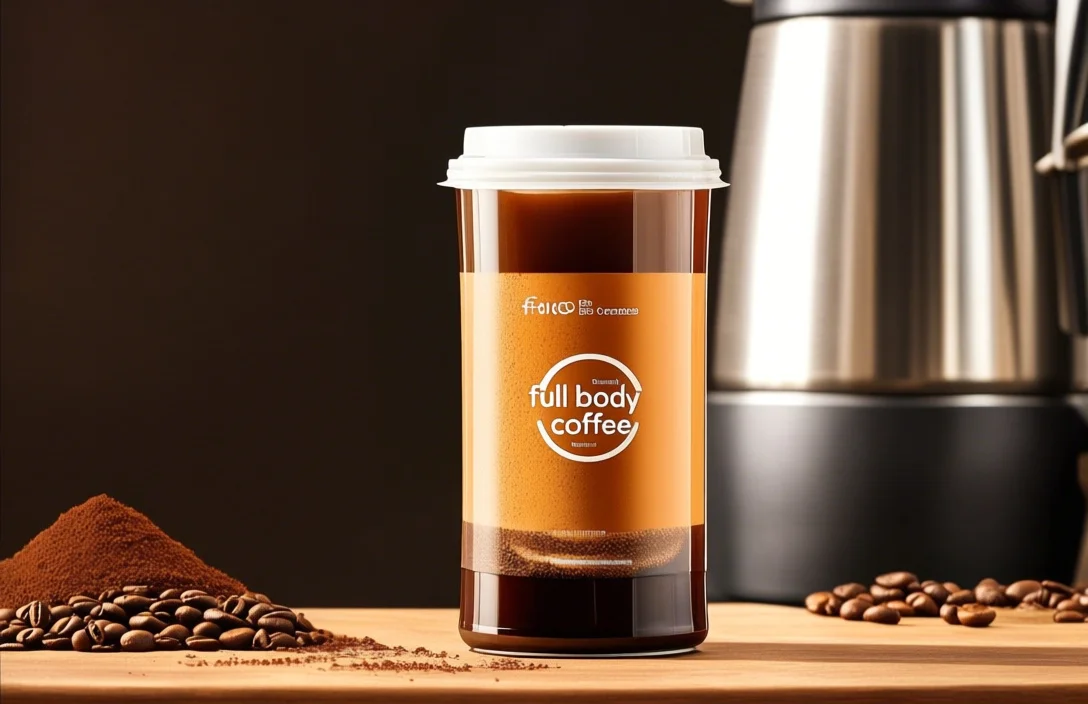
Full body coffee describes a brew that feels heavy and syrupy on the palate, with more tactile weight and mouth-coating compounds than a light-bodied cup. This article explains what “body” is, the variables that create a full body, and step-by-step choices you can make at the bean, roast, grind, and brew stages to get that texture reliably at home.
What “body” means in a cup of coffee
Coffee tasting uses “body” as a texture descriptor, similar to how people describe wine as light, medium, or full-bodied. Sensory panels and baristas judge body by how much the liquid coats the tongue and how long that sensation lingers, not by flavor intensity or bitterness alone.
Physical compounds – mostly oils, dissolved solids, and colloids – produce the mouthfeel we call body. Soluble solids come from the coffee itself and from extraction during brewing; oils originate in the bean and are released or retained depending on grind and brew method. Perception of body also depends on temperature and acidity: hotter cups and lower acidity often feel heavier.
The core mechanisms that create a full body
Extraction chemistry controls most of the body outcome. Soluble compounds extract at different rates: simple sugars and some acids wash into the cup early, while heavier polysaccharides and suspended solids take more agitation or contact time. These heavier molecules are what give coffee a syrupy or full-bodied character.
Roast profile modifies structure and oil content. Darker roasts often develop surface oils through longer heat exposure and cell-wall breakdown, increasing the free lipids that can contribute to mouthfeel. Origin and processing method set the baseline: some origins produce beans with naturally higher soluble solids or sugar profiles, and processing that leaves more mucilage (for example, certain natural and honey processes) tends to yield a thicker mouthfeel.
what to pick
Start with bean origin and processing because those choices create the most permanent body characteristics. Ethiopian naturals and some coffees from Brazil and Sumatra are commonly associated with fuller mouthfeel because of varietal sugars and processing methods that retain or concentrate mucilage. Washed coffees usually present cleaner acidity and a lighter body in comparison.
Roast level is a trade-off. Medium-dark to dark roasts often feel fuller because cell walls have broken down more and oils are more available. Lighter roasts can also produce surprising body when brewed properly, but they tend to emphasize acidity over mouthfeel. Single-origin beans highlight inherent body differences; blends can be composed to target body by combining a high-body origin with a brighter partner to balance acidity.
Choose beans that list processing and origin details on the bag. Look for terms like “natural,” “honey,” or regional indications known for syrupy textures. Buy fresh roast dates when possible and use beans within a few weeks of roast for the most consistent body.
Grind, dose, and water
Particle size and dose directly control how much of those heavier compounds get into the cup. Finer grinds increase surface area and extraction, which can liberate more dissolved solids and increase body up to a point. Overly fine grinds produce over-extraction and bitterness rather than useful viscosity.
Dose – how many grams of coffee per liquid volume – affects final concentration, which in turn affects perceived body. Higher dose produces heavier mouthfeel because more solids are present relative to water. Water temperature and chemistry play roles as well. Hotter water extracts more quickly and can pull more polysaccharides into solution; very soft water may under-extract while very hard water can mute some flavors but often increases perceived weight because of mineral content.
Practical adjustments to try:
- Increase dose slightly and grind one notch finer when you want more body without changing the bean.
- Raise water temperature by a few degrees to encourage extraction of heavier compounds when the cup tastes thin.
- Avoid too-fine grinds with immersion methods; a slightly coarser, steady contact often retains a pleasant body without bitterness.
how each affects body
After comparing common brew methods side by side, some patterns are clear: immersion methods and those that retain fines and oils produce fuller body; paper-filtered pour-overs remove more oils and fines, yielding a lighter body. The table below summarizes how popular methods influence mouthfeel and what they are best for.
| Name | How it affects body | Best For |
|---|---|---|
| French press | Retains oils and fines; yields heavy, syrupy body | People who want big mouthfeel and full flavor |
| Aeropress (inverted/long steep) | Can approach immersion; retains some fines depending on filter | One-cup experimentation and concentrated styles |
| Espresso | High concentration and emulsified oils; very full when dialed in | Compact, intense body; milk drinks |
| Moka pot | Produces concentrated, heavy-bodied brew with steam extraction | Strong stovetop espresso-like coffee |
| V60 / Chemex (paper) | Paper removes most oils and fines; lighter body and cleaner cup | Clarity of flavor, delicate acidity |
| Cloth-filter pour-over | Retains more oils than paper but filters fines; medium body | Cleaner than French press but fuller than paper methods |
| Cold brew | Long steep extracts polysaccharides and reduces acidity; smooth, thick mouthfeel | Low-acidity, mellow full body |
Choose a method based on the body level you prefer and whether you want clarity or weight. French press and espresso are the fastest routes to a full body; cloth filters and certain Aeropress recipes offer middle ground.
How to brew a full-bodied cup at home
- Select beans: Choose a naturally processed or medium-dark roast from an origin known for syrupy profiles.
- Measure precisely: Use a kitchen scale and increase dose slightly versus your usual brew ratio.
- Grind consistently: Grind slightly finer than your normal setting for immersion or medium-fine for espresso-style extractions.
- Control water: Heat water to a higher temperature if using pour-over methods; use hot, near-boiling water for immersion and espresso routines.
- Adjust contact time: For immersion methods, extend steep time by 30-60 seconds; for pour-over, slow the pour to increase contact time.
- Stir or agitate: Gentle stirring during steeping helps distribute fines and releases heavier compounds into the brew.
- Filter choice: Use metal or cloth filters to retain oils and fines; avoid paper if maximum body is the goal.
- Taste and tweak: If the cup is too thin, increase dose or steep time; if it’s bitter, back off grind or steep time.
Those steps prioritize yield of heavier dissolved solids while avoiding over-extraction. Keep notes. Tweak one variable at a time so you can tell which change produced the result.
how they change body
Adding milk or cream boosts perceived body dramatically by introducing fat and proteins that increase viscosity and coat the palate. Whole milk yields a fuller sensation than skim. Non-dairy milks vary widely in body impact; oat and full-fat coconut milk often provide the thickest mouthfeel among plant options.
Syrups and sugar increase sweetness and can create the impression of a thicker cup because sugars increase viscosity, especially at higher concentrations. Spices like cinnamon or cardamom add a perception of density without changing viscosity much. Choose additions deliberately: if your coffee is already heavy, thin milk or large amounts of acidifying syrup will flatten the texture; if the brew feels thin, add milk or a touch of simple syrup to fatten the mouthfeel.
Common mistakes that make coffee feel thin instead of full
Using a paper filter when you want body will strip oils and fines that add weight. Under-dosing or grinding too coarse produces weak extraction and a thin mouthfeel even from rich beans. Low water temperature reduces solubility of heavier polysaccharides.
Over-correcting with excessive dose or too-fine a grind creates bitterness, harshness, and astringency instead of pleasant body. Freshness matters: extremely fresh beans (less than a few days after roast) can sometimes produce uneven extraction because of trapped CO2; letting beans rest several days after roast often improves evenness and body consistency.
Watch these warning signs:
- Sharp, drying aftertaste suggests over-extraction.
- Watery front but heavy bitter finish suggests uneven extraction or too-fine grind.
- Flat, lifeless texture suggests under-extraction or incorrect water temperature.
Address problems by adjusting one variable at a time and logging results.
Storage and freshness
Proper storage preserves the compounds that create body. Store beans in an opaque, airtight container at room temperature away from heat, light, and moisture. Avoid the refrigerator; repeated temperature swings and odors damage oils and volatile compounds.
Grind only what you need when possible. Pre-ground coffee loses the volatile compounds that influence perception, and particle-size distribution in pre-ground bags often produces inconsistent extraction leading to thin cups. If grinding daily is impossible, buy smaller bag sizes and consume within a couple of weeks of opening.
Practical recipes and timings for common methods
French press recipe to maximize body:
- Measure: Use a heavier dose than usual.
- Grind: Coarse but consistent.
- Brew: Bloom briefly with a small amount of water, then add remaining water and stir; steep for slightly longer than typical (extend by 30-60 seconds).
- Press: Descend slowly and serve immediately to avoid over-extraction.
Espresso-style approach for heavier mouthfeel:
- Dose: Use a higher dose and tamp consistently.
- Grind: Fine, but avoid extreme fineness that chokes the machine.
- Shot: Aim for a slightly longer extraction time to emulsify oils, watching for excessive bitterness.
Aeropress inverted, full-body recipe:
- Grind: Medium-fine.
- Water: Near-boiling.
- Method: Invert, add coffee and water, stir for 30-45 seconds, extend total steep to 90 seconds, flip and plunge slowly through a metal filter or paper if moderation is needed.
Cold brew for a smooth full body:
- Coffee: Coarsely ground, heavy dose.
- Water: Room-temperature or cold.
- Steep: 12-20 hours depending on desired concentration.
- Filter: Use a fine mesh to remove sediments while retaining some suspended solids.
Those recipes are starting points. Tweak dose and time to match your beans and taste.
Choosing beans and roasters: shopping strategy
Buy from roasters who publish roast dates and processing details. Ask roasters about natural or honey-processed lots and origins known for body, and request tasting notes focused on mouthfeel rather than only flavor adjectives. Trial small bags of different origins to build a reference library of how your equipment and palate respond.
If you have a local café you trust, sample whole-bean bags brewed by their house methods; match the bag’s brew style to your home equipment. Consider subscription boxes that let you rotate origins and process types until you find producers whose beans consistently give the body you prefer.
FAQ
What does “full body” actually taste like?
A full-bodied coffee feels heavy and coating on the tongue. Tasting notes often describe it as syrupy, rich, round, or viscous rather than thin or watery.
Can light-roast beans ever produce full body?
Yes. Proper grind, dose, and brew method can draw out body from light roasts, but they usually emphasize acidity and brightness, so achieving the same weight as a darker roast may require technique adjustments.
Will switching to a metal filter make my coffee full-bodied?
Switching to metal or cloth filters typically increases body because those filters let oils and some fines pass into the brew. Expect fuller mouthfeel compared with paper filters.
How much does water chemistry affect body?
Water chemistry influences extraction and perceived mouthfeel. Hardness and mineral content can increase perceived weight, while very soft water may produce cleaner but thinner cups. Fine-tune if you suspect water is the limiting factor.
Does adding milk hide defects while increasing body?
Milk can mask some acidity and bitterness and will boost perceived body through fat and protein. Rely on milk only when you want a heavier cup or to make a slightly thin brew more satisfying.
Practical verdict and next
If you want a reliably full-bodied cup, start by choosing beans with natural or honey processing and a medium-dark roast, switch to a metal or cloth filter or try immersion methods like French press, and adjust dose and grind finer in small increments while keeping a brewing log. Try one recipe above for a week, record the results, and change only one variable at a time so you can isolate what actually moved the needle.

- Espresso Tastes Watery? 10 Common Causes and How to Fix It - October 23, 2026
- 10 Common Coffee Equipment Cleaning Mistakes and How to Avoid Them - October 23, 2026
- 17 Common Coffee Grinder Problems and How to Fix Them - October 23, 2026