
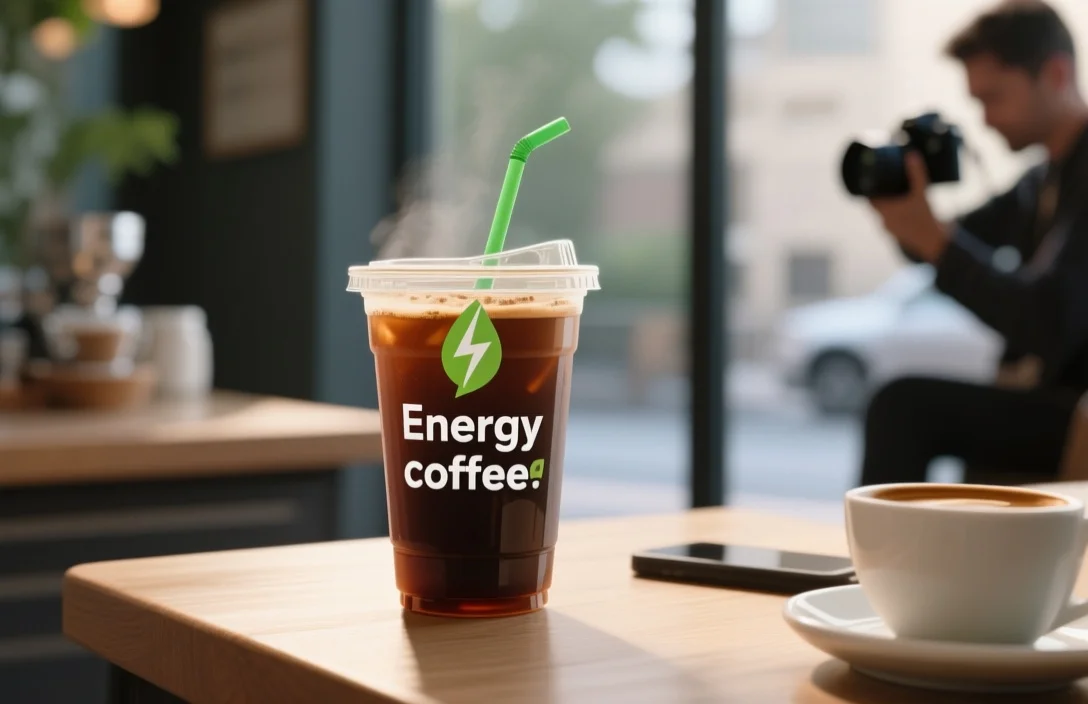
Energy coffee drinks mix brewed coffee with added stimulants, sweeteners, or functional ingredients intended to increase alertness. Use them when you need a portable, ready-made boost, and always check the product label for total stimulants and serving size before drinking.
What energy coffee drinks are (direct answer)
Energy coffee drinks are ready-to-drink beverages that combine coffee or coffee extract with additional ingredients marketed to enhance energy, focus, or endurance. Common additions include extra caffeine, amino acids or “energy” compounds, B-vitamins, sweeteners, and flavorings. Many products are sold in single-serve cans or bottles and positioned between traditional bottled coffee and non-coffee energy drinks.
How energy coffee drinks differ from regular coffee
Caffeine remains the primary active ingredient that they share with brewed coffee, but formulation and presentation separate the two. Packaged energy coffee drinks often standardize a single serving so the perceived effect is more predictable than a variable-strength cup from a shop or home brewer. Marketing will typically emphasize faster onset, longer duration, or additional functional ingredients such as B-vitamins, L-theanine, or taurine.
Packaging and delivery affect use-case as well. Bottled or canned energy coffee is portable and shelf-stable, which makes it convenient for commutes or workouts. Single-serve strength and added flavorings usually mean the taste profile differs from freshly brewed coffee; many brands add sweeteners or natural flavors to broaden appeal. Check labels closely if you prefer minimal processing or lower sugar content.
Ingredients you’ll see and how they work
Caffeine: Caffeine is the stimulant consumers rely on for alertness. It works by blocking adenosine receptors in the brain, which reduces the sensation of sleepiness and can sharpen reaction time and focus. Labels will sometimes list caffeine sources (coffee extract, green coffee bean, synthetic caffeine) or simply “caffeine.”
Sugars and sweeteners: Sugars provide immediate glucose for muscles and brain cells and change perceived energy, while non-caloric sweeteners replicate sweetness without calories. Both influence calories and glycemic load, and several brands offer sugar-free versions aimed at reducing calorie intake.
Amino acids and auxiliary stimulants: Ingredients such as taurine, guarana, or yerba mate are common in energy formulations and may act as mild stimulants or neuromodulators. L-theanine is sometimes paired with caffeine to soften jittery effects and promote a calm alertness.
Vitamins and electrolytes: B-vitamins appear frequently in energy formulations because they participate in cellular energy pathways; electrolyte additions target hydration for active consumers. These ingredients do not generate stimulative effects on their own but aim to support metabolism or recovery.
Proprietary blends and flavors: Many cans list “proprietary blends,” which can obscure precise amounts of individual components. Natural and artificial flavors and carbonation level also shape the sensory experience and convenience.
Types of energy coffee drinks and when each works best
Retailers and coffee companies use several formats for energy coffee drinks. Selecting the right type depends on your priorities: portability, natural ingredients, low sugar, or targeted performance. The table below compares the common categories, described without brand-specific claims so you can map label facts to your needs.
| Name | Price / Key Spec (typical) | Best For |
|---|---|---|
| Ready-to-drink canned coffee with added stimulants | Mid-range per can; shelf-stable; flavored or plain | Commuters who want convenience and a predictable boost |
| Cold-brew based energy coffee | Slightly premium positioning; smoother taste; often lower acidity | People sensitive to acidity who want sustained caffeine release |
| Sparkling or carbonated coffee-energy blends | Mid-range; flavored and fizzy; often sweetened | Those who prefer a soda-like mouthfeel and quick refreshment |
| Coffee “shot” concentrates | Low volume; concentrated caffeine and additives | Users who need a quick, high-impact dose before a short task |
| Coffee-plus-formula (functional ingredients) | Varies; includes adaptogens, nootropics, or high-B-vitamin blends | Consumers seeking targeted cognitive support or endurance |
How to pick the right product for your routine
Decide what matters most: convenience, flavor, low sugar, natural ingredients, or targeted effects. Compare labels for total stimulants and serving size, then match that total to your tolerance and schedule. Choose sugar-free or low-sugar options if you track caloric intake or want to avoid metabolic spikes. Select cold-brew-based products if you find cold-brew easier on your stomach.
Shop with an eye toward transparency. Products that disclose exact caffeine content and ingredient amounts let you compare across brands. If you see “proprietary blend” without detail, treat that as a warning sign and favor products that list ingredient amounts per serving.
How to read labels and compare energy coffee drinks
- Read the serving size and servings per container first. Servings can be smaller than the whole bottle or can.
- Locate total caffeine per serving. If the label lacks a number, check the brand FAQ online or avoid the product.
- Scan ingredient order: ingredients are listed by weight; the first items are the dominant components.
- Watch for “proprietary blend” and check whether caffeine totals are shown elsewhere on the label.
- Check sugar and total carbohydrate values if calories or glycemic effects matter.
- Note sweeteners and flavors – artificial sweeteners, erythritol, stevia, and sugar alcohols differ in aftertaste and digestive effects.
- Identify added vitamins or herbal actives and research any unfamiliar ingredient before regular use.
- Verify allergen statements and any claims about being “natural” or “organic” if that aligns with your preferences.
- Inspect the expiration or best-by date; shelf-stable cold-brew can retain flavor longer than freshly brewed coffee.
- Compare price per usable serving rather than per bottle if a container has multiple servings.
Health considerations and who should avoid them
Pregnancy and breastfeeding: Pregnant and breastfeeding individuals should be cautious about stimulant intake. Check the product label and consult a healthcare professional before regular consumption.
Heart conditions and arrhythmias: People with cardiac conditions or heightened sensitivity to stimulants should avoid or limit products that combine multiple stimulants. Cardiovascular responses vary and can include palpitations or elevated heart rate.
Adolescents and children: Energy products are usually formulated for adult use. Avoid giving stimulant-containing beverages to minors unless a pediatrician approves.
Medication interactions: Some herbal compounds and vitamins can interact with prescription medications. Ask a clinician or pharmacist if you take regular medication.
Mental health considerations: Elevated stimulant intake can aggravate anxiety, panic disorder, or sleep disturbances. Reduce or avoid energy products if you notice increased anxiety symptoms.
Timing, tolerance, and safe use practices
Space stimulant-containing beverages from bedtime. Drinking late in the day can postpone sleep onset and reduce sleep quality, which compounds the need for stimulants the following day. Rotate intake and avoid stacking multiple stimulant-containing products (example: energy coffee plus a supplement with additional caffeine) during the same period.
Build tolerance slowly if you plan regular use. Increased tolerance can blunt desired effects and prompt higher consumption, which raises the risk of side effects. Track your response over a week to establish a personal baseline for effective serving amounts and frequency.
Hydration and meals matter. Consuming energy coffee drinks on an empty stomach can produce stronger gastrointestinal or jittery effects for some people. Pair drinks with food or a protein source if you experience stomach upset.
what to try first
- Check the serving-size caffeine number and choose a product with an amount that fits your known tolerance.
- Start with half a serving if you’re trying a new product or a new combination of ingredients.
- Avoid mixing energy drinks and alcohol due to masking of impairment and increased dehydration risk.
- Keep a short diary for a week noting time of consumption, effects, and any side effects to refine your personal strategy.
- For daytime performance, prioritize earlier consumption and allow several hours between last stimulant and bedtime.
DIY energy coffee options (recipes and method)
Preparing your own energy coffee lets you control ingredients and dosage. Use these recipes to replicate common store-bought profiles while keeping label transparency.
Recipe 1 – Simple morning boost
- Brew a double-strength coffee or a concentrated cold-brew.
- Stir in a teaspoon of MCT oil or a tablespoon of milk for mouthfeel.
- Add a small pinch of salt and a dash of cinnamon for flavor.
- Sweeten to taste with sugar or a low-calorie sweetener.
Recipe 2 – Calm alertness (café-style)
- Prepare brewed coffee and let cool slightly.
- Add L-theanine powder per product instructions or a beverage supplement that pairs L-theanine with caffeine.
- Mix thoroughly and serve over ice or heated gently.
Recipe 3 – Pre-workout coffee shot
- Brew a concentrated shot of espresso or a small-volume cold-brew.
- Mix with a flavored B-vitamin shot or a commercial electrolyte mix if needed for performance.
- Consume 15-30 minutes before moderate exercise.
Safety note: Measure all added supplements according to manufacturer guidance and check for contraindications. Homemade blends hide the same risks as commercial products when dosage is unknown.
Common mistakes and warning signs to avoid
Mistake: Assuming “coffee” equals low stimulant dose. Packaged energy coffee may add sources of caffeine beyond the coffee itself. Double-check the total stimulant content rather than assuming parity with a cup of brew.
Mistake: Ignoring serving size. Some bottles contain multiple servings but label nutrition per serving, not per container.
Mistake: Stacking stimulants. Combining an energy coffee with a strong pre-workout, another energy drink, or high-dose caffeine supplements increases side-effect risk.
Mistake: Overlooking non-caffeine actives. Ingredients like guarana or yerba mate add caffeine equivalents and raise total stimulant load.
Warning sign: New or worsening chest pain, severe palpitations, fainting, or confusion after consuming a stimulant product. Seek immediate medical attention for these symptoms.
Warning sign: Sleep difficulty or persistent anxiety following typical servings. Cut back and consult a healthcare professional if symptoms persist.
what to expect
Prices vary by retailer, package size, and whether a product is positioned as premium or mass-market. Many energy coffee drinks are sold singly at convenience stores, in multipacks at grocery stores, and online. Value often depends on the price per usable serving and whether the container contains one or multiple servings. Expect to pay more for cold-brew-based or specialty formula products and less for mass-market canned options.
Comparison checklist before buying
- Confirm explicit caffeine content per serving.
- Verify sugars and calorie content match your dietary goals.
- Look for clear ingredient quantities rather than hidden “proprietary blends.”
- Check for third-party testing or certification if purity and absence of banned substances matter.
- Compare price per serving rather than per container.
- Read reviews focused on taste and reported effects, but treat anecdote as individual experience – not clinical proof.
FAQ
Are energy coffee drinks stronger than regular coffee?
Strength varies widely by product. Check the label for total caffeine per serving and compare that number to the amount of caffeine you usually tolerate; that’s the only reliable way to know whether a given product will feel stronger than your usual cup.
Is it safe to drink energy coffee drinks every day?
Daily use can be safe for many adults when total stimulant intake stays consistent with personal tolerance and health status. Consult your healthcare provider if you have heart disease, pregnancy, or concerns about interactions with medications.
Can I mix energy coffee drinks with alcohol?
Mixing stimulant-containing beverages with alcohol is risky because stimulants can mask the sedative effects of alcohol and lead to higher-than-intended consumption and dehydration. Avoid combining these products.
How soon before exercise should I drink an energy coffee drink?
Timing depends on your physiology and the product. Trying a single serving 15-60 minutes before exercise lets you assess timing for peak effect without overconsumption. Begin at the lower end and adjust based on how you feel.
Do energy coffee drinks cause dependency?
Regular stimulant use can lead to tolerance and a pattern of relying on the product to function. Dependency risk varies by individual and usage pattern. Rotate use and lower frequency to reduce tolerance buildup.
How can I tell whether a product is deceptive in its claims?
Look for clear labeling, third-party testing, and transparent ingredient quantities. Beware marketing terms like “natural energy” or “proprietary blend” that lack clear measurement and may mask high doses of stimulants.
Final practical step: Pick one product that discloses caffeine per serving, start with half a serving to test your reaction, and log effects for several days to decide whether to continue, adjust timing, or try a different formulation.

- Espresso Tastes Watery? 10 Common Causes and How to Fix It - October 23, 2026
- 10 Common Coffee Equipment Cleaning Mistakes and How to Avoid Them - October 23, 2026
- 17 Common Coffee Grinder Problems and How to Fix Them - October 23, 2026