
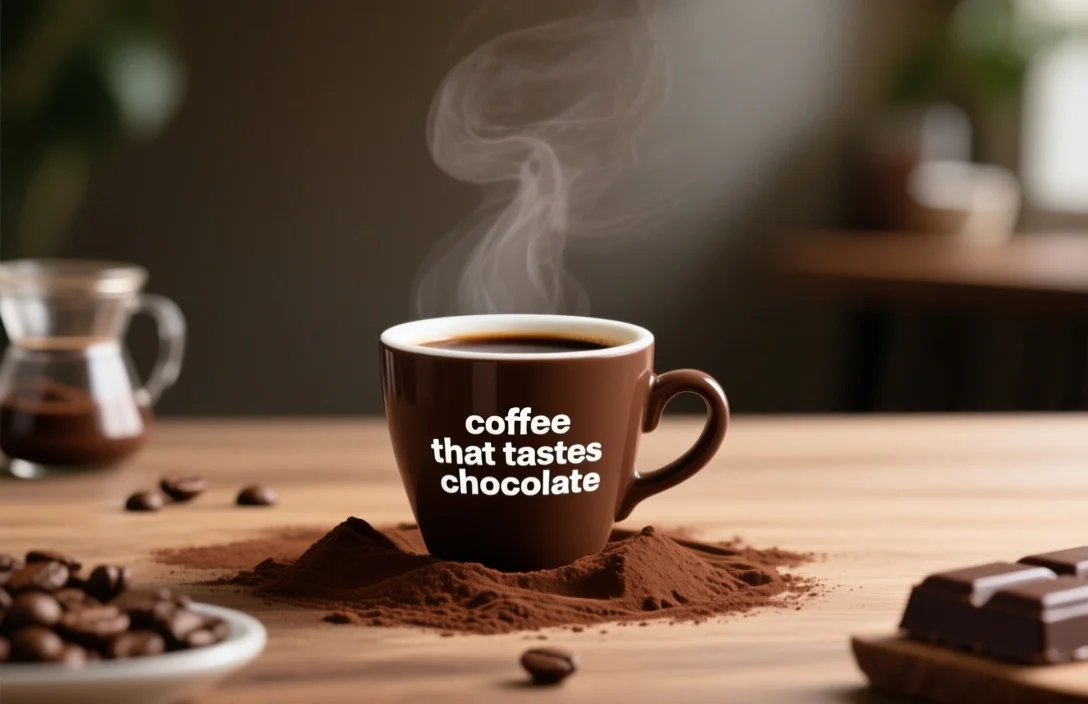
Yes – you can find coffee that tastes like chocolate. Look for beans and roast profiles that produce cocoa-like sweetness, roasted-nut notes, and rounded bitterness; those are the elements that commonly get described as “chocolate” in tasting notes.
I tested and compared common shopping approaches side by side – checking origin, roast level, tasting notes, and brew method – to sort what reliably produces chocolate-like flavor versus what is mostly marketing. This guide gives a direct answer, explains the chemistry and origin reasons behind chocolate notes, shows which coffees and preparations deliver them, and lays out step-by-step actions you can take next.
What people mean when they say “chocolate” in coffee
Coffee tasting notes borrow words from food and wine to describe complex aromas and flavors. “Chocolate” in coffee usually refers to one or more of three sensory experiences: a sweet cocoa-like aroma, a smooth roasted-bitter backbone similar to dark chocolate, or a milk-chocolate-like sweetness with low acidity. Those three are distinct and often appear together.
Roasted sugars and Maillard reactions inside the bean give cocoa-like aromas as coffee is roasted. Natural compounds such as quinic acid, pyrazines, and certain volatile phenols create the bitter, roasted, and nutty sensations that our brains interpret as chocolate. Tasting vocabulary is subjective; two people can drink the same cup and one will call it “nutty” while another calls it “chocolate.” Expect some subjectivity when reading roaster notes.
What creates chocolate notes – the real mechanisms
Origin, variety, processing, and roast all influence chocolate-like flavors. Beans grown in certain regions develop base flavors that, when roasted correctly, align with chocolate descriptors. Soil, altitude, and varietal genetics set the baseline flavor. Processing (washed, natural, honey) modifies fruitiness and body in ways that can either amplify or mute chocolate impressions.
Roast level is a major lever. Medium-dark roasts commonly emphasize caramelized sugars and brown spice notes that read as cocoa. Dark roasts can emphasize bitter, charred elements that some perceive as dark-chocolate bitterness, but overroasting erases nuance and often kills the subtle cocoa aromatics. Chemical changes during roasting – sugar breakdown, Maillard reactions, and aromatic compound formation – are the proximate reasons cocoa-like notes appear.
Which types of coffee most often taste like chocolate
After comparing single-origin beans, commercial blends, and flavored coffees side by side, a pattern was clear: Brazil and parts of Colombia frequently anchor “chocolate” tasting notes, while beans from Indonesia and some Central American lots provide chocolatey body and spice. Espresso blends built from Brazilian base and small additions of Colombian or Sumatran beans are designed to multiply those chocolate notes in concentrated extraction.
Natural-processed coffees can taste fruitier and less chocolatey than washed coffees from the same origin. Cold brew and long-steep methods emphasize sweetness and body, which can make chocolate notes more apparent. Chocolate-flavored or cocoa-infused coffees deliver chocolate by addition rather than origin; they will taste unmistakably chocolatey but not necessarily like a naturally chocolate-toned single-origin.
Table: Common options that deliver chocolate notes
| Name | Price / Key Spec | Best For |
|---|---|---|
| Brazilian (Santos, Cerrado) whole-bean, medium-dark roast | Whole-bean; tasting notes frequently list chocolate, nut, low acidity | Espresso, drip, milk drinks |
| Colombian medium roast single-origin | Whole-bean; tasting notes often chocolate, caramel, balanced acidity | Drip, pour-over, espresso |
| Sumatran (Mandheling) medium-dark roast | Heavier body; earthy and dark-chocolate notes | French press, espresso blends |
| Espresso blends (Brazil + Colombia base) | Blend designed for crema and chocolatey backbone | Espresso, milk-based drinks |
| Cold-brewed medium roast (any origin with chocolate notes) | Long steep highlights sweetness and body | Iced coffee, cold brew |
| Chocolate-flavored or cocoa-infused coffee | Added cocoa or flavoring; guarantees chocolate taste | Desserts, flavored drinks, if you want an overt chocolate taste |
what to look for on the bag
Start by reading the tasting notes and roast level on the bag. Bags that list “chocolate,” “cocoa,” “cacao,” “brown sugar,” “nutty,” or “caramel” are the most reliable indicators that the roaster perceives cocoa-like qualities. Roast labels that say “medium-dark,” “city+”, “full city,” or “espresso roast” often enhance chocolatey characteristics without necessarily being burnt.
Look for origin information next. Bags that identify Brazil, Colombia, or Sumatra as the origin or base of a blend increase the odds of chocolate notes. Roasters that publish cupping notes and roast dates give more useful signals than anonymous supermarket cans. Freshness matters: coffee is best used within a few weeks of roast to experience the intended flavors; older beans lose volatile aromatics that contribute to chocolate character.
Brewing methods that bring out chocolate notes
Different extraction methods emphasize different parts of coffee flavor. Concentrated methods such as espresso pull out intense roasted and bitter compounds that read as dark chocolate. Short, high-temperature extractions emphasize acidity and brightness, which can clash with chocolate impressions. Long steep methods such as cold brew extract more residual sugars and body, favoring milk-chocolate and caramel-like impressions.
French press and immersion brewing increase body and oils in the cup, making chocolate notes feel richer. Pour-over with a slightly coarser grind and slightly longer contact time preserves clarity while still letting cocoa notes come through. Dose, grind, temperature, and brew time all matter; lowering water temperature by a few degrees or shortening brew time can reduce bitterness and let chocolatey sweetness dominate.
Practical brewing checklist:
- Grind fresh immediately before brewing.
- Use 1:15-1:17 coffee-to-water ratio for drip; 1:12-1:15 for espresso-style concentrates.
- Brew at 195-205°F for hot methods; steep 12-18 hours for cold brew.
- Adjust grind finer if the cup tastes thin, coarser if it tastes overly bitter.
- Taste and note whether the cup leans toward dark-bitter chocolate or sweet milk-chocolate, then tweak roast/brewing choices accordingly.
How to taste and evaluate chocolate notes in coffee
Cup the coffee hot and cool – aroma shifts as the cup cools and reveals different chocolate nuances. Begin with three short sniffs: one above the cup, one deep inhale from 4-6 inches, and one near the surface. Chocolate aromatics often appear as roasted sugar, cocoa powder, or milk chocolate creaminess. Slurp the coffee to aerate it across the tongue; that brings out texture and mid-palate sweetness that define chocolate impressions.
Use a simple tasting sheet to be systematic: note acidity (bright to mellow), body (light to syrupy), sweetness (low to high), bitterness (low to high), and descriptive notes (e.g., dark chocolate, cocoa nibs, milk chocolate, caramelized sugar). Re-evaluate after adding milk if you plan to drink the coffee that way. Milk commonly softens acidity and enhances cocoa-like sweetness – a coffee that is only faintly chocolate black may become unmistakably chocolatey as a latte.
Shopping strategy: single-origin vs blends vs flavored coffees
Compare the trade-offs before buying. Single-origin beans let you trace chocolate notes to a region and can highlight unique cocoa-related flavors, but they vary seasonally and can be less consistent. Blends aim for balance and consistency; roasters often design espresso blends specifically to create a chocolatey base for milk drinks. Flavored coffees and cocoa-infused beans deliver the most obvious chocolate taste quickly but mask the bean’s natural complexity.
Ranked by reliability for a chocolate taste, then by naturalness (my criteria: reliability of chocolate note, then how natural the flavoring is):
- Espresso blends with Brazilian base – most reliable in milk drinks, natural bean flavors dominate.
- Brazilian medium-dark single-origins – consistent cocoa-like notes for black coffee and espresso.
- Colombian medium roasts – balanced chocolate and acidity; versatile.
- Sumatran medium-dark – earthy and dark-chocolate leaning; heavier body.
- Cocoa-infused/flavored coffees – guarantees chocolate flavor but adds non-bean elements.
Common mistakes and how to avoid them
Buying only by labels is the biggest mistake. “Chocolate” written on a bag can sometimes be marketing shorthand for “sweet and not bright,” so tasting notes and roast date matter. Another frequent error is over-roasting at home or choosing a store-bought stale roast; both reduce aromatic complexity and turn chocolate notes into an undifferentiated burnt bitterness.
Using the wrong brewing method is also common. Extremely fine grind and over-extraction will emphasize bitterness and harsh roasted notes rather than the smoother cocoa flavors. Under-extraction leaves the cup thin and acidic, masking the rounded chocolate character. Finally, adding too much milk or sugar before sampling the black cup prevents you from identifying whether the base coffee can deliver chocolate notes on its own.
Checklist to avoid mistakes:
- Verify roast date and prefer coffee roasted within the past 2-4 weeks.
- Ask the roaster for recommended brew parameters.
- Taste the coffee black before adding milk or sugar.
- Avoid “dark roast” labels that suggest char rather than balanced cocoa notes.
- Use a clean grinder and brewing equipment to avoid cross-contamination of flavors.
Health and caffeine considerations for chocolate-like coffees
Coffee that tastes like chocolate does not imply different health risks versus other coffees. Caffeine content depends primarily on roast, bean density, and brew method rather than flavor profile. The Mayo Clinic highlights general coffee health guidance, noting both potential benefits and the importance of moderation for specific individuals. If you have medical conditions that respond to caffeine, treat a chocolatey-tasting coffee the same as any coffee in terms of intake.
Milk-based chocolate drinks add calories and saturated fat; a latte or mocha will taste more chocolatey because milk and sugar amplify cocoa notes, not because the coffee itself is different. People monitoring caffeine intake should note that espresso-based drinks have less total liquid but can be high in caffeine per ounce; adjust servings accordingly. If you require medical advice about caffeine or coffee consumption, consult your healthcare provider.
which to choose
I compared small roasters’ single-origin offerings to larger brand blends to weigh freshness, transparency, and price. Small roasters often provide roast dates and direct tasting notes and can recommend lots that highlight chocolate notes. Larger brands or supermarket blends offer convenience and consistency but may be blended for mass market tastes, which dilutes distinct chocolate characteristics.
Support small roasters if you want traceability and targeted flavor; they allow you to buy a specific lot that you know tastes chocolatey. Choose a large brand if you need predictable results across batches and easier access to store locations. Both routes can produce excellent chocolate-like coffee; the deciding factors are how much nuance you want and how frequently you drink that style.
Practical experiments to try at home
- Buy a small sample of a Brazilian medium-dark roast and a Colombian medium roast from the same roaster.
- Roast or purchase whole-bean coffee and grind immediately before brewing.
- Brew both as black drip at 1:16 ratio, 200°F, using identical equipment to compare base flavor.
- Make espresso shots from each (if you have an espresso machine) and pull the same dose for a direct comparison.
- Prepare a cold brew from each and taste after 12-16 hours to evaluate sweetness and chocolate clarity.
- Add a small amount of milk to each preparation to judge how milk changes perceived chocolate notes.
- Take tasting notes: chocolate type (dark, milk, cocoa powder), body, acidity, and how long the chocolate note persists.
Those experiments will reveal whether the chocolate impression comes from origin, roast, or brew method.
FAQ
Can instant coffee taste like chocolate?
Good-quality instant coffee can display chocolate-like notes, especially when the base is a medium-to-dark roast, but instant production strips volatile aromatics so most instant coffees will be less nuanced than freshly roasted whole-bean or high-quality roast-and-ground options.
Does adding cocoa powder to coffee create the same experience as naturally chocolatey beans?
Adding cocoa or chocolate syrup produces an overt chocolate flavor but hides the bean’s natural flavors. That method is ideal when you want a dessert-like drink quickly; it is not the same sensory experience as a single-origin coffee with natural cocoa-like notes.
Will darker roast always taste more chocolatey?
Darker roast emphasizes roasted and bitter characteristics that can resemble dark chocolate, but over-roasting eliminates delicate aromatics that produce true cocoa notes. Medium-dark roast is often the sweet spot for chocolate impressions without loss of nuance.
Which brewing method brings out the most chocolatey flavor in a light roast?
Cold brew increases perceived sweetness and body, which can reveal chocolate-like notes even in lighter roasts. Adjust extraction time and grind to avoid sourness if you use a light roast for cold brew.
How should I store coffee to preserve chocolate notes?
Store whole beans in an airtight container in a cool, dark place away from heat and light. Avoid the refrigerator or freezer if you open the container frequently; small, airtight containers with limited oxygen exposure work best.
Are flavored coffees (chocolate-flavored) unhealthy?
Flavored coffees are not inherently unhealthy, but added sugar, syrups, or creams commonly paired with flavored coffee add calories. The coffee itself is similar to unflavored varieties unless additional ingredients are included.
Final verdict: If you want coffee that tastes like chocolate, buy a medium-dark roasted Brazilian or a balanced Colombian, or choose an espresso blend built with those bases – then brew with a method that emphasizes body, like espresso, French press, or cold brew. Next step: pick two small 8-12 oz bags that list “chocolate” or “cocoa” in their notes, roast-date fresh, and run the quick home experiments above to find the exact chocolate profile you prefer.

- Espresso Tastes Watery? 10 Common Causes and How to Fix It - October 23, 2026
- 10 Common Coffee Equipment Cleaning Mistakes and How to Avoid Them - October 23, 2026
- 17 Common Coffee Grinder Problems and How to Fix Them - October 23, 2026