
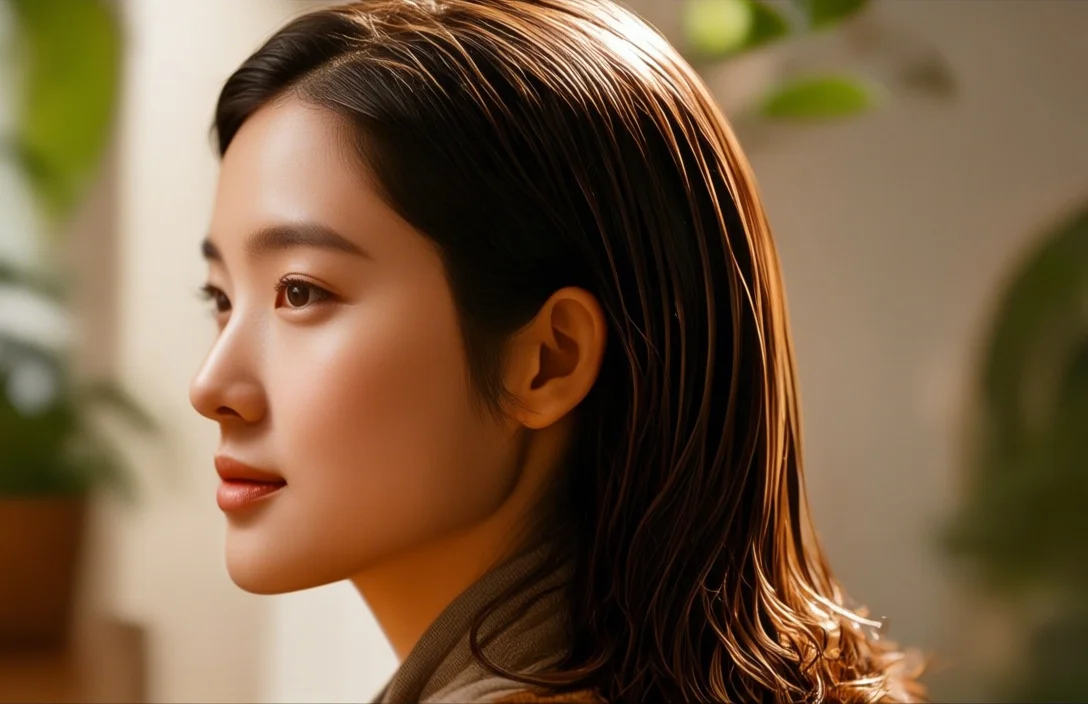
Short answer: Coffee hair treatment uses brewed coffee, espresso, or coffee grounds to darken, add surface shine, and mildly exfoliate the scalp for some users. Coffee hair treatment is not a medical therapy for hair loss; consider it a cosmetic tint or conditioning ritual with trade-offs around staining, mess, and scalp sensitivity.
How coffee alters hair and scalp
Brewed coffee deposits tiny pigment particles that sit on the hair cuticle rather than permanently changing the hair shaft. Those particles can slightly darken warm-toned hair, deepen contrast in lowlights, and increase surface gloss by filling microscopic roughness on the cuticle.
Caffeine, the molecule people often mention, can penetrate the outer layers of the hair and scalp to a limited degree. Caffeine in topical form has been included in consumer hair products as a stimulant for scalp circulation in some formulations. Direct application of brewed coffee or grounds delivers variable levels of caffeine compared with standardized topical serums, and individual absorption depends on scalp condition and formulation.
Who is likely to see visible results – and who should avoid it?
Dark-haired people see the clearest color effect because coffee pigments are dark brown and can only deposit darker tones. Someone with naturally black, dark brown, or medium brown hair will notice color depth and shine more readily than someone with light blonde or gray hair, where coffee usually leaves a faint tint at best.
People with chemically lightened, porous, or previously dyed hair need to be cautious. Porous hair accepts pigments more readily, which increases both the short-term tint and the risk of uneven color. Sensitive scalps, active dermatitis, or open wounds on the scalp are reasons to avoid direct application. Anyone treating medically significant hair thinning should consult a dermatologist or trichologist before relying on coffee as a therapeutic approach.
what the trade-offs are
After comparing common home recipes and salon gloss treatments, the core trade-offs are consistency, mess, and control. Home methods are inexpensive and adjustable, but tint intensity is unpredictable and rinsing can be messy. Salon glosses that include coffee-derived pigments or caffeine extracts often use stabilizers and vehicle systems to control absorption and minimize staining outside the hairline.
Comparing the spec sheets side by side, salon options tend to offer standardized pigment concentration, clear application times, and integrated conditioners that reduce cuticle roughness. Home approaches provide ingredient control and low cost but require more experimentation to reach a repeatable result.
Practical DIY coffee hair treatment: step-by-step recipe
Follow this set of steps to try a basic brewed-coffee rinse at home. Perform a patch test before full application and work over a sink or tub to manage stains.
- Brew a strong pot of coffee and allow it to cool to lukewarm.
- Shampoo hair to remove oils, then towel-dry until damp.
- Pour the cooled coffee slowly over the hair, massaging the scalp gently for 2-3 minutes.
- Leave the coffee on the hair for a short, observed time; watch the color on a hidden strand to judge depth.
- Rinse lightly with cool water and condition the ends to restore moisture.
Optional variation: Mix a few tablespoons of fine coffee grounds with a conditioner to create an exfoliating mask. Apply to the scalp and rinse thoroughly to avoid leaving abrasive particles behind.
Comparison of common coffee-based methods and products
| Name | Price / Key Spec | Best For |
|---|---|---|
| DIY brewed-coffee rinse | Price: varies; exact current prices not found. Key spec: uses brewed coffee, variable pigment concentration | Budget-friendly color boost for dark hair |
| Coffee grounds scalp scrub | Price: varies; exact current prices not found. Key spec: mechanical exfoliant with pigment risk | Exfoliation and temporary color for oily scalps |
| Caffeine-containing serum | Price: varies; exact current prices not found. Key spec: standardized caffeine dose in a cosmetic vehicle | Targeted topical application without staining |
| Salon coffee gloss | Price: varies; exact current prices not found. Key spec: formulated pigment + conditioner, professional application | Controlled tint and shine with less mess |
Choose the category that fits your priorities: keep costs low with DIY, or pay for repeatability in a salon or retail formulation.
Risks, staining, and interactions with hair color
Dark pigments in coffee will stain fabric and porous surfaces; immediate cleanup with cold water reduces permanent marks. Light-colored towels, clothing, and bathroom fixtures are at risk during at-home applications.
Color-treated hair can respond unpredictably. Coffee can overlay a temporary tint onto dyed hair; that layer may look uneven over chemically lifted or brassy bases. Aggressive mechanical scrubbing with grounds can abrade the cuticle, increasing porosity and making hair more prone to breakage. Sensitive scalps can react with redness or itching – any inflammatory response should prompt immediate rinsing and, if persistent, professional evaluation.
How to test and minimize unwanted outcomes
Perform a small strand test and a skin patch test before full application. Apply coffee to an inconspicuous strand near the nape, wait the intended amount of time, rinse, and observe the resulting color and hair texture for at least 24 hours. Do a patch test on the inner forearm or behind the ear to check for allergic reaction before touching the scalp.
Rinse with cool water and use a clarifying shampoo if the tint is stronger than expected. Protect clothing and surfaces during application by wearing an old T-shirt and applying petroleum jelly or a barrier cream along the hairline to limit forehead staining. Avoid mixing coffee with peroxide-based products or permanent hair dye without professional guidance, because combined chemistries can produce unpredictable pigmentation.
Frequency, maintenance, and realistic expectations
Expect visible color from coffee treatments to be temporary and fade with routine washing. Maintenance depends on hair porosity, how the hair was pretreated, and how frequently you wash with clarifying products. Those seeking long-term pigment change should treat coffee as a cosmetic refresher rather than a replacement for salon color services.
Moisture management helps a coffee tint look smoother. A conditioning treatment applied after a coffee rinse seals cuticles and preserves shine. Overuse of abrasive coffee grounds or overly frequent acidic rinses can dry hair and reduce elasticity, so prioritize hydration and gentle care.
Troubleshooting and how to remove or lighten coffee tint
Lightening a coffee tint usually requires clarifying approaches rather than chemical stripping. Clarifying shampoos and repeated shampoo cycles tend to lift surface-deposited pigments. Combining clarifying shampoo with warm water and gentle massaging across a few washes typically reduces the tint without aggressive chemical intervention.
If a stubborn stain persists on the skin, try a mild oil-based cleanser followed by soap and water; on fabric, follow garment-care instructions and treat promptly. For hair that has taken on uneven color after a DIY attempt, a professional color correction will be the safest path to an even result, particularly on chemically processed hair.
Common mistakes to avoid
- Applying hot coffee directly to the scalp without cooling it first can cause discomfort.
- Using coarse grounds on fragile, porous hair will create mechanical damage.
- Assuming coffee treats medical hair thinning is misleading; do not substitute it for professional care when hair loss is significant.
- Skipping a patch test increases the chance of scalp irritation or an allergic reaction.
A careful approach reduces mess and minimizes the risk of unexpected color or irritation.
When to consult a professional
Consult a colorist when you want predictable color or when your hair has multiple previous chemical treatments. A salon professional can match pigment depth, control application time, and recommend conditioning systems that prevent porosity changes. Seek a dermatologist or trichologist if you experience rapid hair shedding, persistent scalp inflammation, or medically meaningful hair thinning; topical coffee treatments should not delay clinical evaluation.
Practical shopping and preparation tips
Look for caffeine-containing hair products if you prefer standardized dosing and a low-mess experience. Ingredients lists that include “caffeine” or “coffee extract” will vary widely in concentration and formulation, so read labels for supporting conditioners, preservatives, and pH adjusters.
When preparing a DIY rinse, use paper towels and dark-colored cloths for cleanup, and avoid using porous surfaces that stain easily. An alternate route is to add a measured small amount of cooled espresso to a conditioner to test pigment pickup on a hidden strand before full application.
FAQ
Will coffee stop hair loss?
Coffee hair treatment does not replace medical treatments for hair loss. Discuss persistent or sudden hair shedding with a dermatologist to identify underlying causes and evidence-based therapies.
Can coffee color hair permanently?
Coffee deposits are temporary and sit mostly on the cuticle layer; they do not permanently change hair pigment the way oxidative dyes do.
Is it safe to use coffee on a chemically dyed or bleached scalp?
Proceed with caution. Lightened or chemically processed hair is more porous and can absorb coffee pigment unevenly. A strand test and professional consultation are recommended.
Can coffee make hair thicker?
Topical coffee may provide temporary cosmetic fullness by coating the hair shaft and improving shine. That visual effect should not be interpreted as increased follicular density.
How soon can I wash my hair after a coffee rinse?
Rinse timing depends on your goal and comfort with staining. Remove coffee if any scalp irritation occurs. Avoid precise timing recommendations without a professional consult.
Verdict and next
If you want a low-cost cosmetic darkening or a short-term shine boost and you have naturally darker hair, try a cautious, small-scale coffee rinse and perform strand and skin patch tests first. If you need predictable color control, professional glossing or a caffeine-containing product from a reputable brand will be safer and cleaner than homemade mixtures. Start with a strand test this week and note how your hair responds before committing to full-head applications.

- Espresso Tastes Watery? 10 Common Causes and How to Fix It - October 23, 2026
- 10 Common Coffee Equipment Cleaning Mistakes and How to Avoid Them - October 23, 2026
- 17 Common Coffee Grinder Problems and How to Fix Them - October 23, 2026